Florida’s driving test separates confident drivers from unprepared ones. The written exam, practical skills assessment, and real-world driving scenarios demand serious preparation.
At DriverEducators.com, we’ve seen thousands of test-takers succeed by following structured driving test preparation lessons. This guide walks you through exactly what to study, how to practice, and why proper preparation matters for your safety on the road.
What You’ll Face on Florida’s Driving Test
The Written Exam: Traffic Laws and Road Knowledge
Florida’s written exam tests your knowledge of traffic laws, road signs, and safe driving rules through multiple-choice questions covering the Florida Driver Handbook. You’ll answer questions on right-of-way rules, speed limits in school zones (typically 15–20 mph), safe following distances (the three-to-four second rule), and how to handle sudden weather like Florida’s notorious downpours. This portion separates test-takers who studied from those who didn’t, and the Florida Driver Handbook provides everything you need to pass.
The Practical Driving Test: Where Most Fail
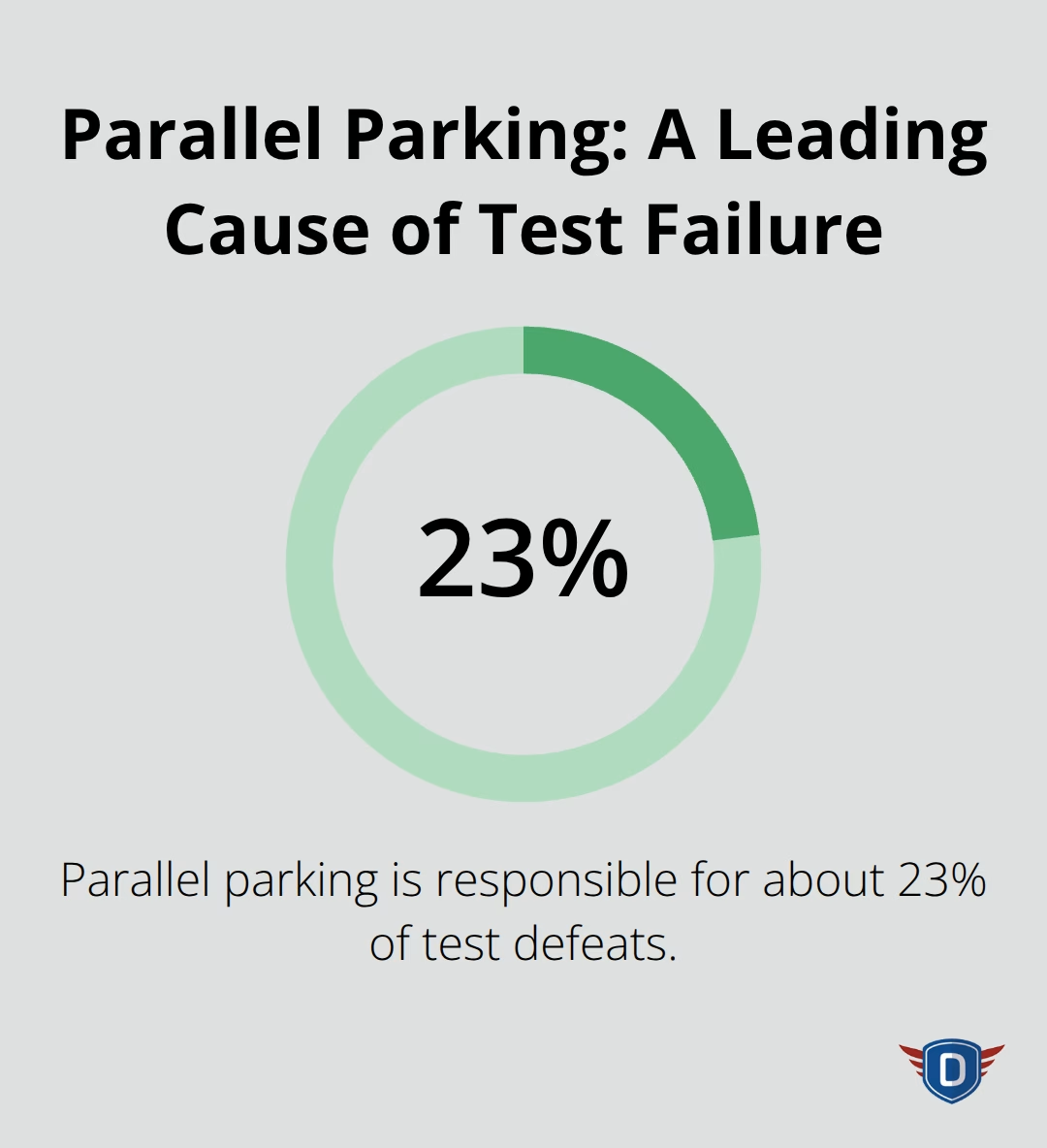
The practical driving portion is where most test-takers stumble. Examiners watch for specific maneuvers: three-point turns executed with smooth steering and constant safety checks, lane changes with proper signaling at least 100 feet before the move, and parallel parking-the single biggest failure point, responsible for about 23% of test defeats. Your examiner scores you on vehicle control, observation habits, and decision-making under real traffic conditions.
These three maneuvers consume the bulk of test time and reveal whether you truly control the vehicle.
Instant-Failure Mistakes to Avoid
Rolling through stop signs instead of coming to a complete zero-speed stop for 2–3 seconds will end your test immediately. Missing blind-spot checks during lane changes and poor mirror usage also trigger automatic failures. Many drivers fail because they don’t scan 360 degrees before each maneuver; examiners specifically watch whether you check mirrors every 5–8 seconds and glance over your shoulder to confirm blind spots are clear. Speed control matters more than you think-staying within 5 mph of posted limits and adjusting for conditions demonstrates maturity and safety awareness.
Recovery and Small Mistakes
The test isn’t about perfection; it’s about showing you can drive independently, handle varying traffic, and make safe decisions automatically. If you make a small mistake, staying calm and recovering safely often means the difference between passing and failing. Your examiner evaluates your overall competence, not a single error. Focus your preparation on the three-point turn, lane changes, and parallel parking because mastering these skills builds the foundation for everything else you’ll face on test day. Understanding what examiners look for allows you to structure your practice sessions with precision and confidence.
Skills That Actually Matter on Test Day
Build Your Pre-Maneuver Observation Routine
Defensive driving starts before you ever face the examiner. You must build a pre-maneuver observation routine that scans 360 degrees every single time: mirror checks, shoulder checks, and a glance at intersections before each move. NHTSA safety guidance emphasizes this observation habit because it catches hazards that cost drivers their test. Most failures stem from insufficient observation, not poor steering or speed control.
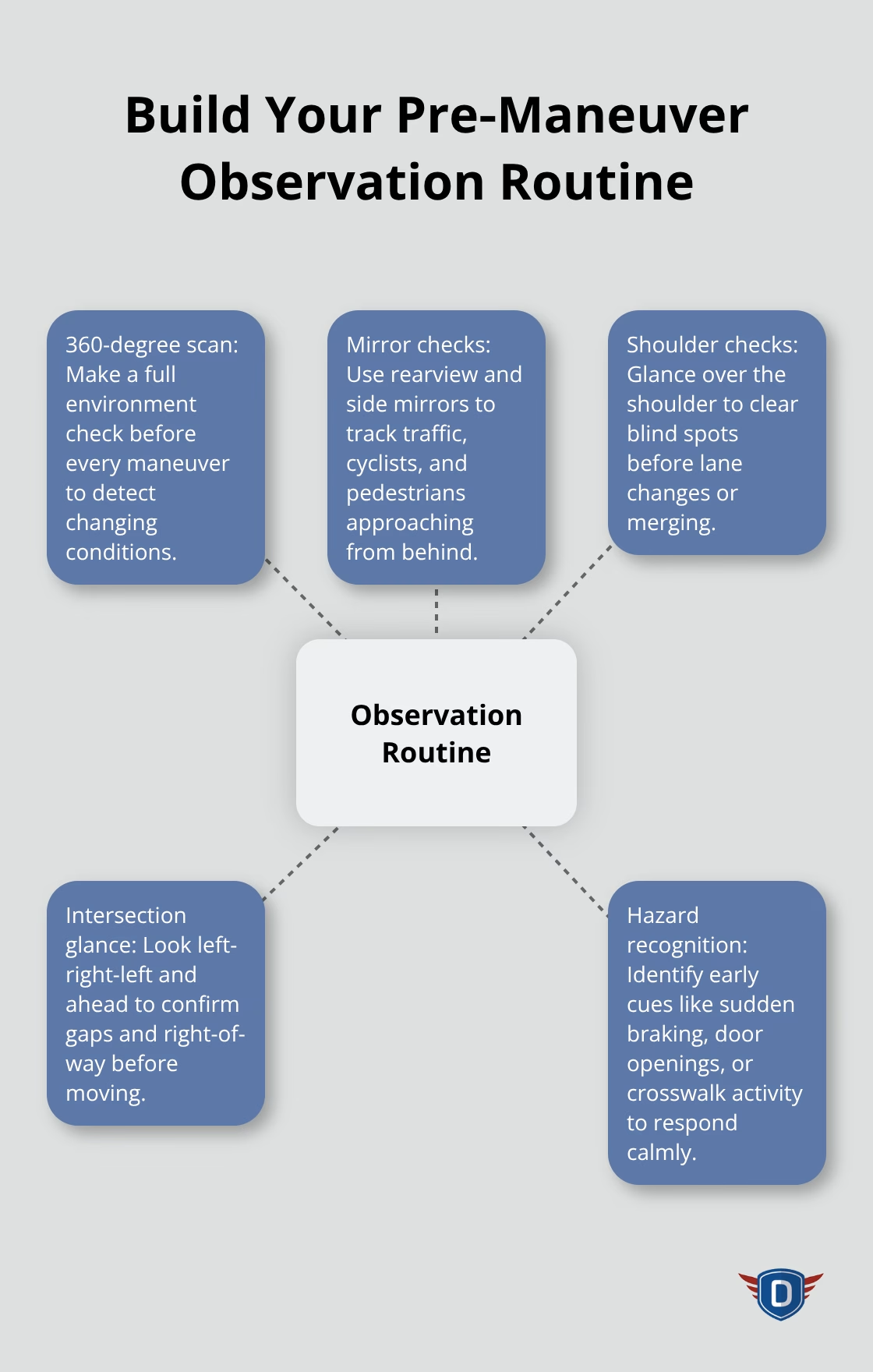
Practice this routine on quiet streets first, then move to busier roads where distractions multiply. Your goal is to make these checks automatic so you perform them without thinking on test day. Hazard recognition means spotting pedestrians, cyclists, and sudden traffic changes early enough to react calmly. Spend at least five practice sessions in school zones, near parks, and at busy intersections where unexpected movement happens constantly.
Master Parking and Vehicle Control
Parallel parking failure rates show this maneuver causes significant test challenges. You should break the maneuver into clear steps using reference points like curb distance or car positions, then practice with cones or markers until you can position your vehicle consistently. Your speed control during parking reveals whether you truly master the vehicle: ease into position rather than forcing it, and make small steering corrections instead of dramatic turns.
Lane changes require signaling at least 100 feet before the move, checking your rearview mirror, then your side mirror, then your blind spot with a shoulder check. You should accelerate slightly during the lane change to match traffic flow rather than forcing other drivers to adjust around you. Three-point turns need precise sequencing practiced until the maneuver becomes automatic; many drivers rush through turns, but accuracy matters far more than speed.
Navigate Traffic and Road Signs With Confidence
Navigation of traffic situations means understanding right-of-way rules deeply, not just memorizing them. You should study the Florida Driver Handbook section on intersections, four-way stops, and yield situations because these rules trip up many test-takers. Practice at confusing intersections near your local DMV office so you recognize the exact locations examiners use during testing.
Speed control throughout matters more than single moments: stay within five mph of posted limits when conditions are ideal, drop to 15 to 25 mph in school zones, and adjust further in construction zones where limits may drop ten to fifteen mph. You must read and react to road signs by slowing early and showing deliberate intent rather than last-second corrections. Florida’s weather adds another layer-rain reduces visibility and traction, so practice in light rain to feel how your car responds and test your brakes, accelerator, and steering in wet conditions so surprises don’t derail you during the exam.
Building Your Preparation Timeline
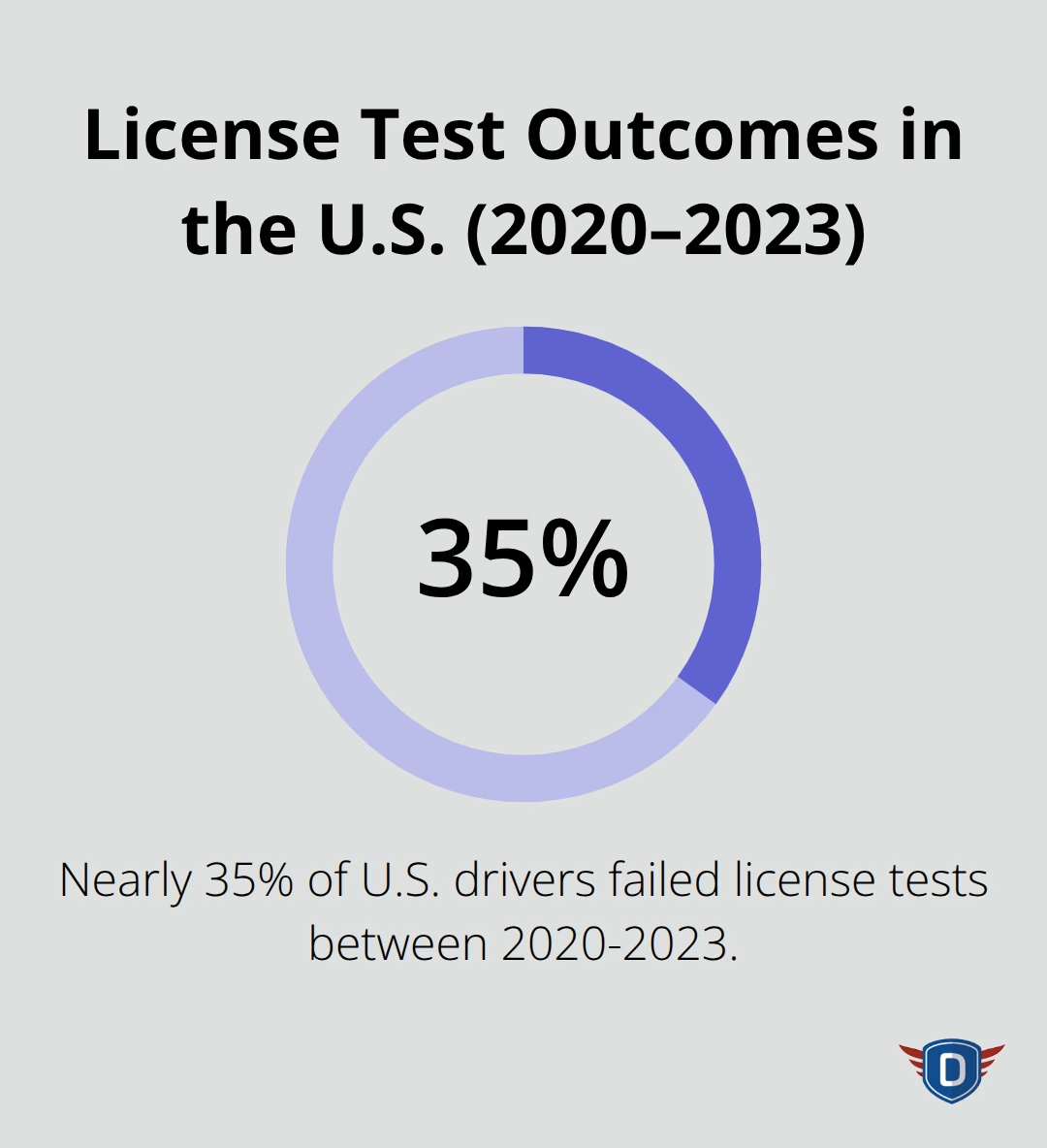
Successful test-takers structure their preparation around one undeniable fact: nearly 35% of U.S. drivers failed license tests between 2020-2023. That statistic should force you to abandon casual studying and commit to a structured timeline instead.
The Four-to-Six-Week Framework
You need at least four to six weeks before your test date to move from basic competence to automatic execution of critical skills. Start by booking your test appointment immediately, then work backward from that date. Week one focuses entirely on the Florida Driver Handbook, specifically the sections on right-of-way rules, speed limit zones, and safe following distances. Dedicate two hours daily to reading and note-taking rather than skimming.
Week two introduces behind-the-wheel practice on quiet residential streets where you rehearse the three-point turn and lane changes without traffic pressure. Week three moves you into moderate traffic and introduces parallel parking practice with cones or markers on empty parking lots. Week four places you on actual test routes near your local DMV office so you recognize exact intersections, school zones, and confusing traffic patterns the examiner will use.
Mock Testing and Confidence Building
Week five focuses on mock testing where someone you trust acts as the examiner using an official scoring sheet and provides zero feedback during the drive. This simulation reveals exactly how you perform under pressure and identifies last-minute corrections you need. Week six becomes your confidence-building week with light practice and mental preparation rather than learning new skills.
Professional Instruction Accelerates Your Progress
Professional instruction accelerates your progress and corrects habits that family members often miss or tolerate. Structured professional instruction provides a well-designed curriculum that covers all necessary areas of driver education and helps instructors immediately identify and fix observation gaps, steering errors, and hesitation patterns. Schedule professional instruction early and book at least one month ahead to avoid waiting lists.
Instructors should spend at least five sessions focusing exclusively on your weakest maneuver, whether that’s parallel parking or three-point turns. Between professional lessons, practice independently on the same routes to reinforce muscle memory and build confidence.
Track Progress With Data-Driven Practice
Use a simple practice log tracking the date, location, maneuvers practiced, specific mistakes observed, and your next-step goals. This data-driven approach reveals patterns you might otherwise miss and keeps your practice focused rather than aimless. Practice in varied conditions including different times of day, light rain, and heavy traffic because test-takers who only practice in ideal conditions often panic when conditions change during their actual exam.
Final Thoughts
Your Florida driving test preparation lessons succeed when you commit to structured practice over weeks, not days. Nearly 35% of drivers fail their tests, and most failures stem from skipping fundamentals or practicing without direction. You now understand what examiners watch for, which skills matter most, and how to build a timeline that transforms you from uncertain to confident in your execution.
The three-point turn, lane changes, and parallel parking form your foundation-master these maneuvers through repetition in varied conditions, and everything else on test day becomes manageable. Your observation routine (mirror checks, shoulder checks, intersection awareness) must become so automatic that you perform it without conscious thought. Speed control, signaling early, and smooth vehicle handling reveal your maturity to the examiner far more than perfection ever could.
Book your test date immediately, then work backward to structure your four-to-six-week preparation timeline. If you struggle with any maneuver or feel uncertain about your progress, professional instruction accelerates your improvement and corrects habits that family members often miss. We at DriverEducators.com connect you with certified instructors who understand exactly what examiners expect and how to build the skills that stick.