
Teen drivers face real dangers on the road. Young driver statistics show that motor vehicle crashes remain the leading cause of death for teenagers in the United States, with drivers aged 16-19 experiencing crash rates three times higher than drivers aged 20 and older.
Defensive driving courses can change this outcome. At DriverEducators.com, we’ve seen how structured training teaches teens to recognize hazards before they become emergencies, building the skills and confidence needed for safer driving.
The Reality of Teen Driver Statistics
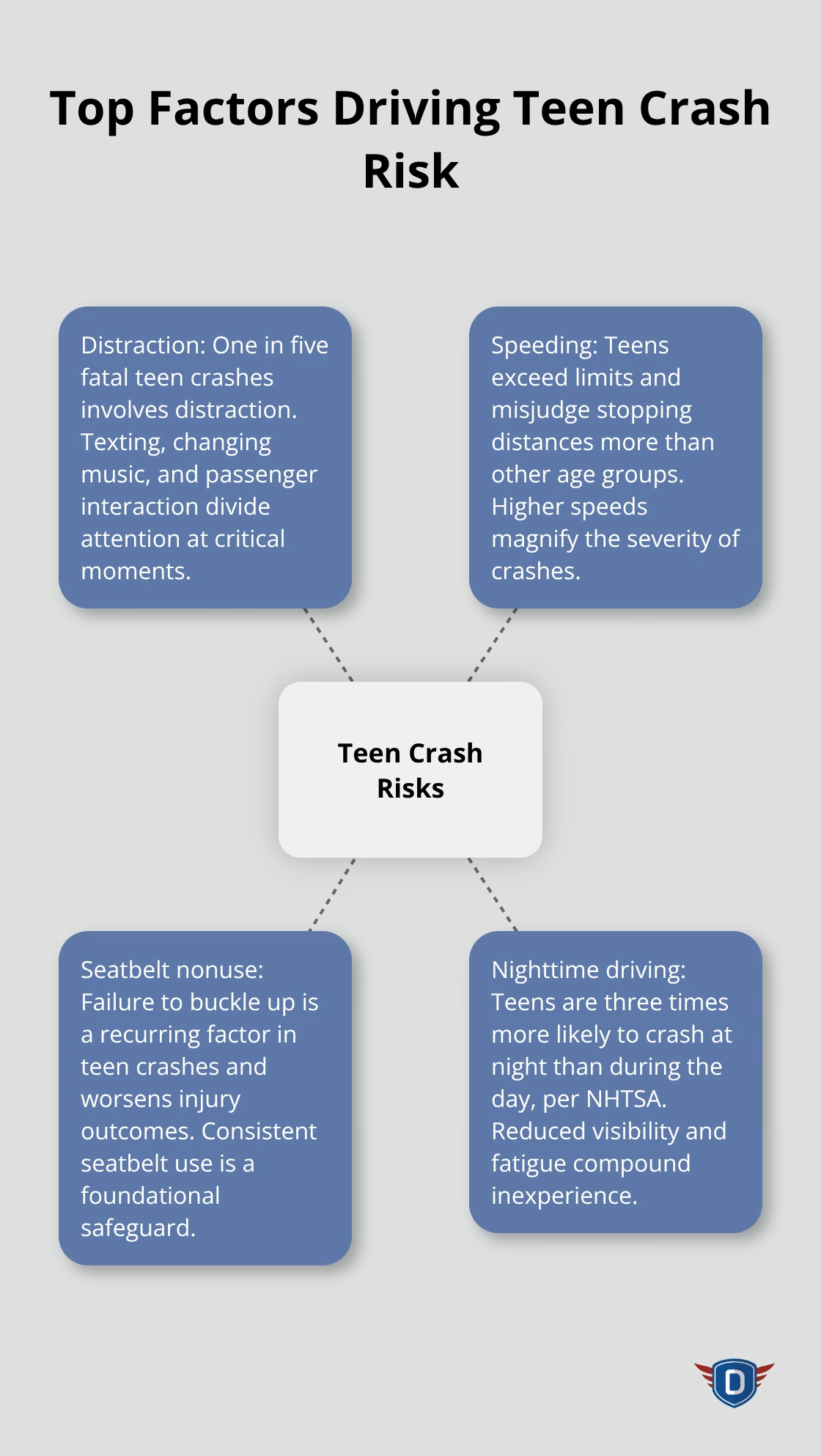
Teen drivers aren’t just inexperienced-they’re statistically the most dangerous group on American roads. The National Highway Traffic Safety Administration reports that drivers aged 16-19 have significantly higher crash rates than drivers aged 20 and older, and this gap exists for a reason. Distracted driving, speeding, and failure to wear seatbelts account for the majority of teen crashes, with distraction alone involved in roughly one in five fatal teen driving crashes. Nighttime driving amplifies these risks significantly; teens are three times more likely to crash during nighttime hours than daytime hours, according to NHTSA data.
Why Teen Brains Make Dangerous Decisions
Teens lack the neural development required for split-second hazard recognition that adults possess. The prefrontal cortex, responsible for judgment and impulse control, doesn’t fully mature until the mid-20s, which explains why teens often fail to anticipate danger or assess risk accurately. Peer pressure compounds this problem; teen drivers with passengers in the vehicle show significantly higher crash rates than those driving alone. Speed represents another critical factor-teens exceed speed limits and misjudge stopping distances more frequently than any other age group. These aren’t character flaws; they’re developmental realities that defensive driving courses directly address through structured hazard recognition training and decision-making exercises grounded in real-world scenarios.
How Distraction Multiplies Risk
Distracted driving kills teen drivers at alarming rates. One in five fatal teen crashes involves distraction, yet teens continue to text, adjust music, or interact with passengers while operating vehicles. The combination of inexperience and divided attention creates a deadly formula. A teen driver’s reaction time slows considerably when attention shifts away from the road, even for a few seconds. Defensive driving instruction teaches teens to maintain focus and recognize when distractions threaten their safety, transforming awareness into protective action.
The Long-Term Consequences of Early Accidents
A single accident during the teen years doesn’t just affect insurance rates-it establishes driving patterns that increase crash risk for years to come. Teens who experience their first accident without formal defensive training are statistically more likely to have additional accidents within five years. Points on a driving record accumulate quickly, and in many states, accumulating points leads to license suspension or revocation. Insurance premiums spike dramatically after an accident, with some insurers increasing rates by 25% to 50% following a teen’s first at-fault crash (financial impacts that extend far beyond the initial incident).
Habits formed now-whether safe or reckless-shape driving behavior for decades. This reality makes early defensive training an investment in a lifetime of safer roads. The next section explores how structured defensive driving courses interrupt these dangerous patterns and equip teens with the skills to make better decisions behind the wheel.
How Defensive Driving Courses Actually Change Teen Behavior
Teaching Hazard Recognition Before Emergencies Happen
Defensive driving courses work because they teach teens a specific skill set rather than lecturing about danger. The courses focus on three concrete abilities: recognizing hazards before they develop into emergencies, making faster decisions under pressure, and building the muscle memory that transforms safe choices into automatic reactions. A teen who completes a defensive driving course learns to scan the road ahead and check blind spots between every song, as the National Safety Council recommends, rather than reacting after a hazard appears. This shift from reactive to proactive driving is measurable.
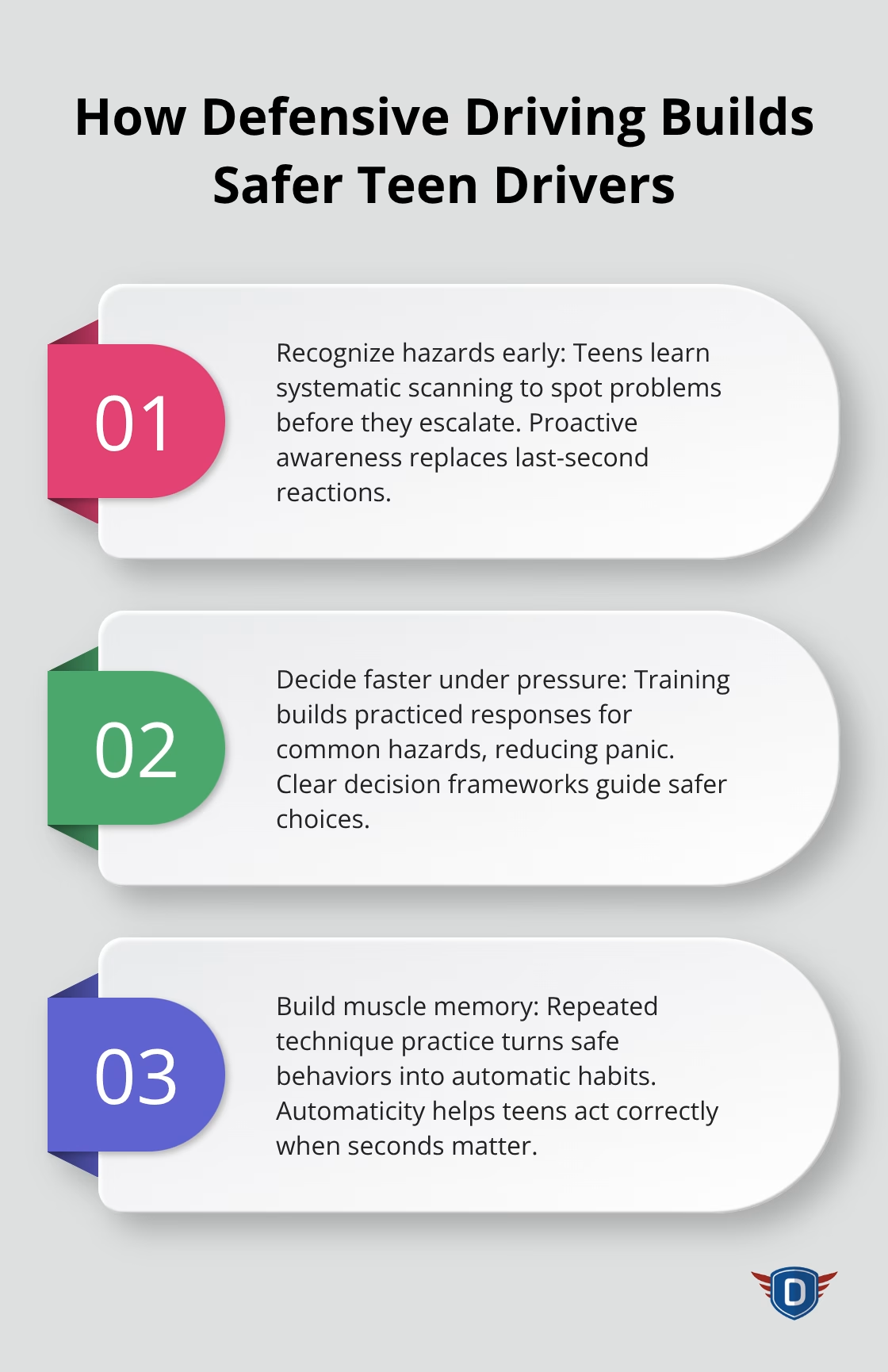
Teens who complete defensive driving training show improved hazard recognition in real-world scenarios, and research indicates that formal defensive driving education reduces crash likelihood by helping drivers anticipate problems and respond with control rather than panic.
How Confidence Replaces Anxiety Behind the Wheel
The confidence factor matters more than many parents realize. A nervous teen driver often makes worse decisions because anxiety narrows focus and impairs judgment. Defensive driving courses channel that nervousness into structured, purposeful awareness. Instructors place teens in realistic hazard scenarios and teach specific techniques for handling each situation, which removes the guesswork and replaces it with a concrete action plan. When a teen understands exactly what to do if a car swerves into their lane or if they hit a patch of wet road, anxiety transforms into readiness.
Building Skills That Last Through Supervised Practice
Teens who receive defensive driving training alongside supervised practice with parents retain essential skills far better than those who skip formal instruction. The combination of classroom knowledge and real-world application creates neural pathways that support safer reactions for years to come. Teens also respond well to knowing that defensive driving skills can lower insurance premiums when they complete a driver’s education course, which gives them a tangible reward for taking the training seriously rather than viewing it as punishment.
These measurable benefits-improved hazard recognition, reduced crash risk, and insurance savings-explain why parents should prioritize defensive driving enrollment. The next section examines the specific, real-world advantages that extend beyond the classroom and into a teen’s driving record and family finances.
What Parents Actually Save When Teens Complete Defensive Driving
Insurance Discounts That Pay for the Course
Defensive driving courses deliver concrete financial benefits that extend far beyond the initial enrollment cost. Insurance companies recognize that teens completing formal defensive driving training pose lower risk, and they reward that reduction through measurable premium discounts. GEICO offers defensive driving discounts ranging from 5% to 15% depending on your state, with Arkansas providing up to 15% off applicable coverages and Alaska up to 10% off after course completion. Other major insurers including State Farm and Allstate offer similar programs, though discount amounts vary by state and individual policy.
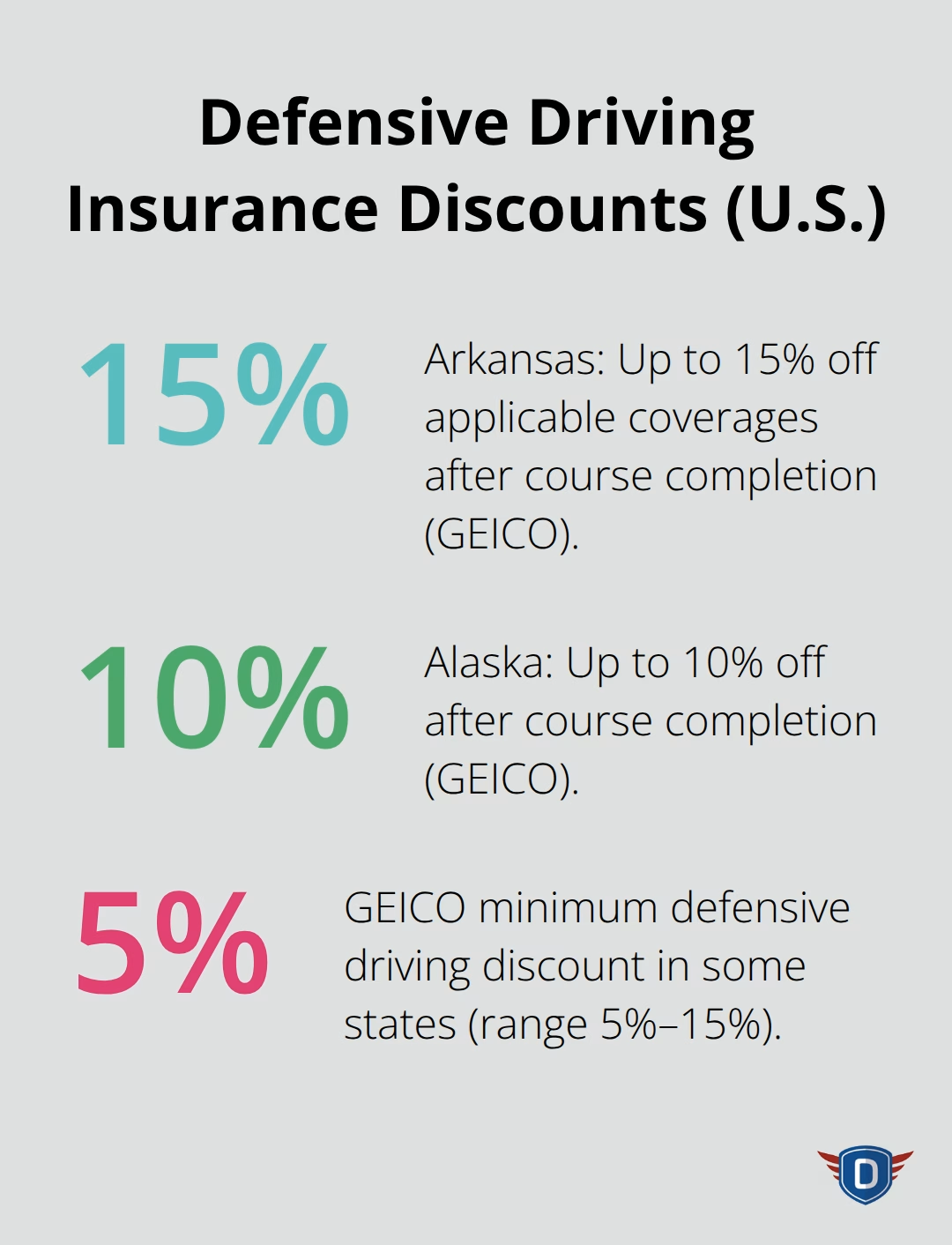
A teen driver with an annual premium of $2,000 could save $100 to $300 yearly through a defensive driving discount alone, which means the course pays for itself within months. These discounts typically apply for three to five years after course completion, generating cumulative savings that substantially offset the initial training investment.
How Defensive Training Protects Your Teen’s Driving Record
Defensive driving training directly protects a teen’s driving record from the points that create cascading financial damage. A single at-fault accident can increase insurance premiums according to industry data, and accumulating traffic violations triggers license suspension in most states, creating additional costs through reinstatement fees and court-ordered defensive driving classes. Teens who complete defensive training before their first accident avoid these penalties entirely.
Points remain on driving records for years, meaning a reckless mistake at age 16 affects insurance rates through age 18 or beyond. Defensive driving courses teach hazard recognition and decision-making skills that prevent the accidents that generate points in the first place.
Real Crash Prevention Through Practical Skills
A teen trained to scan blind spots, anticipate other drivers’ movements, and maintain focus on the road simply experiences fewer crashes. Defensive driving instruction equips teens with specific techniques for handling real-world hazards (wet roads, sudden lane changes, distracted drivers) rather than leaving safety to chance. When teens understand exactly what to do in dangerous situations, they make better decisions under pressure.
The financial protection and safety benefits combine to make defensive driving enrollment not just advisable but economically rational for families serious about protecting their teen’s future. Parents gain genuine peace of mind knowing their teen possesses practical skills rather than hoping luck prevents disaster.
Final Thoughts
Defensive driving isn’t optional for teen safety-it’s the most effective tool parents have to interrupt the dangerous patterns that young driver statistics reveal. Teens aged 16-19 crash at three times the rate of older drivers, and that gap exists because inexperience combines with developmental limitations in judgment and impulse control. A defensive driving course directly addresses this reality by teaching hazard recognition, decision-making under pressure, and the specific skills that transform awareness into protective action on the road.
Teens who complete defensive training build habits that shape their driving behavior for decades, establishing patterns of safe decision-making that protect them throughout their lives. Early training works because it creates neural pathways and muscle memory before dangerous habits form. A teen who learns to scan blind spots, anticipate other drivers’ movements, and maintain focus develops automatic reactions that keep them safer whether they’re driving at 16 or 46.
Parents gain measurable protection through insurance discounts, reduced crash risk, and genuine peace of mind that comes from knowing their teen possesses practical skills rather than relying on luck. The financial benefits-discounts ranging from 5% to 15% depending on your state-make the investment economically rational. Enroll your teen in a comprehensive defensive driving program at DriverEducators.com to help them become safer and more responsible through clear instruction and real-life scenarios.


![Teen Driver Licensing Requirements in Florida [2026]](https://drivereducators.com/wp-content/uploads/emplibot/florida-license-requirements-hero-1773544196.avif)