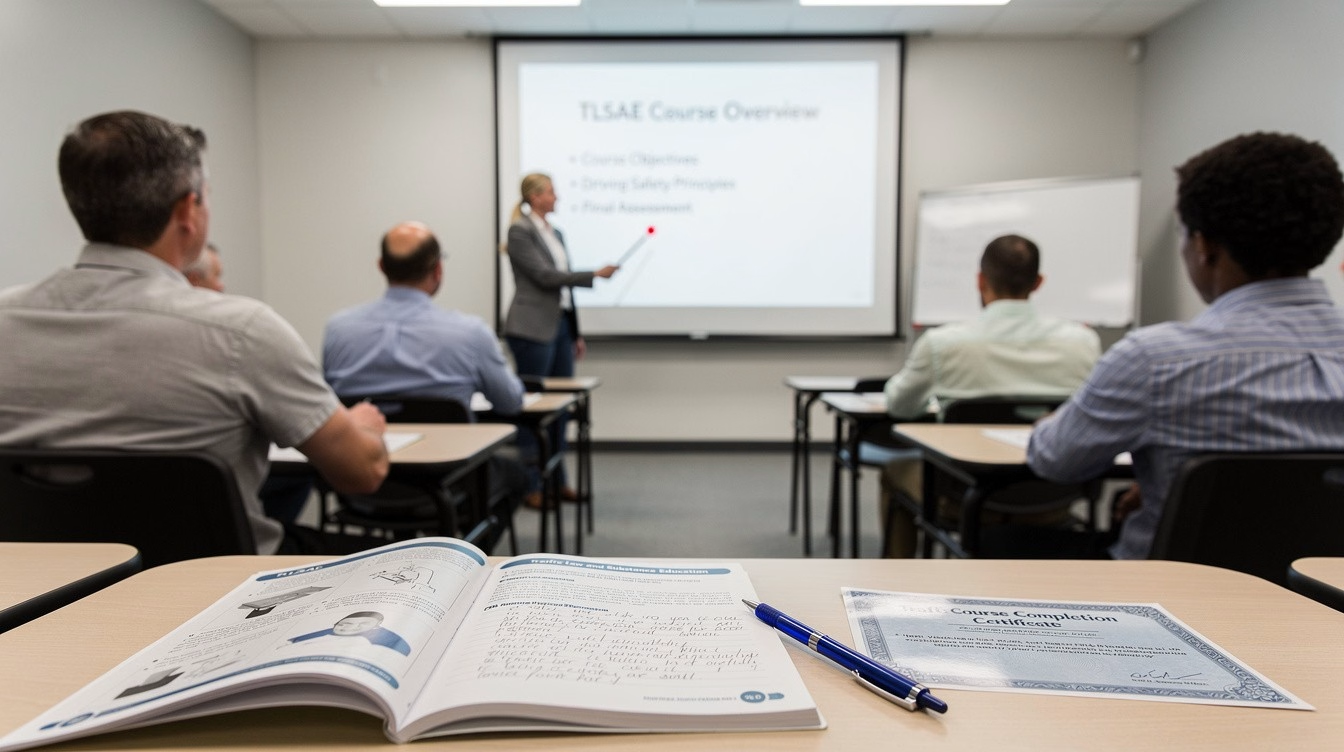

If you are getting your first Florida driver license, one requirement tends to catch people by surprise: the TLSAE course. If you have been asking what is a TLSAE course, the short answer is simple. It is a state-required class for first-time drivers in Florida that covers traffic laws, safe driving, and the risks of alcohol and drug use behind the wheel.
For many new drivers, this course is one of the first official steps in the licensing process. It is not just a box to check. Florida uses it to make sure new drivers understand the rules of the road before they move on to the permit or license stage.
What Is a TLSAE Course?
TLSAE stands for Traffic Law and Substance Abuse Education. You may also hear it called the Drug and Alcohol course, the Drug and Alcohol Traffic Education course, or the DATA course. In Florida, these names are often used interchangeably.
The purpose is straightforward. The course teaches new drivers how Florida traffic laws work and how alcohol, drugs, and poor decision-making affect driving ability. It also introduces defensive driving habits and the real-world consequences of unsafe behavior.
That matters because first-time drivers are not only learning how to operate a vehicle. They are also learning how quickly a routine trip can turn dangerous when speed, distraction, impairment, or inexperience get involved.
Who Needs a TLSAE Course?
In most cases, Florida requires a TLSAE course for anyone who has never held a driver license and wants to obtain one for the first time. That usually includes teens applying for a learner’s permit, but adults getting their first Florida license may need it too.
The exact requirement depends on your licensing history. If you already held a valid license from another state, your situation may be different. If you have never been licensed before, you should expect the TLSAE course to be part of the process.
This is where people sometimes get confused. The course is not mainly for drivers with tickets or court orders. It is primarily a pre-licensing requirement for first-time drivers in Florida.
Why Florida Requires It
Florida requires this course because new drivers face predictable risks. They may know basic car controls, but they often have limited experience with judgment-heavy situations like merging, scanning intersections, reacting to aggressive drivers, or recognizing impairment.
The substance abuse portion is especially important. Alcohol and drugs change reaction time, coordination, depth perception, and decision-making. Even over-the-counter or prescription medications can affect driving, depending on the person and the medication.
The law portion matters just as much. Florida wants first-time drivers to understand traffic signs, lane use, right-of-way rules, penalties, and the legal responsibilities that come with operating a vehicle. The state is trying to reduce preventable crashes before they happen, not after.
What You Learn in a TLSAE Course
A typical TLSAE course covers two big areas: traffic law and substance abuse education. Within those categories, the course usually includes a range of practical topics that support safer driving.
On the traffic law side, students learn about signs, signals, pavement markings, speed limits, sharing the road, and common legal violations. The course may also explain what can happen if a driver causes a crash, drives without proper insurance, or violates restrictions tied to a permit or provisional license.
On the substance abuse side, students learn how alcohol affects the brain and body, why impaired driving is dangerous, how drugs can influence driving performance, and what legal penalties may apply to DUI-related behavior. The course also addresses risk factors that can lead to poor choices, especially among younger drivers.
Many providers also include instruction on attitude and awareness. That means looking beyond rules and into behavior. A driver can know the law and still make unsafe choices because of peer pressure, overconfidence, distraction, or simple impatience.
How Long Is the Course?
A Florida TLSAE course is typically four hours long. That time requirement is set by the state, so it is not something an approved provider can cut down just to make the course faster.
That said, the experience can still be convenient. Online delivery allows students to complete the material from home and often on their own schedule. For busy families and working adults, that flexibility matters.
Some people worry that four hours means one long sitting. In many online formats, you can work through the course in segments, depending on provider rules and state requirements. The key is choosing a state-approved course that clearly explains how access and completion work.
What Happens After You Complete It?
Once you complete the course, your completion is typically reported according to the provider’s process and Florida requirements. After that, eligible students can move forward with the next licensing step, such as taking the knowledge exam or applying for a learner’s permit, depending on their situation.
Timing can matter here. If you are trying to meet a permit deadline, school break schedule, or DMV appointment timeline, it helps to complete the course early rather than waiting until the last minute.
This is one reason many people choose online options. A state-approved online course can reduce scheduling friction and make it easier to finish the requirement without arranging travel or classroom attendance.
Is TLSAE the Same as Driver’s Ed?
Not exactly. A TLSAE course is a specific Florida pre-licensing requirement focused on traffic law, substance abuse, and safe driving awareness. Driver’s education is a broader term and may include behind-the-wheel instruction, traffic safety concepts, and general preparation for new drivers.
Sometimes these courses complement each other, but they are not always interchangeable. A student might benefit from both, especially if they want more confidence before testing or supervised driving practice. When you are dealing with licensing requirements, the course title and approval status matter more than the general label.
How to Choose the Right TLSAE Course
The most important factor is approval. If a course is not approved for Florida’s requirement, it will not help you satisfy the licensing step you need.
After that, convenience becomes a real deciding factor. Many students want mobile access, straightforward enrollment, clear pricing, and a format that does not add unnecessary stress. Customer support matters too, especially for first-time drivers and parents who want reassurance that everything is being completed correctly.
A good course should feel simple to start, easy to follow, and clearly aligned with Florida requirements. That does not mean it should feel careless or rushed. The goal is convenience with compliance.
What Is a TLSAE Course Online Like?
An online TLSAE course is usually designed for self-paced learning. That means students can complete the required content from a computer, tablet, or phone, depending on the provider’s platform.
For many people, online learning is the easiest option because it removes travel time and lets them work around school, jobs, or family schedules. It also gives parents more flexibility when helping a teen complete licensing steps.
The trade-off is that online learning still requires attention and follow-through. If a student keeps putting it off, flexible access does not help much. The best format is the one the student will actually complete correctly and on time.
FAQ
What is a TLSAE course?
A TLSAE course is Traffic Law and Substance Abuse Education. It is a Florida-required course for first-time drivers.
Is TLSAE required in Florida?
Yes, for most first-time drivers. It is commonly required before getting a learner’s permit or first license.
How long is a TLSAE course?
It is typically four hours long. Florida sets that time requirement.
Is TLSAE the same as the Drug and Alcohol course?
Yes. In Florida, TLSAE is often called the Drug and Alcohol course or DATA course.
Can I take a TLSAE course online?
Yes, if you choose a Florida-approved provider. Online courses are popular because they are flexible and convenient.
Do adults need a TLSAE course too?
Sometimes, yes. If an adult has never held a driver license before, the course may still be required.
What does the course teach?
It teaches Florida traffic laws, safe driving practices, and the dangers of alcohol and drug impairment. It also covers legal consequences and driver responsibility.
What should I look for in a provider?
Start with state approval. Then look for simple enrollment, mobile access, transparent pricing, and dependable support.
If you are working through Florida’s licensing steps for the first time, the TLSAE course is one of the clearest places to start. Get the requirement done early, choose an approved provider you can trust, and give yourself one less thing to worry about as you move toward the road.