A traffic ticket in Florida can cost you hundreds of dollars and add points to your driving record. The good news is that you have options-and many tickets are beatable with the right approach.
At DriverEducators.com, we’ve seen drivers successfully challenge violations by questioning officer observations, equipment calibration, and procedural errors. This guide walks you through proven defense strategies and your legal options.
What Florida Traffic Violations Actually Cost You
A traffic ticket in Florida costs far more than the fine printed on the citation. Speeding under 10 miles per hour over the limit starts at $130, while exceeding the limit by 30 miles per hour or more reaches $300 or higher, plus court costs between $50 and $150. Reckless driving-defined as driving with willful or wanton disregard for safety-carries fines from $100 to $500 and can result in up to 90 days in jail for first offenses. These violations add points to your driving record that trigger license suspensions: speeding adds 3 points, reckless driving adds 4 points, and 12 points within 12 months triggers a mandatory 30-day suspension.
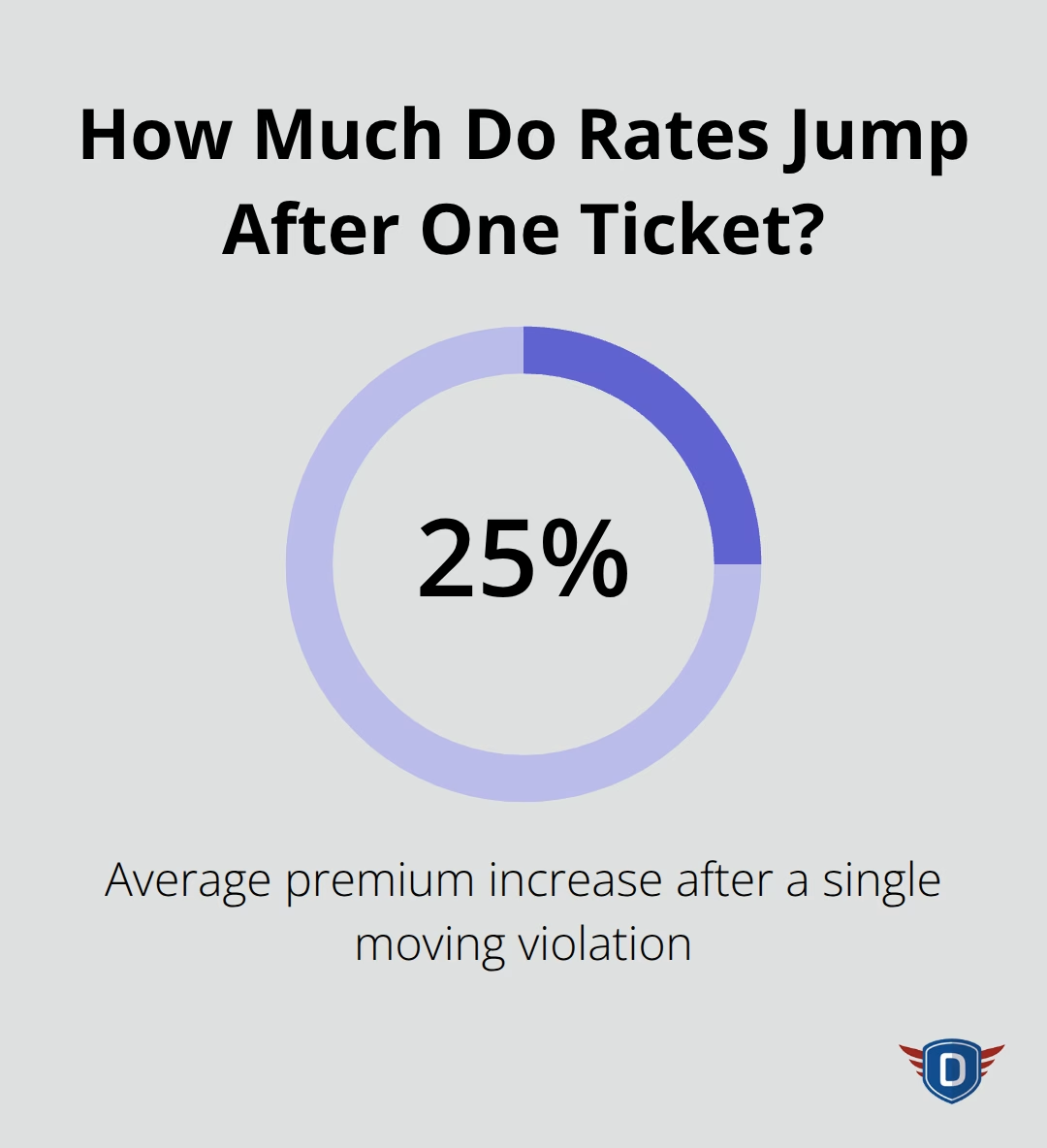
The real financial damage extends years beyond the ticket itself. A single moving violation raises your auto insurance premiums by about 25% on average. This means a speeding ticket can cost you significantly more when you combine the fine, court fees, and insurance increases over time.
Red Light and Stop Sign Violations
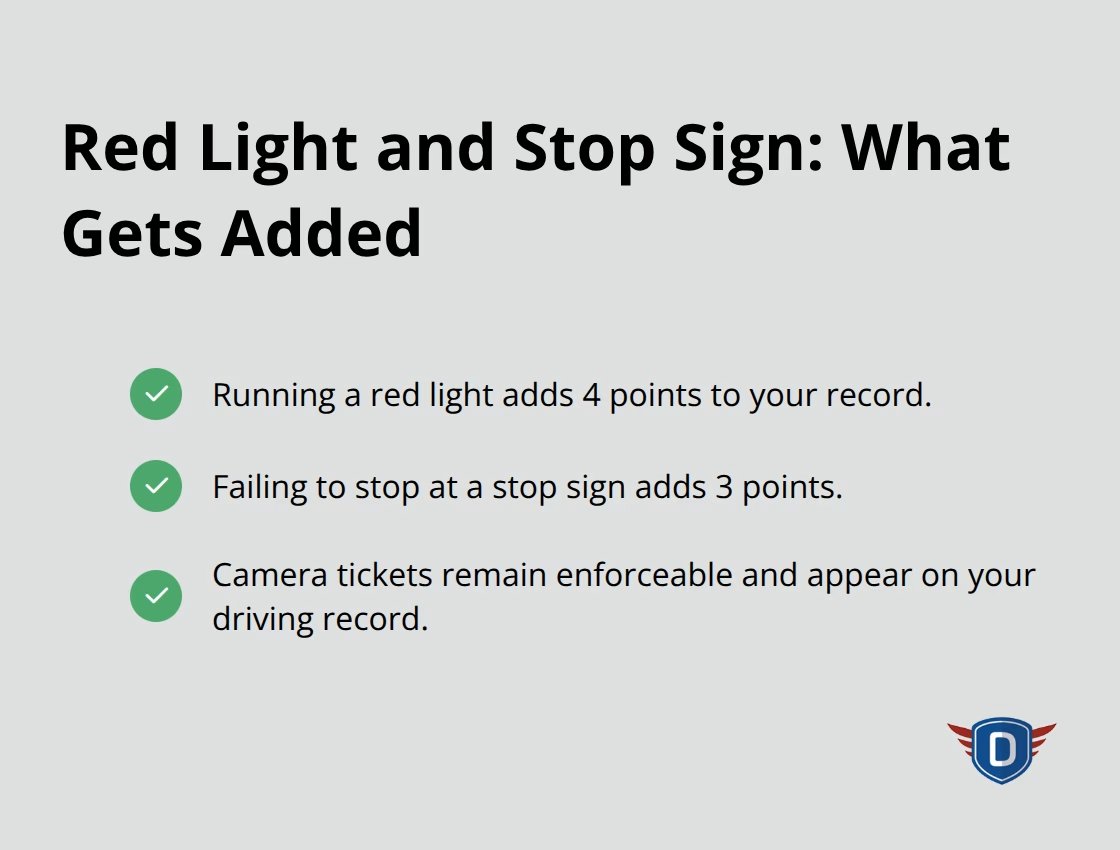
Red light violations cost $160 to $300 in fines plus court costs, and many Florida counties use automated camera systems that issue citations without officer involvement. Running a red light adds 4 points to your record, while failing to stop at a stop sign adds 3 points. Camera tickets remain enforceable and appear on your driving record despite the lack of direct officer observation-this actually creates a defense opportunity if you can challenge the camera’s accuracy or the light timing.
Stop sign violations carry particular weight because they demonstrate failure to yield, a behavior that insurance companies view as aggressive or careless driving. These violations often trigger higher premium increases than speeding tickets alone.
Distracted Driving and Aggressive Driving Charges
Florida’s texting-while-driving law starts at $30 for a first offense and $60 for subsequent violations within five years. Distracted driving violations add 3 points to your record and signal to insurers that you pose a behavioral risk, often triggering rate increases comparable to moving violations. Aggressive driving charges-which include excessive honking, flashing headlights, cutting off other drivers, or tailgating-carry fines up to $500 and 4 points on your record.
These charges damage your defense position because they suggest intentional misconduct rather than a momentary lapse in judgment. Insurance companies penalize aggressive driving more severely, and these penalties persist for years. Understanding these costs makes the case for fighting a ticket clear-the expense of legal representation often pays for itself through avoided points and insurance increases.
How to Challenge a Traffic Ticket in Florida Court
Attack the Evidence, Not the Officer
Most Florida drivers assume a traffic ticket is final, but the citation itself is not proof of guilt. The officer’s word carries weight, yet it remains subject to challenge through specific defense angles that prosecutors and judges encounter regularly. The strongest defense in Florida traffic court hinges on attacking the reliability of evidence rather than making excuses.
Speed-measuring devices like radar and lidar require calibration and maintenance records to prove accuracy at the time of your violation. Florida law mandates that prosecutors produce these calibration documents, and their absence creates reasonable doubt about the speed measurement itself. Request the calibration records for the specific device used during your stop, and examine whether the officer followed proper procedures for using it.
Challenge Camera Evidence and Procedural Gaps
For red light and stop sign violations captured by automated cameras, challenge the camera’s accuracy and the timing of the light cycle. The burden of proof rests entirely on the state to demonstrate guilt beyond a reasonable doubt, meaning even technical gaps in their evidence can result in dismissal.
Procedural errors during the traffic stop offer viable defenses. Did the officer have a valid reason to pull you over? Was the stop conducted lawfully? Were your constitutional rights respected during the encounter? An officer who initiated a stop without probable cause or who violated proper procedures has compromised the entire citation. Examine the officer’s written report for inconsistencies with dash camera footage or your own account of events.
Identify Visibility and Observation Limits
Identify whether the officer actually observed your alleged violation or made assumptions based on limited visibility. Many officers cannot provide a perfect view of lane changes, speed adjustments, or traffic signal compliance depending on road conditions, vehicle positioning, and traffic volume. If the officer did not directly witness your alleged infraction or made conclusions based on incomplete information, this creates a legitimate defense argument.
The key is gathering evidence immediately after your ticket: photograph the scene, note road conditions, identify potential obstructions to the officer’s view, and document any signage issues (missing, obscured, or damaged signs strengthen your position). For distracted driving or aggressive driving charges, request the officer’s personal observations and dash camera footage that proves intentional misconduct rather than momentary distraction.
Build Your Defense Systematically
Most simple infractions become defensible when you systematically challenge each element of the prosecutor’s case rather than accepting the officer’s initial assertion. This methodical approach transforms a ticket from a foregone conclusion into a winnable case. Your next step involves understanding which defense strategy fits your specific violation and gathering the documentation that supports it.
What Happens After You Get a Ticket
Your 30-Day Decision Window
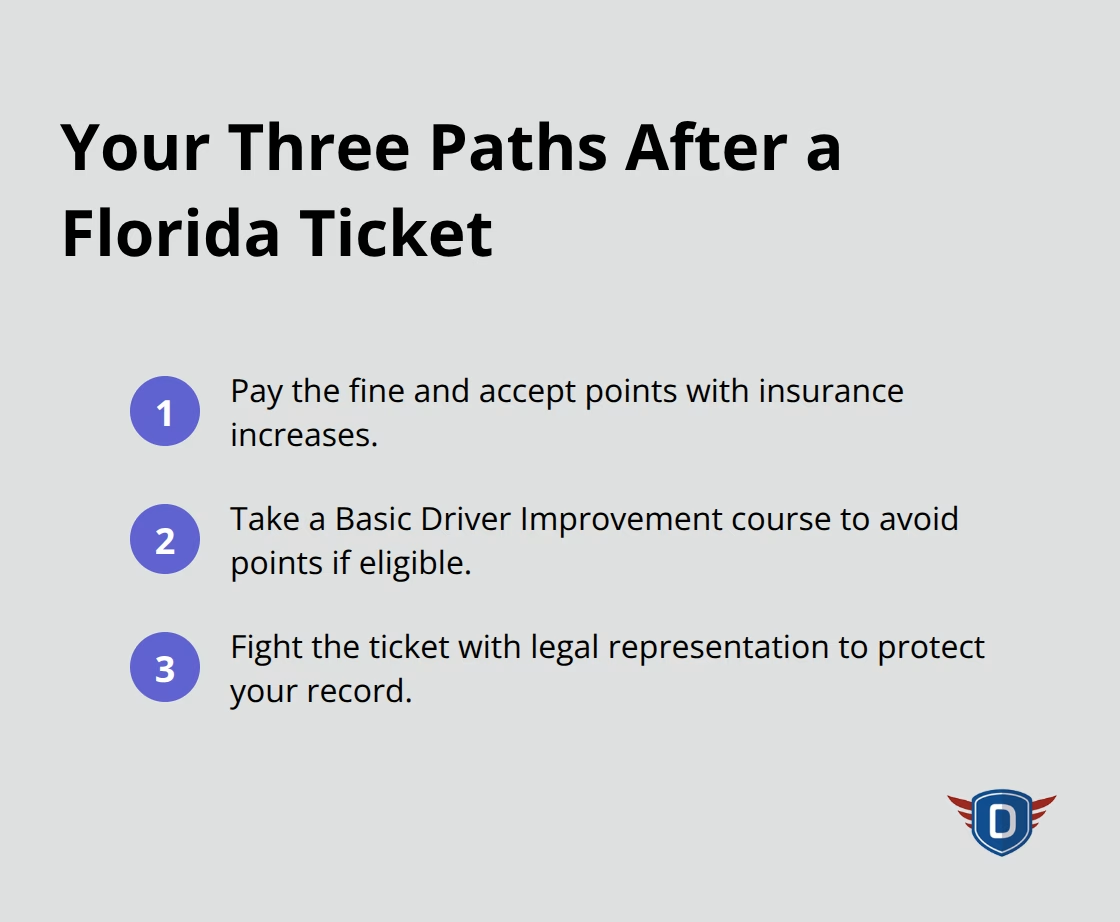
When you receive a traffic ticket in Florida, you face a critical decision within 30 days that shapes your financial and driving future. Most drivers see the fine amount and assume payment is their only option, but this thinking costs them thousands in unnecessary insurance increases over the next three to five years. You have three distinct paths forward, and your choice determines whether you protect your driving record or damage it permanently.
The True Cost of Paying the Fine
Paying the ticket outright seems simple but locks in an admission of guilt, adds points to your record, and triggers the insurance penalty cycle. A single moving violation raises your premiums by roughly 25 percent annually, meaning a $200 speeding ticket becomes a $1,500 or more expense when combined with increased insurance costs over three years. This math alone makes fighting or appealing the ticket worth serious consideration, especially when legal representation costs between $49 and $149 for many violations.
Traffic School as a Middle Ground
Attending traffic school through a Basic Driver Improvement course offers a middle-ground path that works if you meet specific eligibility requirements. Florida allows drivers to take a BDI course once every 12 months and up to eight times in a lifetime, and completing the course prevents points from being added to your driving record for that violation. The total cost typically runs $50 to $150 for court fees plus tuition, and you must finish within 60 to 90 days of receiving your ticket. This option makes sense for first-time offenders with clean records because it avoids points while keeping your insurance rates stable, though it does not eliminate the fine you owe. At DriverEducators.com, our Florida-approved BDI courses help drivers reduce points and meet court requirements through clear instruction and flexible online access.
Fighting the Ticket with Legal Representation
Fighting the ticket in court with legal representation remains the strongest option if you have legitimate defense grounds based on the strategies outlined earlier. A traffic ticket attorney can challenge equipment calibration records, procedural errors, or officer observations that undermine the prosecution’s case. Many firms offer free case evaluations and 24/7 availability across multiple Florida cities, allowing you to understand your specific defense options before committing to representation. Hiring an attorney means you typically do not appear in court, avoid points on your record for civil infractions, and prevent the long-term insurance damage that follows a conviction. The key is acting within that 30-day window and gathering evidence immediately-photographs of the violation scene, dash camera footage if available, and documentation of any signage or visibility issues that support your defense.
Final Thoughts
A traffic ticket in Florida doesn’t have to derail your driving record or drain your wallet. You’ve learned that speeding, red light violations, and distracted driving charges carry real financial consequences-not just the fine, but years of increased insurance premiums and points that threaten your license. The critical insight is that most tickets are defensible when you challenge equipment calibration, procedural errors, or the officer’s observations rather than accepting the citation as final.
Your 30-day window after receiving a ticket is your only opportunity to act. Paying the fine locks in guilt and triggers the insurance penalty cycle. Fighting the ticket with legal representation offers the strongest protection for your driving record, especially when you gather evidence immediately-photographs of the scene, dash camera footage, and documentation of visibility issues that support your defense.
Traffic ticket defense Florida succeeds when you move quickly and systematically. Contact a traffic attorney within days of your citation to evaluate your specific violation and defense options, and many firms offer free consultations and handle representation without requiring you to appear in court. At DriverEducators.com, our Florida-approved traffic school courses help drivers understand safe driving laws and defensive techniques to protect your future on Florida’s roads.