Most drivers think they know traffic laws until they face a tricky intersection or an unexpected road situation. The truth is, gaps in your knowledge can cost you-literally, through fines and accidents.
Traffic laws quiz practice isn’t just for test prep. At DriverEducators.com, we’ve seen firsthand how regular practice builds the muscle memory that keeps you safe behind the wheel.
Why Traffic Laws Matter
The Cost of Knowledge Gaps
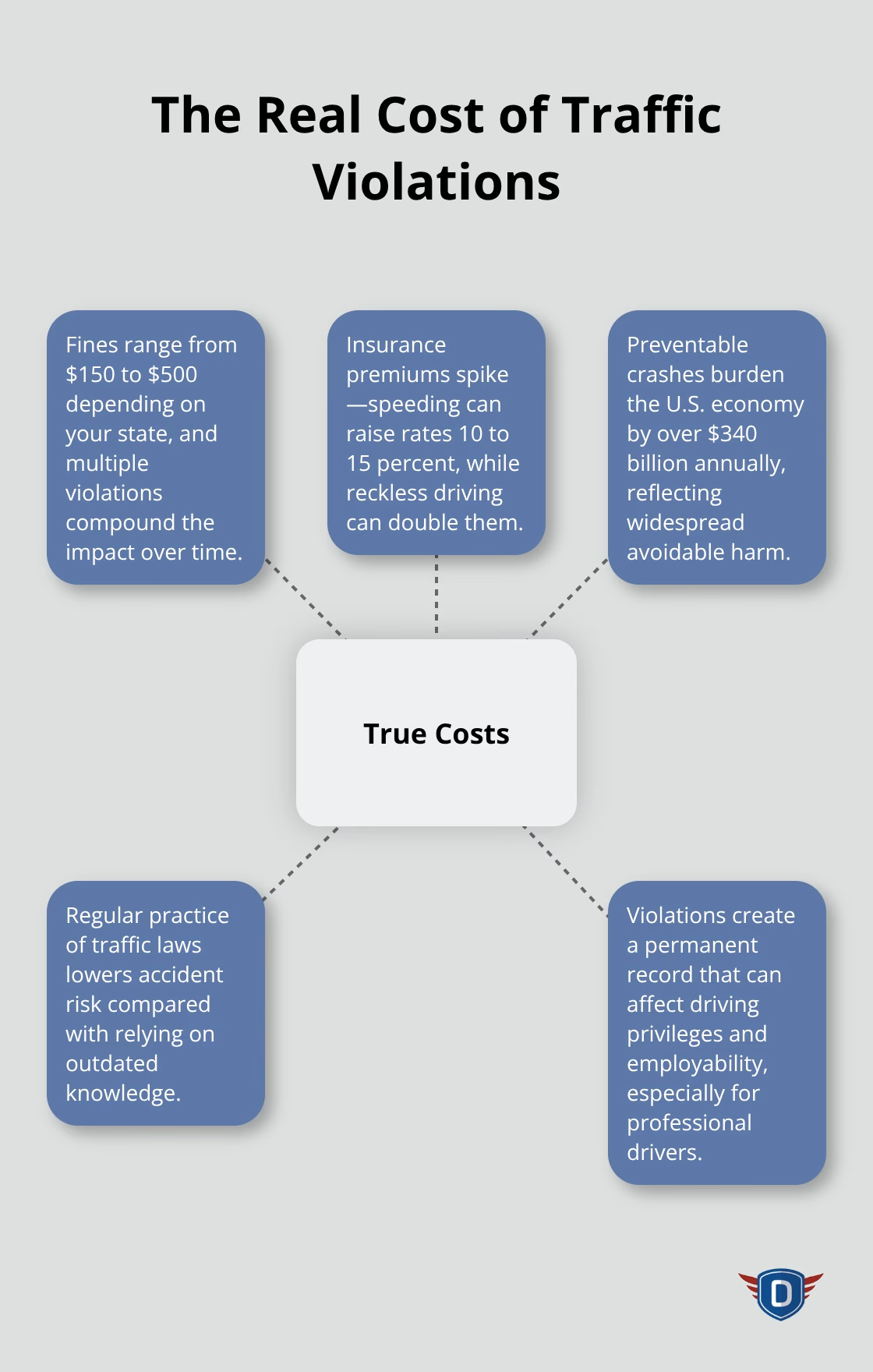
One in five drivers would fail a written driver’s test today, according to national surveys. That statistic reveals a widespread problem that puts lives at risk every single day. When drivers don’t understand right-of-way rules at intersections, safe following distances, or speed limit regulations in different zones, accidents follow. The National Highway Traffic Safety Administration reports that traffic violations directly correlate with crash frequency, and preventable accidents cost the U.S. economy over $340 billion annually. Drivers who regularly practice traffic laws reduce their accident risk substantially compared to those who rely on outdated knowledge. Fines add up fast too-a single violation costs $150 to $500 depending on your state, and multiple violations trigger insurance rate increases that compound over years. A speeding ticket alone raises your premium by 10 to 15 percent, while reckless driving violations can double your rates. Beyond the financial hit, traffic violations create a permanent record that affects your driving privileges and employability, especially if you drive professionally.
How Knowledge Builds Situational Awareness
The real power of traffic law knowledge lies in situational awareness. Understanding that a solid white line between lanes means traffic moves in the same direction and crossing is discouraged prevents unsafe lane changes. Knowing you must signal at least 100 feet before turning or changing lanes gives other drivers critical warning time. When you know that vehicles on the highway have the right of way during merging, you adjust your speed appropriately instead of forcing your way onto the road. These aren’t theoretical concepts-they’re the specific behaviors that keep you, your passengers, and everyone around you alive.
Why Repetition Matters More Than Reading
Drivers who practice traffic laws regularly build the confidence to handle unexpected situations without hesitation, whether that’s yielding to cyclists in bike lanes or stopping completely at a blinking red light. The muscle memory develops through repetition, not through reading a handbook once. Regular quiz practice exposes you to the exact wording and tricky scenarios that appear on real tests, so when you face a genuine intersection dilemma, your brain recognizes the pattern and responds correctly. This is where targeted practice becomes your advantage-the more scenarios you encounter in a low-stakes environment, the faster and more accurately you’ll react when it matters most.
How to Practice Traffic Laws Effectively
Online Platforms Make Practice Accessible
Online quiz platforms eliminate the friction that stops most drivers from practicing traffic laws regularly. You don’t need to carve out two hours on a Saturday afternoon or dig through a handbook-you can take a five-minute quiz during your lunch break or while waiting for an appointment. Platforms offering 650+ exam-like questions with real test wording expose you to the exact scenarios you’ll face on the actual test. This familiarity matters because when you’ve already seen a question about right-of-way at a four-way stop phrased three different ways, the real test question feels like a repeat instead of a surprise.
Build Competence Through Short, Frequent Sessions
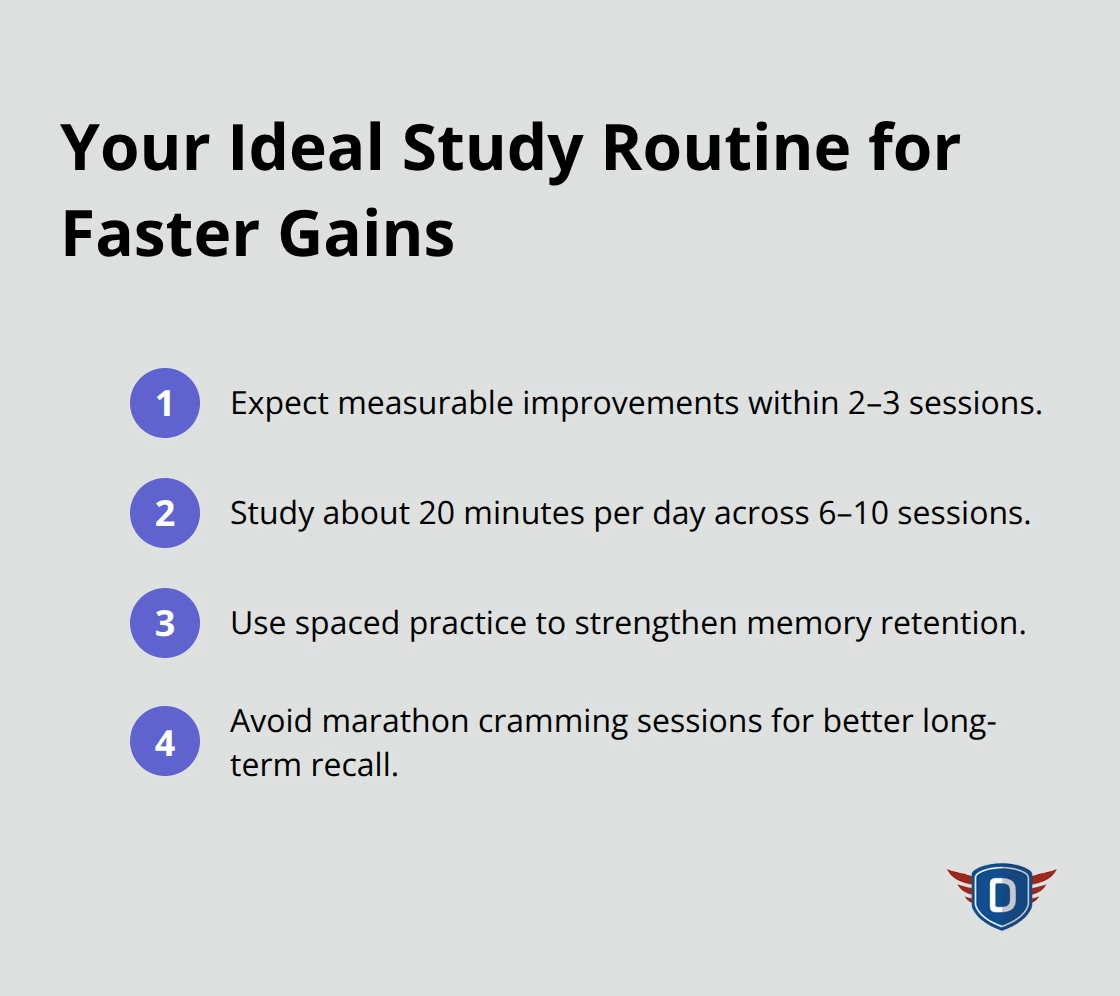
Most users see measurable score improvements within two to three sessions, which means you don’t need weeks of grinding to build competence. The best approach involves short, frequent sessions-about 20 minutes per day across six to ten sessions-rather than one marathon study day. This spacing effect forces your brain to retrieve information multiple times, which strengthens memory far more than cramming does. Your brain retains what you practice repeatedly in small doses, not what you cram all at once.
Target Your Weak Spots for Faster Results
Targeting your weak spots transforms practice from busywork into actual skill development. After each quiz session, analytics should show exactly which topics trip you up-whether that’s safe following distance requirements, speed limit regulations in different zones, or merging rules on highways. Rather than redoing questions you already know, focus the next session entirely on those problem areas until you consistently answer them correctly. This focused approach cuts your study time in half compared to reviewing everything equally.
Master Problem Areas Through Retesting
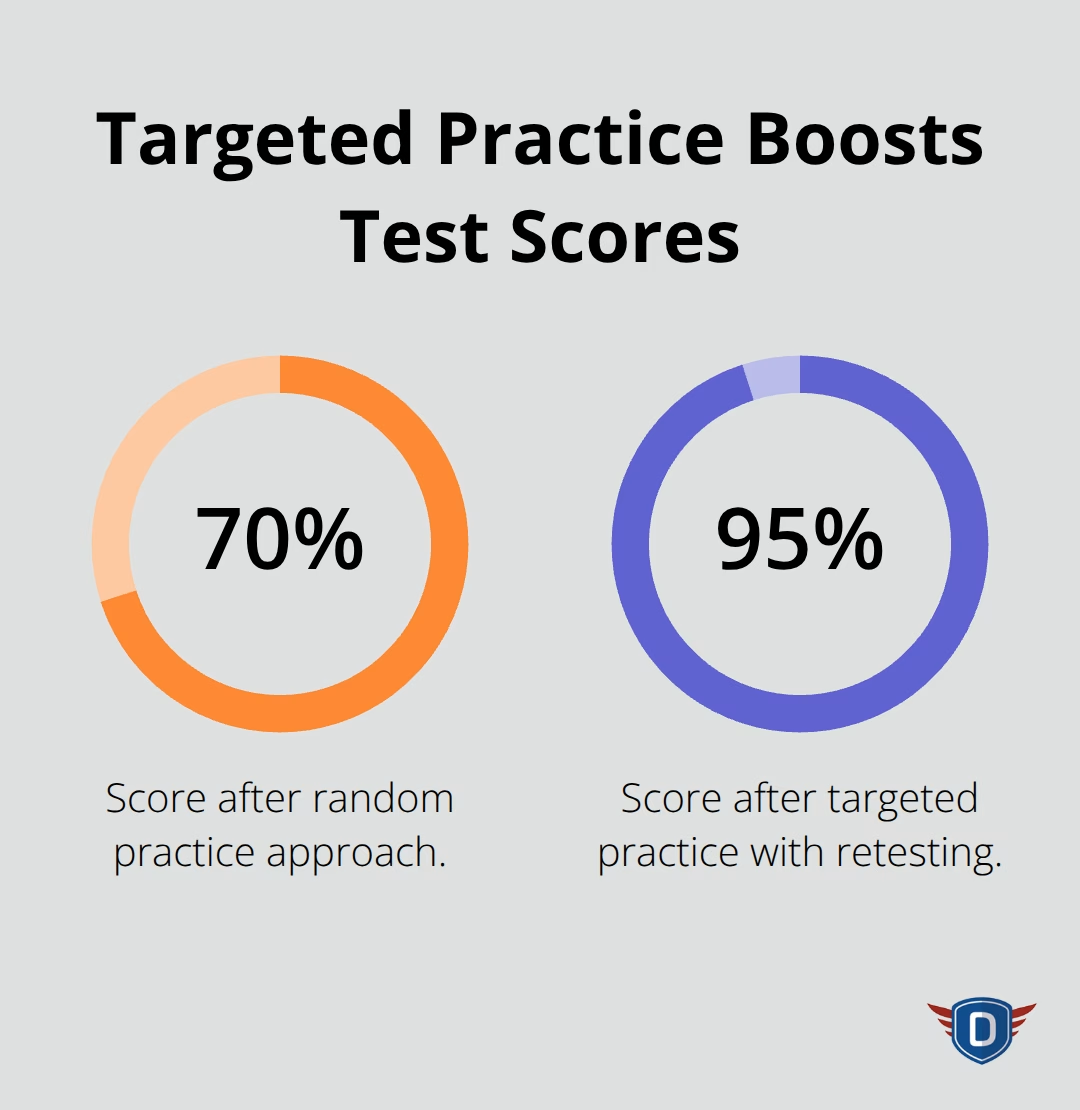
The difference between a driver who scores 70 percent after random practice and one who scores 95 percent after targeted practice isn’t intelligence-it’s strategy. One person studied everything; the other person studied what actually mattered for their performance. Retesting yourself on missed questions until you master every topic is how confidence actually builds.
When you repeatedly answer the same question correctly across multiple sessions, your brain locks in that knowledge permanently.
Move From Practice to Real-World Readiness
Your quiz performance directly predicts how you’ll handle actual road situations. A driver who practices right-of-way rules at intersections, safe following distance, and speed limit regulations develops the pattern recognition needed to react correctly when facing a genuine intersection dilemma. The scenarios you encounter in a low-stakes quiz environment train your brain to recognize patterns and respond appropriately when it matters most on the road.
Common Traffic Law Mistakes That Cost Drivers
Right-of-Way Rules at Intersections
Intersection right-of-way rules trip up more drivers than any other traffic law category. At a four-way stop, the vehicle to the right has the right of way, but if two vehicles arrive simultaneously and both travel straight, the straight-going vehicle has priority over the left-turning vehicle. This specific scenario appears constantly on practice tests and real roads, yet drivers second-guess themselves or freeze when facing it. The National Highway Traffic Safety Administration emphasizes hand positioning at 9 and 3 on the steering wheel to reduce injury risk if an airbag deploys, but this basic safety standard remains unknown to many drivers who learned years ago. When you turn right across a bike lane, you must yield to cyclists in the bike lane and avoid entering it unless you’re actually turning or parking, yet countless drivers treat bike lanes as optional buffer zones. A single intersection mistake costs $150 to $500 in fines, raises your insurance by 10 to 15 percent, and creates a permanent record affecting employment opportunities.
Safe Following Distance Misconceptions
Safe following distance gets mangled by drivers who confuse the rule or underestimate actual stopping time. You must maintain enough distance to stop safely if the vehicle ahead brakes suddenly, which means at highway speeds you need roughly one car length per 10 miles per hour of speed. A driver traveling 60 miles per hour should maintain six car lengths of distance, yet most drivers maintain two to three, creating rear-end collision risk. This gap between what drivers know and what they practice on the road explains why rear-end collisions remain one of the most common accident types. Learning defensive driving techniques helps you anticipate hazards and maintain proper spacing before emergencies occur.
Speed Limit Regulations Across Different Zones
Speed limit regulations vary dramatically by zone-residential areas typically cap at 25 miles per hour, school zones at 20 miles per hour, and highways at 55 to 75 miles per hour depending on your state-but drivers memorize one number and apply it everywhere. Driving over the speed limit remains the most common moving violation, yet many drivers underestimate its consequences. When you pass on a two-lane road, you must return to your lane before coming within 200 feet of oncoming traffic, a measurement most drivers underestimate visually. At a blinking red light, you must come to a complete stop and proceed only when the intersection is clear, yet drivers often treat it like a yield sign. These distinctions separate safe driving from collision risk, and practice tests with 650+ exam-like questions expose you to how these rules actually appear on real exams.
Final Thoughts
Consistent traffic laws quiz practice transforms how you drive. Every session you complete builds pattern recognition that keeps you safer on real roads. When you practice right-of-way rules at intersections, safe following distances, and speed limit regulations across different zones, your brain stops second-guessing and starts responding correctly. The drivers who pass their tests on the first attempt and avoid accidents aren’t necessarily smarter-they simply practiced the scenarios that matter most until they became automatic.
Start your traffic laws quiz practice today by visiting DriverEducators.com to explore courses designed for your specific situation. Whether you need to reduce points, meet court requirements, or simply become a safer driver, our self-paced programs let you study when it works for your schedule. Your next quiz session could be the one that locks in the knowledge preventing your next accident.