Getting a traffic citation can feel overwhelming, but understanding the traffic citation steps makes the process manageable. We at DriverEducators.com know that most drivers don’t know their rights or what happens next after being pulled over.
This guide walks you through each stage, from the moment you receive a ticket to your options for resolving it. You’ll learn how to protect your driving record and avoid costly mistakes.
Understanding Traffic Citations and Your Rights
What a Traffic Violation Actually Means for You
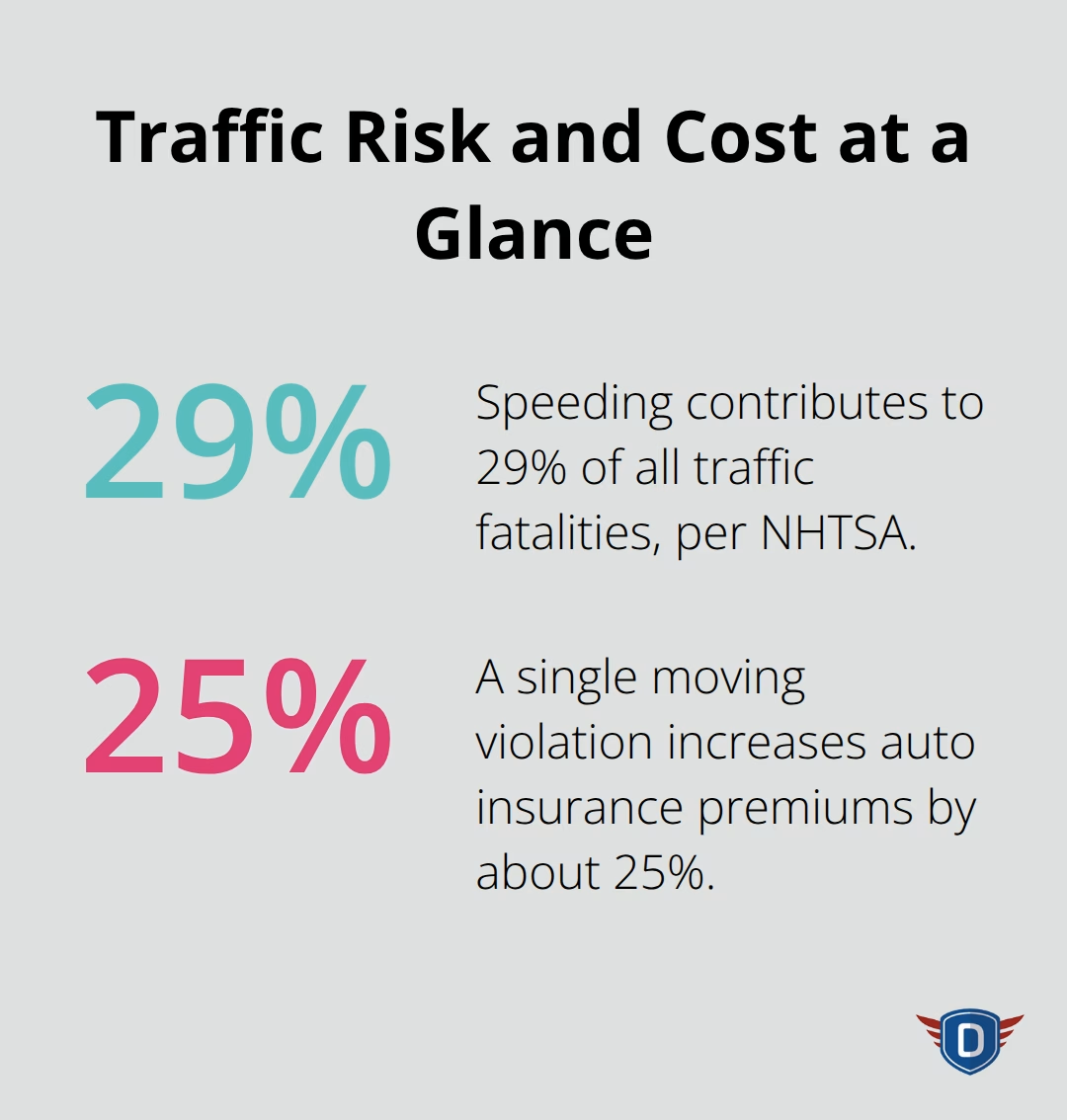
A traffic violation isn’t just a fine or points on your record-it’s a legal charge that carries real consequences. The most common violations include speeding, running red lights, improper lane changes, following too closely, and distracted driving. Each violation falls into one of two categories: moving violations, which occur while driving, and non-moving violations, like expired registration or broken equipment. Moving violations damage your driving record and trigger insurance rate increases. According to the National Highway Traffic Safety Administration, speeding contributes to traffic fatalities in 29% of all traffic fatalities, which explains why officers prioritize enforcement. When you receive a citation, an officer formally accuses you of breaking a specific traffic law, and the ticket contains the exact statute code and violation details.
This distinction matters because it shapes your defense strategy and determines potential penalties.
Your Rights During and After the Stop
The moment an officer signals you to pull over, you have constitutional rights that protect you. You can remain silent, refuse searches of your vehicle without a warrant, and request legal representation. You must provide your driver’s license, vehicle registration, and proof of insurance, but you don’t have to answer questions about where you’re going or why. Many drivers don’t realize that what you say at the roadside becomes evidence the officer uses in court, so keeping responses brief and factual protects you. After the citation, you have the right to contest it in court, which is your strongest legal protection. You also have the right to review the officer’s notes, dashcam footage, and radar calibration records through discovery-a process that reveals evidence the prosecution holds. These tools are critical because officer testimony alone doesn’t convict you; judges need corroborating evidence. If the officer fails to appear at your hearing, many cases are dismissed automatically, which is why showing up matters even when you think the situation is straightforward.
How Points and Penalties Stack Up
Florida’s points system directly affects your wallet and driving privileges. A single moving violation adds 3 to 6 points to your record, depending on the offense. Accumulate 12 points within 12 months, and the Department of Highway Safety and Motor Vehicles suspends your license. That suspension means no legal driving for 30 days minimum, and repeat suspensions extend to 6 months or a year. Beyond suspension, points trigger insurance premium increases that compound over three years. A driver with one speeding ticket typically sees a 15% to 25% rate hike, according to insurance industry data. Multiple violations within a short period can double or triple your premiums. Traffic school courses can reduce points and sometimes prevent insurance increases entirely, but only if you complete them before your insurance company reports the violation. The clock matters here-most courts require you to complete traffic school within 60 days of your citation. Waiting longer means missing the window to protect your rates, which makes immediate action essential rather than optional.
Taking Action Immediately After Your Citation
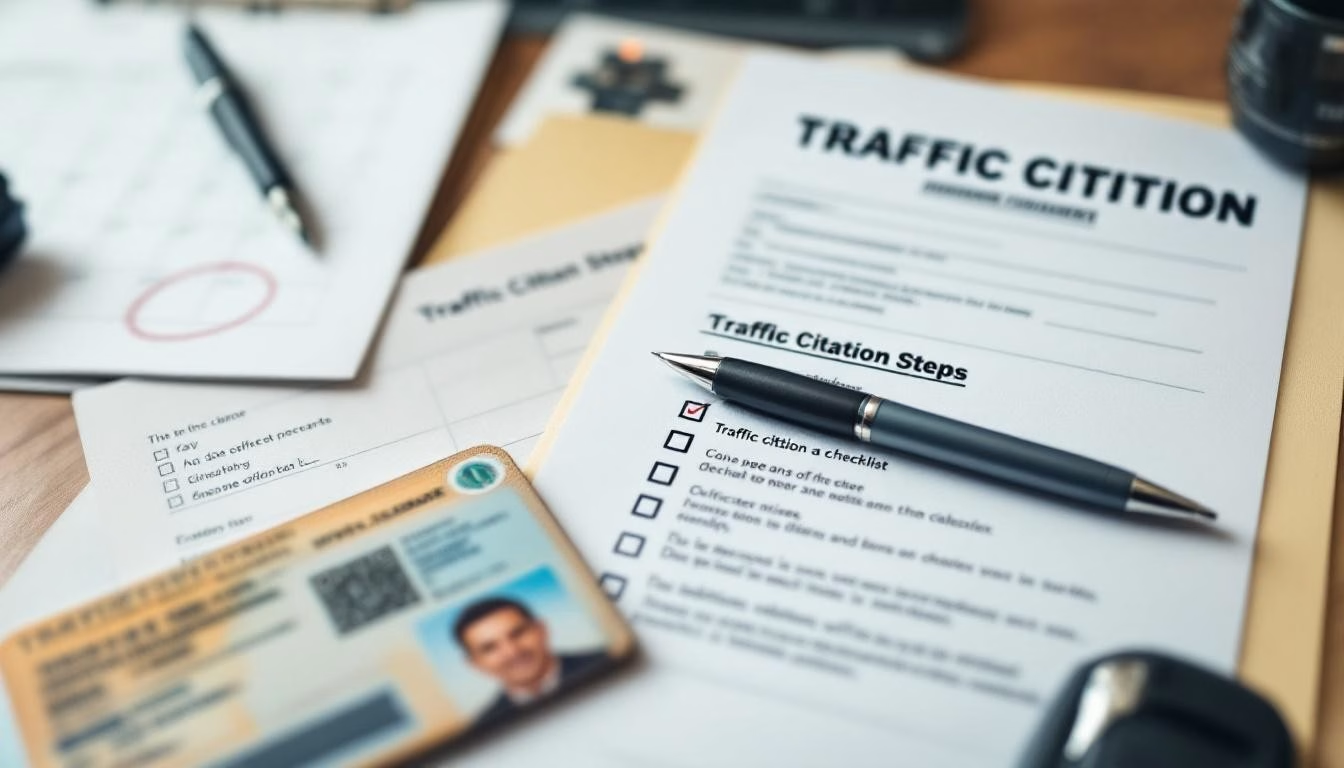
The hours and days after you receive a citation determine whether you can minimize damage to your record and insurance rates. Write down everything you remember about the stop: the exact location, weather conditions, road surface, visibility, and the officer’s behavior. These details support your defense if you contest the ticket. Check your citation for accuracy-verify your name, vehicle information, the violation code, and the court date. An error on the ticket can lead to dismissal, so don’t overlook this step. You have a deadline to respond (typically 30 days), and missing it results in automatic conviction and additional penalties. Contact the court listed on your citation to understand your options: pay the fine, contest the ticket, or attend traffic school. If you choose traffic school, confirm that your court allows it for your specific violation, as not all offenses qualify. Our Florida-approved traffic school programs at DriverEducators.com are designed to help you reduce points and meet court requirements, with flexible online courses that fit your schedule. The sooner you act, the sooner you protect your driving record and insurance rates.
What to Do in the First 48 Hours After Your Citation
Document Everything While It’s Fresh
The first two days after receiving a citation determine whether you minimize damage or compound the problem through inaction. Write down everything you remember about the stop while details remain sharp: the exact location and address, time of day, weather conditions, road surface quality, visibility, traffic volume, and the officer’s demeanor and statements. Note whether the officer seemed rushed, whether they used radar or visual estimation for speed, and whether they explained the violation clearly. These specifics form your defense foundation if you contest the ticket.
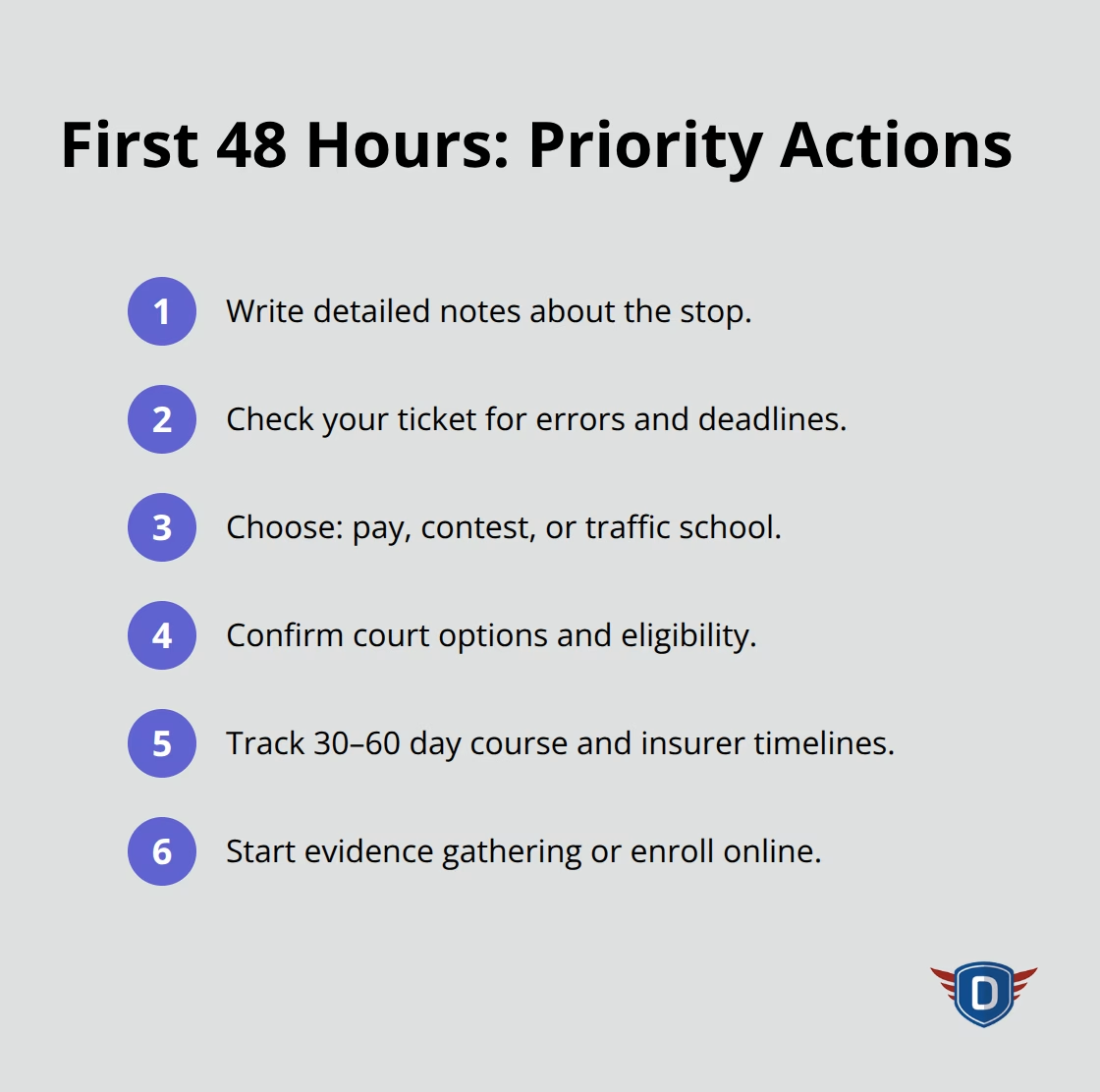
The more detailed your notes, the stronger your position in court.
Check Your Citation for Errors
Examine your citation immediately for errors in your name, driver’s license number, vehicle information, license plate, violation code, and court date. A single mistake can result in dismissal, so scrutinize every field on both sides of the ticket. The back of your citation lists your deadline to respond, typically 30 days from the issue date. Missing this deadline means automatic conviction, additional court costs, and a guarantee that points will be added to your record. Contact the court listed on your ticket within 24 hours to confirm the exact deadline and learn what response methods are available: online payment, mail, phone, or in-person appearance.
Choose Your Response Strategy
Your next critical step involves deciding your response strategy, and this choice shapes everything that follows. You have three paths: pay the fine and accept the conviction, contest the ticket in court, or attend traffic school if your violation qualifies. If you pay immediately, you admit guilt, points go on your record, and your insurance company will likely increase your rates within 30 to 60 days. If you contest the ticket, you must appear in court on the assigned date or request a hearing by mail or online, depending on your jurisdiction’s options. Contesting requires evidence and preparation, but it gives you a genuine chance at dismissal or reduction, especially if the officer fails to appear.
Understand Traffic School Requirements
If you choose traffic school, verify with the court that your specific violation qualifies for this option, as not all offenses do. Traffic school may prevent your car insurance rates from going up by keeping moving violations off your record. You must complete the course within the timeframe the court specifies, usually 60 days. Florida-approved traffic school programs satisfy court requirements and are completed fully online at your own pace. The sooner you decide on your response strategy, the sooner you can gather evidence or enroll in a course, which directly impacts whether you protect your driving record and insurance rates.
Move Forward With Your Next Steps
Your decision in these first 48 hours sets the trajectory for the weeks ahead. Whether you contest the ticket or pursue traffic school, immediate action prevents missed deadlines and protects your financial interests. The evidence you gather now, the errors you catch on your citation, and the response method you select all influence your outcome. With your strategy in place, you’re ready to take the specific actions that match your chosen path-whether that means preparing a defense or completing your court-approved course.
Should You Fight Your Ticket or Take Traffic School
Assess Your Defense and the Evidence
Deciding whether to contest your citation or enroll in traffic school depends entirely on your specific situation, the strength of your defense, and the financial impact you face. Fighting a ticket makes sense when you have legitimate grounds: the officer made an error on the citation, radar or speed-detection equipment wasn’t properly calibrated, weather or road conditions affected visibility, or you have witness statements that contradict the officer’s account. The National Highway Traffic Safety Administration reports that officer no-shows occur in roughly 25% to 50% of traffic cases, and when the officer doesn’t appear, judges typically dismiss the citation automatically. This reality alone justifies contesting tickets where the potential savings justify your time investment.
However, fighting a ticket requires preparation, evidence collection, and a court appearance or written submission. If you lack credible evidence or the violation is straightforward, contesting becomes a gamble that rarely pays off. Traffic school offers a guaranteed outcome: you complete an approved course, points are reduced or prevented from being added to your record, and your insurance company may not receive notice of the violation at all.
Calculate the Financial Impact
The financial calculation matters significantly here. A single moving violation increases insurance premiums by about 25% according to industry data. If you’re facing a $300 fine but looking at additional insurance costs over three years, investing time in contesting the ticket or completing traffic school becomes the smarter financial move. Traffic school works best when you want certainty, have limited time to prepare a defense, or recognize that the officer’s evidence is strong.
Prepare Evidence for Court
When you contest a ticket in court, bring evidence that directly challenges the violation. Photographs of the road where you were stopped, dashcam footage showing visibility and traffic conditions, witness statements with contact information, and radar calibration records all carry weight with judges. If you were cited for speeding, request the officer’s radar or LIDAR calibration records through discovery; equipment that hasn’t been calibrated within the required timeframe weakens the prosecution’s case significantly. For red-light violations, photos showing the traffic signal timing or weather conditions that affected visibility strengthen your defense. For following-too-closely citations, vehicle maintenance records proving your brakes function properly and road condition evidence support your argument.
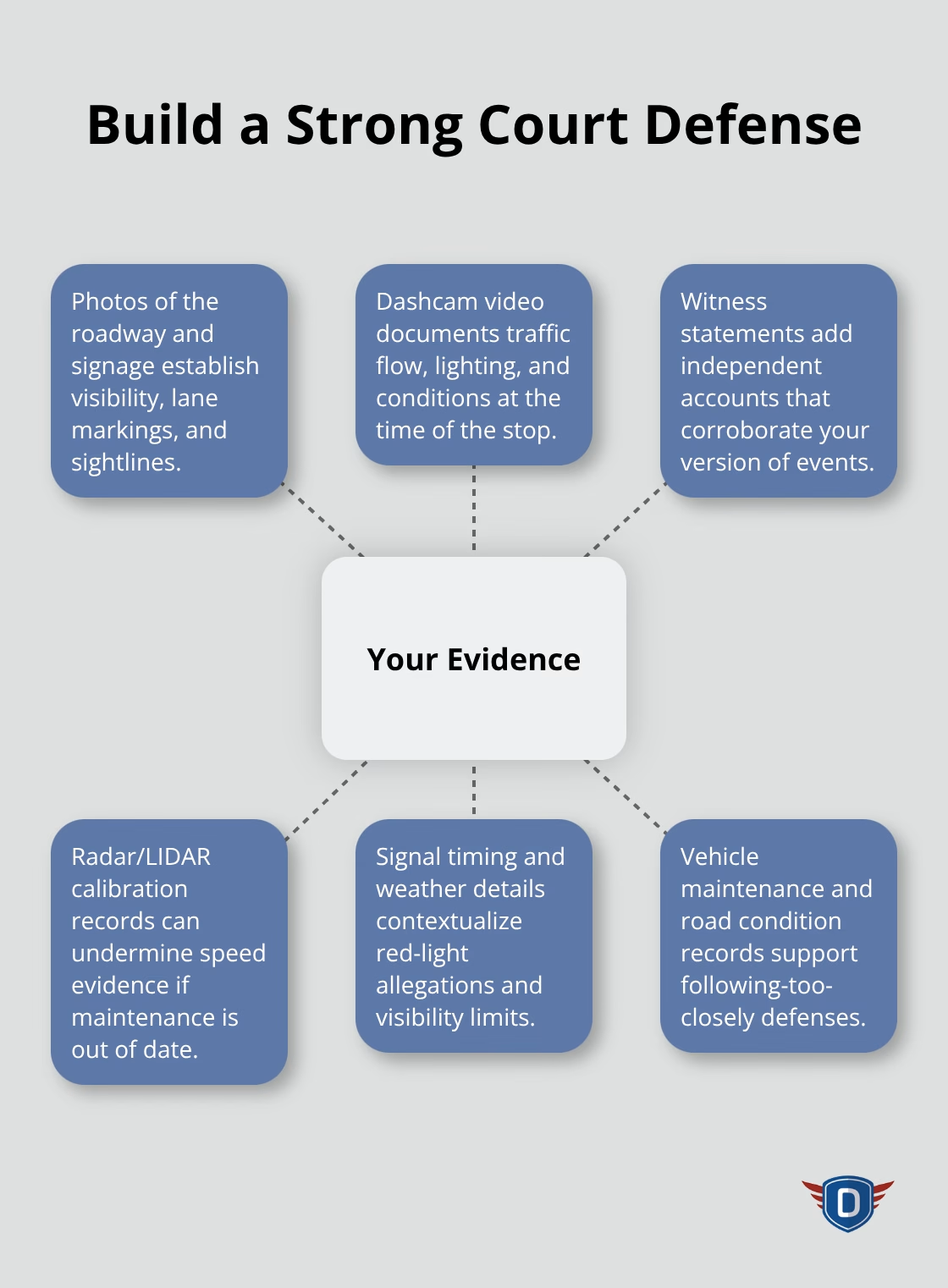
Present your evidence in a clear narrative that’s easy for the judge to follow, organizing documents chronologically and highlighting any discrepancies between the officer’s account and your evidence.
Attend Your Court Hearing
If you decide to contest, attend your court hearing on the assigned date, arrive early, dress professionally, and remain respectful throughout. Courts dismiss cases when officers fail to appear, but you must show up regardless to benefit from that possibility. If you lose, you can still request traffic school in some jurisdictions as a final mitigation step, though not all courts allow this option after a guilty verdict.
Choose Traffic School for Certainty
Traffic school without court involvement remains your safest option when you want to reduce points while avoiding the courtroom entirely. Florida-approved traffic school programs help drivers become safer and more responsible while meeting court requirements. Our Basic Driver Improvement course takes just 4 hours to complete online and directly addresses the point reduction your court requires, making it the fastest path to protecting your record when you want to avoid the uncertainty of court. Self-paced courses let you complete requirements on your schedule without the stress of legal proceedings.
Final Thoughts
Acting immediately after you receive a citation puts you in control of the outcome. The traffic citation steps you follow in those first 48 hours-documenting details, checking for errors, and selecting your response strategy-determine whether you protect your driving record and insurance rates or watch preventable costs accumulate. Safe driving habits remain your strongest defense against future violations, and defensive driving techniques reduce your risk of both citations and accidents simultaneously.
Completing a Florida-approved traffic school course through DriverEducators.com provides immediate relief when you need point reduction or court compliance. Our Basic Driver Improvement course takes just 4 hours to complete online and covers defensive driving techniques, Florida traffic laws, and the behavioral changes that prevent future violations. This course helps you demonstrate responsibility to the court while protecting your insurance rates from increases.
You now understand how to respond to citations, what evidence matters in court, and how traffic school protects your future on Florida roads. The traffic citation process becomes manageable when you take action immediately and choose the path that best serves your situation.