Getting your driver’s license in Florida means completing the TLSAE course overview first. This four-hour program covers traffic laws, substance abuse education, and defensive driving techniques that every new driver needs to know.
At DriverEducators.com, we’ve helped thousands of first-time drivers understand why this requirement matters and how it prepares them for safe driving on Florida roads.
Why Florida Mandates TLSAE for New Drivers
The Crash Data Behind the Requirement
Florida’s TLSAE requirement isn’t bureaucratic red tape-it’s a direct response to crash data and driver behavior patterns. The state mandates this four-hour course because first-time drivers aged 15 to 18 represent a disproportionately high-risk group on Florida roads. According to the Florida Department of Highway Safety and Motor Vehicles, teen drivers experience more crashes per mile driven than any other age group, making pre-licensing education essential before they operate a vehicle independently.
What TLSAE Actually Teaches
The Traffic Law and Substance Abuse Education program covers four critical areas that directly impact your ability to avoid crashes and violations. You’ll learn Florida’s specific traffic laws, road sign meanings, and right-of-way rules that vary from state to state. The substance abuse section addresses impaired driving prevention, explaining how alcohol and drugs affect reaction time, judgment, and vehicle control. Defensive driving techniques teach you to recognize hazards before they become emergencies-spotting distracted drivers, anticipating sudden stops, and maintaining safe following distances. The decision-making component focuses on how attitude and behavior influence your choices behind the wheel (from aggressive driving tendencies to peer pressure situations).
How TLSAE Fits Into Florida’s Licensing Sequence
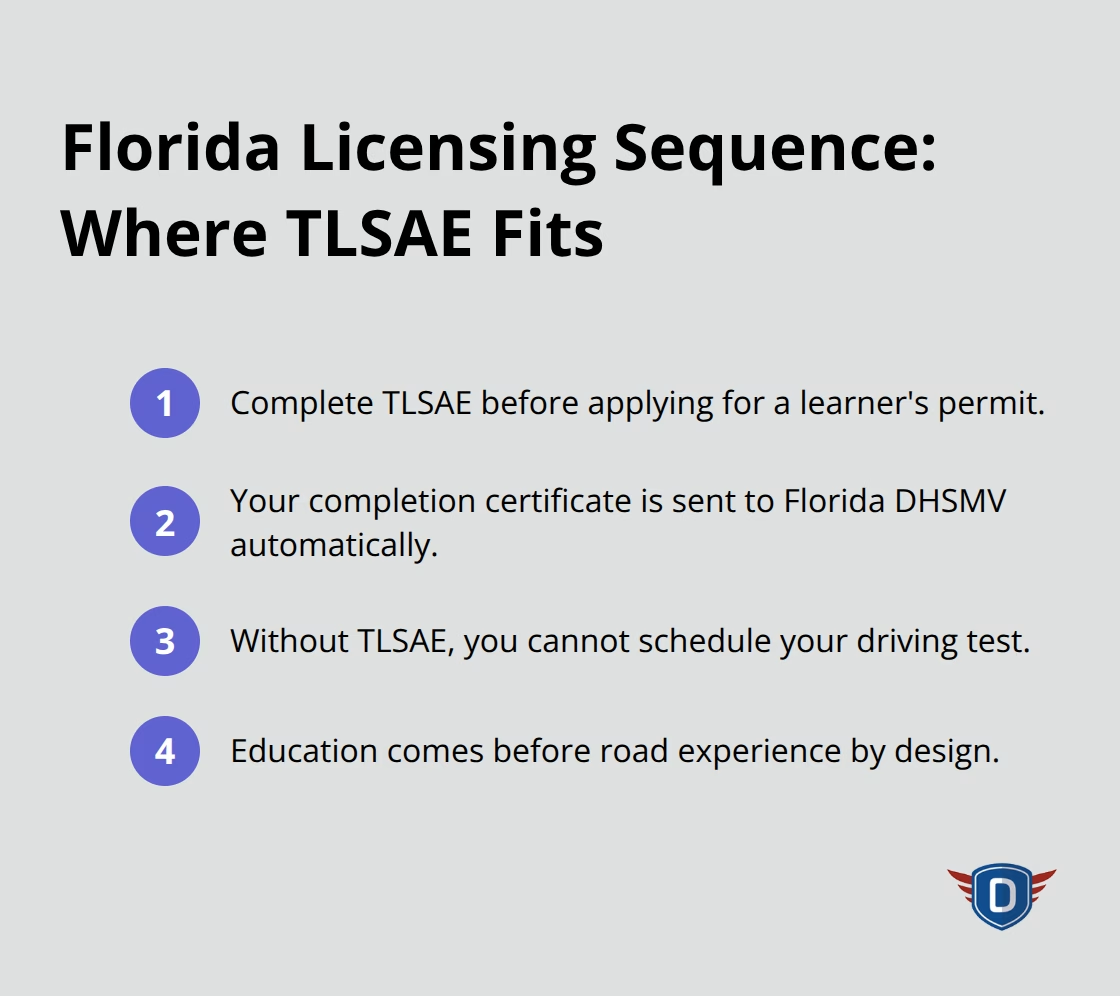
TLSAE sits at the front of Florida’s licensing process because the state recognizes that foundational knowledge prevents crashes before bad habits form. You cannot obtain a learner’s permit without completing this course, making it the mandatory first step. The course completion certificate goes directly to the Florida Department of Highway Safety and Motor Vehicles, and without it, you cannot schedule your driving test. This sequencing isn’t arbitrary-Florida prioritizes education before road experience, ensuring you understand traffic laws and crash prevention before handling a vehicle independently on public roads (which is why the course comes before your permit, not after).
Understanding what TLSAE covers is one thing; knowing how it actually prepares you for the road is another. The next section explores the practical skills and knowledge you gain from this program and how they translate into safer driving decisions.
What You’ll Actually Learn in TLSAE
Traffic Laws and Road Signs
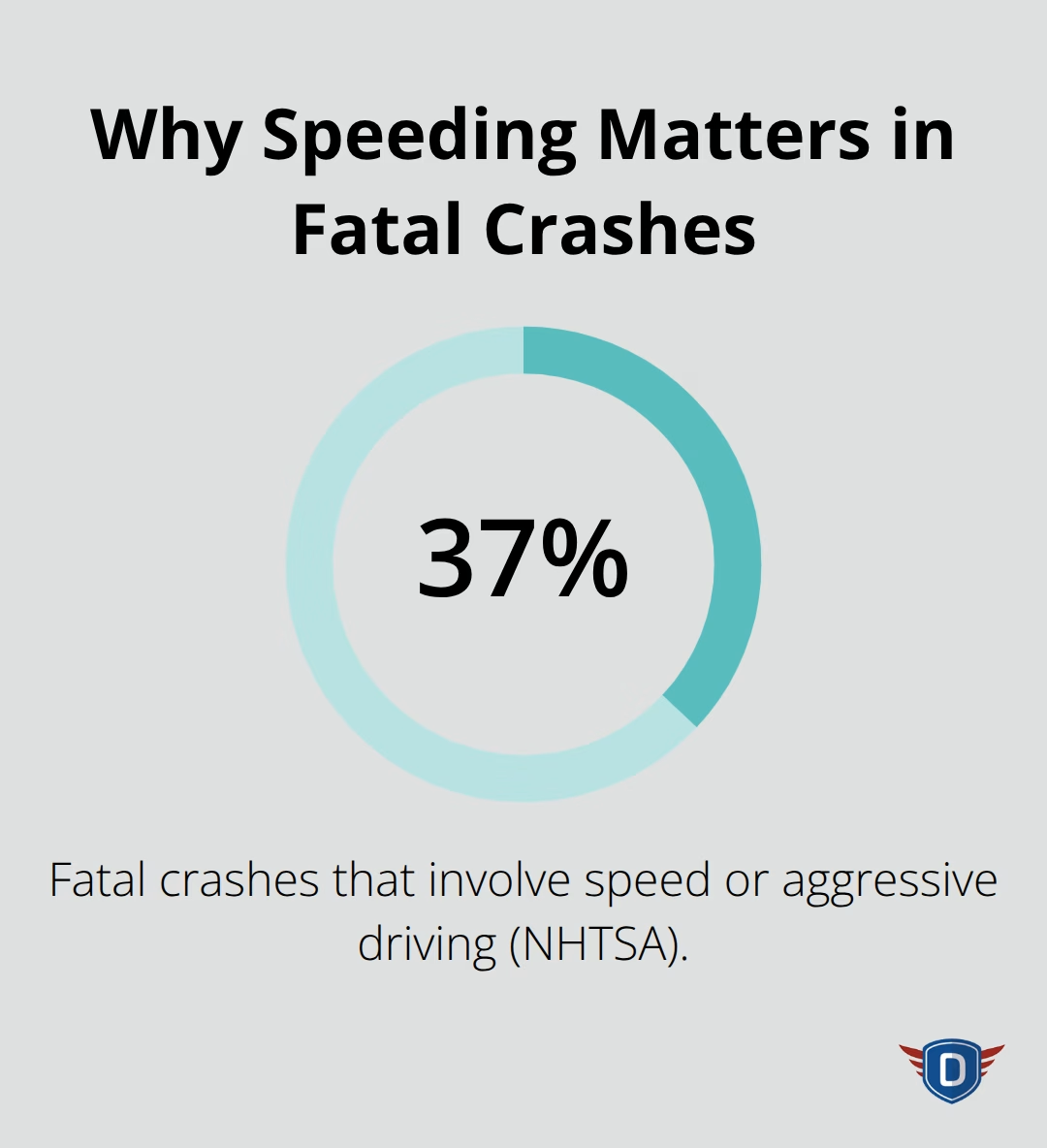
Florida’s TLSAE course covers four interconnected areas that work together to shape how you drive. Traffic laws form the foundation-you’ll learn Florida’s specific speed limits, right-of-way rules, and sign meanings that differ from other states. The National Highway Traffic Safety Administration reports that 37% of fatal crashes involve speed or aggressive driving, which is why understanding Florida’s traffic code matters before you hit the road.
Substance Abuse Education and Impairment Effects
The substance abuse section isn’t just about saying no to alcohol; it explains the measurable effects of impairment on your driving. A single drink reduces your reaction time, and that delay translates directly to crash risk when you operate a vehicle. You’ll recognize the warning signs in other drivers and make informed decisions about your own driving.
Defensive Driving and Hazard Recognition
Defensive driving techniques teach you to identify hazards in real time-recognizing distracted drivers, anticipating sudden braking, and maintaining proper following distances based on road conditions. You’ll learn that following distances increase in rain or fog, not just in theory but through specific calculations you can apply immediately. The course explains why aggressive driving costs money through insurance premiums and tickets, connecting behavior directly to financial consequences.
Decision-Making and Attitude Behind the Wheel
The decision-making component addresses how your attitude influences your choices, from resisting peer pressure to recognizing when fatigue or frustration affects your judgment behind the wheel. You’ll encounter actual driving scenarios within weeks of getting your permit, making every section relevant to your immediate driving future. Understanding how these four areas connect prepares you not just for your driving test, but for the real decisions you’ll face on Florida roads.
How TLSAE Translates to Real Driving Competence
Knowledge That Sticks Beyond the Test
The gap between passing a test and actually driving safely on Florida roads is where TLSAE proves its value. When you complete this four-hour course, you absorb facts that remain with you long after your exam ends-you build the specific knowledge and awareness that directly reduces your crash risk. The Florida Department of Highway Safety and Motor Vehicles designed TLSAE around measurable outcomes: first-time drivers who complete the program demonstrate better hazard recognition, faster decision-making in emergency situations, and significantly lower violation rates in their first year of independent driving.
Financial Consequences That Change Behavior
The course forces you to connect abstract traffic laws to real consequences. You learn that speeding in a school zone isn’t just a violation; it’s a serious offense that affects your insurance rates and driving record. Understanding this financial impact before you get behind the wheel changes behavior more effectively than any warning ever could.
Recognizing Hazards in Other Drivers
TLSAE’s substance abuse section teaches you to recognize impairment markers in other drivers-weaving between lanes, delayed braking, inconsistent speed-so you can adjust your driving or report hazardous drivers to law enforcement. You spot these warning signs in real time and respond accordingly, rather than reacting after a dangerous situation develops.
Actionable Skills for Your First Drive
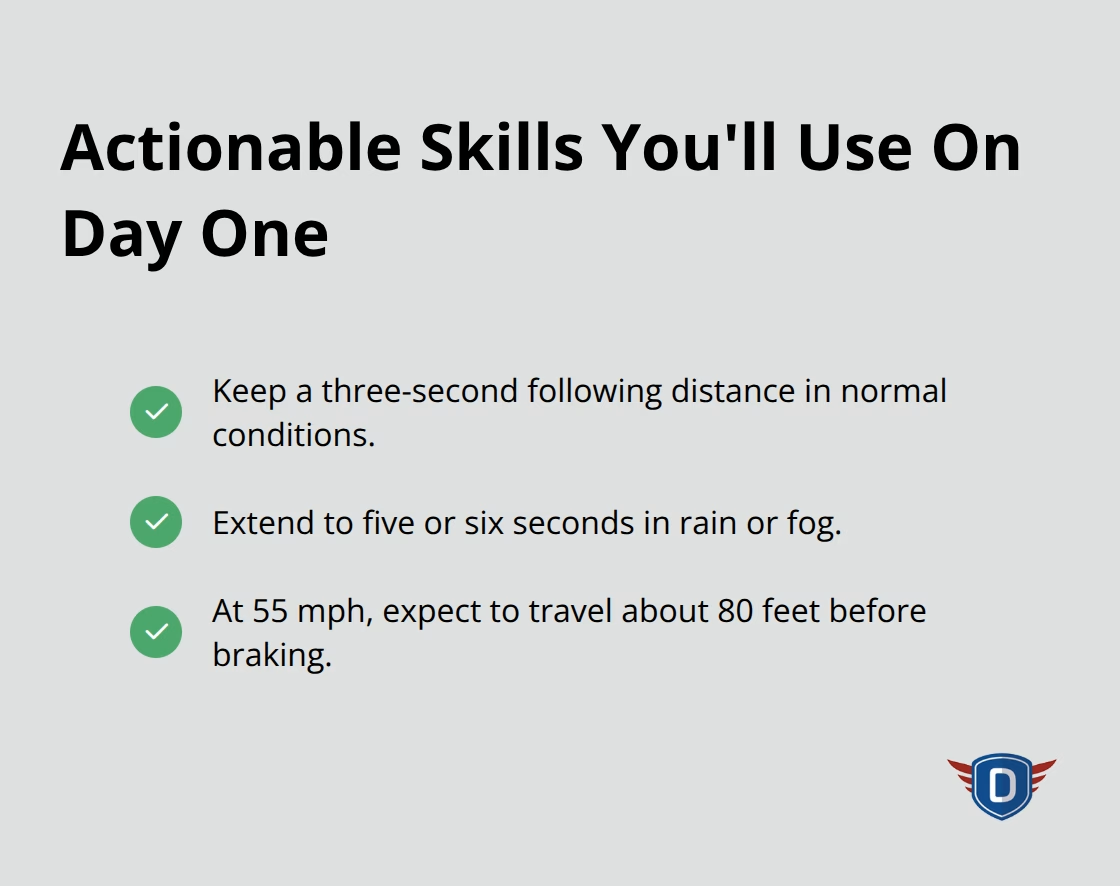
The defensive driving techniques section gives you specific, actionable skills: maintain a three-second following distance in normal conditions, increase it to five or six seconds in rain or fog, and recognize that your reaction time at 55 mph means you travel 80 feet before you even touch the brakes. These aren’t theoretical numbers; they’re calculations you apply on your first drive. The decision-making component addresses the scenarios you’ll face within weeks: peer pressure to speed, fatigue on longer drives, and frustration in traffic.
TLSAE presents these situations directly, forcing you to think through your response before emotion takes over behind the wheel. This foundational knowledge separates drivers who avoid crashes from those who become statistics.
Final Thoughts
TLSAE isn’t just a box to check before getting your Florida driver’s license. This four-hour course directly addresses the crash patterns that make teen drivers statistically vulnerable on Florida roads, and you walk away with specific knowledge about traffic laws, substance abuse effects, hazard recognition, and decision-making skills that reduce your crash risk from day one behind the wheel. First-time drivers who complete this program demonstrate better hazard recognition, faster emergency responses, and significantly lower violation rates in their first year of independent driving. You understand that speeding in a school zone affects your insurance rates, that a three-second following distance becomes five or six seconds in rain, and that recognizing impairment markers in other drivers keeps you safe.
The TLSAE course overview Florida requires forces you to think through real scenarios before emotion takes over behind the wheel. You consider peer pressure to speed, fatigue on longer drives, and frustration in traffic before you face them on the road. You know the financial consequences of violations and the practical calculations that prevent crashes-these aren’t theoretical concepts but actionable skills you apply immediately. This foundational knowledge separates drivers who avoid crashes from those who become statistics.
After TLSAE completion, your certificate goes directly to the Florida Department of Highway Safety and Motor Vehicles, and you move forward with your path to a learner’s permit and eventually your driving test. At DriverEducators.com, we help drivers develop lifelong safe driving habits through clear explanations and real-life driving scenarios that make driver education effective and practical. Whether you’re completing TLSAE or seeking additional training, we support your journey toward becoming a safer, more confident driver.