Getting your driver’s license in Florida means passing the TLSAE course first. This Traffic Law and Substance Abuse Education requirement isn’t optional-it’s a mandatory step every teen driver must complete before hitting the road legally.
At DriverEducators.com, we’ve helped thousands of teens understand TLSAE basics for teens and ace the test on their first try. This guide walks you through everything you need to know, from what the course covers to how to prepare effectively.
What TLSAE Actually Is and Why Florida Requires It
Understanding the TLSAE Requirement
TLSAE stands for Traffic Law and Substance Abuse Education, and it’s a mandatory 4-hour course that Florida requires before you can get your driver’s license if you’re 18 or older. This isn’t a test you cram for and forget about-it’s foundational education that directly impacts how you drive. The course covers Florida traffic laws, how drugs and alcohol impair driving ability, DUI penalties, and defensive driving techniques. Florida’s Department of Highway Safety and Motor Vehicles designed TLSAE specifically because data shows that substance abuse and poor traffic law knowledge are leading factors in teen and young adult crashes. The course exists to change that reality by teaching you the actual consequences before you’re behind the wheel, not after you’ve made a dangerous mistake.
Why Florida Makes This Course Mandatory
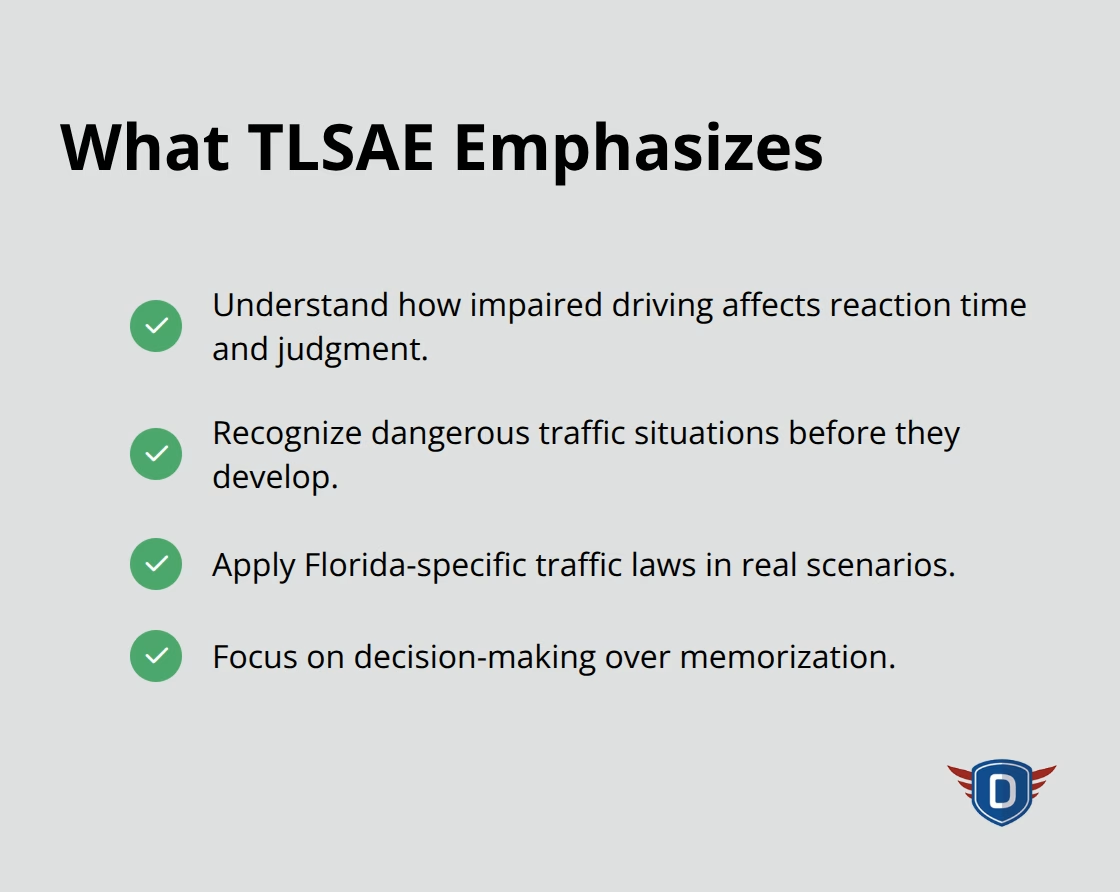
TLSAE fits into Florida’s graduated licensing system as a critical first checkpoint. You must complete it before you can even schedule your permit test, which means you can’t skip it or come back to it later. Many teens underestimate this requirement and think they can rush through it, but the course emphasizes real-world scenarios and decision-making, not just memorization. You need to understand how impaired driving affects your reaction time, how to recognize dangerous traffic situations, and what Florida’s specific traffic laws actually mean when you’re driving.
What to Expect From the Course Assessment
The course isn’t harder than the permit test itself, but it requires genuine attention because the final assessment tests your ability to apply knowledge to realistic driving situations. You’ll encounter questions that ask you to think through actual driving decisions, not just recall facts. This approach means you walk away with practical understanding instead of surface-level knowledge that fades after test day.
Choosing an Approved Provider
Complete TLSAE through an FLHSMV-approved provider like ASI, Too Cool Traffic School, or Traffic Safety Institute to ensure your completion is automatically reported to the state. Each provider offers the same core content but may differ in presentation style, cost, and scheduling options. Taking it seriously now means you start your driving life with actual knowledge instead of just a permit number, and you’re ready to move forward with the next steps in Florida’s licensing process.
What TLSAE Actually Teaches You
Traffic Laws That Shape Your Driving Decisions
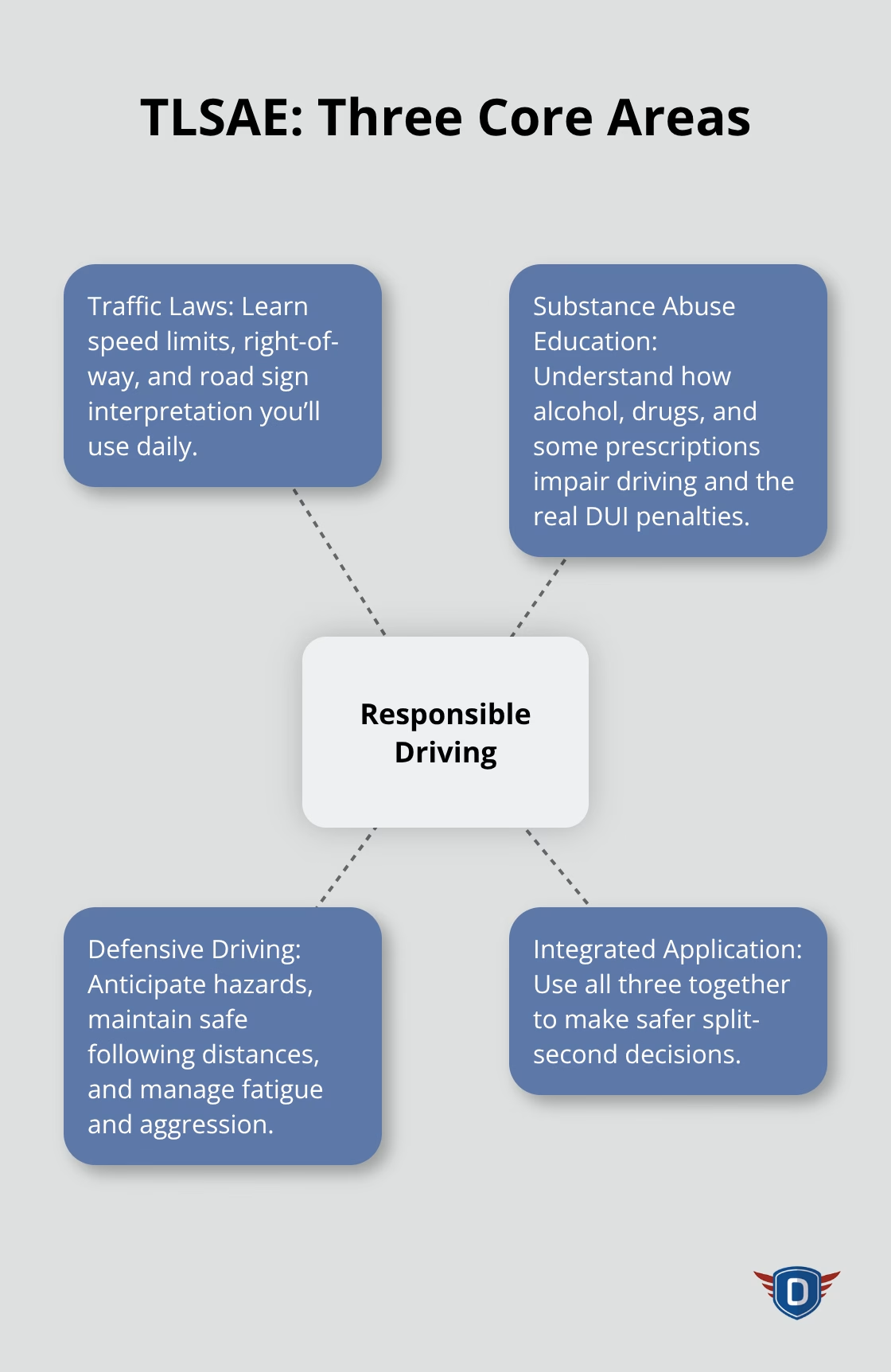
TLSAE covers three interconnected areas that directly shape how you make decisions behind the wheel. Florida traffic laws form the foundation-you learn specific speed limits for different road types, right-of-way rules at intersections, and how to interpret road signs in real situations. Improper speed and right-of-way violations account for a significant portion of teen crash causes, which is why TLSAE emphasizes applying these rules to actual driving scenarios rather than just memorizing definitions. You encounter questions asking what you should do at a four-way stop with another vehicle, how to yield properly at a roundabout, and when school zone speed limits apply. This practical approach means you understand the reasoning behind each rule, not just the rule itself.
Substance Abuse Education and Real Penalties
Substance abuse education forms the second major section, and this is where TLSAE gets serious about consequences. The course covers how drugs and alcohol impair your reaction time, judgment, and motor control at specific blood alcohol levels. Florida’s DUI penalties include license suspension and mandatory substance abuse education programs. The course shows you these exact penalties so you understand the real cost of impaired driving, not just abstract warnings. You learn that even small amounts of alcohol affect driving ability, that marijuana impairs reaction time similar to alcohol, and that prescription medications can be just as dangerous behind the wheel.
Defensive Driving as an Active Skill
Defensive driving techniques make up the third pillar, teaching you how to anticipate dangerous situations before they develop. This includes maintaining proper following distances, scanning the road ahead, recognizing aggressive drivers, and understanding how fatigue affects your driving performance. The course emphasizes that safe driving is an active skill requiring constant attention, not something that happens automatically once you pass a test. You develop the ability to spot hazards early and respond with confidence, which directly translates to safer decisions when you’re actually on the road.
How These Three Areas Connect
Traffic laws, substance abuse awareness, and defensive driving work together to create a complete picture of responsible driving. Understanding speed limits without knowing how to anticipate hazards leaves you unprepared for real situations. Knowing DUI penalties without understanding right-of-way rules won’t keep you safe at intersections. TLSAE ties these elements together so you can apply them simultaneously when you’re behind the wheel, making split-second decisions that protect yourself and others.
How to Actually Pass the TLSAE Test
Preparing for TLSAE requires a different approach than cramming for a typical school test. The course assessment tests your ability to apply traffic laws and substance abuse knowledge to real driving situations, not regurgitate memorized facts. Set aside dedicated, distraction-free study time and take notes on key concepts as you work through the course material. Many approved providers offer practice questions and quizzes built into their platform, which you should treat as seriously as the final assessment itself.
Use Practice Tests to Identify Weak Areas
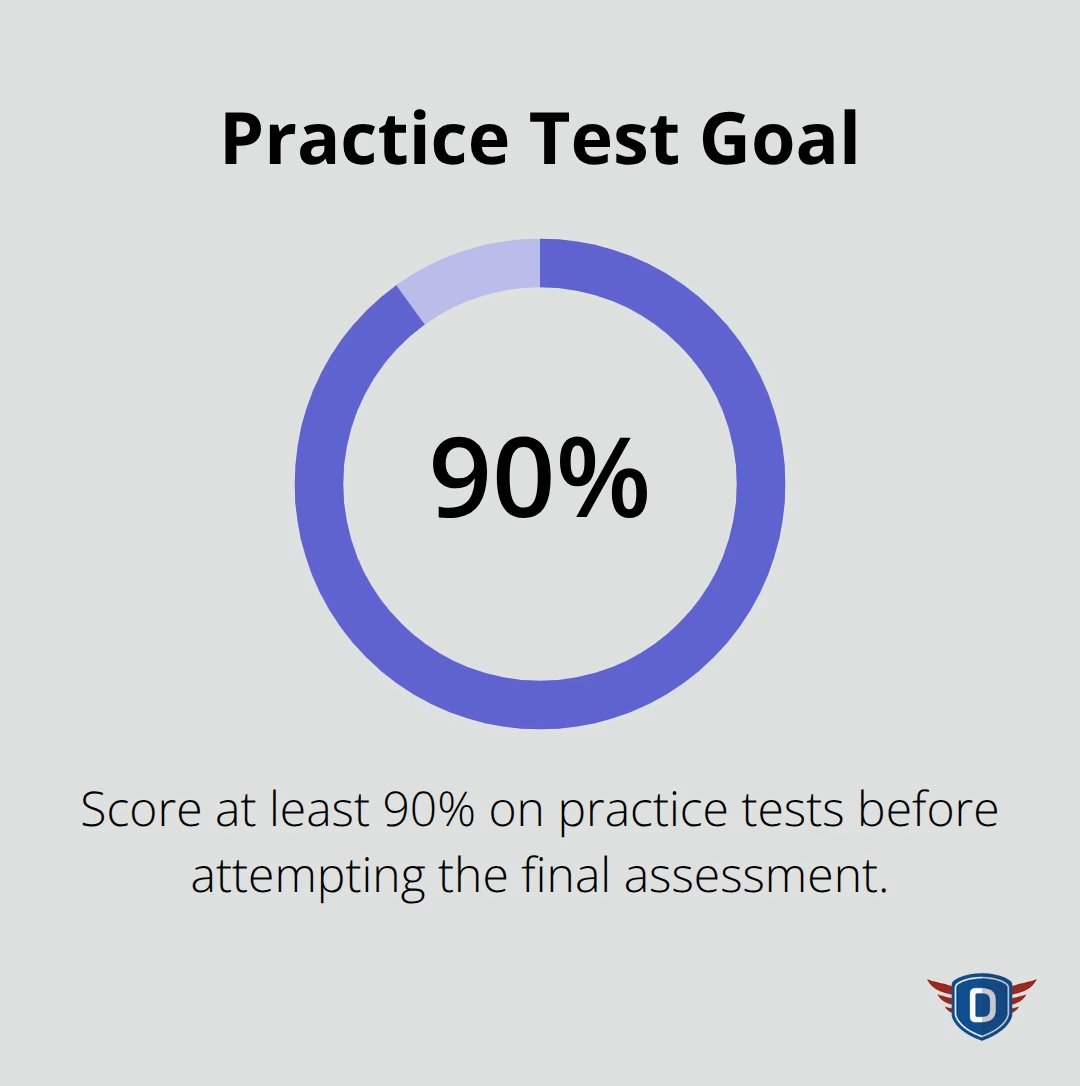
The Florida Drug & Alcohol Practice Test contains 20 questions and mirrors the format you’ll encounter, with real-time grading that shows whether each answer is correct as you progress. Try to score at least 90 percent on practice tests before attempting the final assessment. You can retake these practice tests unlimited times, so use each attempt to identify knowledge gaps and review the explanations for missed questions. Taking notes on DUI penalties, speed limit rules by location, and right-of-way scenarios helps cement this information into memory and gives you material to review before your final assessment.
Focus Your Study on High-Impact Topics
The Official Florida Driver License Handbook serves as the authoritative reference for traffic law content, though you don’t need to memorize the entire handbook. Instead, focus your study on road sign categories (Regulatory, Warning, and Guide signs), specific speed limits for school zones at 20 mph and business or residential areas at 30 mph, and how to apply right-of-way rules at intersections and roundabouts. Plan your TLSAE completion well before you schedule your permit test to avoid licensing delays and the stress of rushing through material you don’t fully understand.
Navigate the Final Assessment Strategically
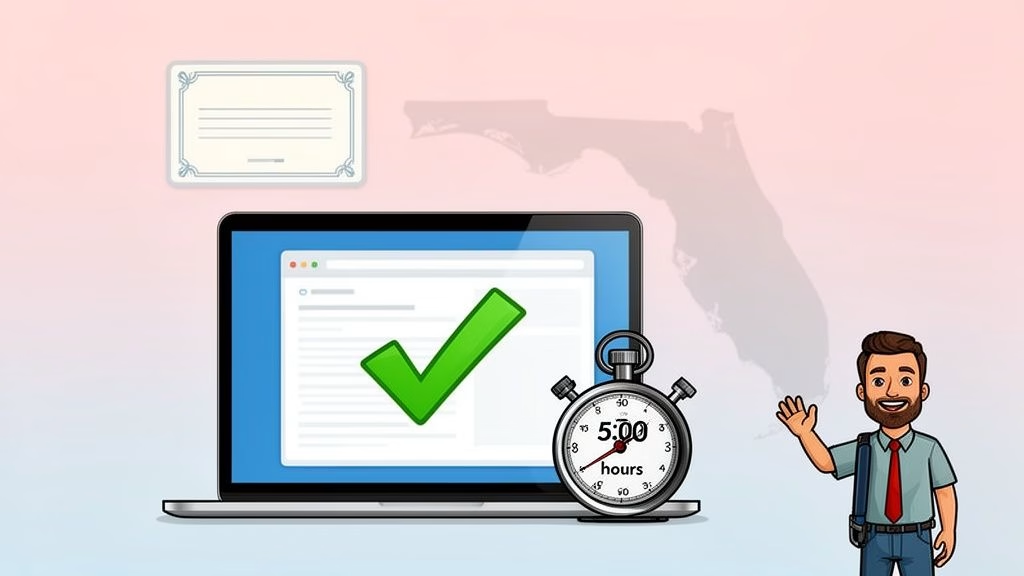
The final assessment tests scenario-based decision-making rather than pure memorization, which means overconfidence after glancing through the material will hurt you. Read each question carefully and avoid absolute language traps where answers contain words like always or never. The assessment typically takes 30 to 45 minutes, so pace yourself without rushing through answers you’re uncertain about. After completing TLSAE, you’ll receive a completion certificate that your approved provider automatically reports electronically to the Florida Department of Highway Safety and Motor Vehicles, which means you can immediately move forward with scheduling your permit test. Keep a digital or printed copy of your certificate for your records in case you need to provide proof at a DMV office.
Understand That TLSAE and the Permit Test Are Separate Requirements
One critical mistake many teens make is treating TLSAE and the permit test as the same thing. They’re separate requirements with different content focuses. TLSAE emphasizes substance abuse prevention and defensive driving application, while the permit test pulls from the Florida Driver License Handbook and focuses on road signs, speed limits, and right-of-way rules. Passing TLSAE doesn’t guarantee you’ll pass the permit test, so plan to study both requirements independently even though they overlap in some content areas (the overlap actually helps reinforce key concepts across both assessments).
Final Thoughts
TLSAE basics for teens teach you how to make decisions that keep you alive on the road. This four-hour course doesn’t exist so you can pass a test and forget it-it exists because traffic laws, substance abuse awareness, and defensive driving work together to protect you and everyone around you. Your approved provider automatically reports your completion to the Florida Department of Highway Safety and Motor Vehicles, which means you can immediately schedule your permit test without delay.
The permit test focuses on road signs and right-of-way rules from the Florida Driver License Handbook, while TLSAE emphasizes substance abuse prevention and scenario-based decision-making. Both requirements matter equally for your safety, so study them separately even though they overlap in some content areas. Your next step involves scheduling your permit test and completing the 50 hours of supervised driving practice that Florida requires before you obtain your full license.
We at DriverEducators.com understand that driver education extends far beyond passing a single test. We’re committed to helping you develop lifelong safe driving habits through comprehensive programs designed by certified instructors who know Florida’s roads and licensing requirements inside and out. Whether you need additional support or want to deepen your understanding of traffic laws, we guide you toward becoming a confident, responsible driver.