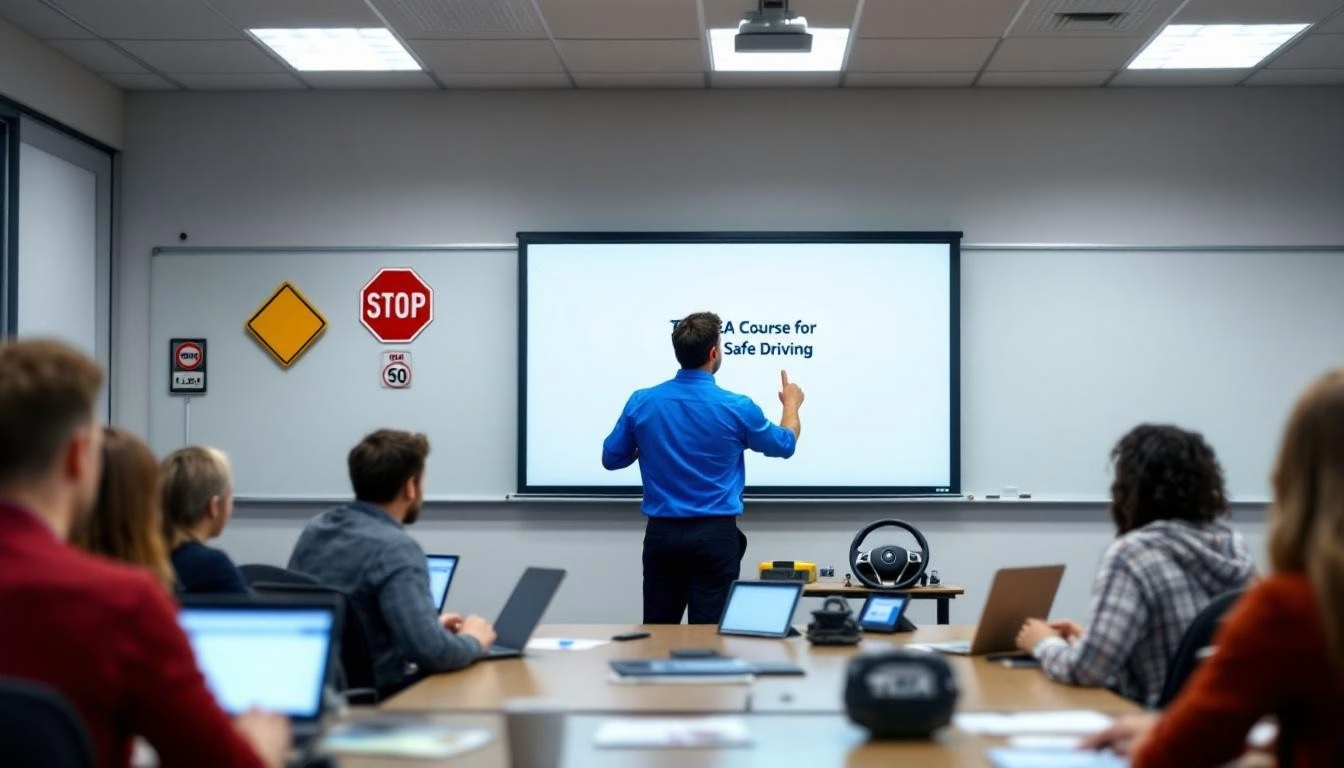
Getting your driver’s license in Florida means completing the TLSAE course for safe driving. This four-hour requirement covers traffic laws, substance abuse prevention, and defensive driving techniques that directly impact your safety on the road.
At DriverEducators.com, we know that understanding these topics before you drive makes a real difference. This guide walks you through what TLSAE covers, how to complete it online, and why it matters for becoming a safer driver.
What is TLSAE and Who Needs It
Understanding the TLSAE Requirement
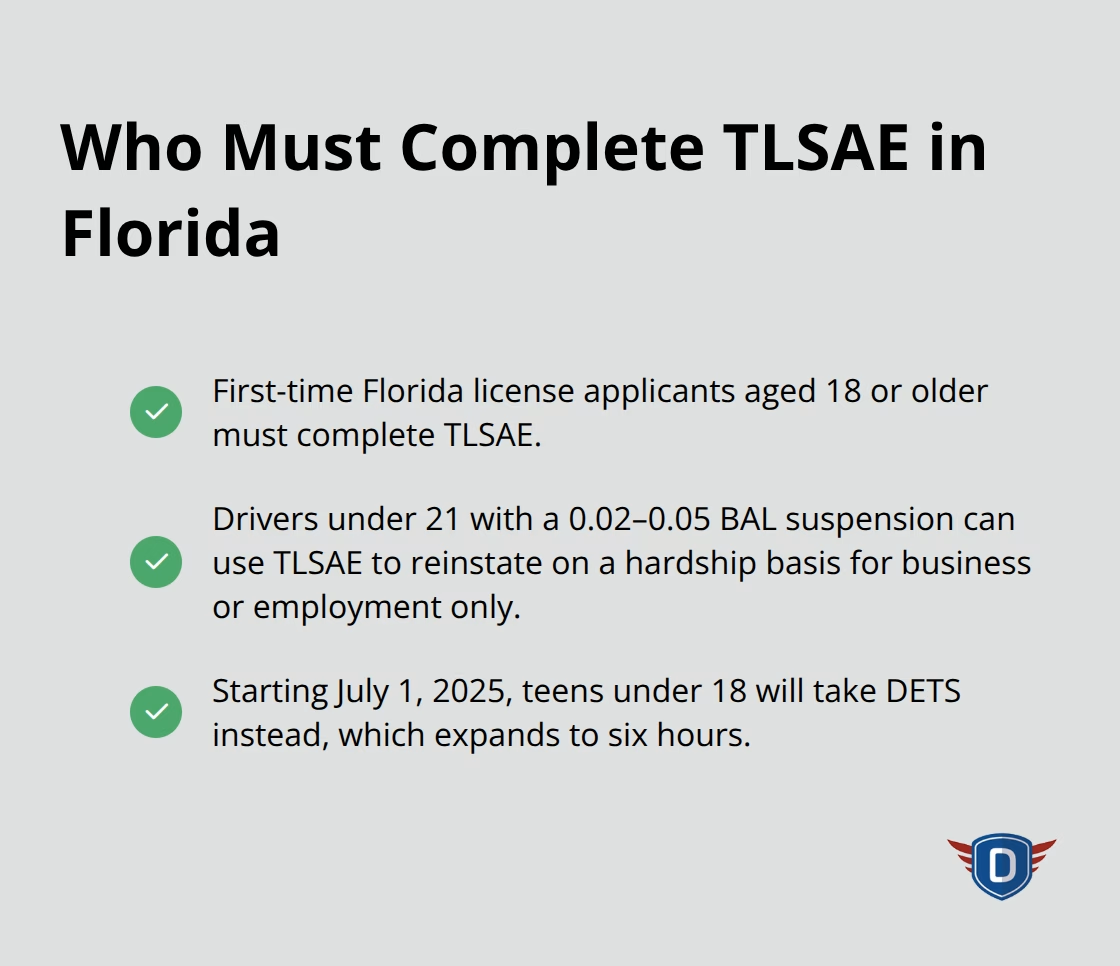
TLSAE stands for Traffic Law and Substance Abuse Education, a mandatory four-hour course that Florida requires for first-time drivers aged 18 and older before they can obtain a license. This isn’t optional paperwork-it’s a foundational requirement that sits at the beginning of Florida’s Graduated Driver Licensing system, which the U.S. Department of Transportation and NHTSA support as an effective way to reduce teen crash risk. The course covers how alcohol and drugs affect your body and driving ability, Florida’s traffic laws and DUI penalties, and the real consequences of unsafe driving choices.
Who Must Complete TLSAE
You must complete TLSAE if you’re 18 or older and applying for your first Florida driver’s license. Drivers under 21 who receive a notice of suspension for driving with a blood alcohol level between 0.02 and 0.05 can also satisfy the requirement through TLSAE to reinstate their license on a hardship basis-though that license restricts you to business or employment purposes only. Starting July 1, 2025, teens under 18 will take a different course called DETS instead, which expands to six hours.
How TLSAE Fits Into Your Licensing Path
Florida law requires you to complete this course through an FLHSMV-approved provider, and your completion is automatically reported to the Florida Department of Highway Safety and Motor Vehicles once finished. TLSAE fits into your licensing path after you complete the course but before you take the in-person Class E knowledge exam at a licensing service center. The course itself is fully online and mobile-friendly, meaning you can work through it from any device at your own pace, typically finishing within a single focused session.
Moving Forward With Your License
Once you pass the final assessment and receive your certificate, you’re cleared to move forward with the knowledge exam and learner’s permit application. This structure ensures that every new driver in Florida has covered critical safety topics before ever sitting behind the wheel. Understanding what TLSAE covers-from traffic laws to substance abuse prevention-prepares you for the specific knowledge you’ll need on the road.
What You’ll Actually Learn in TLSAE
Traffic Laws and Point Penalties
Florida’s TLSAE course focuses on three interconnected areas that shape how you drive: understanding traffic law consequences, recognizing how substances impair judgment and motor skills, and knowing what happens when drivers make unsafe choices. The traffic law section covers specific violations and their point values because Florida’s point system hits hard. Speeding more than 15 miles over the limit costs you 3 points, while speeding 16 miles or more costs 4 points. Running a red light, improper lane changes, and failure to yield each carry 3 to 4 points.
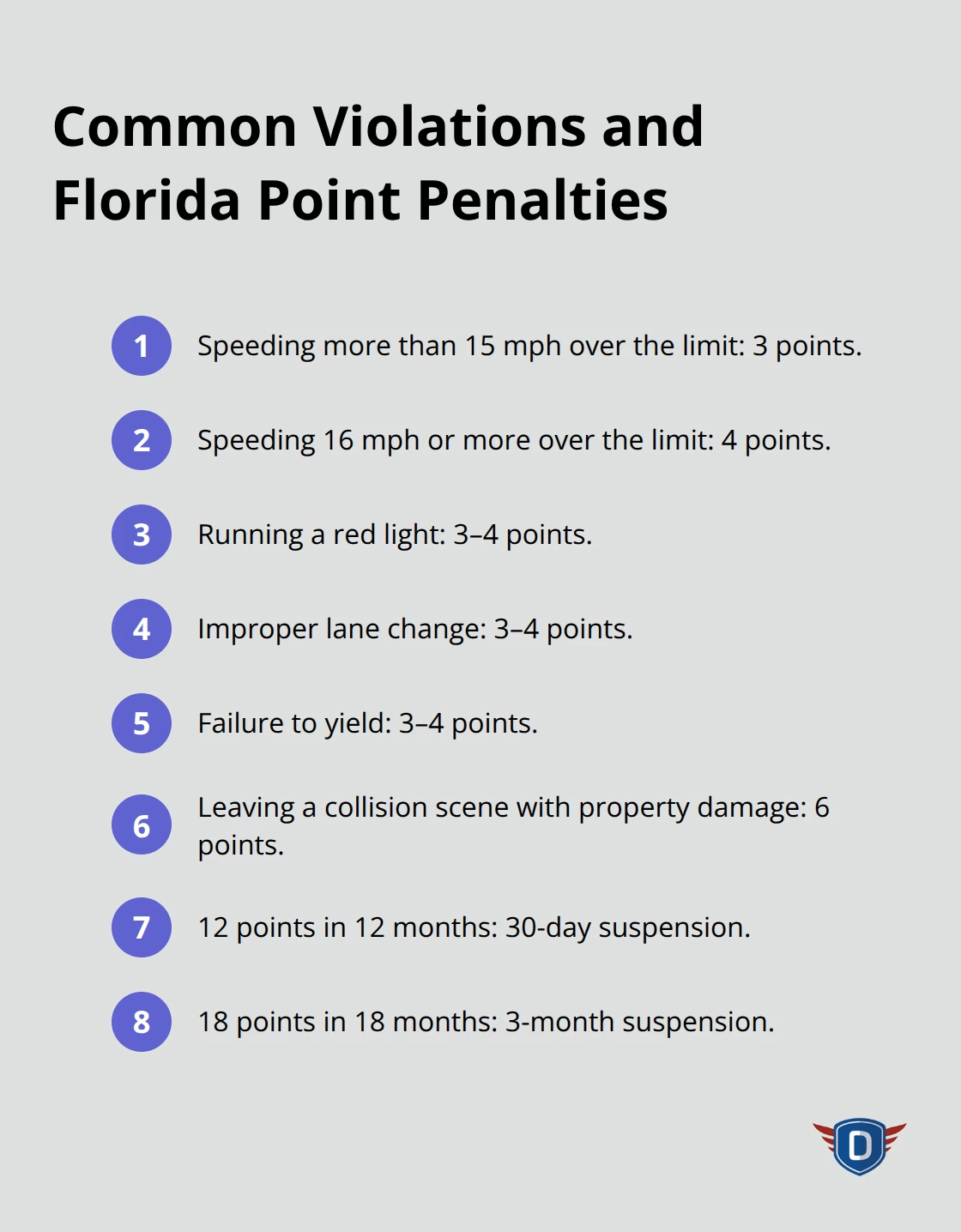
Leaving a collision scene with property damage runs 6 points.
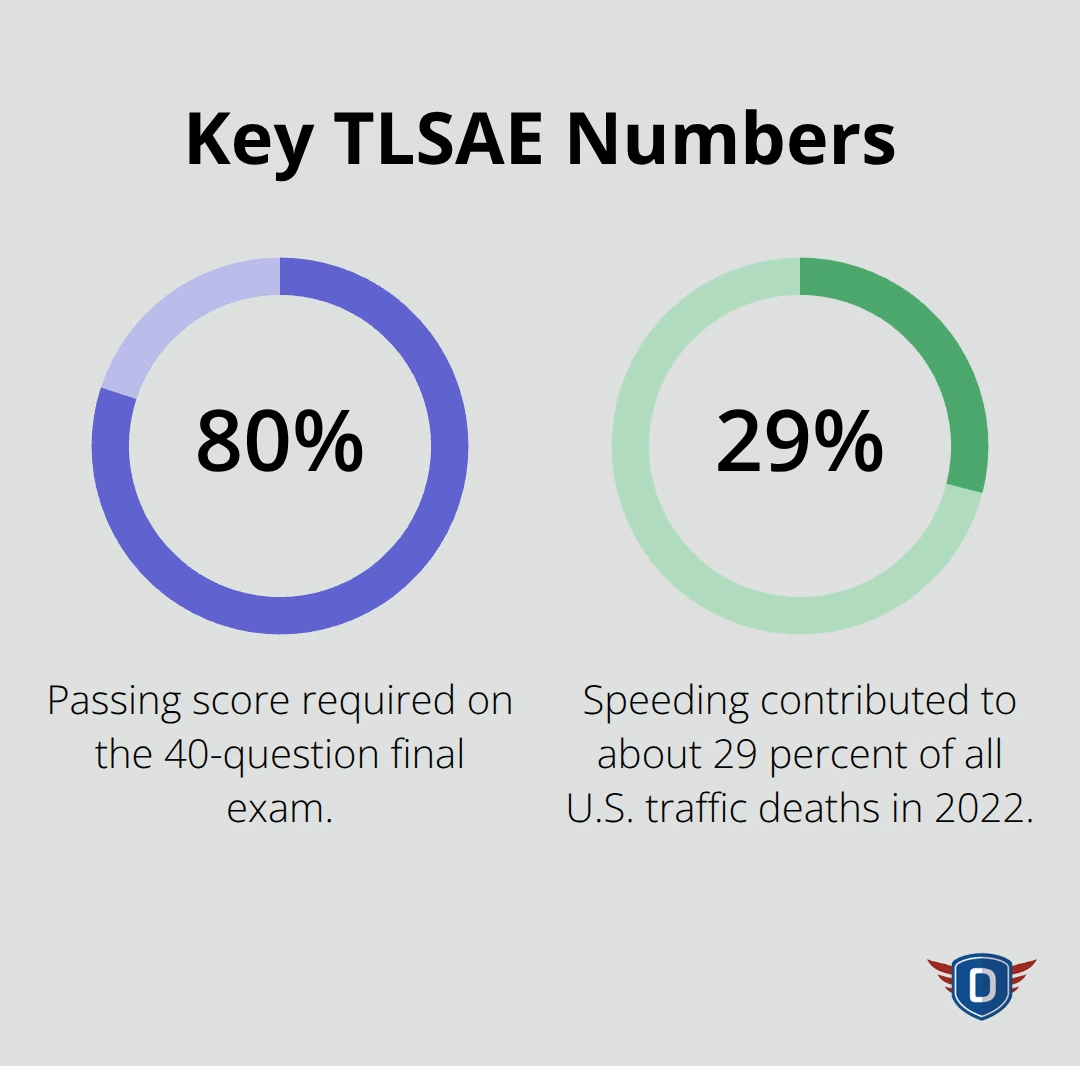
Accumulate 12 points in 12 months and your license gets suspended for 30 days; 18 points in 18 months means a 3-month suspension. These aren’t theoretical penalties-they directly affect your driving privileges and insurance rates. NHTSA data shows that speeding contributed to about 29 percent of all traffic deaths in 2022, which is why the course emphasizes how drugs and alcohol multiply that risk by degrading reaction time.
How Substances Impair Your Driving
The substance abuse section explains absorption and elimination rates so you understand why a drink consumed quickly hits differently than one spread over hours. TLSAE teaches the synergistic effects of mixing alcohol with drugs, how both substances degrade vision and motor skills, and when impairment actually begins. You learn the physical effects-slowed reflexes, blurred vision, poor judgment-that make impaired driving so dangerous on real roads with real traffic.
Defensive Driving and Real-World Scenarios
The course covers defensive driving techniques grounded in real road scenarios rather than abstract rules. You identify high-risk situations, maintain safe following distances, and adjust your driving for weather and traffic conditions. The Collision Awareness Module makes these concepts personal by showing how split-second decisions affect outcomes. This practical approach works because you see the connection between what you learn and what happens behind the wheel.
The Real Cost of Poor Choices
The consequences section doesn’t shy away from costs-it addresses the financial burden of addiction, the legal penalties for DUI, and how impaired driving endangers sober drivers sharing the road. TLSAE includes a Substance Use and Abuse Questionnaire designed to make these topics personal rather than distant. Understanding the actual cost of poor decisions (license suspension, insurance increases, legal fees, and injury risk) motivates behavior change far more than generic safety lectures.
Moving From Knowledge to Action
When you complete TLSAE through an FLHSMV-approved provider, you build the specific knowledge that prevents the violations and dangerous choices that lead to crashes and suspensions. This foundation prepares you for what comes next: taking the in-person Class E knowledge exam and moving toward your learner’s permit.
How to Complete TLSAE Online at Your Own Pace
Access TLSAE From Any Device
The TLSAE course is entirely online and mobile-friendly, so you access it from your phone, tablet, or computer whenever you have four uninterrupted hours available. You don’t need to sit in a classroom or work around someone else’s schedule. FLHSMV-approved providers like American Safety Council, Aceable, and DriversEd.com all offer internet-based delivery that works across devices. Some providers use vertical scrolling design to streamline navigation and improve the user experience.
Plan Your Study Session
Most people complete TLSAE in a single focused session rather than spreading it across multiple days, though you control the pacing entirely. Start in a quiet, distraction-free environment where you can concentrate on the material without interruptions. Take notes on key concepts like Florida traffic laws, fines, DUI statistics, and safety tips to strengthen retention and reduce test anxiety. Some providers include practice questions or quizzes before the final assessment, which helps you identify weak areas and reinforces what you’ve learned.
Pass the Final Assessment
The final exam typically consists of 40 questions and requires an 80 percent score to pass. Read questions carefully, review your notes before submitting answers, and pace yourself to avoid rushing through the assessment. If you don’t pass on your first attempt, most approved providers offer unlimited retakes at no additional cost, removing pressure from a single test session.
Receive Your Certificate and Automatic Reporting
Once you pass the final assessment, your completion certificate is issued immediately and reported electronically to FLHSMV within hours. You don’t need to manually submit paperwork or follow up with the licensing office. Keep a digital or printed copy of your certificate for your records, though the automatic reporting means FLHSMV already has confirmation that you’ve satisfied the requirement. You’re then cleared to schedule your in-person Class E knowledge exam at a local licensing service center. This automatic reporting system eliminates the most common mistake new drivers make: completing the course but forgetting to submit proof to the right agency. FLHSMV-approved providers handle that step for you, streamlining your path toward your learner’s permit.
Final Thoughts
Completing the TLSAE course for safe driving gives you concrete knowledge about how Florida traffic laws work, what impaired driving does to your body and judgment, and why defensive driving techniques matter on real roads with real consequences. The 40-question final exam confirms you understand the specific violations that cost points, the penalties that follow, and the choices that keep you safe. After you pass and receive your certificate, you schedule your in-person Class E knowledge exam at a local licensing service center and move toward your learner’s permit.
The real work starts after you obtain your license. TLSAE teaches you the rules and the reasons behind them, but lifelong safe driving comes from applying those lessons every time you drive-respecting speed limits because you understand that speeding contributed to 29 percent of all traffic deaths in 2022, never driving impaired because you’ve learned exactly how alcohol and drugs degrade your reflexes and vision, and maintaining safe following distances because you’ve seen how split-second decisions affect outcomes. This foundation protects you and everyone sharing Florida’s roads.
We at DriverEducators.com support safer driving throughout your life on the road, offering programs like our Basic Driver Improvement and Intermediate Driver Improvement courses that help you stay informed about current traffic laws and defensive techniques. Visit DriverEducators.com to explore how we help you refresh your skills and stay safe after your initial licensing.