Teen drivers face real dangers on the road. According to the CDC, motor vehicle crashes are the leading cause of death for teenagers in the United States, with about 2,500 teen deaths annually.
At DriverEducators.com, we believe structured teen driver lessons make the difference between statistics and safety. Professional instruction teaches the skills that informal learning simply cannot provide.
Why Teens Need Professional Instruction
The Real Cost of Inadequate Training
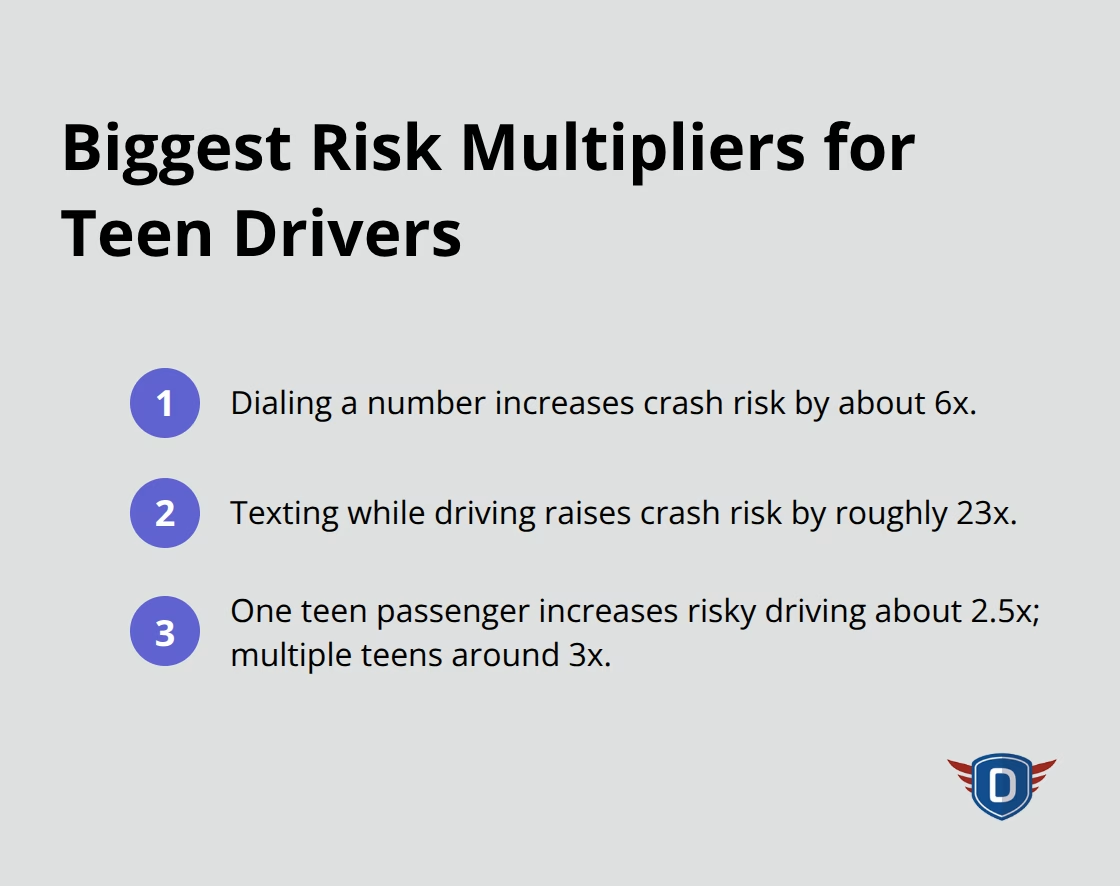
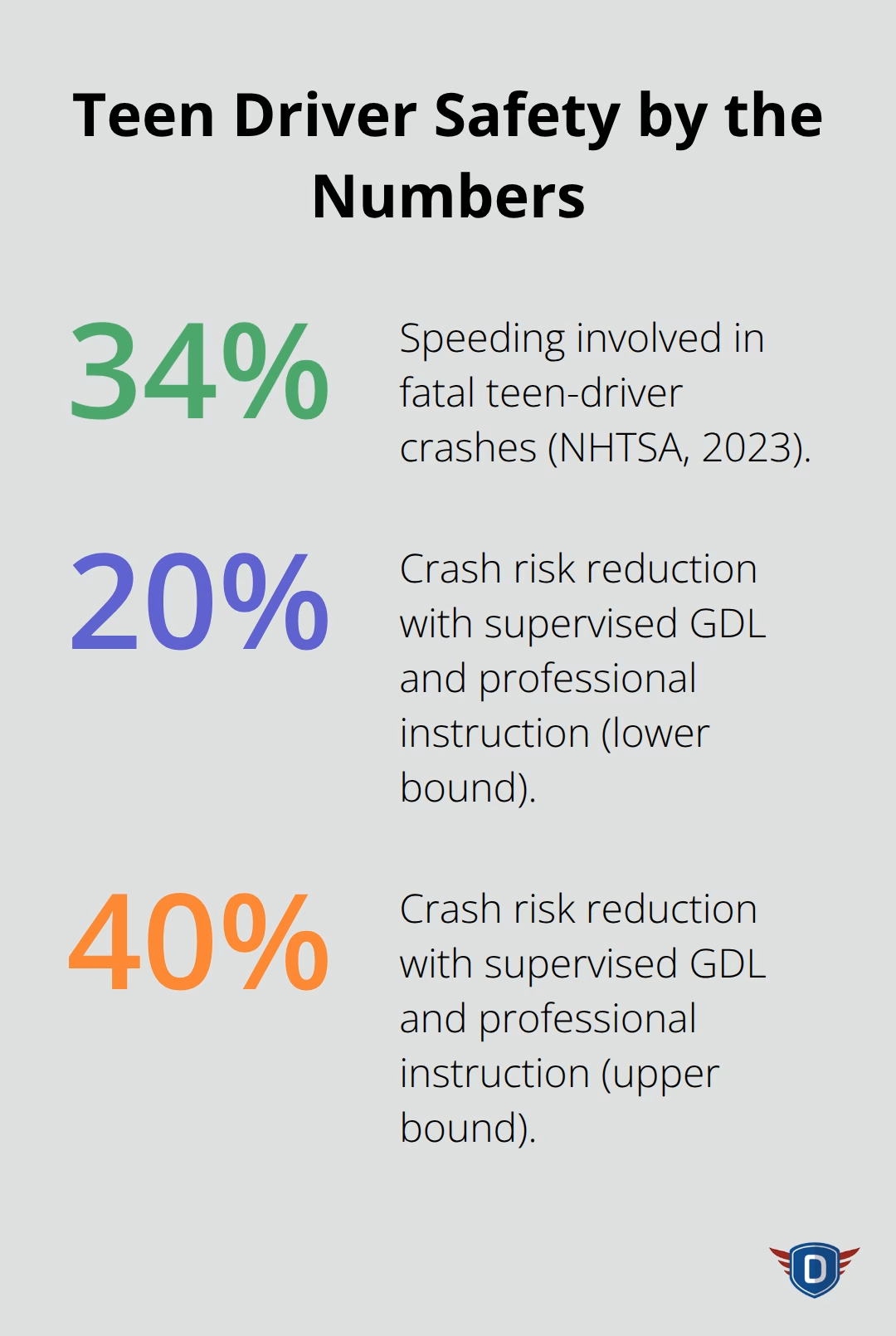
The numbers tell a stark story. In 2023, 2,611 people were killed in crashes involving teen drivers aged 15 to 18, according to NHTSA data. Speeding alone factored into 34% of those fatal crashes, while distracted driving increases crash risk by roughly 23 times. Beyond fatalities, teen drivers represent a disproportionate share of crash injuries and property damage.
The risk escalates dramatically with passengers: adding just one teenage peer in the vehicle increases risky driving behaviors by approximately 2.5 times, and multiple teen passengers push that multiplier to around 3 times. These aren’t random accidents. They reflect predictable gaps in hazard recognition, impulse control, and decision-making under pressure.
Why Informal Learning Falls Short
Informal learning from parents or friends rarely addresses these gaps systematically. A parent teaching their teen to parallel park in a quiet lot teaches mechanics, not judgment. Professional instruction teaches both.
Certified instructors know exactly where teen drivers fail most often-junction observations, mirror use, positioning, and responding to traffic signals-because they see these failures repeatedly. They structure lessons to build hazard perception gradually, layering complexity only after foundational skills solidify. A study published in Transportation Research Part F by researchers at Tallinn University found that when driving instructors shifted to learner-centered, constructivist methods (emphasizing open-ended questions, explicit evaluation criteria, and reflective feedback), students developed stronger safety habits. The instructors trained under this approach independently implemented these learner-centered strategies in real driving lessons. That matters because it means your teen isn’t just learning rules; they’re learning to think like a safe driver.
Insurance Savings and Legal Protection
Insurance companies understand this value. Teens who complete formal driver education programs often qualify for discounts ranging from 5% to 15% on premiums, according to major insurers. Some states offer point reductions for completing approved courses-completing a 4-hour or 8-hour defensive driving program can remove points from a driving record, preventing insurance rate hikes and protecting driving privileges. The financial incentive reflects a hard reality: insurers pay out significantly less on claims when drivers have formal training.
The Long-Term Safety Impact
A graduated driver licensing system that combines professional instruction with supervised practice reduces crash risk by 20% to 40%, according to research from Young Drivers Labs and Research Inc. Those numbers compound over a teen’s lifetime. The economic case is compelling: comprehensive GDL programs paired with quality instruction could save approximately 2,000 lives annually and prevent $13.6 billion in costs (a single fatal crash costs about $1.6 million in direct and indirect expenses).
Professional instruction transforms safety policy into real-world protection. It’s the difference between a teen who passes a driving test and a teen who actually knows how to avoid a crash. This foundation matters most when teens face the specific challenges that professional training addresses-challenges we’ll explore in the core skills every teen driver must master.
What Skills Separate Safe Teen Drivers from Crash Statistics
Hazard Recognition: The Foundation of Defensive Driving
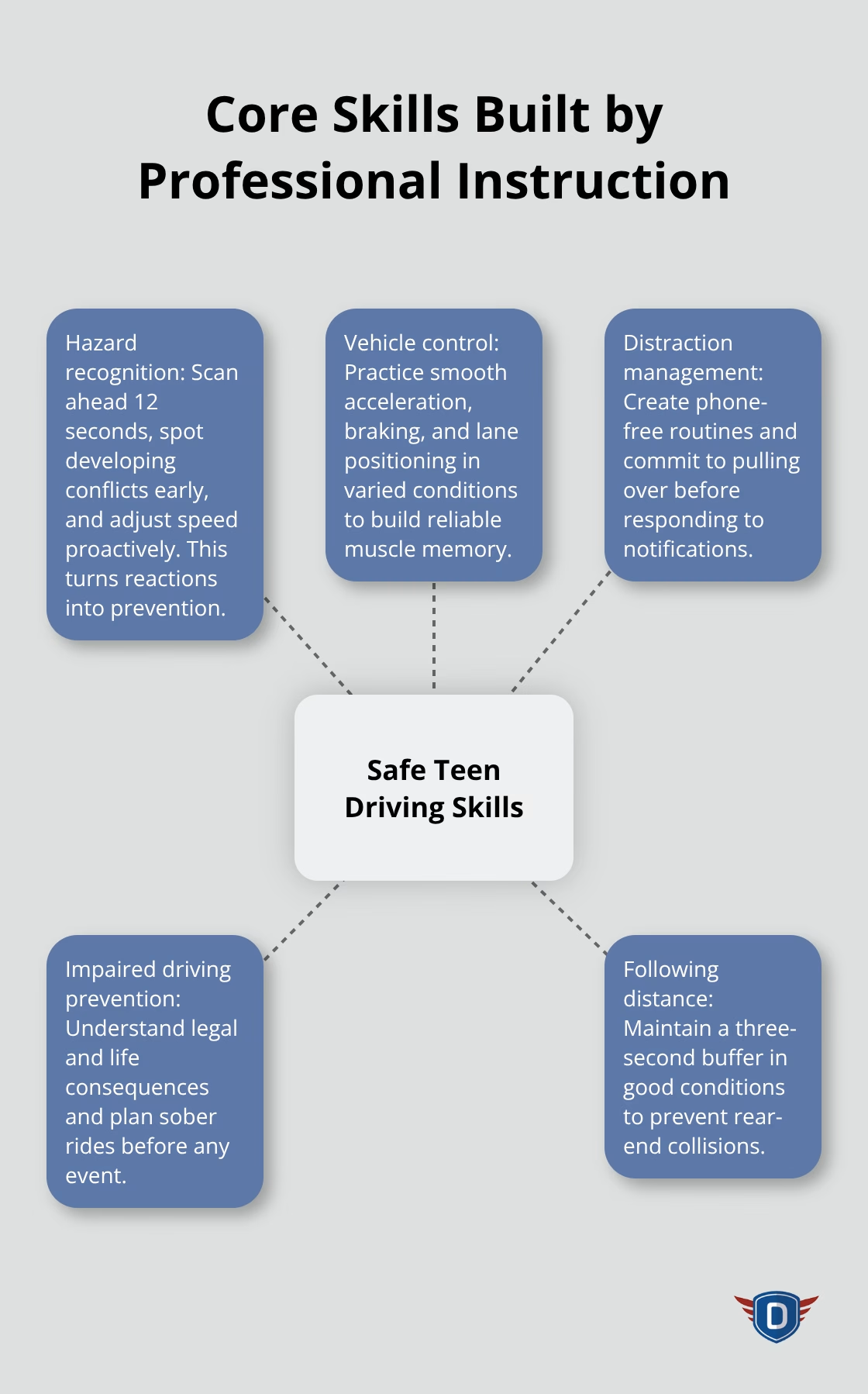
Hazard recognition stands as the single most important skill a teen driver can develop, and informal settings rarely teach it well. NHTSA data from 2023 shows that speeding factored into 34% of fatal crashes involving teen drivers, but speeding often masks a deeper problem: teens fail to spot hazards until reaction time runs out. Professional instruction trains teens to scan 12 seconds ahead, identify potential conflicts before they materialize, and adjust speed accordingly.
A three-second following distance in good conditions creates a safety buffer that prevents rear-end collisions. Teens trained only by parents frequently maintain dangerous distances because they haven’t learned to calculate it or understand why it matters. Instructors deliberately create scenarios where teens practice spotting pedestrians stepping between parked cars, recognizing when a stopped vehicle ahead might suddenly reverse, and detecting the subtle signs of an impaired driver swerving slightly before overcorrecting. This layered approach trains the teen’s brain to work like a defensive driver from the beginning, not after they’ve already experienced a close call.
Vehicle Control Across Different Road Conditions
Vehicle control in varied conditions separates competent drivers from dangerous ones, yet many teens never practice in rain, at night, or on multi-lane highways before their first solo drive. Night driving deserves specific attention because crash risk increases substantially when visibility drops. Teens must practice adjusting headlight use, maintaining proper following distance when they cannot see as far ahead, and recognizing that their judgment of speed and distance becomes less reliable in darkness.
Rain and wet roads demand different braking techniques and steering responses that feel completely foreign to a teen who has only driven in dry conditions on sunny days. Professional instruction introduces these conditions progressively, ensuring the teen builds confidence before facing real-world challenges alone. This progressive exposure prevents panic and teaches the muscle memory that keeps teens safe when weather turns bad.
Distraction Management and Impaired Driving Prevention
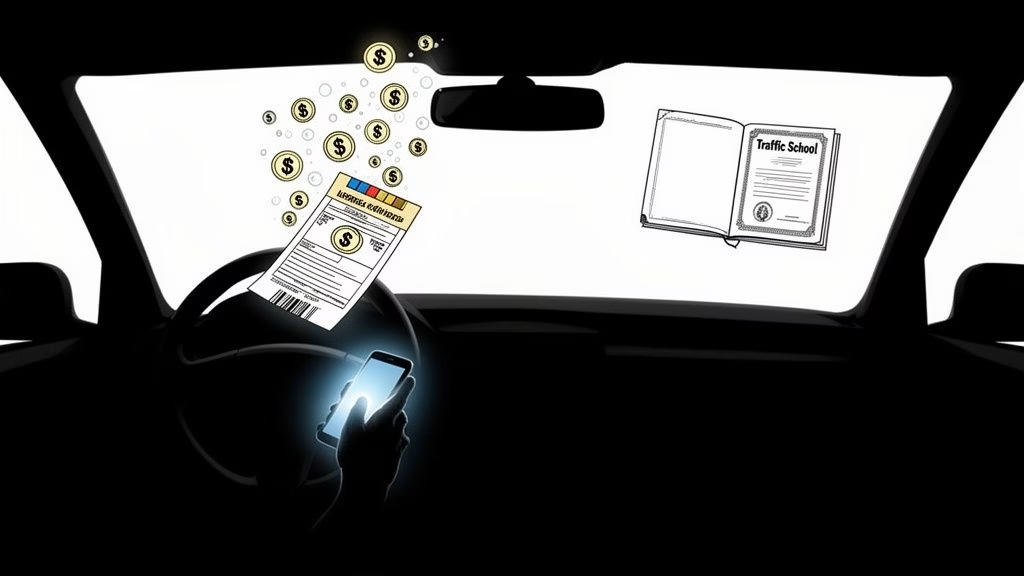
Distracted driving prevention requires more than lectures about putting phones away. NHTSA research shows that dialing a number increases crash risk by approximately 6 times and texting increases it by roughly 23 times. Professional instructors help teens develop practical strategies to resist the urge-placing the phone in the trunk, setting it to airplane mode, or committing to pull over safely if they need to respond to something urgent.
Impaired driving prevention demands direct conversation about real consequences. The legal consequences for underage drivers include jail time, license suspension, and a permanent record that affects college and employment opportunities. Professional instructors address these topics with clarity and specificity, not vague warnings about responsibility. This honest approach helps teens understand that the choice to drive impaired doesn’t just risk their life-it affects their future in measurable, concrete ways.
These core skills form the foundation that allows teens to progress safely through increasingly complex driving scenarios, building the judgment and muscle memory that transform them from test-passers into genuinely capable drivers.
How Professional Training Builds Confident, Lifelong Safe Drivers
Structured Progression Removes Guesswork
Professional instruction works because it removes the guesswork from how teens learn to drive. Instructors structure lessons to build confidence through controlled progression, starting with fundamentals in low-pressure environments before introducing real-world complexity. Short practice sessions of ten to twenty minutes maximize focus and reduce fatigue, which research shows is critical for skill retention.
During these focused sessions, instructors break down one or two specific skills per lesson-for example, smooth acceleration and braking in a parking lot-rather than overwhelming teens with multiple objectives. This targeted approach prevents the common pitfall where parents try to teach parking, highway merging, and night driving in a single session, which typically results in frustration and poor learning outcomes.
Feedback That Builds Confidence
Instructors provide calm, specific feedback rather than emotional reactions, which keeps teens engaged and willing to practice. The environment matters enormously. A supportive instructor who pulls over to discuss a mistake without raising their voice teaches the teen to view errors as learning opportunities, not failures. This psychological foundation prevents teens from developing driving anxiety or defensive attitudes that interfere with judgment later.
Deliberate Skill Sequencing
Progressive skill development follows a deliberate sequence grounded in safety research. Teens master vehicle familiarization first-they adjust seats and mirrors for full visibility, learn dashboard indicators, and practice parking brake use while parked. Only after these basics become automatic do instructors move to quiet parking lots for handling practice, then quiet residential streets, and finally busier roads with traffic signals and intersections. Night driving comes after daylight mastery, not simultaneously. Rain and wet-road practice happens when the teen demonstrates solid control in dry conditions. This layering prevents the cognitive overload that leads to poor decisions.
Developing Independent Hazard Detection
Real-world scenarios embedded throughout instruction teach hazard detection under pressure. An instructor might ask open-ended questions like “What could go wrong at this intersection?” rather than simply telling the teen to watch for pedestrians. This approach, supported by research on constructivist teaching methods, develops independent thinking. Teens learn to anticipate hazards rather than react to them, which translates directly to safer driving when they’re alone. The three-second following distance rule, defensive scanning ahead, and recognizing impaired drivers become habits, not rules to remember. Establishing these habits while supervised means they persist after the teen drives independently, creating lifelong safety practices that reduce crash risk far beyond their first year alone on the road.
Final Thoughts
Professional instruction transforms teen drivers from test-passers into genuinely capable drivers who understand why safety rules exist and how to apply them in real-world situations. Structured teen driver lessons reduce crash risk by 20% to 40%, save lives, and protect families from devastating financial and emotional costs. Insurance companies offer 5% to 15% discounts for formal driver education because they know it reduces claims, and states offer point reductions because they know it prevents crashes-these incentives reflect decades of data showing that professional instruction works.
Instructors know exactly where teens struggle most (junction observations, mirror use, hazard detection) and address these gaps systematically through progressive skill development. Short, focused lessons build confidence without overwhelming teens, while calm, specific feedback teaches them to view mistakes as learning opportunities rather than failures. This supportive environment removes the guesswork from the learning process and develops the independent judgment that keeps teens safe long after their first solo drive.
Getting started with structured teen driver lessons means choosing a program that meets or exceeds established safety standards. We at DriverEducators.com provide comprehensive driver education programs designed to help teens develop the skills and habits that keep them safe, with certified instructors who create a supportive learning environment where teens master defensive driving techniques and responsible decision-making. Professional instruction through DriverEducators.com ensures your teen builds the foundation for a lifetime of safe driving.