Following distance is one of the most overlooked safety skills on the road. Most drivers either tailgate without realizing it or maintain distances that feel safe but aren’t backed by actual road physics.
At DriverEducators.com, we’ve seen how mastering safe following techniques transforms how drivers handle every trip. This guide walks you through proven methods to judge distance correctly, adjust for conditions, and avoid the mistakes that cause rear-end collisions.
How Far Back Should You Actually Drive?
The Three-Second Rule Explained
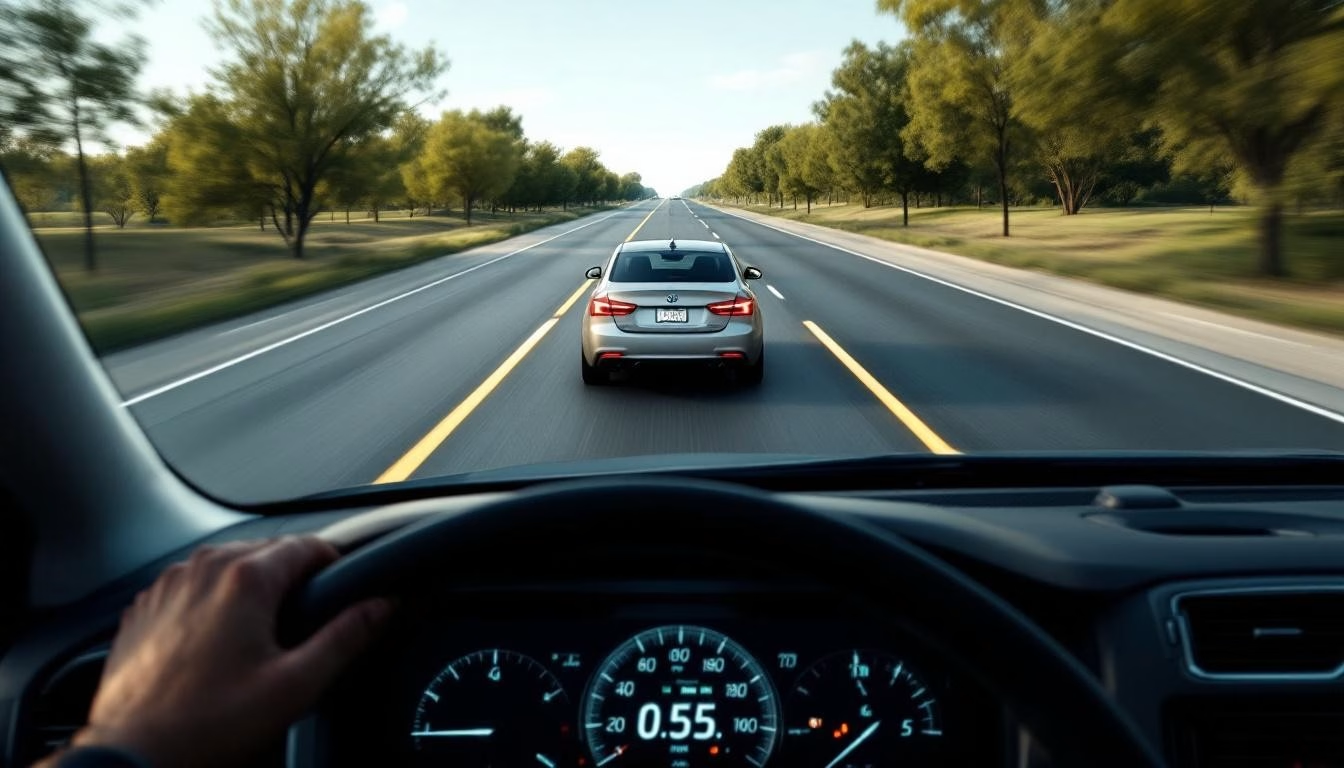
The three-second rule forms the foundation for safe following distance and rests on real stopping physics, not guesswork. Pick a fixed roadside marker like a sign, tree, or light pole. When the vehicle ahead passes that marker, start counting. If you reach the marker before you finish saying three seconds, you’re following too closely. The National Safety Council backs this standard as the minimum safe following distance for normal driving conditions.
Two distinct phases of reaction time make up those three seconds. About 1.5 seconds goes to noticing a hazard and deciding to brake, while the remaining 1.5 seconds covers your actual braking action. This time-based approach works at any speed because your vehicle covers more ground per second as you accelerate.
Why Distance Matters More Than You Think
A loaded tractor-trailer traveling at 55 mph needs roughly 196 feet to stop in ideal conditions, compared to 133 feet for a passenger vehicle. That gap exists because larger vehicles require longer stopping distances due to their weight and braking capabilities. Rear-end collisions rank as the most common type of car accident, and they happen when drivers simply lack enough time to react to sudden braking ahead.
The marker method removes guesswork and gives you an objective measure you can trust every time. Your eyes deceive you at highway speeds, especially when you’re tired or distracted. What feels safe often isn’t backed by the physics of stopping distance.
Adjusting Distance for Speed, Weather, and Vehicle Type
Your distance must shift based on what’s happening around you. Speed changes everything: highway driving demands more cushion than city streets because your vehicle covers more ground each second. Rain reduces traction, and the National Highway Traffic Safety Administration recommends increasing your following distance by at least one second during wet conditions, trying for four seconds total. Snow and ice make stopping distances even longer.
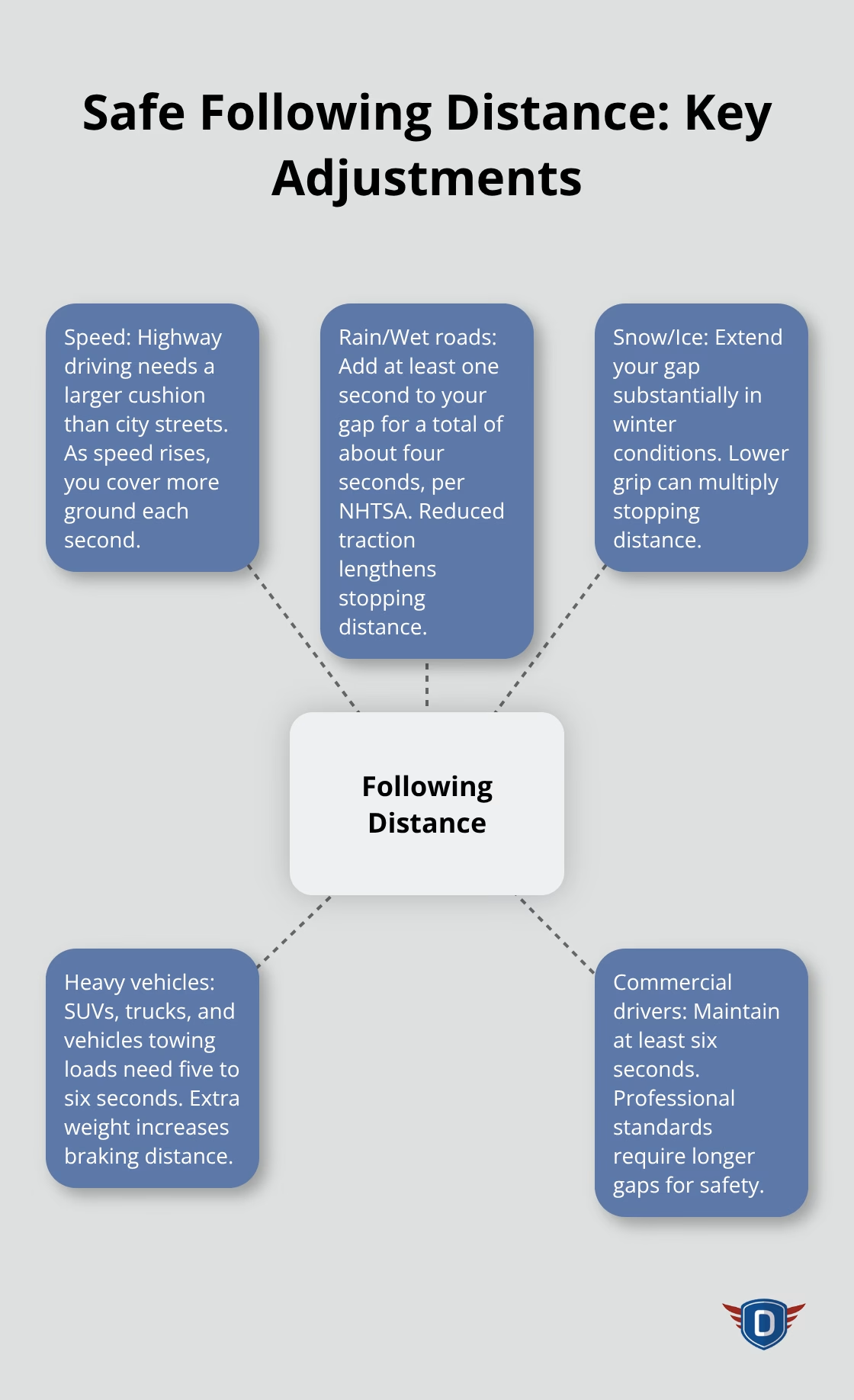
Heavy vehicles like SUVs or trucks need five to six seconds because their weight and stopping capabilities differ from standard passenger cars. Commercial drivers face stricter standards and should maintain at least six seconds. Florida law doesn’t specify following distance in feet, but drivers must maintain control and avoid collisions, which means the three-second baseline serves as your legal protection.
What Happens When You Get It Wrong
The biggest mistake drivers make is confusing what feels safe with what actually is safe. Tailgating without realizing it happens to most drivers at some point, especially in heavy traffic or when they’re rushing. The marker method eliminates that confusion by forcing you to measure objectively rather than rely on your perception.
Understanding these distances sets the stage for recognizing the specific mistakes that lead to collisions. Next, we’ll examine the most common following distance errors drivers make and how to spot them before they cause a crash.
Where Drivers Go Wrong With Following Distance
Tailgating Under Pressure
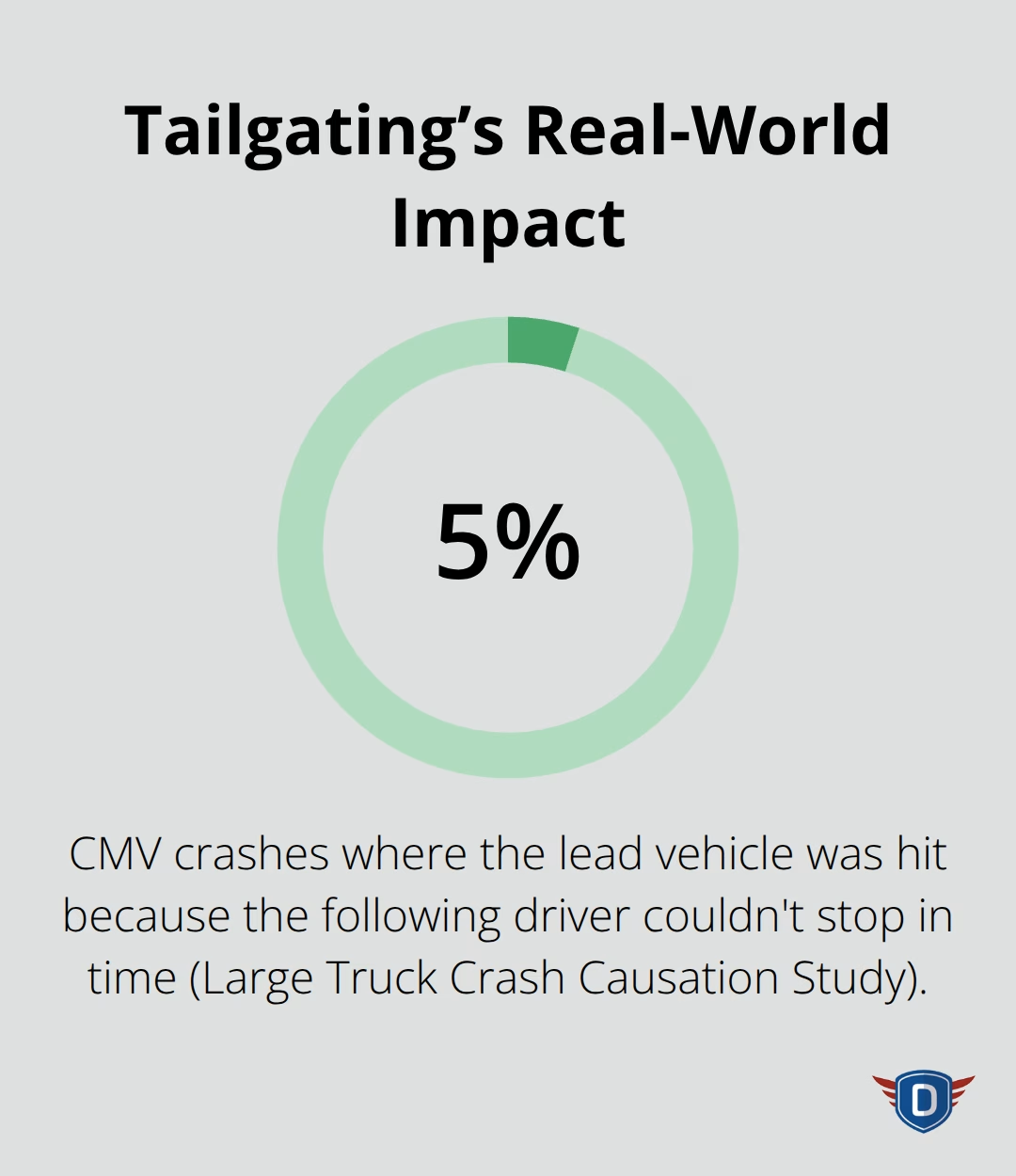
Most drivers fail at following distance not because they don’t know the three-second rule, but because they ignore it under pressure. Tailgating happens when traffic slows, frustration builds, or you’re late for an appointment. Your brain tells you that closing the gap will somehow get you there faster, which is wrong. The Large Truck Crash Causation Study found that 5% of commercial motor vehicle crashes involved the lead vehicle being hit because the following driver couldn’t stop in time. That statistic matters because it shows tailgating isn’t rare or accidental-it’s a choice drivers make repeatedly.
When you’re stuck behind slow traffic, the three-second rule feels excessive, but that’s exactly when crashes happen.
Speed Changes Everything
Speed changes everything about how distance works. At 30 mph, three seconds covers roughly 132 feet. At 55 mph, those same three seconds stretch to 242 feet. Most drivers underestimate this difference because their eyes don’t process speed differences well. You might feel comfortable at 30 mph with a certain gap, then drive that same gap at 55 mph and be dangerously close. The marker method solves this problem instantly-use the same fixed point regardless of speed, and your distance automatically adjusts because your vehicle moves faster.
Weather Destroys Your Safety Margin
Weather destroys your safety margin faster than anything else on the road. Rain cuts your traction and extends stopping distance, yet most drivers maintain their normal three-second gap or even reduce it because visibility seems okay. Defensive driving standards recommend using longer distances during wet conditions to increase the margin for error. Snow and ice demand even more space-some drivers add two or three seconds beyond the baseline. The real problem is that drivers treat weather as an inconvenience rather than a fundamental change to how their vehicle behaves. Your brakes work the same way your tires grip the road, and wet pavement grips far less than dry asphalt. Ignoring this fact leads to skids, loss of control, and rear-end collisions when traffic stops unexpectedly.
Heavy Vehicles Require Extra Space
Heavy vehicles compound every mistake. If you’re driving an SUV, truck, or towing a trailer, your stopping distance increases significantly, yet many drivers maintain the same gap they’d use in a sedan. Commercial drivers must maintain at least six seconds according to safety standards, but most passenger vehicle drivers with heavy loads stick to three seconds. This gap between what drivers do and what physics requires is where crashes originate. The weight and braking capabilities of larger vehicles demand respect on the road-a mistake that works in a compact car becomes dangerous in a truck.
Moving From Mistakes to Solutions
These errors repeat across millions of drivers every day because traffic conditions and human nature push against safe practices. The next chapter covers how to actually maintain these distances through practical techniques that work in real traffic conditions, turning knowledge into habits that stick.
How to Keep Safe Distance in Real Traffic
Using the Marker Method in Daily Driving
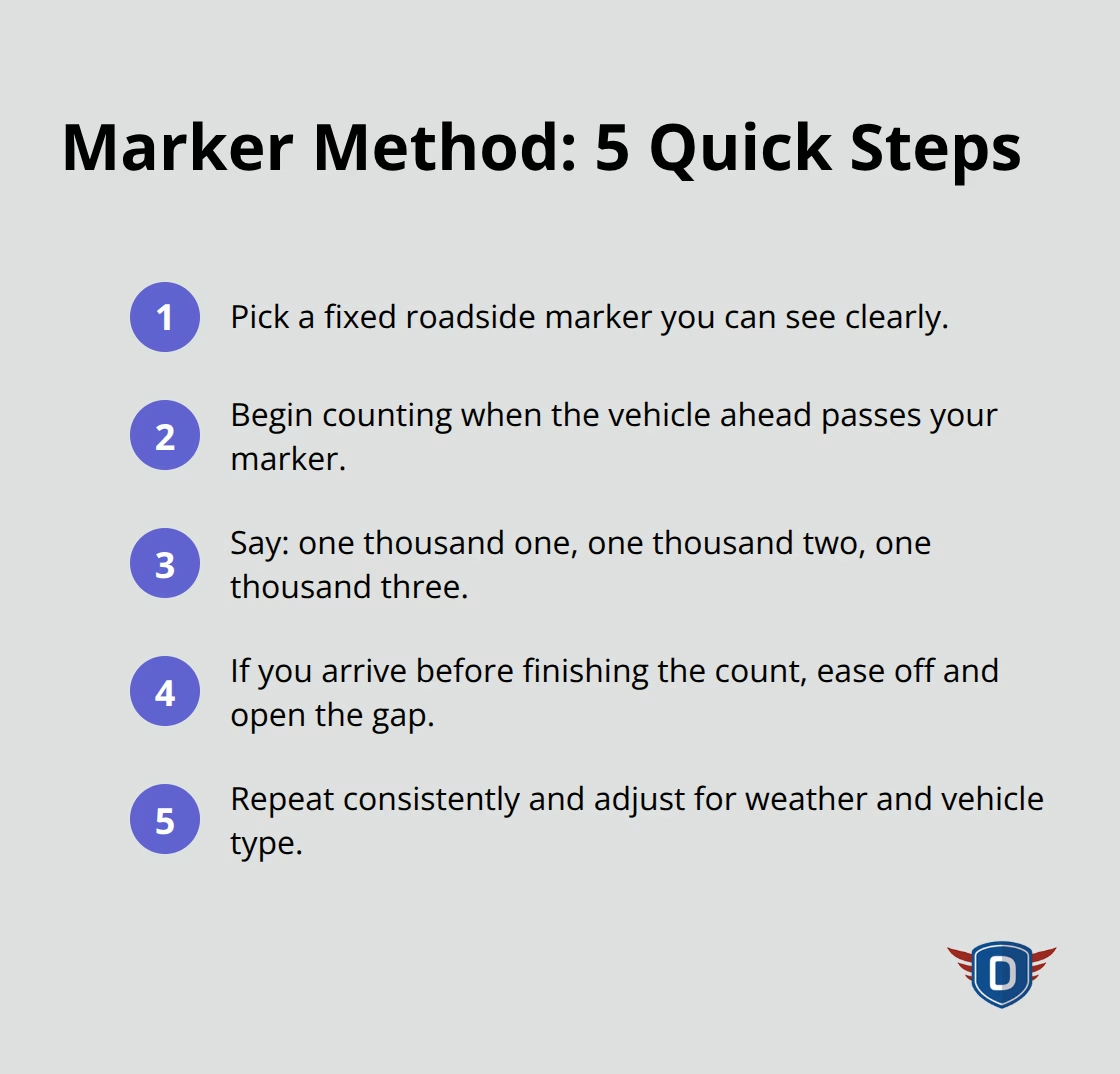
The marker method works perfectly in theory, but real traffic forces constant adjustments that most drivers never master. Pick a fixed point whenever you’re on the road-a sign, utility pole, or painted line-and use it consistently regardless of speed. When the vehicle ahead passes your marker, count: one thousand one, one thousand two, one thousand three. If you reach the marker before finishing, you’re too close and ease off the accelerator.
This technique removes emotion from the equation. You measure against physics instead of judging by feel or comparing yourself to other drivers. The National Safety Council confirms that this time-based approach works because it automatically accounts for speed-your vehicle naturally covers more distance per second as you accelerate, so the same three-second count provides more physical space at 60 mph than at 30 mph.
Adjusting for Rain and Wet Roads
Weather changes your baseline instantly, and most drivers fail here because they treat rain as a minor inconvenience rather than a fundamental shift in how their vehicle behaves. When rain falls, add one full second to your count immediately-move to four seconds. The National Highway Traffic Safety Administration specifically recommends this adjustment for bad weather because wet pavement reduces traction, extending your stopping distance significantly. Your brakes work the same way your tires grip the road, and wet asphalt grips far less than dry pavement. Ignoring this fact leads to skids, loss of control, and rear-end collisions when traffic stops unexpectedly.
Heavy Vehicles and Winter Conditions
If you drive an SUV or truck even in dry conditions, use five to six seconds from the start, not three. These vehicles require longer stopping distances due to their weight and braking characteristics, and adjusting your baseline prevents the dangerous gap between what feels safe and what actually protects you. In snow or ice, add two to three seconds beyond your normal count. Most drivers maintain their dry-weather distance during winter, which explains why rear-end collisions spike during the first snow of the season. Heavy vehicles towing loads demand the same aggressive adjustment-treat them like commercial trucks and maintain six seconds minimum.
Traffic Frustration and Physics
Your frustration with slow traffic means nothing when physics is involved. That three-second gap that feels excessive in bumper-to-bumper conditions is exactly where crashes happen. Closing the distance won’t speed up traffic; it only guarantees you’ll hit the car ahead when it stops suddenly. The marker method removes the temptation to tailgate because you’re measuring objectively rather than relying on your perception of what feels safe.
Final Thoughts
Safe following distance isn’t just a rule to memorize for a driving test. It’s the difference between arriving home safely and causing a crash that injures or kills someone. The three-second rule, marker method, and weather adjustments you’ve learned throughout this guide form the foundation of safe following techniques that work in every driving situation.
Knowing the technique and actually using it under pressure are two different things. Most drivers understand following distance in theory but abandon it when traffic frustrates them or when they’re running late. This gap between knowledge and action is where crashes happen, and closing that gap requires practice and conscious decision-making on every drive.
Start using the marker method today on your next drive. Pick a fixed point, count three seconds, and adjust for conditions. When you feel frustrated with slow traffic, closing the gap won’t get you there faster-it only guarantees a collision when the car ahead stops suddenly. Visit DriverEducators.com to explore our comprehensive driver education programs and take the next step toward becoming a safer, more confident driver on Florida’s roads.