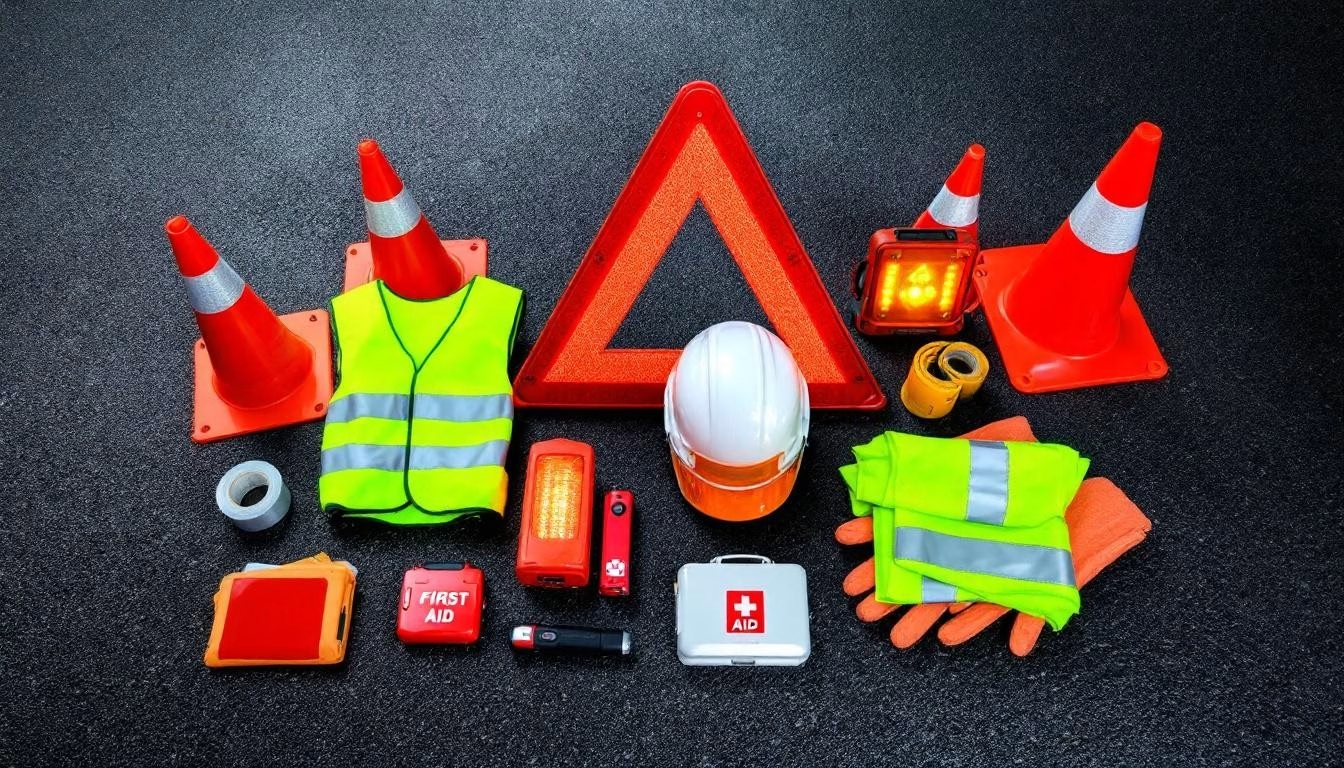
Your car’s safety depends on more than just your driving skills. Road safety equipment-from seat belts to advanced collision avoidance systems-forms the foundation of protection on every journey.
At DriverEducators.com, we know that proper equipment and regular maintenance can dramatically reduce accident risk. This guide covers the essential gear, cutting-edge technology, and maintenance practices that keep you and your passengers safer.
What Every Vehicle Needs for Real Protection
Seat Belts and Child Safety Seats Save Lives
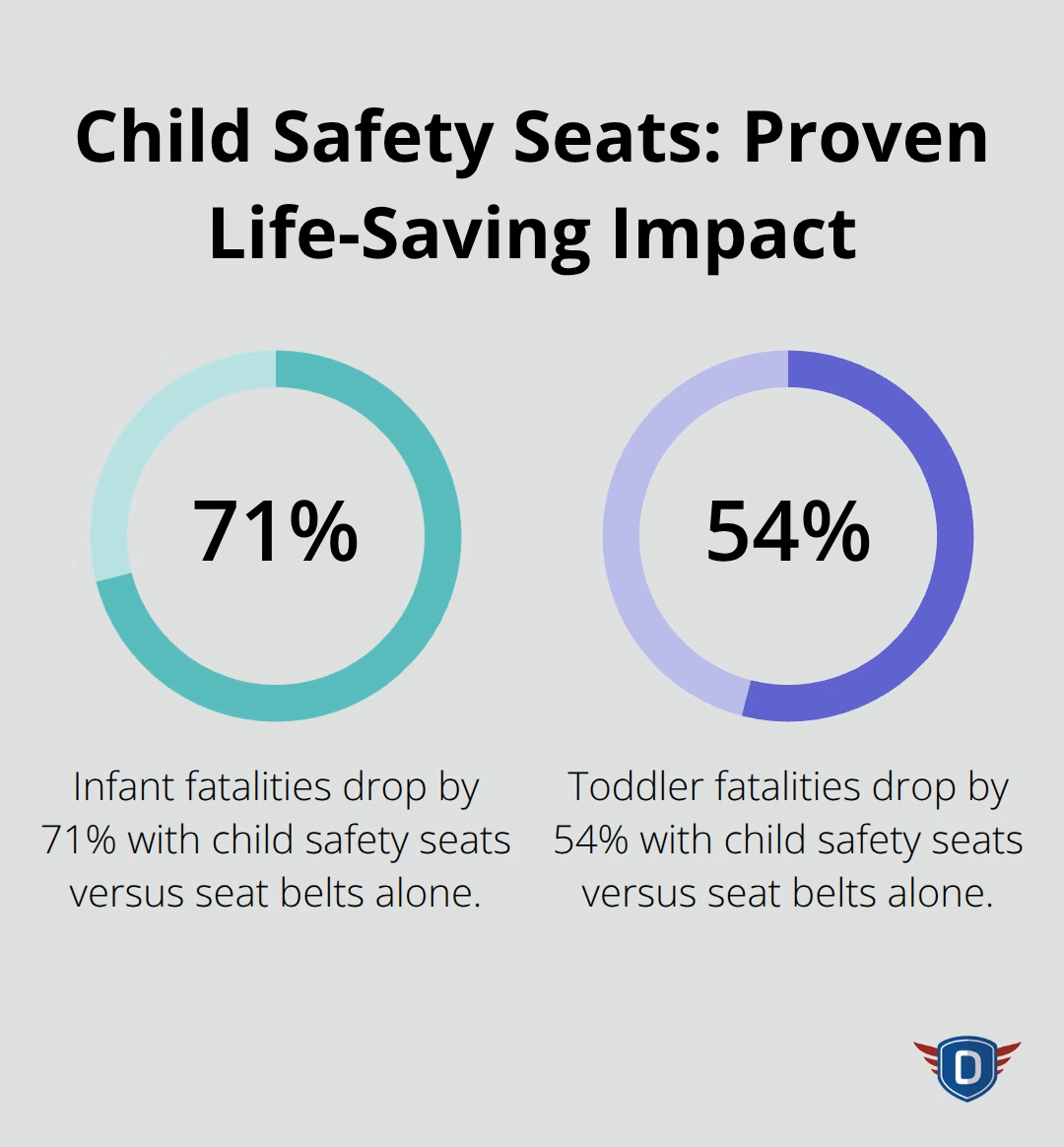
The three-point seat belt with pretensioners comes standard in every new vehicle sold today, and NHTSA data confirms it has saved hundreds of thousands of lives. Yet many drivers fail to use them consistently, or they adjust them incorrectly, which reduces their effectiveness significantly. A properly worn seat belt sits low across your hips and chest-never across your neck or stomach. For children in the vehicle, child safety seats are non-negotiable. Child safety seats reduce the risk of death by 71% for infants and 54% for toddlers compared to seat belts alone.
Most child seats are installed incorrectly, which undermines their protection entirely. Check your vehicle’s manual and the seat manufacturer’s guidelines carefully, or visit a certified child passenger safety technician who can verify proper installation at no cost.
Airbags Provide Comprehensive Protection
Front airbags have been standard since 1987 and have saved more than 50,000 lives. Modern vehicles now include side airbags and curtain airbags that deploy along the side windows and roof rails, protecting your head and torso in side-impact crashes. NHTSA has reengineered airbag systems to minimize injury risks for women and children, adjusting inflation speed and pressure based on crash severity and occupant position. This matters because older airbags sometimes caused injuries to smaller occupants or those sitting too close to the dashboard. If you drive an older vehicle without side or curtain airbags, upgrading to a newer model with a comprehensive airbag system gives you substantially better protection in real-world crashes.
Reflectors and Lights Make You Visible
Reflectors on your vehicle’s rear, sides, and wheels make you visible to other drivers in low-light conditions, yet many drivers neglect them or drive with damaged reflectors. Check your reflectors monthly and replace any that are cracked, faded, or missing-they cost little and take minutes to install. Your headlights and taillights should be clean and functional; a burned-out brake light can cause rear-end collisions. Test all lights monthly, including your backup lights and side-marker lights. High-visibility clothing (a reflective vest or jacket) becomes essential if you ever need to exit your vehicle on a roadway. Keep one in your glove compartment so you stay visible to approaching traffic if you break down or need to assess damage after a minor collision.
Advanced Safety Features Work Together
Electronic Stability Control (ESC) became mandatory in all new cars on September 1, 2011, and it helps prevent spin-outs and loss-of-control crashes. Rearview backup cameras became required on all new cars as of May 1, 2018, expanding rear visibility to reduce backover crashes. Blind spot warning systems use cameras or sensors to monitor adjacent lanes and alert you before unsafe lane changes occur.
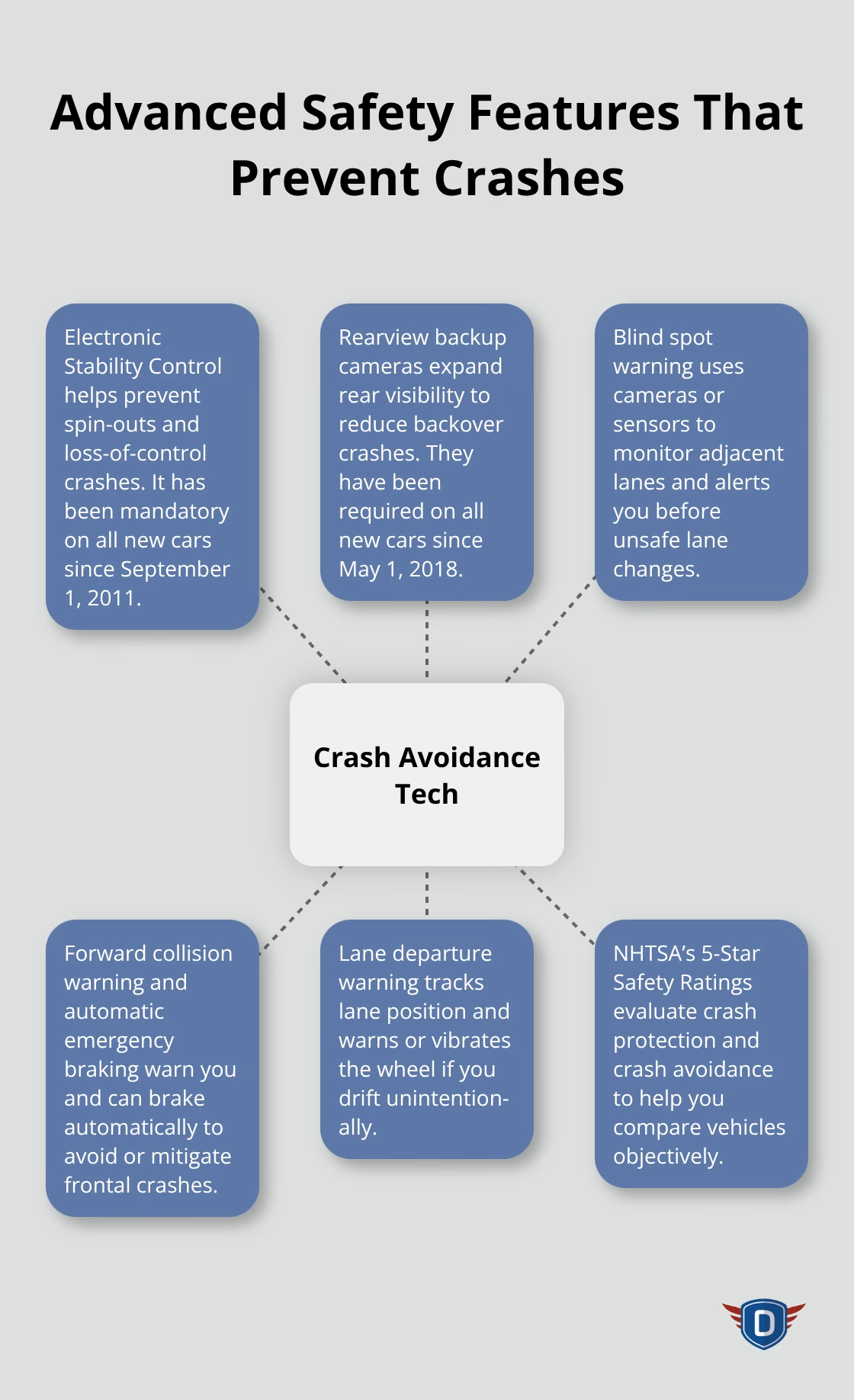
These technologies (forward collision warning, automatic emergency braking, lane departure warning, and adaptive cruise control) progress toward Level 1–2 automated driving and work together to prevent crashes before they happen. The 5-Star Safety Ratings program assesses both crash protection and rollover safety, evaluating the performance of crash avoidance technologies so you can compare vehicles objectively.
Modern vehicles integrate belts, airbags, ESC, cameras, and driver-assistance features into a comprehensive safety system. This layered approach means that when one system detects a hazard, others activate to protect you and your passengers. As you consider your next vehicle purchase or evaluate upgrades to your current one, these technologies represent the most effective way to reduce accident risk on today’s roads.
How Modern Cars Stop Crashes Before They Happen
Automatic Emergency Braking Reacts Faster Than You Can
Automatic emergency braking systems represent the biggest shift in collision prevention since airbags. According to NHTSA, these systems detect imminent frontal crashes and apply the brakes automatically if you don’t respond in time. Real-world data shows that automatic emergency braking reduces rear-end crashes by roughly 27%, while these systems deliver even stronger results in preventing low-speed collisions.
The system works through cameras and radar that monitor the road ahead continuously, calculating your speed relative to vehicles or obstacles in your path. If a collision appears unavoidable within the next 1–2 seconds, the system warns you first with visual and audio alerts. If you don’t brake, the system engages the brakes with full force, often stopping the vehicle completely or reducing impact severity enough to prevent injury. This matters because human reaction time averages 1.5 seconds-the system reacts faster than you can.
Blind Spot and Lane Departure Systems Prevent Drift Crashes
Blind spot warning systems function differently but serve the same purpose: they use cameras or radar sensors mounted on your vehicle’s sides to monitor adjacent lanes and alert you before you drift into another vehicle’s path. Lane departure warning systems track your position within your lane and vibrate the steering wheel or seat if you cross lane markings unintentionally, which helps prevent head-on collisions caused by drowsiness or distraction.
These technologies work best when you trust them and respond to their alerts rather than ignoring them as nuisances. Many drivers disable these systems or override their warnings, which defeats their entire purpose. Treating these alerts as helpful guidance rather than annoyances significantly improves your crash avoidance on every drive.
Dash Cams and Black Box Recorders Document What Happened
Dash cams and black box recorders serve a different function: they document what happened during a crash so insurance companies and law enforcement have objective evidence. Dash cams record continuous video from your vehicle’s perspective, capturing the moments leading up to an accident, the collision itself, and immediate aftermath. If another driver causes a crash and claims you were at fault, dash cam footage protects you from false claims and insurance fraud.
Black box recorders store data like vehicle speed, braking force, throttle position, and steering input during the seconds surrounding a crash, providing forensic-level detail about how the accident occurred. Insurance companies increasingly recognize this data as valuable evidence, and some insurers offer discounts to drivers who install dash cams or use telematics programs that monitor driving behavior.
Building Your Complete Safety Strategy
The combination of collision avoidance technology and recording devices creates a comprehensive safety strategy: the first prevents crashes from happening, and the second documents proof if one does occur. When purchasing or upgrading your vehicle, try to prioritize models that include automatic emergency braking and blind spot warning as standard features. For older vehicles without these systems built in, aftermarket dash cams cost between $100–$400 and install easily on your windshield, providing protection and documentation that your vehicle’s safety features alone cannot deliver.
Yet technology alone cannot protect you if your vehicle’s mechanical systems fail. Worn brakes, bald tires, and faulty lighting undermine every advanced safety feature your car possesses, which is why regular maintenance and inspections form the final layer of your protection strategy.
Why Maintenance Matters More Than You Think
Technology and design improvements protect you only when your vehicle’s mechanical systems work properly. A car with automatic emergency braking and blind spot warning still crashes if your brakes fade, your tires are bald, or your lights don’t function. Maintenance isn’t optional-it’s the foundation that allows every safety feature to perform as designed. NHTSA data shows that proper tire maintenance and brake inspections prevent thousands of crashes annually, yet most drivers ignore warning signs until a failure occurs on the road.
Tire Maintenance Prevents Hydroplaning and Blowouts
Your tires carry your entire vehicle’s weight and are the only contact point between your car and pavement, yet many drivers check them once yearly or not at all. Tread depth directly affects your ability to stop and your resistance to hydroplaning in wet conditions. The penny test works but wastes time-use a proper tire depth gauge instead, which costs under $10 and takes seconds. Federal standards require a minimum of 2/32 inch tread depth, but wet traction deteriorates significantly at this level. Professional tire shops recommend replacing tires at 4/32 inch depth if you drive in wet climates frequently, giving you a safety margin that the legal minimum doesn’t provide.
Check pressure monthly using a reliable gauge, not the tire pressure monitoring system alone, since that system alerts you only when pressure drops dangerously low. Underinflated tires create excess heat, wear faster, and reduce fuel efficiency while increasing blowout risk. Your vehicle’s door jamb lists the correct pressure for your specific model-follow that number, not the maximum pressure printed on the tire sidewall.
Brake System Failures Happen Without Warning
Brakes and lighting systems fail silently until you need them, which is why regular inspections prevent catastrophic failures. Have your brake system inspected annually or whenever you notice soft pedal feel, grinding sounds, or longer stopping distances. Replace brake fluid every two years to prevent corrosion and potential failure.
Lights and Wipers Demand Monthly Attention
Test all exterior lights monthly-headlights, taillights, brake lights, backup lights, and side markers-by walking around your vehicle while a friend or family member operates each control. A single burned-out brake light increases your rear-end crash risk substantially because following drivers lack clear warning of your deceleration. Windshield wipers deteriorate from sun exposure and use, leaving streaks or skipped areas that reduce visibility in rain.
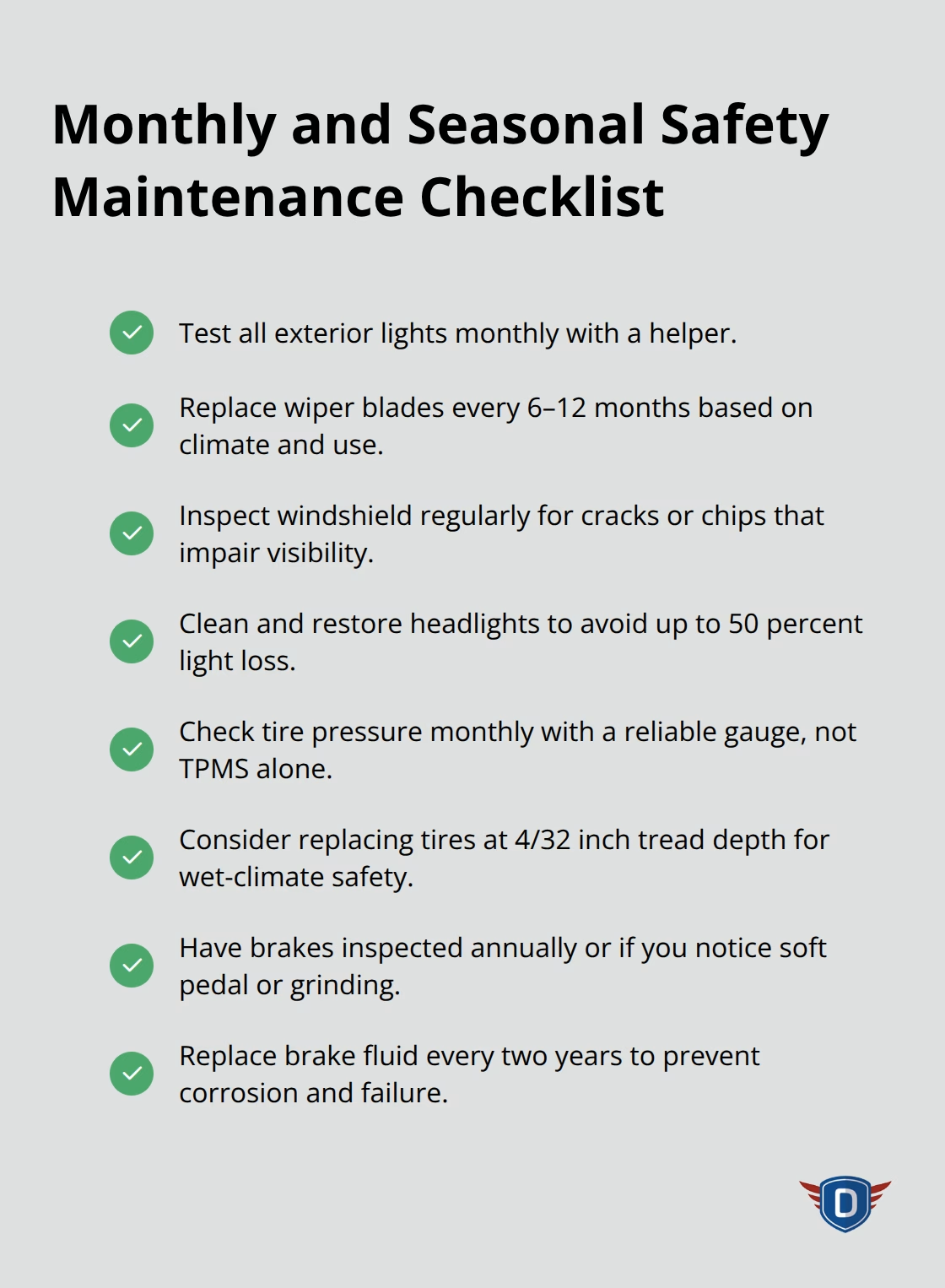
Replace wiper blades every 6–12 months depending on climate and use frequency.
Your windshield itself needs regular inspection for cracks or chips that impair visibility or compromise structural integrity during a collision. Dirty headlights reduce light output by up to 50 percent, so clean them regularly and consider restoration if they’re yellowed or oxidized (this simple step takes minutes and costs nothing). These maintenance tasks require minimal time and cost but prevent crashes that insurance claims, medical expenses, and lost productivity make far more expensive.
Final Thoughts
Road safety equipment protects you only when you use it consistently and maintain it properly. Modern cars are dramatically safer than vehicles from decades past-the average vehicle on the road had an estimated 56% lower fatality risk in 2012 than vehicles from the late 1950s, thanks to engineering advances and crash data research. This improvement came from integrating multiple layers of protection into every vehicle, and your responsibility is to maintain those layers.
Check your tires monthly, test your lights regularly, and have your brakes inspected annually. Replace worn wipers, keep your windshield clean, and address warning signs immediately rather than waiting for a failure on the road. These maintenance tasks take minutes but prevent crashes that cost thousands in repairs, medical bills, and lost time.
When you’re ready to upgrade your vehicle or want to deepen your understanding of safe driving practices, we at DriverEducators.com offer comprehensive driver education programs designed to help you adopt lifelong safe driving habits. Our Florida-approved traffic school courses blend clear instruction with real-life scenarios, covering defensive driving techniques, crash avoidance strategies, and how your decisions affect safety on every journey.