Traffic violations stick around on your driving record, but they don’t have to stay there forever. We at DriverEducators.com know that point dismissal options exist to help you clean your record and lower your insurance costs.
This guide walks you through traffic school programs, defensive driving techniques, and legal pathways to remove points from your record.
How Florida Traffic School Removes Points From Your Record
Understanding Florida’s Point System
Florida’s traffic school system works differently than most states because it directly addresses points on your driving record. When you complete an approved course, the Florida Department of Highway Safety and Motor Vehicles removes up to three points from your record.
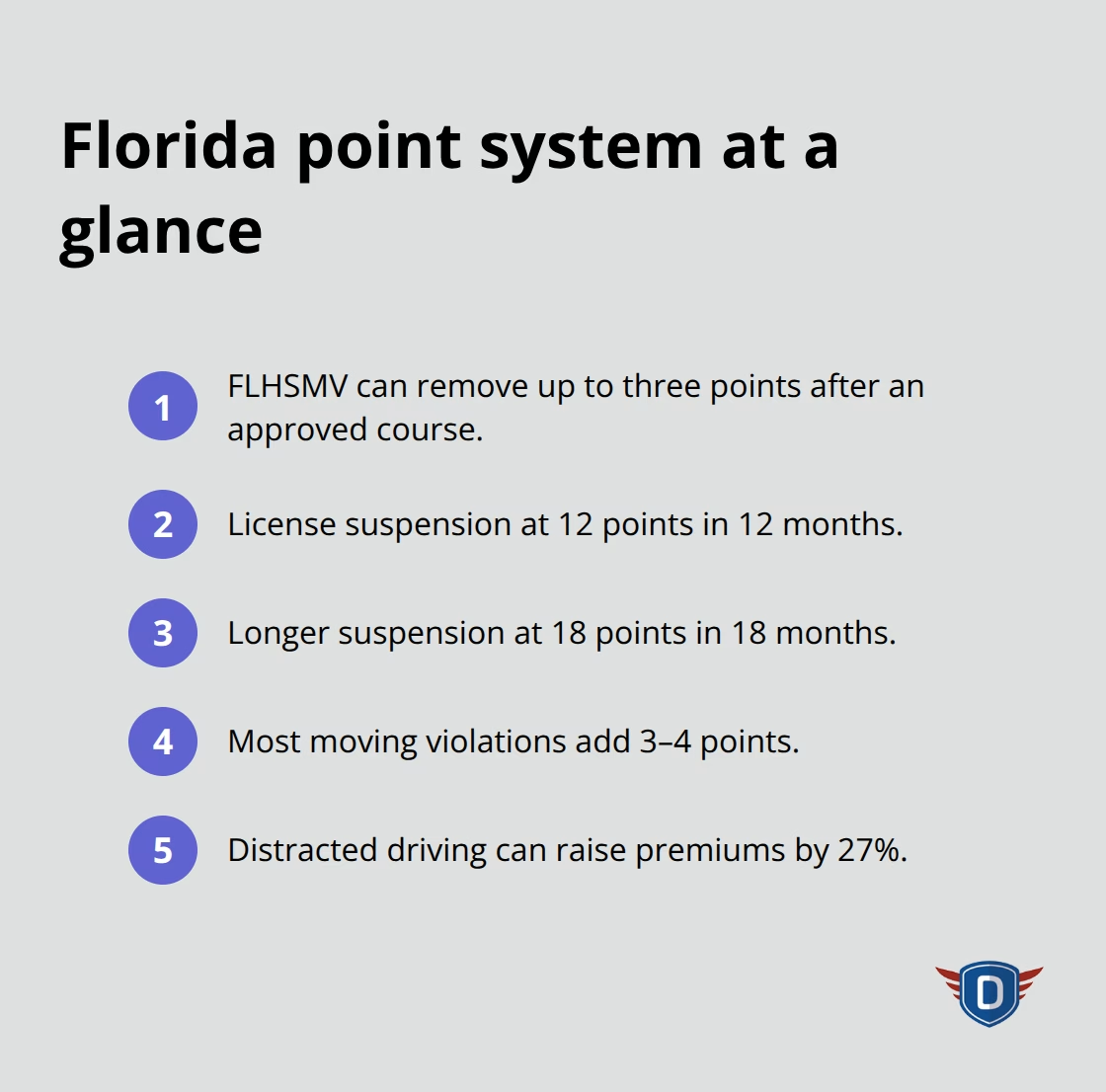
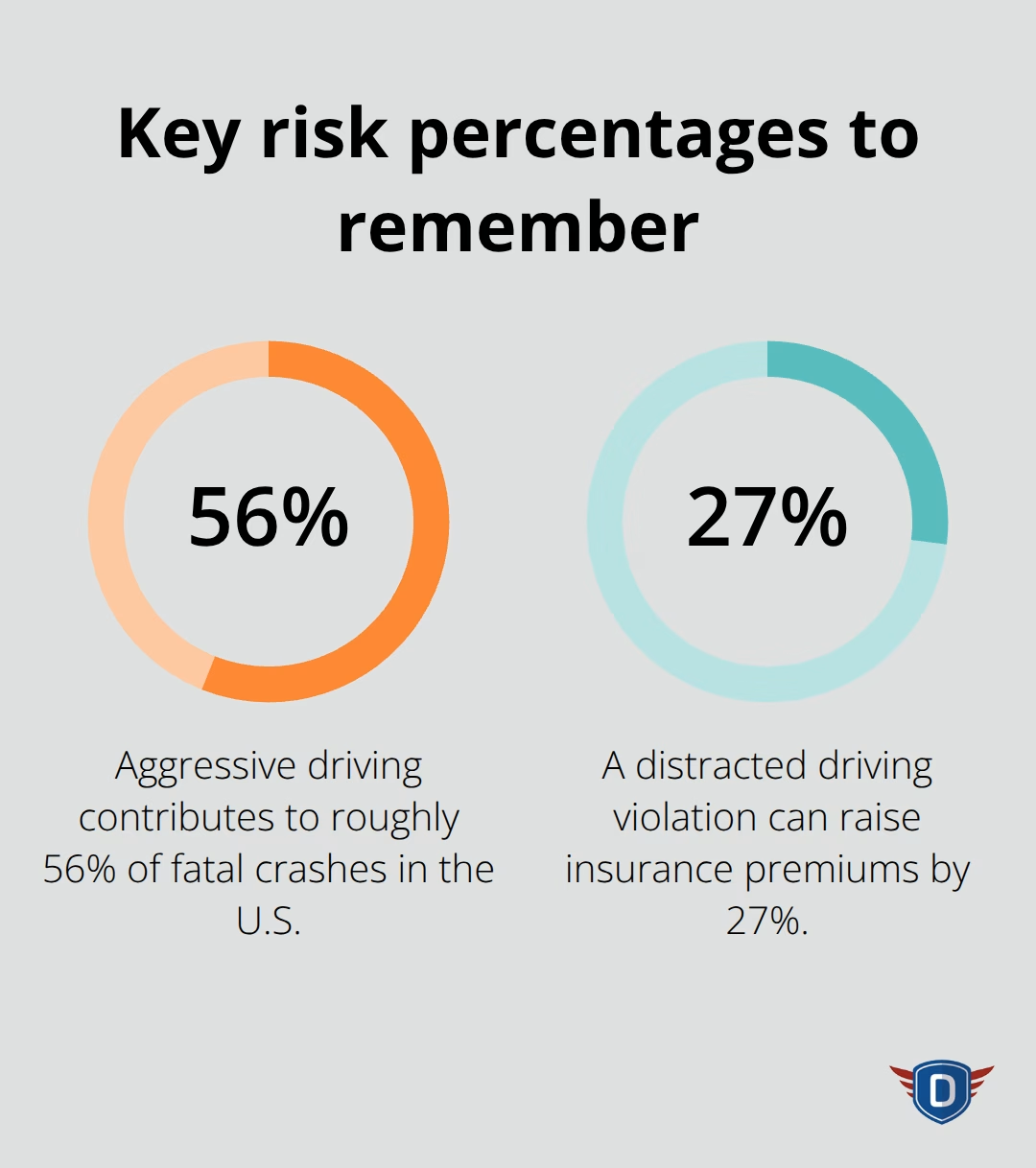
This matters because Florida’s point system is aggressive: accumulate 12 points within 12 months and your license gets suspended. Accumulate 18 points within 18 months and you face a longer suspension. The Zebra reports that moving violations like speeding, running a red light, or failing to signal typically add 3–4 points to your record. A distracted driving violation can add even more and raise your insurance premiums by 27% in some cases.
Acting Within the Time Window
Traffic school eliminates these consequences if you act quickly. You have 30 days from the citation date to request traffic school in most Florida counties, though some counties allow requests up to one year after the violation. Missing this window means you lose the option entirely, so timing matters. The sooner you enroll, the sooner points drop from your record and your insurance rates stabilize.
Course Options and Eligibility
DriverEducators.com offers Florida-approved programs that meet the strict requirements set by the FLHSMV. Our Basic Driver Improvement course runs 4 hours and works for most first-time violators seeking point reduction. The Intermediate Driver Improvement course spans 8 hours for court-ordered attendance or drivers wanting comprehensive instruction. Eligibility requires that you hold a valid Florida driver’s license, have not attended traffic school within the past 12 months for point reduction, and received a moving violation.
Completion and Point Removal
Once you complete the course, we report your certificate directly to FLHSMV, and points drop from your record within 10 business days. The insurance benefit kicks in after points are removed: The Zebra’s data shows that a clean record can reduce your premiums significantly over time, particularly when you combine point dismissal with other discounts. Our courses are fully online, self-paced, and available in English, Spanish, and Portuguese, so you control when and how fast you progress through the material.
What Happens Next
With points removed and your record improving, the real work begins. Defensive driving techniques prevent future violations and protect the progress you’ve made through traffic school.
How Defensive Driving Prevents Future Violations
The Real Cost of Violations
Removing points from your record solves today’s problem, but defensive driving prevents future violations prevents tomorrow’s violations. The National Highway Traffic Safety Administration reports that aggressive driving contributes to roughly 56% of fatal crashes, and distracted driving kills nearly 3,500 people annually in the United States. These aren’t theoretical risks-they happen on roads you drive every day. One violation erases the progress you made through traffic school and resets your insurance rates upward.
Safe Following Distances and Speed Control
Defensive driving isn’t about being overly cautious; it’s about recognizing hazards before they force you into a violation or worse. Safe following distances matter because they give you reaction time when the car ahead brakes suddenly. The standard recommendation is one car length for every 10 mph of speed, but that’s a minimum. At 55 mph, you need at least 6 seconds of space between your vehicle and the one in front. If you check your phone, adjust the radio, or eat, you’ve already lost that buffer.
Speed management works similarly-staying 5 mph under the limit on highways and residential streets eliminates most speeding violations while keeping you in control during unexpected situations. This approach costs nothing and protects your record immediately.
Navigating High-Risk Situations
High-risk driving situations cluster around specific times and places: dawn and dusk commutes, highway merges during rush hour, and intersections with poor sightlines. Rather than powering through these zones, adjust your speed, increase your following distance, and eliminate distractions entirely. Your phone should sit in your glove compartment, not in your hand or lap. These adjustments take seconds but prevent violations that would cost thousands in fines and insurance increases.
Managing Distractions and Impaired Driving
Distracted driving enforcement has intensified across Florida and nationwide. Texting while driving carries a base fine of $30, but distracted driving violations can raise insurance premiums. Impaired driving prevention starts with honest self-assessment: if you’ve had any alcohol, use a rideshare service or call someone to pick you up. The legal blood alcohol limit is 0.08%, but impairment starts at lower levels, and a DUI conviction stays on your driving record for 5 to 10 years in Florida, depending on circumstances. A single DUI costs $10,000 or more in fines, legal fees, and increased insurance rates.
Building Lasting Driving Habits
The behavioral shift required after traffic school isn’t about fear-it’s about recognizing that your driving habits directly impact your wallet, your safety, and your freedom. Developing consistent routines eliminates the temptation to rush or take shortcuts. Plan to leave 10 minutes earlier so speed isn’t necessary. Mount your phone where you can see it without picking it up, or use voice commands only. These small adjustments compound over months and years, keeping your record clean and your insurance rates low. With your defensive driving foundation solid, the next step involves understanding how the legal system and insurance companies reward your progress.
Legal Pathways and Insurance Rewards
Court-Ordered vs. Voluntary Traffic School
Court-ordered traffic school and voluntary enrollment create two distinct paths to point reduction, each with different implications for your record and insurance rates. When a judge orders you to complete traffic school, you fulfill a legal obligation tied to your citation, and completion becomes a prerequisite for point reduction or license reinstatement in some cases. Voluntary enrollment happens when you choose to attend before a court date or when no court order exists. Florida allows you to request traffic school voluntarily within 30 days of your citation in most counties, and this proactive approach often prevents court involvement altogether.
The Zebra reports that drivers who complete traffic school voluntarily avoid court fines averaging $150 to $300 and keep their records cleaner for insurance purposes. When you enroll voluntarily, you control the timeline and demonstrate to your insurance company that you take responsibility before legal pressure forces action. Courts view this favorably if your case reaches a hearing, and insurance companies reward it with better rates because you show commitment to safer driving before consequences escalate.
Insurance Premium Reductions After Point Dismissal
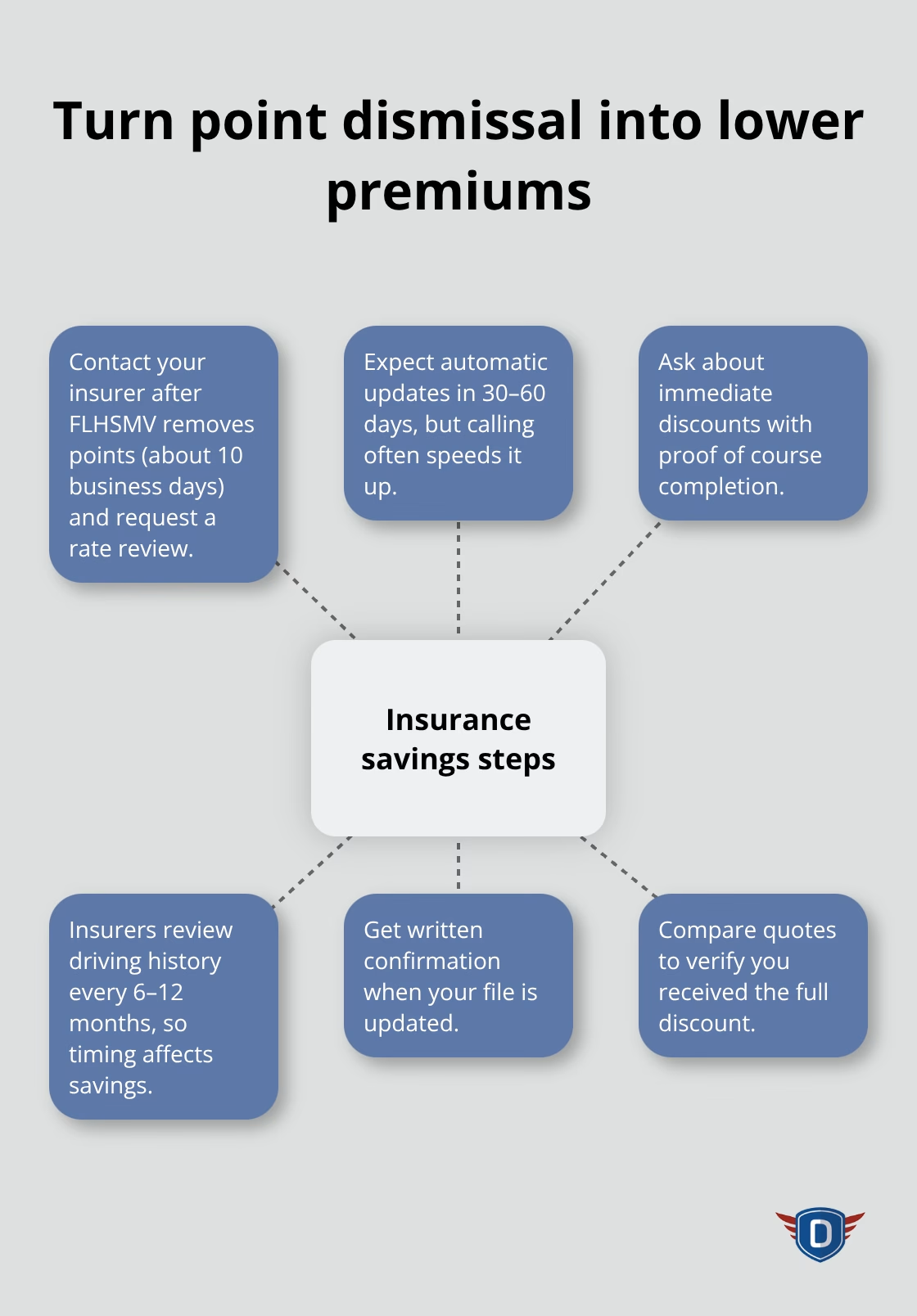
Insurance premium reductions after point dismissal arrive faster than most drivers expect, but the amount depends entirely on your insurer’s specific policies and your driving history. The Zebra’s Traffic Violations Report shows that a single moving violation raises premiums by an average of 2 to 70 percent depending on the offense type. After your certificate reaches FLHSMV and points disappear from your record within 10 business days, contact your insurance company to request a rate review.
Many insurers automatically update your file within 30 to 60 days once the state removes points, but calling to confirm accelerates the process. Some insurers offer immediate discounts upon proof of course completion, even before FLHSMV processes your certificate, so ask whether your company provides this benefit. The timeline for points removal matters because insurance companies typically review your driving history every six months to a year, and waiting to report your accomplishment costs you months of unnecessary premium overages.
Documenting Your Progress for Maximum Savings
Document your completion certificate and maintain copies for your insurer because this proof becomes your leverage for negotiating lower rates. Request written confirmation from your insurer once they update your file, and compare quotes from competing insurers to verify you received the full discount available to you.
Final Thoughts
You now have three pathways to clean your driving record: traffic school enrollment, defensive driving habits, and leveraging legal options with your insurance company. Point dismissal options work fastest when you act within 30 days of your citation, complete an approved course, and request a rate review from your insurer. The financial impact compounds over time-removing three points from your record prevents license suspension, stabilizes your insurance premiums, and protects your driving privileges for years ahead.
A clean record keeps your license active, qualifies you for better insurance rates, and eliminates the stress of managing violations. The defensive driving habits you develop prevent future violations entirely through safe following distances, speed management, and distraction elimination. These practices become automatic after weeks of consistent application, transforming how you approach every road situation (and they cost nothing but deliver protection every time you drive).
Delays cost money because every month you wait to enroll in traffic school means another month your insurance company charges higher premiums based on points still on your record. We at DriverEducators.com make enrollment simple through our Florida-approved traffic school programs designed specifically for drivers like you, with courses that remove up to three points from your record and report directly to FLHSMV within ten business days.