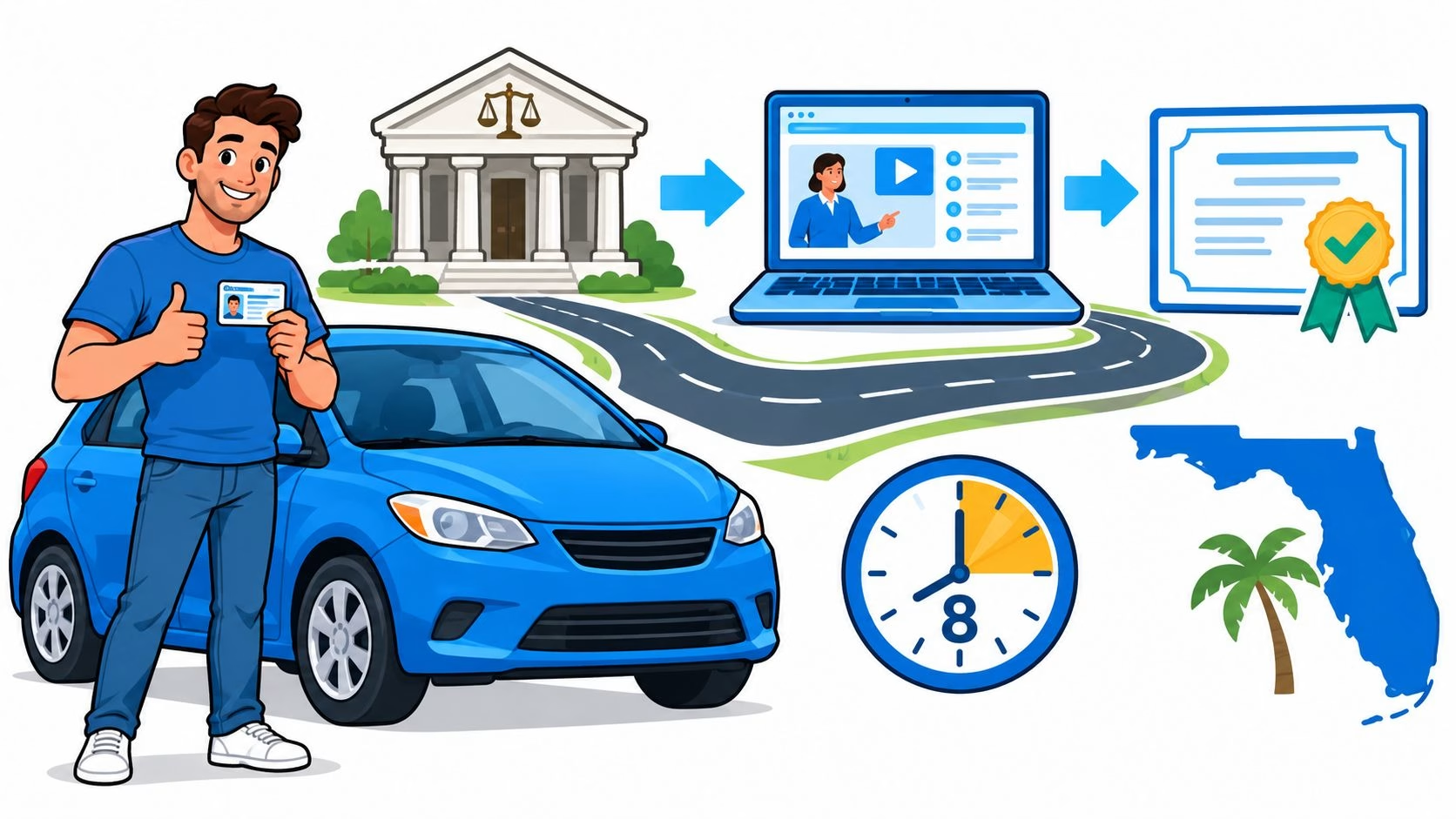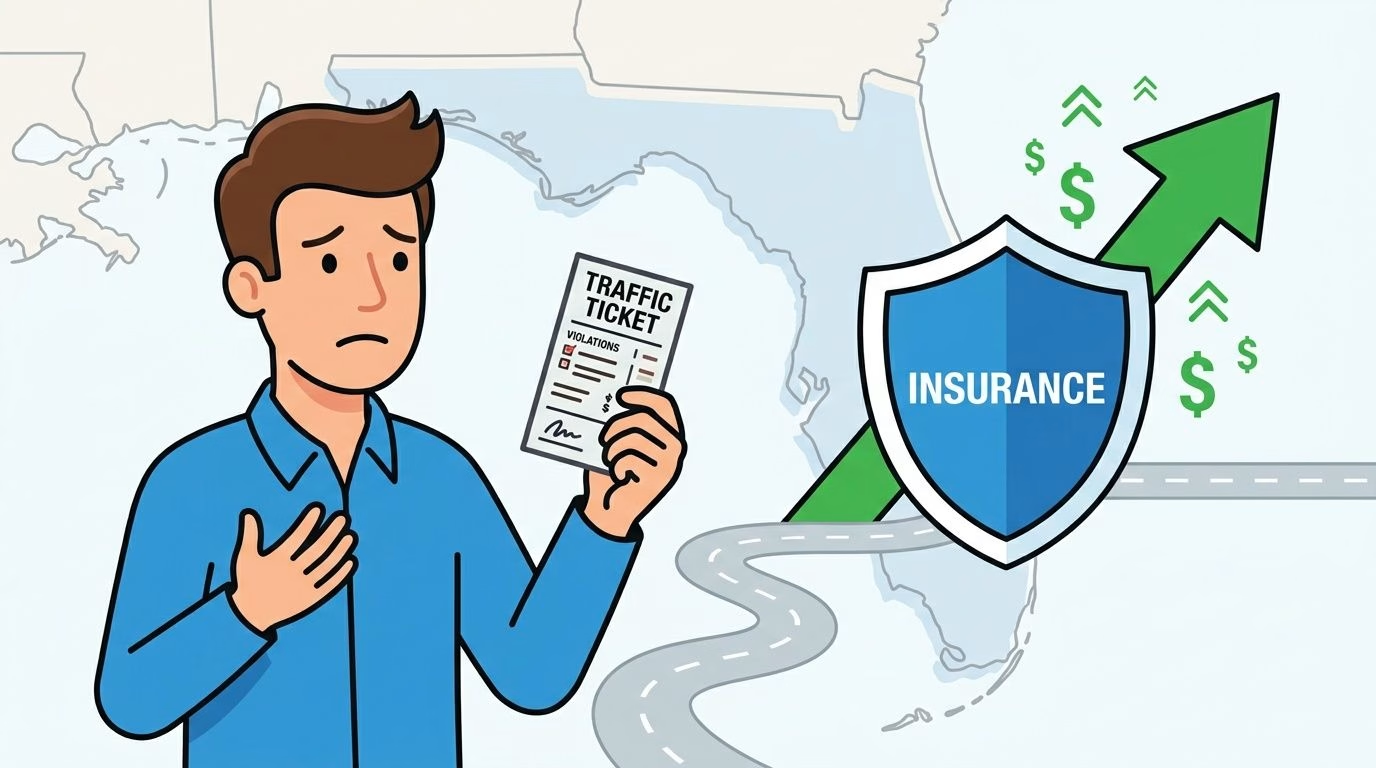
A ticket notice, court order, or insurance renewal can create the same immediate question: do you need an insurance course versus traffic school? The names may sound similar, and both teach safer driving habits, but they usually serve different purposes. Enrolling in the wrong course can delay a dismissal request, fail to satisfy a court requirement, or leave you without the insurance discount you expected.
The right choice starts with the reason you need training. Read the wording on your citation, court notice, DMV letter, or insurer communication carefully. That document – not a course title alone – determines which program you need.
Insurance Course Versus Traffic School: The Main Difference
An insurance course is generally a driver safety class taken voluntarily to qualify for an auto insurance premium discount. It is often designed for mature drivers, although eligibility rules vary by insurer and state. The course refreshes defensive driving knowledge, safe vehicle operation, hazard awareness, and current traffic laws.
Traffic school is usually connected to a traffic citation, court instruction, DMV requirement, or driver improvement obligation. Depending on the state, it may be called basic driver improvement, defensive driving, traffic violator school, intermediate driver improvement, or another approved program. Its purpose may be to prevent points, seek ticket dismissal, meet a court condition, restore driving privileges, or fulfill a required education step.
Both types of courses can make drivers more informed and safety-focused. The practical difference is the outcome attached to completion. An insurance course is typically about a potential policy discount. Traffic school is typically about meeting an official requirement related to a violation or driving record.
When an Insurance Course Is the Better Fit
Choose an insurance course when your insurer confirms that it accepts a qualifying driver safety or mature driver program for a discount. Before you enroll, ask the insurer which course type it accepts, whether there is a minimum age requirement, how long the discount lasts, and what completion document it needs.
Many insurers offer discounts to eligible mature drivers because continued education can help reinforce safer decisions behind the wheel. The available savings are not universal, and the amount can depend on your carrier, policy, state, age, and driving history. A course certificate does not automatically guarantee a discount.
An approved online insurance course can be especially useful for drivers who want a self-paced option. You can complete lessons around work, family, and appointments rather than attending a scheduled classroom session. Still, approval matters. Confirm that the course is recognized by your insurer before paying or beginning coursework.
What an Insurance Course Usually Covers
Insurance discount programs commonly address defensive driving techniques, changes in traffic laws, the effects of aging on driving, distraction prevention, alcohol and drug impairment, sharing the road, and crash avoidance. The goal is practical: help drivers recognize risks earlier and make safer choices.
The course does not usually erase a recent citation, remove points, or replace a court-ordered program. If you received a ticket, an insurance course may be beneficial for safety and savings, but it may not satisfy the citation requirement.
When Traffic School Is the Better Fit
Traffic school is the appropriate option when a court, clerk, DMV, licensing agency, or citation instructions tell you to complete a specific course. In many cases, you must elect the option, register, or obtain permission before a deadline. Waiting until after you finish a course to verify eligibility can create avoidable problems.
A traffic school requirement may follow a moving violation, a license-related issue, a court disposition, or a state driver improvement notice. Some programs are voluntary, allowing eligible drivers to reduce the impact of a qualifying citation. Others are mandatory and assigned because of prior violations, point accumulation, or a specific offense.
The course title matters because states use different terminology. For example, Florida drivers may encounter Basic Driver Improvement (BDI), Traffic Law and Substance Abuse Education (TLSAE), Driver Education Traffic Safety (DETS), intermediate driver improvement, or aggressive driver programs. These courses are not interchangeable simply because they all involve driver education.
What Traffic School Can and Cannot Do
Completing an approved traffic school may help you satisfy a court or DMV requirement, comply with an election option, or meet conditions related to a citation. Whether it prevents points, supports dismissal, or affects a fine depends on local rules and the facts of your case.
Traffic school does not guarantee that a ticket disappears or that insurance rates will not change. Your driving record, insurer underwriting rules, the type of offense, prior violations, and state reporting requirements can all affect the result. Always follow the instructions from the authority handling your case.
Compare the Requirements Before You Enroll
The easiest way to avoid the wrong course is to identify who is requesting it. If the request comes from your insurance company, ask about its accepted discount course. If it comes from a court, DMV, clerk, or citation, locate the exact approved program and completion deadline.
Check these details before registering:
- The required course name and approval status in your state or jurisdiction
- The deadline to elect, enroll, finish, and submit proof of completion
- Whether you need permission before taking the course
- How your certificate is reported or delivered after completion
- Whether your insurer, court, or DMV requires a specific provider or format
Online courses are convenient, but convenience does not replace eligibility. A mobile-friendly, self-paced course is useful only if it meets the requirement connected to your situation.
Can One Course Serve Both Purposes?
Sometimes a traffic school completion certificate may be accepted by an insurance company for a discount, but you should never assume it will be. Insurers set their own eligibility standards and may only recognize certain course types, providers, ages, or approval designations.
The reverse is less likely. An insurance discount course usually will not satisfy a court or DMV traffic school requirement unless the issuing authority specifically confirms it. A court may require a particular number of hours, a state-approved curriculum, identity verification, a final exam, or direct reporting procedures that an insurance course does not include.
If you are hoping to meet both needs with one course, get confirmation from both the insurer and the authority handling your ticket. Keep records of the approval information and your completion certificate until the matter is fully resolved.
A Simple Decision Process
Start with the document that prompted you to look for a course. A policy renewal notice or insurer recommendation points toward an insurance discount course. A citation, court order, DMV letter, or licensing requirement points toward traffic school or a specifically named driver improvement program.
Next, verify the exact program requirements. Contact the insurer for discount eligibility questions. Contact the court, clerk, DMV, or agency listed on your notice for ticket, point, deadline, and reporting questions. Course providers can explain how their programs work, but they cannot change an agency’s rules or predict the outcome of your case.
Finally, choose an approved course that fits your schedule and device preferences. A reliable online provider should clearly explain pricing, approval information, course access, certificate delivery, and available support. DriverEducators.com offers online driver education and traffic safety programs designed to help eligible drivers complete approved requirements on their own schedule.
Frequently Asked Questions
Is traffic school the same as an insurance course?
No. Traffic school generally addresses a ticket, court, DMV, or driver improvement requirement. An insurance course is generally taken to seek an eligible insurance premium discount.
Will traffic school lower my insurance rate?
It may, but only if your insurer accepts that course for a discount. Ask your insurance carrier before enrolling and submitting a certificate.
Can I take an insurance course for a court ticket?
Usually no. A court ticket requires the exact course or program approved by the court or jurisdiction, unless the court confirms that an insurance course is acceptable.
Do I need to finish traffic school by the ticket due date?
Often, yes, but deadlines vary. Some jurisdictions require you to elect traffic school before the due date and complete it by a separate deadline.
Does online traffic school count?
It can count when the course is approved for your state, court, or requirement. Verify approval and reporting procedures before you begin.
The best course is not simply the fastest one to complete. It is the one that matches the requirement in front of you, is approved where it needs to be approved, and gives you clear proof that you have taken the next responsible step.