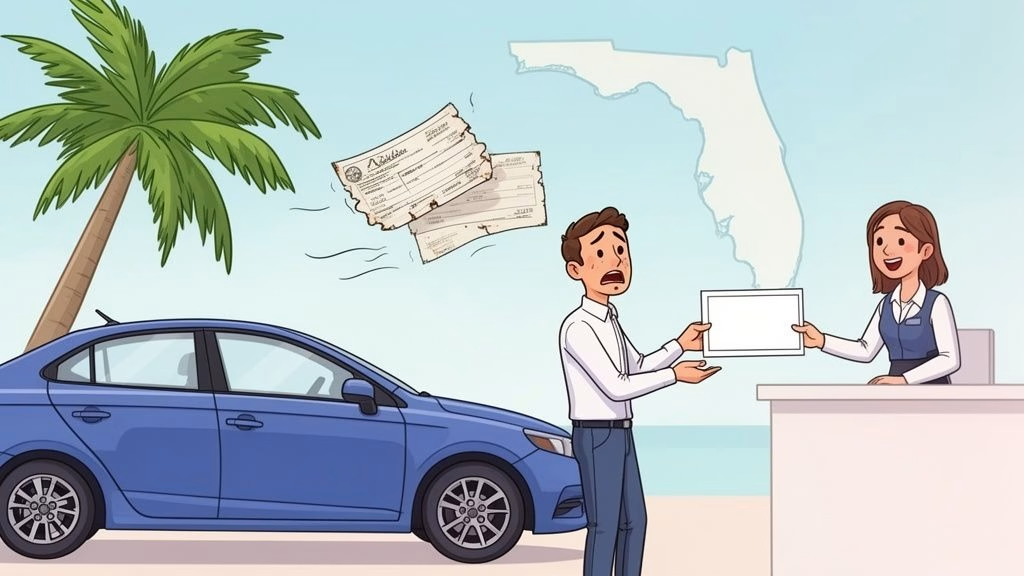
Impaired driving kills someone every 39 minutes on U.S. roads, according to the National Highway Traffic Safety Administration. At DriverEducators.com, we believe impaired driving prevention starts with understanding the threat and knowing how to protect yourself.
The good news: defensive driving skills can help you spot impaired drivers before they become a danger. This guide walks you through the warning signs, smart positioning tactics, and Florida’s DUI laws.
The True Cost of Impaired Driving on Roads
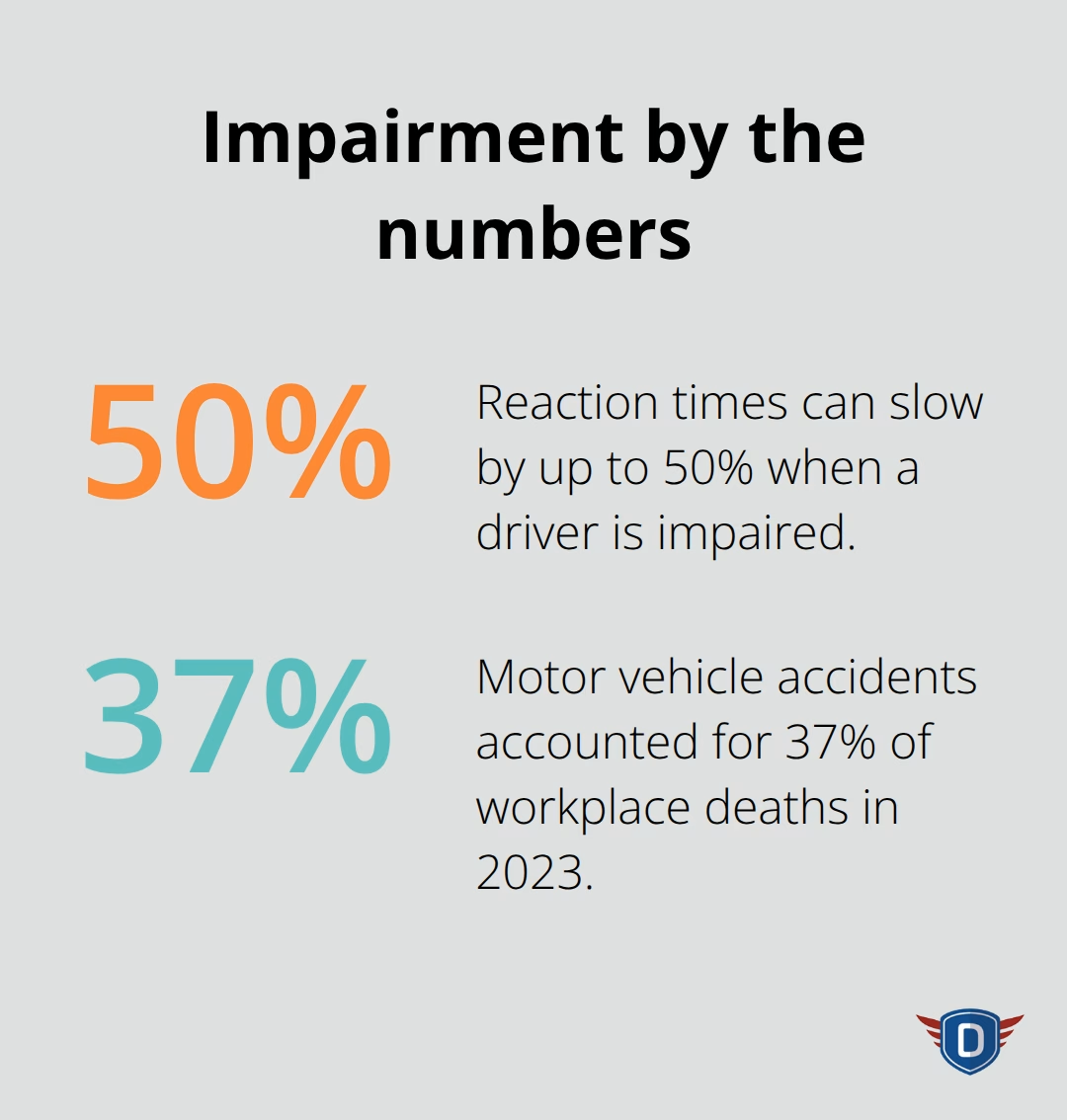
Impaired driving costs the U.S. economy roughly $52 billion annually, according to State Farm. Yet this figure only captures financial losses-the real damage shows up in reaction times that slow by up to 50 percent when a driver is impaired, making split-second decisions nearly impossible.
How Impairment Degrades Reaction Time and Judgment
Alcohol impairs judgment first, which explains why impaired drivers often fail to recognize their own danger. Fatigue creates similar hazards-a driver awake for 18 hours performs as poorly as someone with a blood alcohol content of 0.05 percent. Medications prescribed for common conditions like anxiety or allergies can degrade alertness just as much as a few drinks. The National Highway Traffic Safety Administration reports that impaired driving kills someone every 42 minutes on U.S. roads. In 2023 alone, motor vehicle accidents accounted for 37 percent of workplace deaths, killing more than 1,700 workers.
Why Impaired Drivers Lose the Ability to Assess Risk
An impaired driver loses the ability to assess risk accurately. The brain’s prefrontal cortex, which handles judgment and impulse control, shuts down first under impairment. This means an impaired driver speeds without hesitation, follows too closely without concern, and misjudges distances with dangerous confidence. Drowsy drivers face the same problem-they cannot evaluate whether they remain safe to continue. Prescription medications compound the issue because drivers often fail to realize they are impaired at all. The combination of slower reaction time and poor judgment creates a collision waiting to happen.
Defensive Driving Prepares You for the Unexpected
Defensive driving works precisely because it assumes other drivers might be impaired, fatigued, or distracted-and prepares you to react faster than they can. This approach (recognizing hazards before they develop) gives you the edge you need on roads where impaired drivers operate. Understanding these dangers sets the stage for learning the specific techniques that help you spot and avoid impaired drivers before they threaten your safety.
Spot an Impaired Driver Before They Hit You
Recognize the Warning Signs
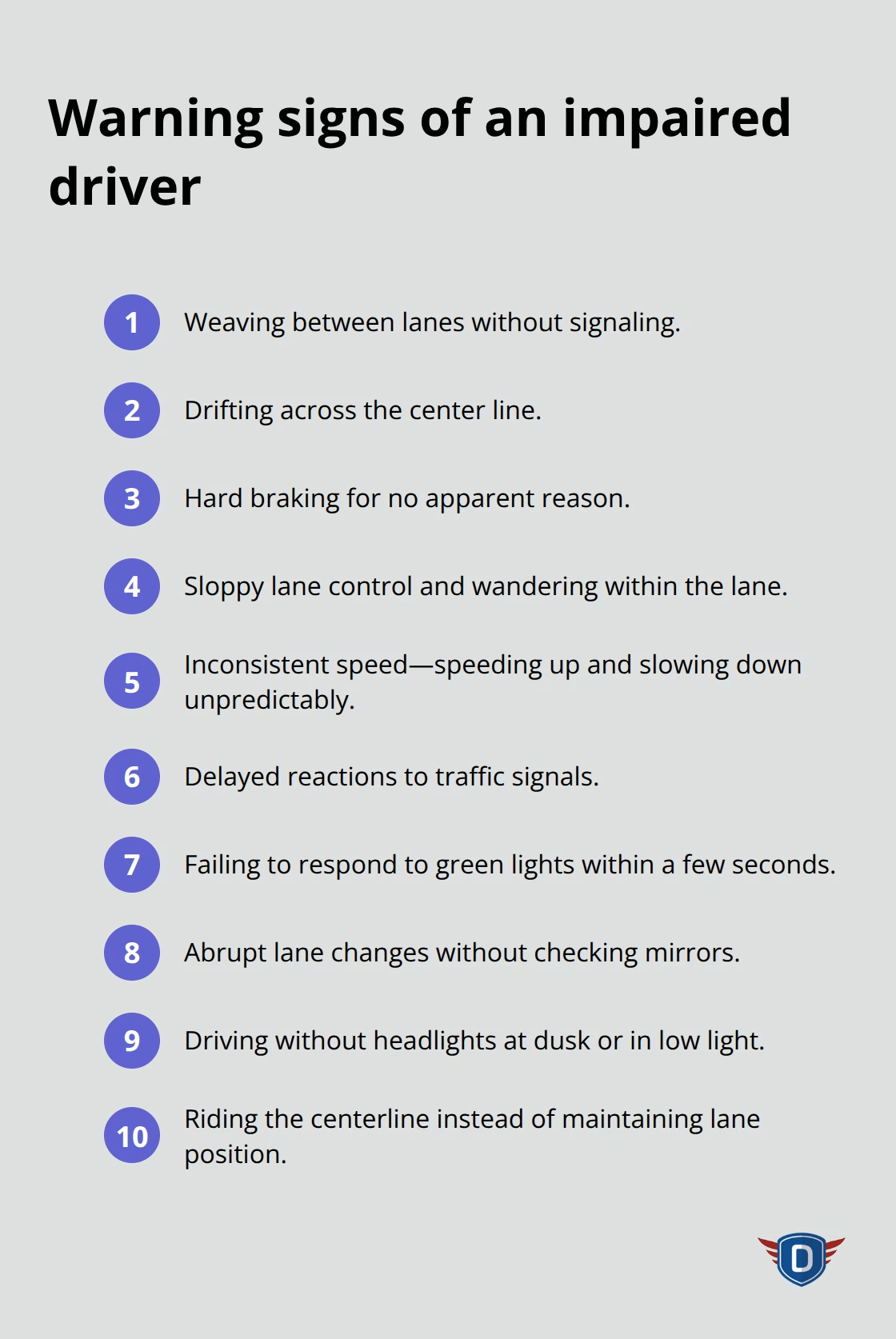
An impaired driver weaves between lanes without signaling, drifts across the center line, then suddenly brakes hard for no apparent reason. These erratic movements telegraph danger, but only if you know what to watch for. The National Highway Traffic Safety Administration reports that impaired drivers often exhibit sloppy lane control, inconsistent speed, and delayed reactions to traffic signals.
Act Immediately When You Spot Trouble
The moment you spot these patterns, assume the worst and position yourself far away. Never assume the driver will correct course or drive safely. Impaired drivers cannot assess their own danger, so they won’t suddenly start driving better. Your job is to recognize the threat and remove yourself from it immediately. Move to a different lane if safe, slow down to fall behind them, or pull over to let them pass. Do not engage, honk, or attempt to alert them. Impaired drivers often respond unpredictably to confrontation, and your safety matters far more than their awareness.
Create Distance with Proper Following Space
Maintaining a three to four second following distance in normal conditions becomes non-negotiable when impaired drivers are on the road. This buffer gives you reaction time if the driver ahead brakes suddenly or swerves without warning. Increase that distance to five or six seconds in rain, at night, or whenever visibility drops. Brake early and smoothly when you see brake lights ahead, which gives following vehicles time to see your lights and react. This prevents rear-end collisions with impaired drivers tailgating behind you.
Position Your Vehicle for Maximum Escape Routes
Position your vehicle in the lane that gives you the clearest view ahead and behind. If you are in the middle lane on a three-lane highway, you have escape routes in both directions. Avoid driving directly beside other vehicles, especially those showing signs of impairment. Keep your eyes moving between the road ahead, your mirrors, and the sides of your vehicle. When an impaired driver drifts into your lane, you need space to move without hitting anyone else. Never assume impaired drivers will stay in their lane.
Adjust Your Tactics for Night Driving
At night, reduce speed further because impaired drivers struggle more with low visibility and depth perception. Your defensive positioning and distance are the only shield against drivers whose judgment has already failed. These same techniques-recognizing hazards, maintaining distance, and positioning for escape-form the foundation of defensive driving that protects you from all types of dangerous drivers. Understanding how to spot and avoid impaired drivers on the road sets the stage for learning Florida’s legal framework, which holds impaired drivers accountable and protects you through the court system.
What Florida DUI Laws Actually Cost You
Immediate Financial Penalties and License Suspension
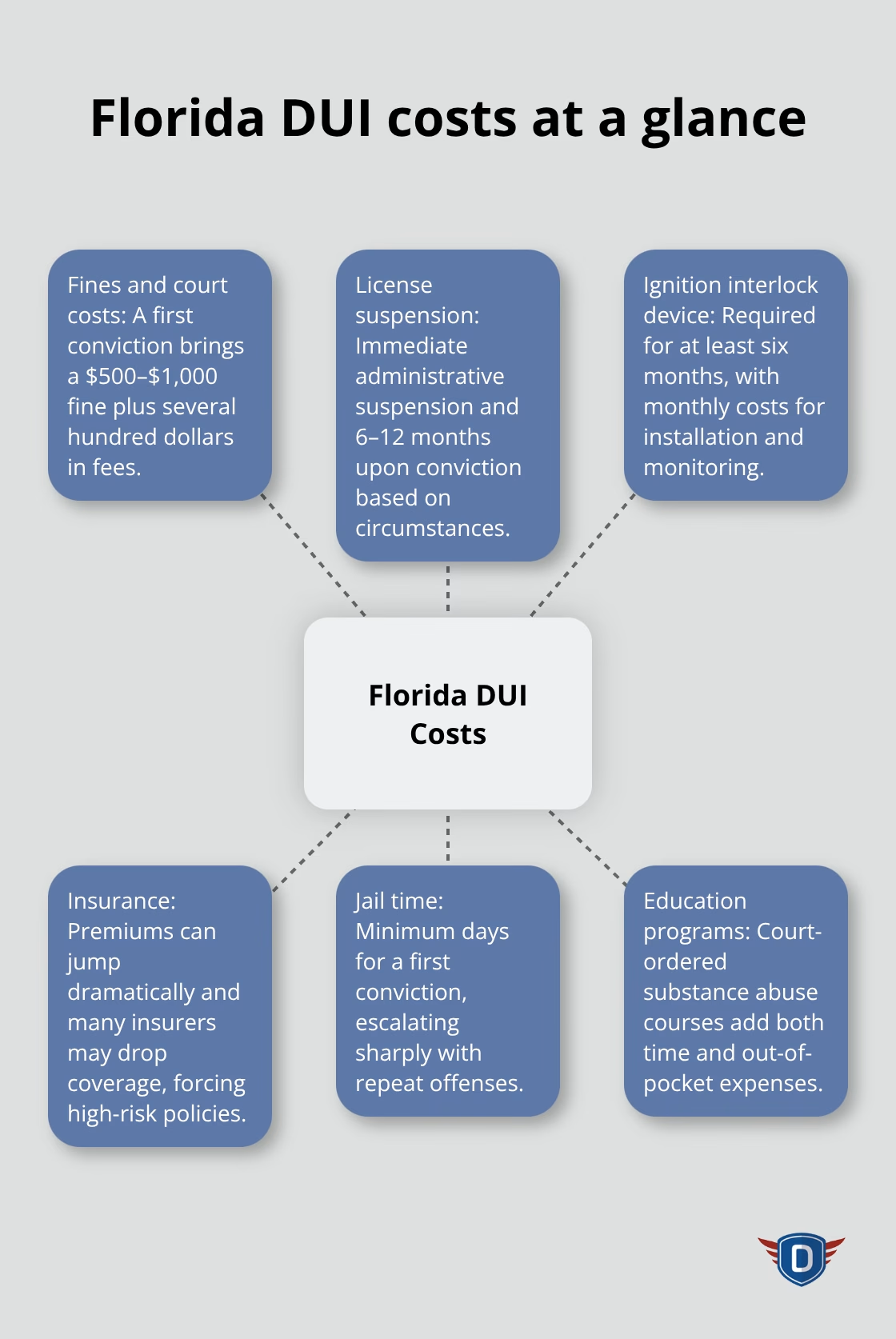
Florida imposes a mandatory minimum fine of $500 to $1,000 for a first DUI conviction, plus court costs that typically add another $300 to $500. License suspension starts immediately upon arrest, even before conviction-a hard suspension of six months applies for a first offense if you refuse a breathalyzer test. If convicted, your license suspension extends to a minimum of six months and can reach one year, depending on your blood alcohol level and whether you caused an accident. The state mandates an ignition interlock device for at least six months, which prevents your car from starting unless you pass an alcohol breath test. This device costs $60 to $100 monthly for installation and monitoring.
Jail Time Escalates Rapidly with Each Offense
Jail time starts at a minimum of six days for a first conviction and escalates dramatically with repeat offenses. A second conviction within five years carries a minimum of 30 days in jail, while a third conviction reaches 90 days. These jail sentences disrupt your work, family obligations, and financial stability. The time away from employment compounds the financial damage far beyond the direct penalties.
Insurance Rates and Point System Consequences
Florida’s point system creates additional financial pain through insurance rate increases. A DUI conviction adds 12 points to your driving record, which triggers an automatic license suspension if you accumulate 12 points within 12 months. Insurance rates jump 80 to 200 percent after a DUI, and many insurers simply drop you entirely, forcing you to seek high-risk coverage at triple the cost. This insurance penalty persists for years, affecting your ability to afford coverage long after your legal case closes.
Court-Ordered Education and Substance Abuse Programs
Florida law requires drivers convicted of DUI to complete an approved substance abuse course, which costs between $150 and $400 and runs four to eight hours depending on your offense level. Traffic school through an approved provider can reduce points in certain situations, though it does not erase a DUI conviction from your record. This mandatory education exists alongside any defensive driving course you might take voluntarily to improve your skills and awareness on the road.
The Total Cost of a Single DUI Conviction
A first-time DUI costs Florida drivers an average of $10,000 to $15,000 when you factor in fines, legal fees, increased insurance premiums, device costs, and lost wages from court appearances and jail time. This financial reality compounds quickly and extends far beyond the initial arrest. The consequences reshape your finances, your freedom, and your ability to drive for months or years.
Final Thoughts
Impaired driving prevention starts with your choices on the road. Someone dies every 39 minutes due to impaired driving, and the financial toll reaches $52 billion annually, yet defensive driving skills give you real power to protect yourself and others. Spotting the warning signs-erratic lane changes, inconsistent speed, delayed reactions-lets you create distance and position your vehicle safely before danger strikes.
A single DUI conviction costs $10,000 to $15,000 when you factor in fines, legal fees, insurance increases, and lost wages, plus license suspension and mandatory substance abuse courses reshape your life for months or years. These consequences exist to deter impaired driving, but the best outcome is avoiding the situation entirely through awareness and smart defensive choices. Your commitment to staying alert, maintaining distance, and recognizing hazards creates a ripple effect that makes Florida’s roads safer for everyone.
We at DriverEducators.com believe education forms the foundation of safer driving. Our Florida-approved traffic school courses cover impaired driving prevention, defensive techniques, and Florida traffic laws in depth, helping you become a more confident and responsible driver.