Road cycling safety isn’t optional-it’s the foundation of every ride. We at DriverEducators.com know that the right gear, smart riding techniques, and hazard awareness separate confident cyclists from those who take unnecessary risks.
This guide covers the essentials you need to ride with real protection and control.
Essential Safety Gear for Road Cyclists
Your helmet is non-negotiable
Your helmet is non-negotiable. The National Highway Traffic Safety Administration found that helmets reduce head injury risk significantly, yet many cyclists still skip them or wear one that doesn’t fit properly. A helmet should sit level on your head, covering your forehead, with the chin strap snug enough that you can fit only one finger between the strap and your chin. After any crash, replace it immediately even if there’s no visible damage. The Bicycle Helmet Safety Institute maintains a comprehensive sizing guide by manufacturer, so you can find one that fits correctly rather than settling for something loose or uncomfortable.
Visibility equipment multiplies your protection
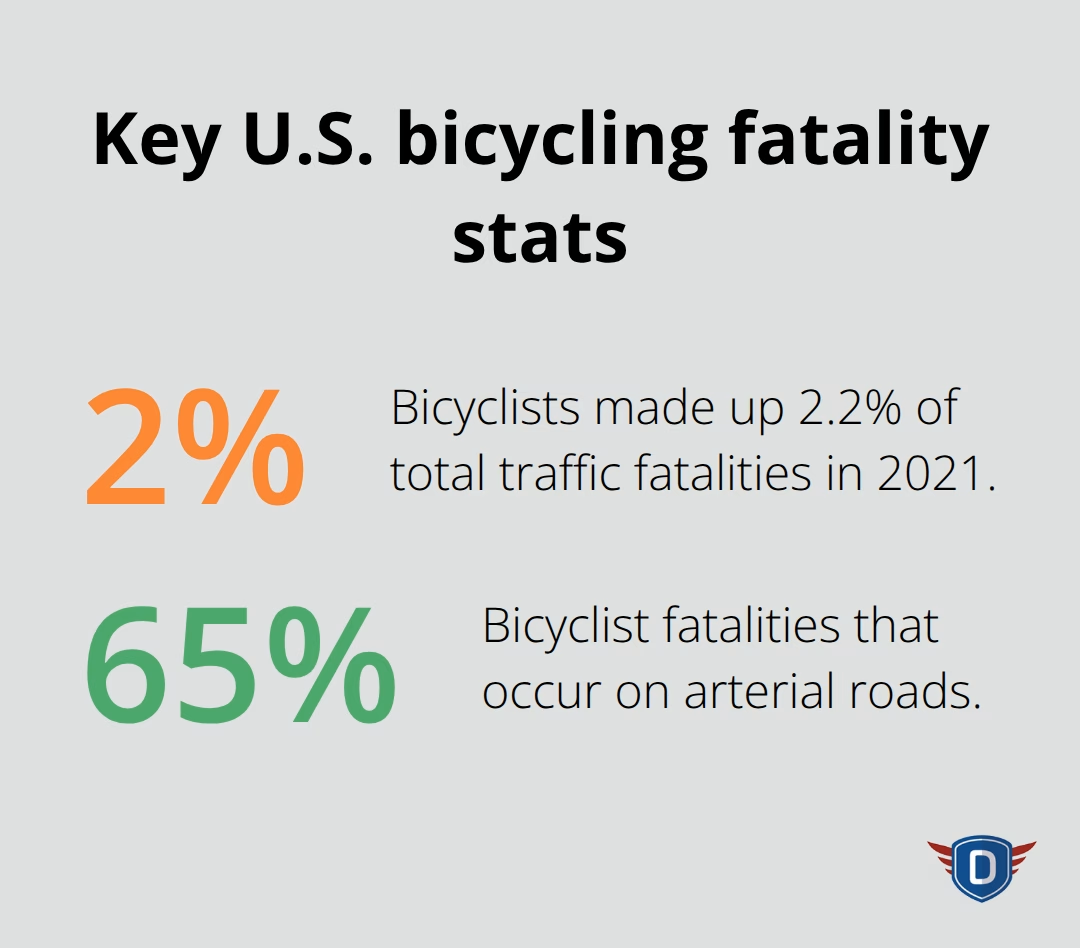
Visibility equipment matters more than most cyclists realize. In 2021, bicyclists accounted for 2.2% of total traffic fatalities, with failure to be visible listed as a leading factor in fatal crashes. During daylight, wear fluorescent or bright clothing, not dark colors.
At night, a front light of 400–800 lumens combined with a red rear light becomes essential because drivers cannot see you without it. Many states legally require front and rear lights. Add reflective materials on your frame, wheels, and pedals. Reflectors on your bike and spoke lights multiply your visibility at multiple angles, making you harder to miss when a vehicle’s headlights hit you.
Clothing and footwear choices affect control and safety
Proper road cycling clothing protects your skin and prevents loose fabric from catching in your drivetrain. Tuck in shirt tails and tie shoe laces securely or use clipless pedals to prevent straps from catching on the chain. In wet conditions, wear weather-appropriate layers and use fenders to keep water and debris off your bike. Sunscreen, breathable long sleeves, and sunglasses protect against sun damage on longer rides. Your shoes should grip the pedals consistently, whether you use flat pedals or clipless systems. Avoid sandals or loose footwear that can slip off mid-ride or catch on obstacles.
With the right gear in place, you’ve built a strong foundation for protection. The next step is learning how to position yourself on the road and read traffic patterns so you can anticipate hazards before they become dangerous.
Defensive Riding Techniques and Road Awareness
Scan ahead to spot hazards before they trap you
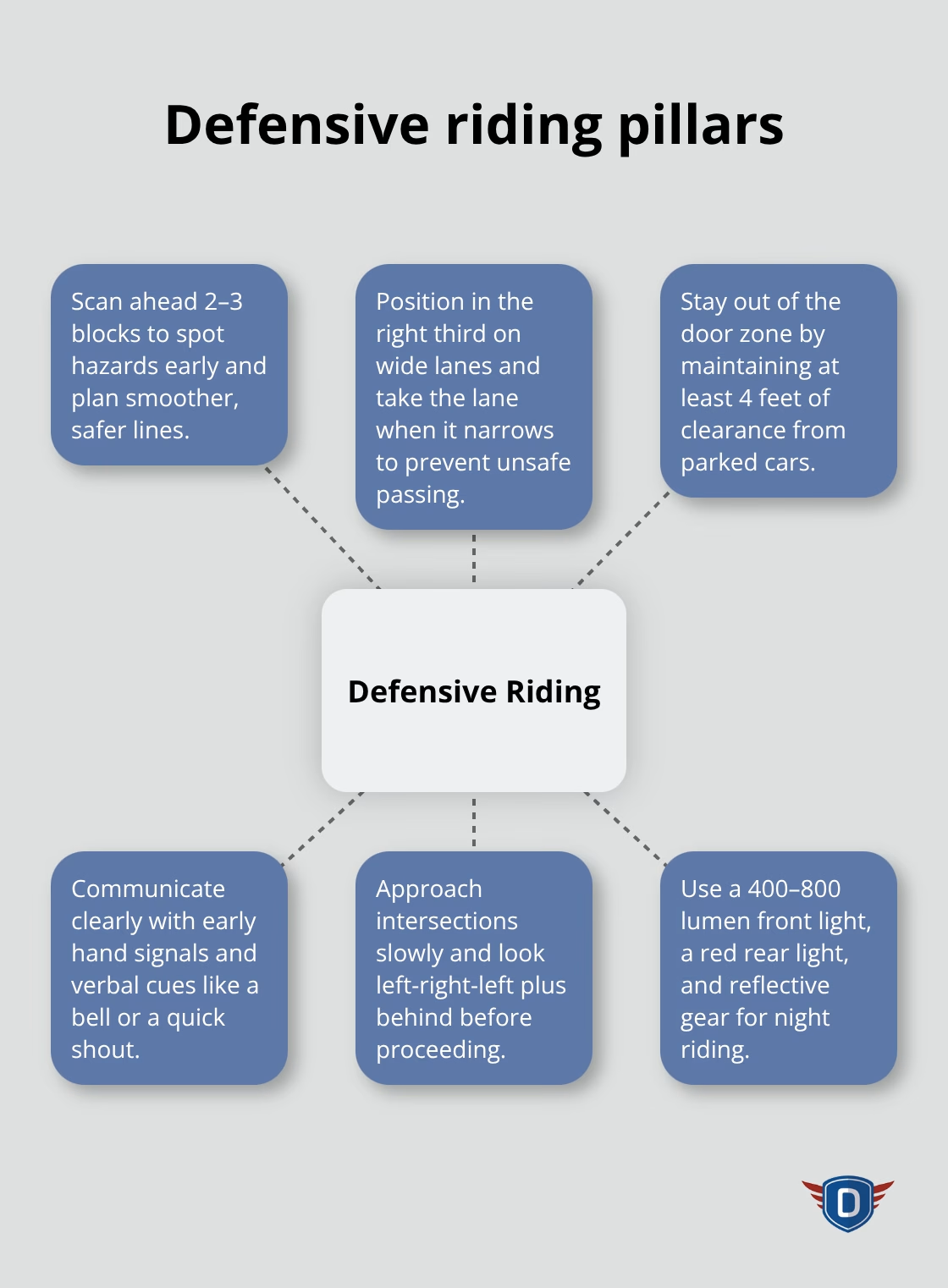
Road positioning determines whether you spot hazards early or react too late. Scan 2–3 blocks ahead, not just at the pavement directly in front of your wheel. Watch for opening car doors, buses pulling away from stops, pedestrians stepping between parked vehicles, and potholes that force sudden swerves into traffic. The NHTSA data shows that bicyclists failing to yield the right of way caused the most fatal crashes, followed closely by lack of visibility-both problems you prevent through deliberate road scanning and positioning. On arterial roads where 65% of bicyclist fatalities occur according to the US Department of Transportation, this scanning habit becomes critical to your survival.
Position yourself to stay visible and maintain control
Ride in the right third of your lane on wide roads to stay visible to drivers, but move toward the center when the lane narrows or hazards appear. This positioning forces drivers to change lanes rather than squeeze past dangerously. Never ride in the door zone of parked cars; maintain at least 4 feet of clearance to avoid being hit when a door opens suddenly. When crossing multiple lanes to make a left turn, move one lane at a time, signal clearly before each shift, and look over your shoulder to confirm drivers see you. Eye contact alone is not enough-monitor driver behavior and assume they haven’t seen you until they actively respond to your presence.
Signal clearly and communicate your intentions
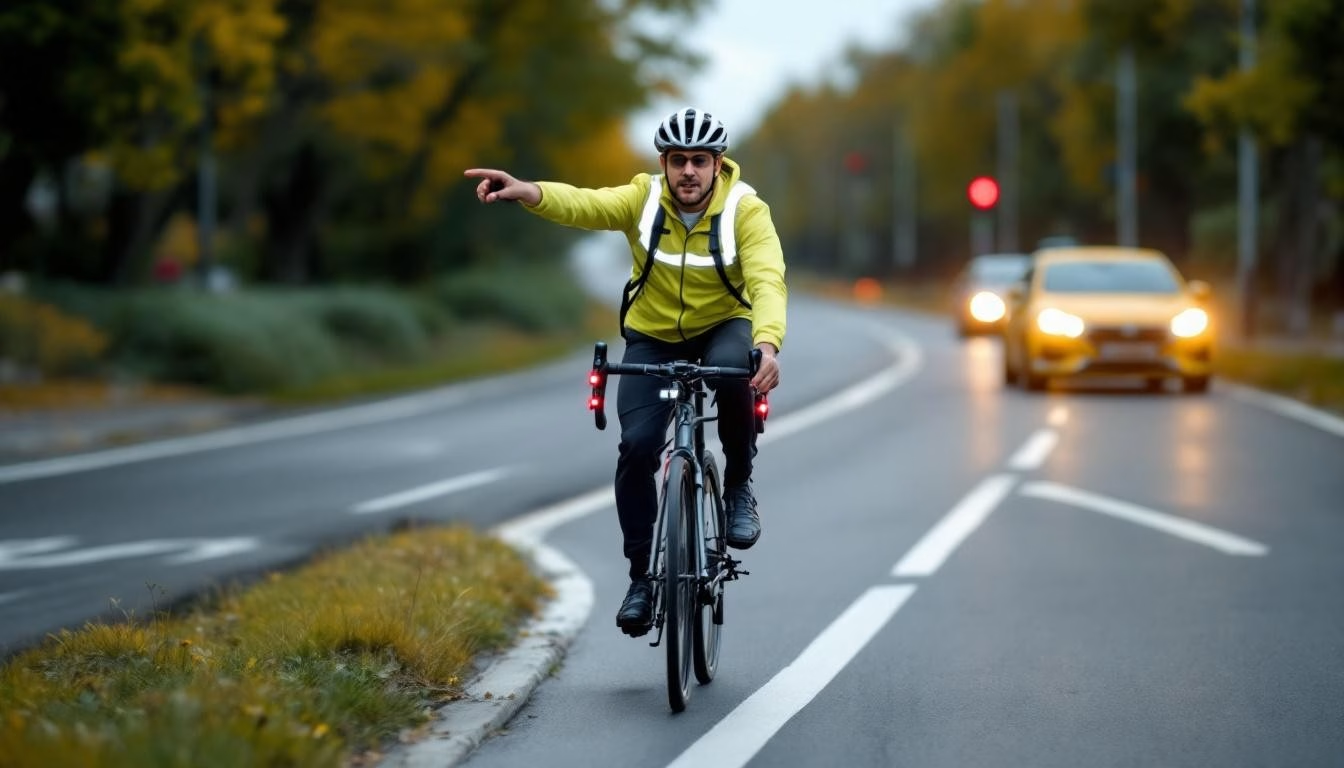
Hand signals work only if drivers understand them and you execute them consistently. Use your left arm extended for left turns or lane changes, your right arm extended or left arm bent upward for right turns. Signal early, not as you move. Keep at least one hand on the handlebars at all times so you can brake instantly if a driver ignores your signal or pulls into your path. On busy city streets where traffic moves fast, verbal cues matter too-use a bell or shout to warn pedestrians and slower riders when overtaking. The League of American Bicyclists emphasizes that you must ride with traffic flow, never against it, and anticipate others’ movements rather than trusting them to anticipate yours.
Navigate intersections with heightened caution
When approaching intersections, slow down and look left-right-left plus behind before crossing. Watch for vehicles backing out of driveways and cars turning right on red without checking for cyclists. If a traffic light detector doesn’t sense you, be prepared to dismount and press the crosswalk button or wait for pedestrian flow. Wet conditions demand slower speeds and longer following distances; painted lines and metal grates become slippery surfaces that cause slides. Night riding requires a front light of 400–800 lumens plus a red rear light, reflective gear, and heightened alertness because drivers see you later and may not recognize your speed accurately in darkness.
These defensive techniques form your active protection on the road. The next chapter addresses specific hazards you’ll encounter-from surface dangers to weather challenges-and shows you exactly how to handle each one.
Common Road Cycling Hazards and How to Avoid Them
Potholes and debris demand constant attention
Road surfaces deteriorate constantly, and potholes hidden by shadows or puddles can throw you over the handlebars or force a dangerous swerve into traffic. 65% of bicyclist fatalities occur on arterial roads where traffic moves fastest and surface conditions matter most. Ride 1–2 feet away from the road edge to avoid debris, gravel, and broken pavement that accumulates along the shoulder. When you spot a pothole or debris ahead, signal your movement and shift into the travel lane rather than swerving suddenly without warning. Metal grates, painted road markings, and wet leaves become slippery surfaces that cause your tires to lose traction instantly, especially in wet conditions when you need to brake hard.
Wet conditions and temperature changes reduce your control
Slow down when rain falls or temperatures drop, and increase your following distance from vehicles ahead. Choose routes with newer asphalt or well-maintained bike paths whenever possible. On wet roads, avoid sudden braking or sharp turns that break tire contact with the pavement. Cold and wind amplify these risks because your grip weakens, your braking power decreases, and your reaction time slows. Carry a patch kit and learn to fix a flat so you’re not stranded on a dark shoulder waiting for help.
Intersections present the highest crash risk
Intersections demand your highest alertness because this is where most crashes happen. Watch for vehicles turning right on red without checking for cyclists; drivers often fixate on oncoming traffic and miss you completely. When crossing, look left-right-left plus behind before entering the intersection, even if you have a green light. Buses pulling away from stops create blind spots where drivers cannot see you, and double-parked cars force you into traffic lanes where motorists don’t expect cyclists. If a traffic light sensor fails to detect you, dismount and press the pedestrian button rather than running a red light and gambling with oncoming traffic.
Night riding eliminates visual cues drivers depend on
At night, visibility collapses dramatically, and drivers misjudge your speed and distance. A front light for night cycling combined with a red rear light becomes non-negotiable, not optional. Reflective gear on your body, frame, and pedals multiplies your visibility when car headlights sweep across you. Wear a helmet-mounted light or add spoke lights that create a moving target drivers notice instantly. Darkness eliminates the visual cues drivers use to judge your position and speed, so assume they see you later and may brake harder or swerve more aggressively than they would in daylight.
Preparation prevents emergencies on isolated roads
Keep a cell phone and ID on you always, and inform someone of your planned route so they know where to look if you don’t return on schedule. These simple steps (cell phone, ID, and route notification) transform a breakdown or crash from a crisis into a manageable situation where help arrives quickly.
Final Thoughts
Road cycling safety depends on three habits you build before every ride: checking your gear, planning your route, and staying mentally sharp on the road. Your helmet fits snugly, your lights work, your tires have proper pressure, and your brakes respond instantly when you squeeze them. These checks take five minutes and prevent most crashes before they happen.
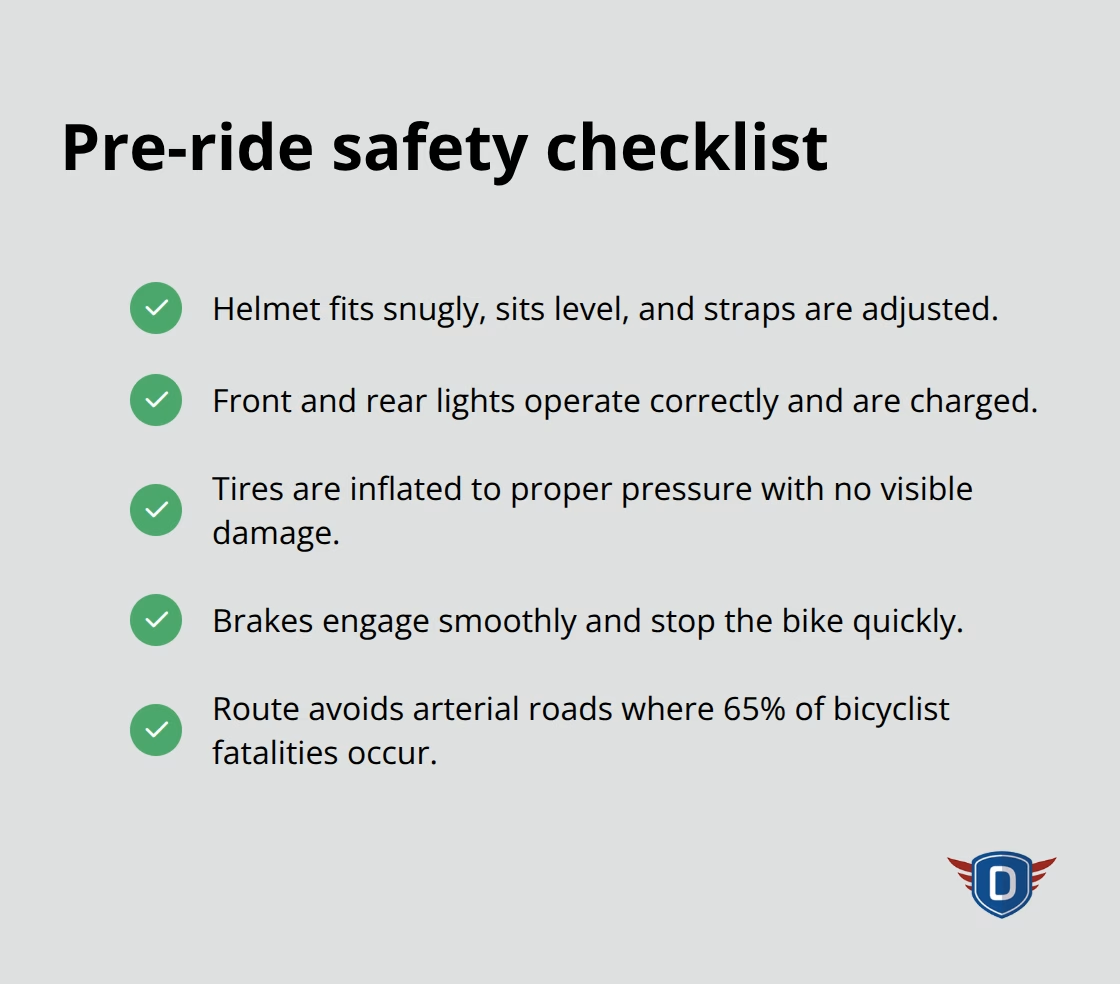
Your route avoids arterial roads where 65% of bicyclist fatalities occur, steering you toward quieter streets or dedicated bike lanes instead.
Confidence comes from preparation, not from luck or wishful thinking. The more you practice defensive positioning, hand signals, and hazard scanning in low-stress environments, the more automatic these skills become when traffic gets heavy or weather turns bad. Start on quieter streets, master your line choice and braking, then gradually build your comfort on busier roads. Each ride teaches you something about how drivers behave, where potholes hide, and how your bike handles in different conditions.
Road cycling safety extends beyond individual riders-drivers share responsibility for protecting cyclists on shared roads, and many lack the training to recognize how their actions affect people on bikes. We at DriverEducators.com understand that safe roads require education for everyone behind the wheel, which is why our defensive driving courses teach motorists to anticipate cyclist movements, maintain safe passing distances, and check blind spots before turning. When drivers understand the risks cyclists face, they make better decisions that protect lives.