Off-road adventures offer incredible experiences, but they come with serious risks that demand proper preparation. Vehicle breakdowns, getting stuck, and communication failures happen frequently in remote areas.
We at DriverEducators.com compiled essential off-road driving safety tips to keep you protected during your next adventure. The right equipment and techniques can mean the difference between a memorable trip and a dangerous situation.
What Equipment Keeps You Safe Off-Road
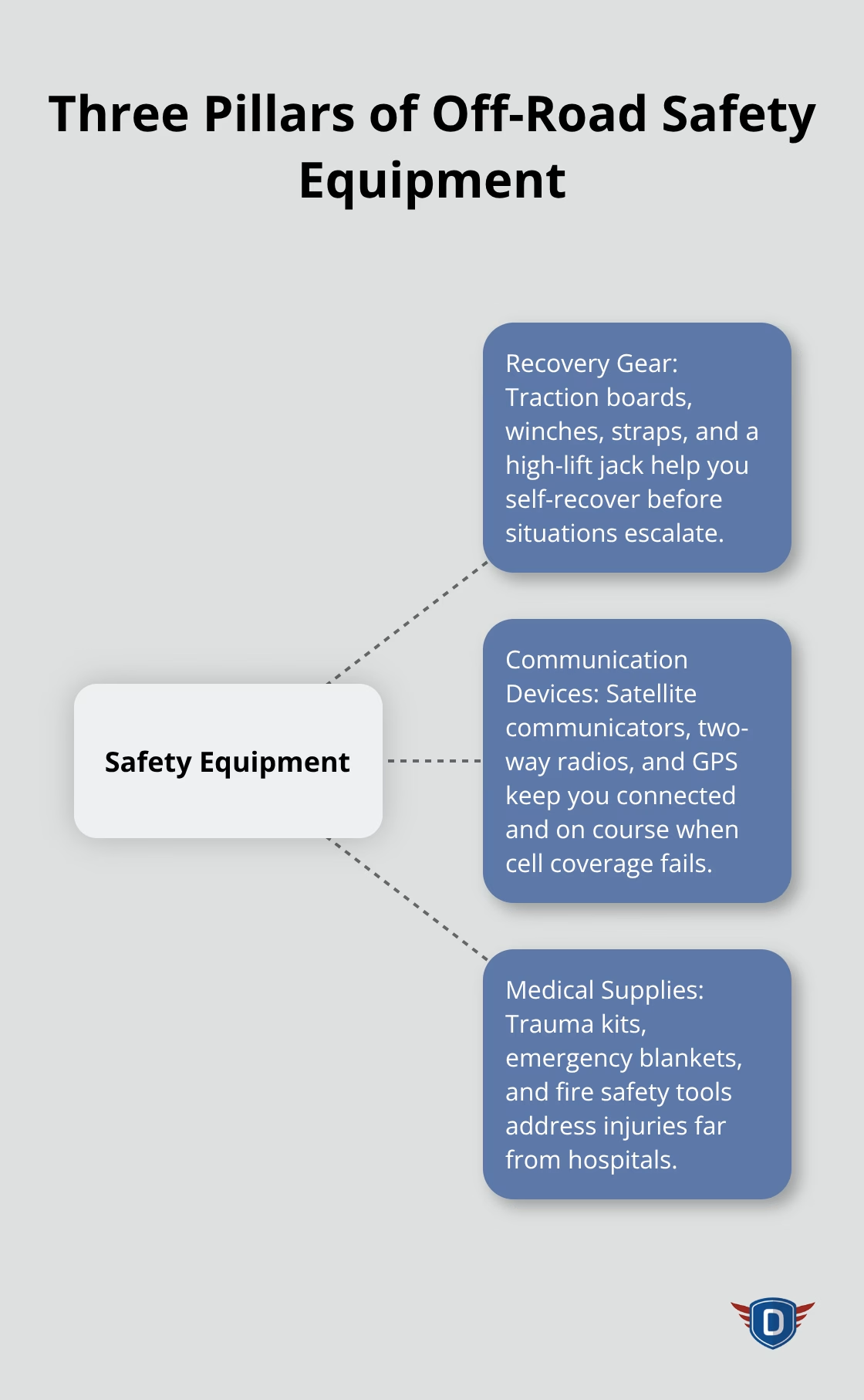
Your survival in remote terrain depends on three types of equipment that work together when things go wrong. Recovery gear forms your primary defense against getting stranded, while communication devices connect you to help when self-rescue fails. Medical supplies handle injuries that happen far from hospitals.
Recovery Gear That Actually Works
MaxTrax recovery boards outperform sand ladders and metal tracks in mud, snow, and sand conditions. These polymer boards cost around $350 but handle 20,000 pounds of vehicle weight without breaking. Pack a high-lift jack rated for your vehicle’s weight plus 50% extra capacity, as soft ground reduces lift power significantly.
Winches need synthetic rope instead of steel cable because synthetic rope weighs significantly less and won’t store kinetic energy that kills people when it snaps. Carry 20 feet of recovery strap rated for three times your vehicle weight, plus D-ring shackles with work load limits above 10,000 pounds.
A portable air compressor that plugs into your 12-volt outlet lets you air down tires to 12-18 PSI for sand traction, then air back up to highway pressure. Include a folding shovel, work gloves, and tire repair kit with plugs and patches.
Communication and Navigation Systems
Satellite communicators like the Garmin inReach Mini 2 send SOS signals and GPS coordinates to rescue services even without cell towers. These devices cost $400 but provide two-way messages and weather updates in areas where cell phones become useless paperweights.
Download offline maps to your smartphone with apps like onX Offroad, which shows trail difficulty ratings and land ownership boundaries. Two-way radios with 5-watt power output reach other vehicles up to 15 miles away in open terrain, while lower-powered models barely work beyond visual range.
Pack extra batteries for all electronic devices and store them in waterproof cases. GPS units with preloaded topographic maps work when smartphone batteries die or screens crack from impacts.
Medical and Safety Supplies
Adventure Medical Kits makes trauma kits designed specifically for remote locations where ambulances can’t reach you. Their Trauma Pak includes hemostatic gauze that stops severe bleeding, chest seals for puncture wounds, and pain medications strong enough for broken bones.
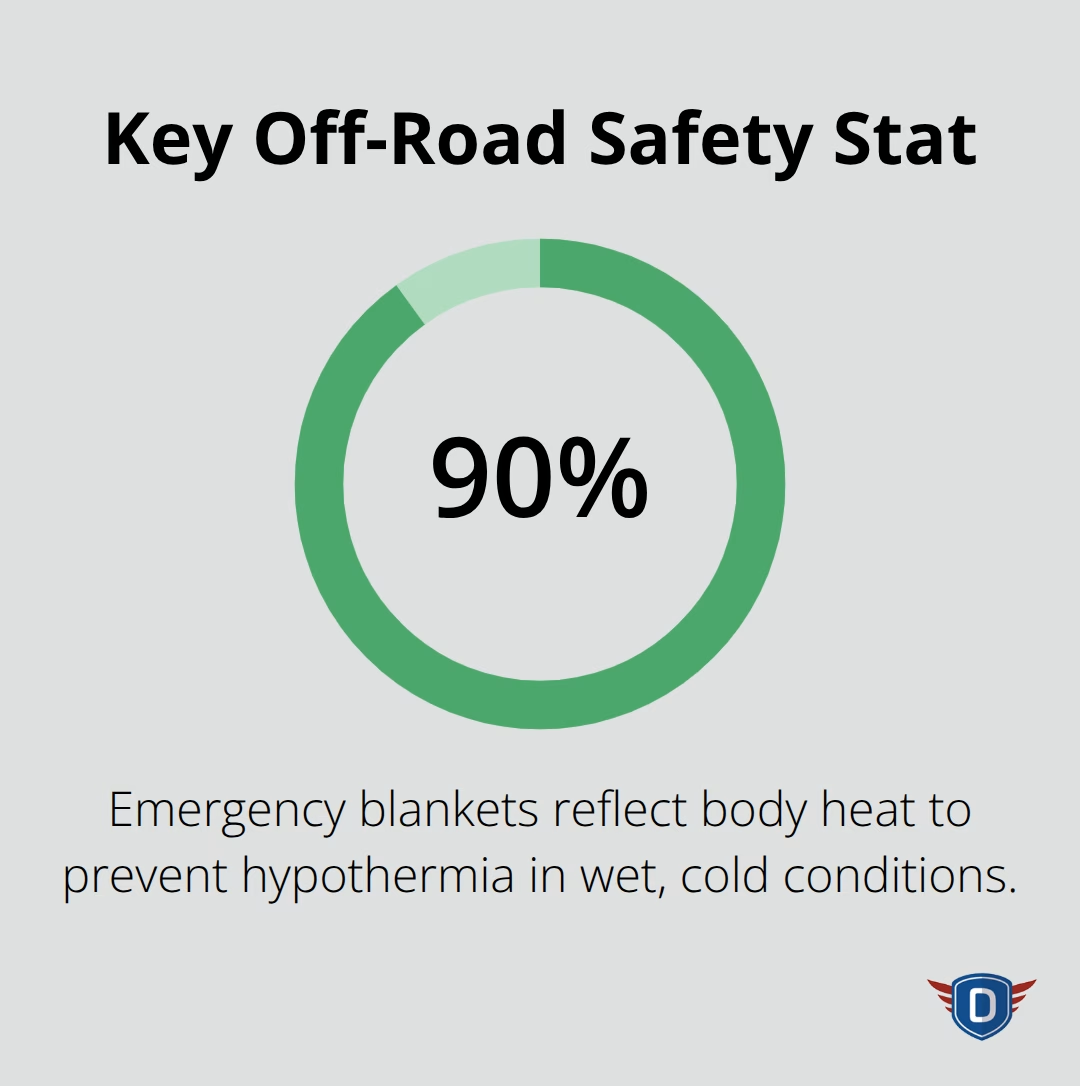
Pack emergency blankets that reflect 90% of body heat, as hypothermia kills people in 50-degree weather when they’re wet and exhausted (even in mild conditions). Include a fire starter kit with waterproof matches and tinder, plus three days of food and water for each person.
Headlamps provide hands-free light for nighttime repairs or medical emergencies, while work lights illuminate entire engine compartments. Store a Class ABC fire extinguisher where you can reach it quickly, as vehicle fires spread fast when fuel lines rupture on sharp rocks.
The right equipment only works when you know how to use it properly and plan your route ahead of time with defensive driving techniques that help you avoid dangerous situations before they develop.
How Do You Plan a Safe Off-Road Trip
Planning separates successful off-road adventures from disasters that require helicopter rescues. Preventable tragedies expose critical gaps in backcountry medical preparedness as heat deaths, hypothermia cases and climbing accidents continue to occur from inadequate trip preparation, particularly poor weather assessment and vehicle maintenance failures.
Research Your Route and Weather Patterns
Download detailed topographic maps that show elevation changes, water crossings, and trail difficulty ratings before you leave cell coverage areas. The Bureau of Land Management classifies trails from Green (easy) to Black Diamond (expert only), but these ratings assume dry conditions and properly equipped vehicles.
Check recent trail reports on forums like ExPo or TacomaWorld, as conditions change rapidly after storms or seasonal closures. Weather services like Weather Underground provide hourly forecasts for specific GPS coordinates, not just general regional predictions.
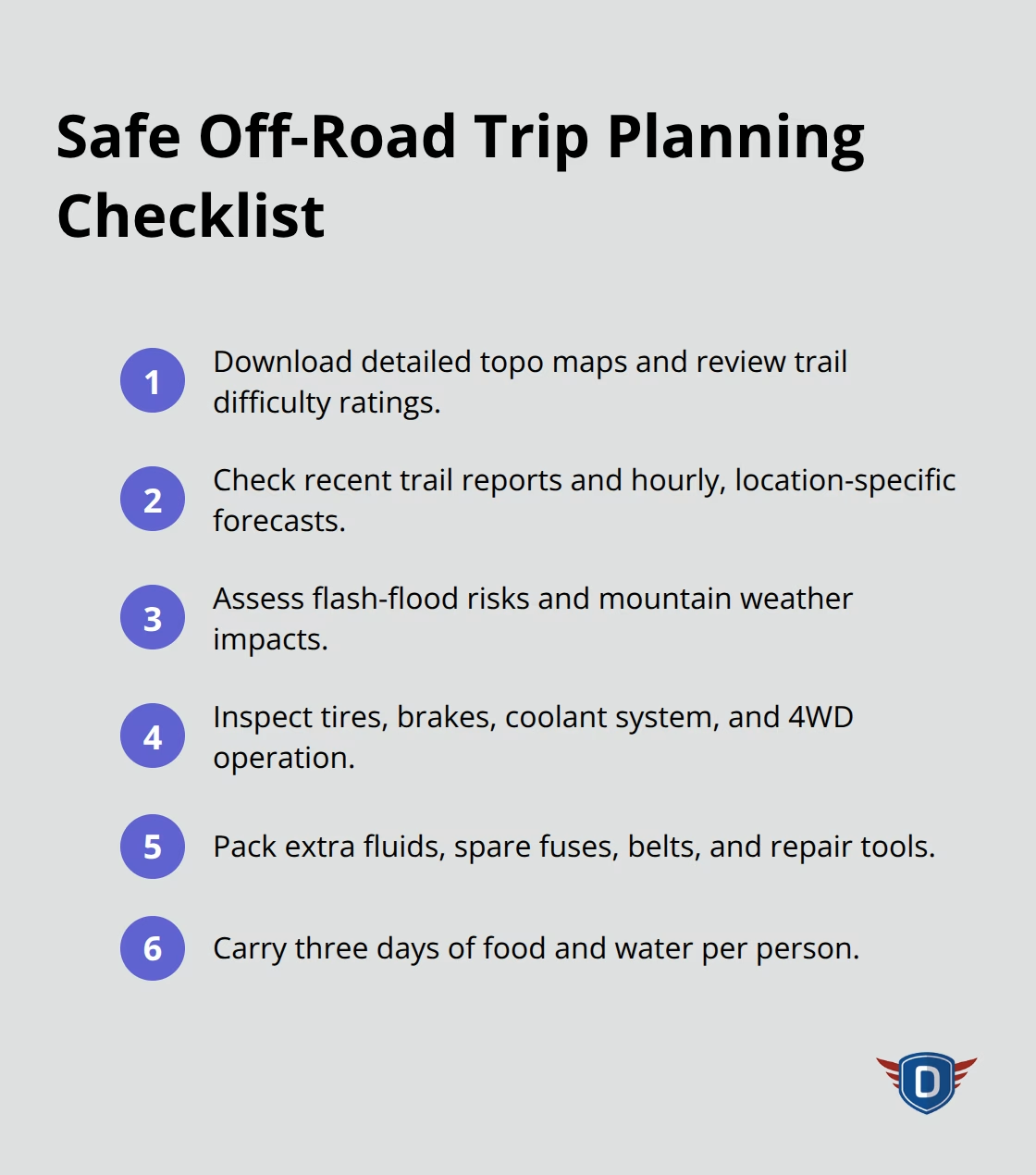
Flash flood risks increase dramatically in desert washes when storms hit upstream areas 50 miles away, so check upstream weather patterns for 72 hours before your trip. Mountains alter wind patterns, modify clouds and precipitation, and have extreme conditions with colder temperatures and stronger winds every 1,000 feet of elevation gain.
Inspect Your Vehicle Like Your Life Depends on It
Check tire tread depth with a penny test – Lincoln’s head should disappear completely behind adequate tread for off-road grip. Inspect sidewalls for cracks, bulges, or embedded debris that could cause blowouts miles from help.
Transmission fluid levels drop when hot, so check levels after you drive 15 minutes, not when cold. Brake pads need at least 4mm thickness for mountain descents that stress brake systems beyond normal limits.
Test your 4WD system in an empty parking lot before you head out, as transfer case problems appear suddenly under load. Coolant systems fail frequently off-road due to debris that blocks radiators, so clean all fins and check hose clamps for tightness.
Pack Extra Fluids and Emergency Supplies
Pack extra engine oil, transmission fluid, and coolant in leak-proof containers, as small leaks become major problems during 8-hour trail days. Carry twice the amount you think you need (mechanical stress increases fluid consumption significantly).
Include spare fuses, belts, and hoses that commonly fail under extreme conditions. Pack duct tape and zip ties for temporary repairs that can get you back to civilization safely.
Store emergency food and water for three days per person, as rescue operations take longer in remote areas. Weather delays and equipment failures can extend simple day trips into multi-day survival situations.
These preparation steps work together with proper technique and safe driving practices to keep you safe when terrain and conditions test your limits.
What Driving Techniques Keep You Safe Off-Road
Speed kills more off-road drivers than equipment failures or weather combined. The off-road market growth of 7.5% by 2032 brings inexperienced drivers who make fatal mistakes when they treat trails like highways. Crawl at the slowest possible speed while maintaining enough momentum to clear obstacles. Rock crawlers need 4WD Low at walking pace to prevent tire spin that damages tread blocks and reduces grip on granite surfaces.
Sand and Soft Surface Navigation
Sand demands steady throttle at 15-25 mph to float over soft surfaces without bogging down. Drop tire pressure to 8-10 PSI before you enter sand, as higher pressures cause vehicles to sink and overheat transmissions from wheel spin. Maintain consistent speed rather than sudden acceleration bursts that dig holes and trap your vehicle. Avoid sharp turns that break momentum and create sideways slides into dunes or obstacles.
Mud and Water Crossing Strategies
Mud requires momentum to punch through soft spots, but excessive speed creates dangerous hydroplaning that sends vehicles sideways into trees. Choose your line carefully and commit to it (changing direction mid-crossing often leads to getting stuck). Water crossings need 4WD Low with experienced drivers to prevent bow waves that flood air intakes and destroy engines instantly. Wade through first to check depth and bottom conditions before you drive your vehicle across.
Recovery Techniques for Stuck Vehicles
Lower tire pressure to 18-20 PSI immediately when traction disappears, as this simple change doubles your contact patch and often provides enough grip to self-recover. MaxTrax boards work better than winches for most stuck situations because they provide instant traction without anchor points or complex rigging. Position boards at 45-degree angles under spinning tires, then reverse slowly to center tires on boards before you move forward.
Rock the vehicle gently between reverse and drive to work out of soft spots, but stop immediately if you smell burning clutch or transmission fluid. Winches require pre-tension on synthetic rope to remove stretch, then pull at idle speed while spotters watch for cable wear or anchor point failure.
Final Thoughts
Off-road driving safety tips work only when you combine proper equipment with smart planning and controlled techniques. Recovery gear like MaxTrax boards and winches prevent minor problems from becoming major emergencies. Communication devices connect you to help when self-rescue fails, while medical supplies handle injuries that occur far from hospitals.
Vehicle preparation and route research eliminate most preventable accidents before they happen. Check your 4WD system, inspect tires for damage, and download offline maps with trail conditions. Pack extra fluids and emergency supplies for three days per person (mechanical stress increases fluid consumption significantly).
Speed control saves lives more than any other technique. Crawl at a pace that maintains control over rocks, maintain steady momentum through sand, and commit to your line in mud crossings. We at DriverEducators.com teach comprehensive driver education programs that build safe habits for all conditions. Responsible off-road adventures protect trails for future generations while keeping you safe.