Tornadoes are among the most dangerous weather events you’ll face on the road, and knowing how to respond can save your life. At DriverEducators.com, we’ve put together practical tornado safety tips while driving to help you navigate these extreme conditions.
This guide covers everything from recognizing warning signs to finding shelter and protecting yourself inside your vehicle when a tornado strikes.
What Makes Tornadoes So Dangerous on the Road
Tornado Speed and Unpredictability
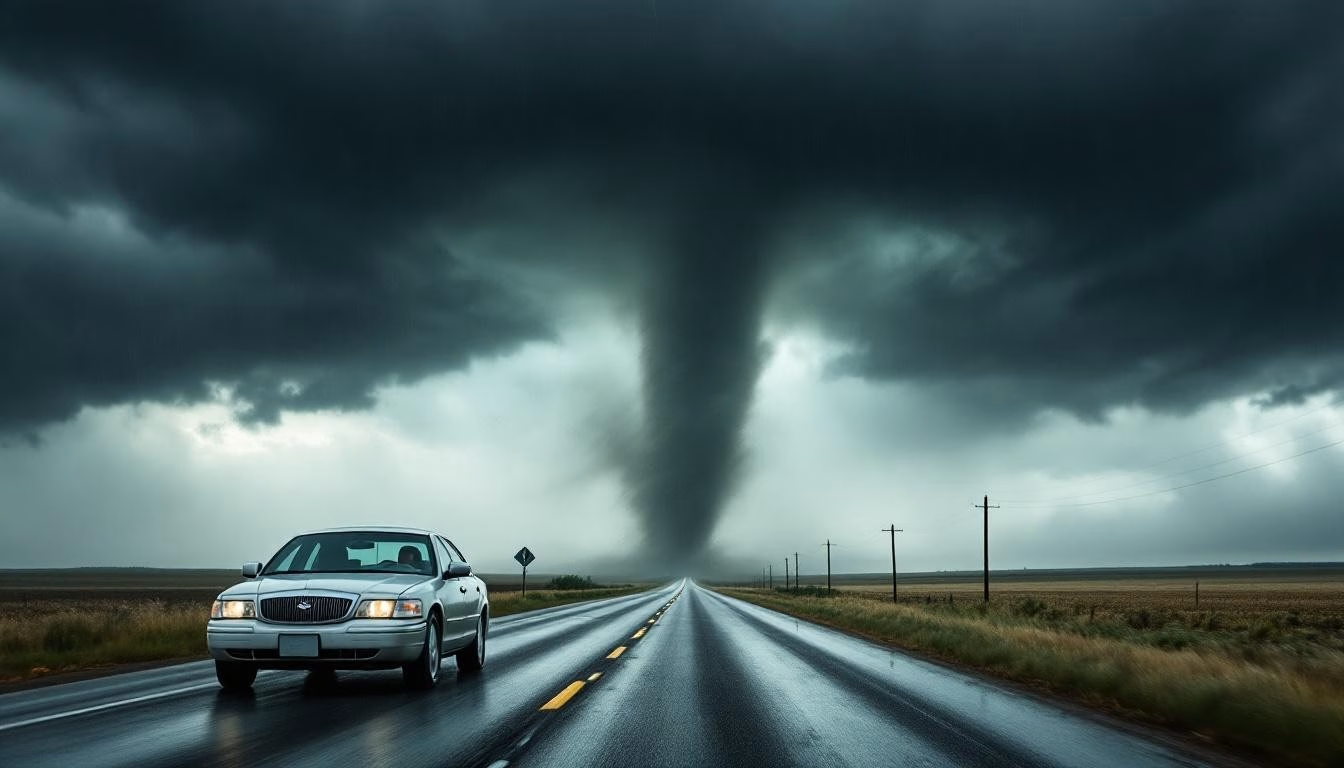
Tornadoes move unpredictably and with devastating force, which is why they present such a serious threat to drivers. The National Weather Service reports that tornadoes travel at speeds averaging around 30 mph but many exceed 40 mph. What makes them especially dangerous is their erratic behavior-a tornado can shift direction suddenly, making it impossible to outrun one in a vehicle. You cannot outdrive a tornado because it changes course faster than you can react.
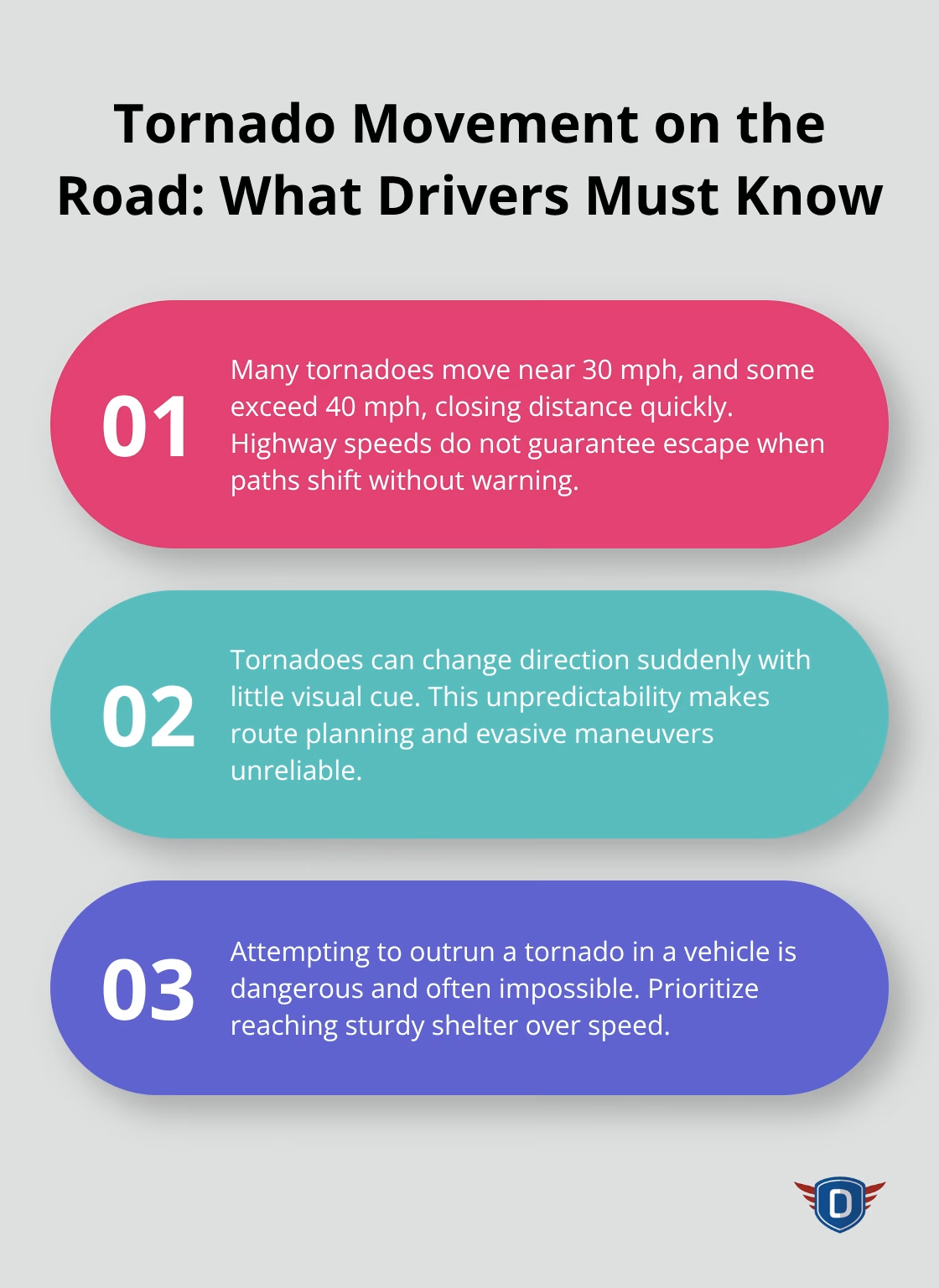
The wind speeds inside a tornado exceed 200 mph, and when combined with flying debris, hail, and reduced visibility, these conditions create an environment where your car offers almost no protection. According to NOAA, tornadoes cause significant damage to vehicles through impact from debris, which penetrates windows and metal panels. The unpredictability of tornado movement means that even if you see one forming in the distance, it may change course and head directly toward you within seconds.
Why Your Vehicle Offers Limited Protection
Your car’s structure cannot withstand the forces a tornado generates. The CDC emphasizes that mobile vehicles like cars and trucks rank among the least safe places to be during a tornado. Metal frames, windows, and doors provide minimal defense against winds exceeding 200 mph and projectiles traveling at extreme velocities. A tornado can lift your vehicle off the road, roll it, or expose you to debris that shatters windows and penetrates the cabin.
This reality shapes every safety decision you must make when tornado warnings appear. Staying in your vehicle should only happen when no other shelter exists, and even then, you must take specific protective measures to minimize injury.
Geographic and Seasonal Risk Factors
Geographic location and season heavily influence your tornado risk while driving. The central United States experiences the most tornado activity, with Oklahoma, Kansas, Texas, Missouri, and Nebraska reporting the highest frequencies. Storm season peaks from March through June, though tornadoes can occur year-round in certain regions. If you regularly drive through tornado-prone areas, your risk increases substantially-drivers in these regions face a much higher probability of encountering severe weather during their commutes.
Drivers who travel through these high-risk states during spring months should treat tornado safety as a priority rather than an afterthought, especially when traveling on highways where shelter options may be limited. Understanding your route and checking weather patterns before you leave becomes essential preparation that directly impacts your survival odds.
How to Prepare for Tornado Season and React When Warnings Arrive
Understanding Tornado Watches and Warnings
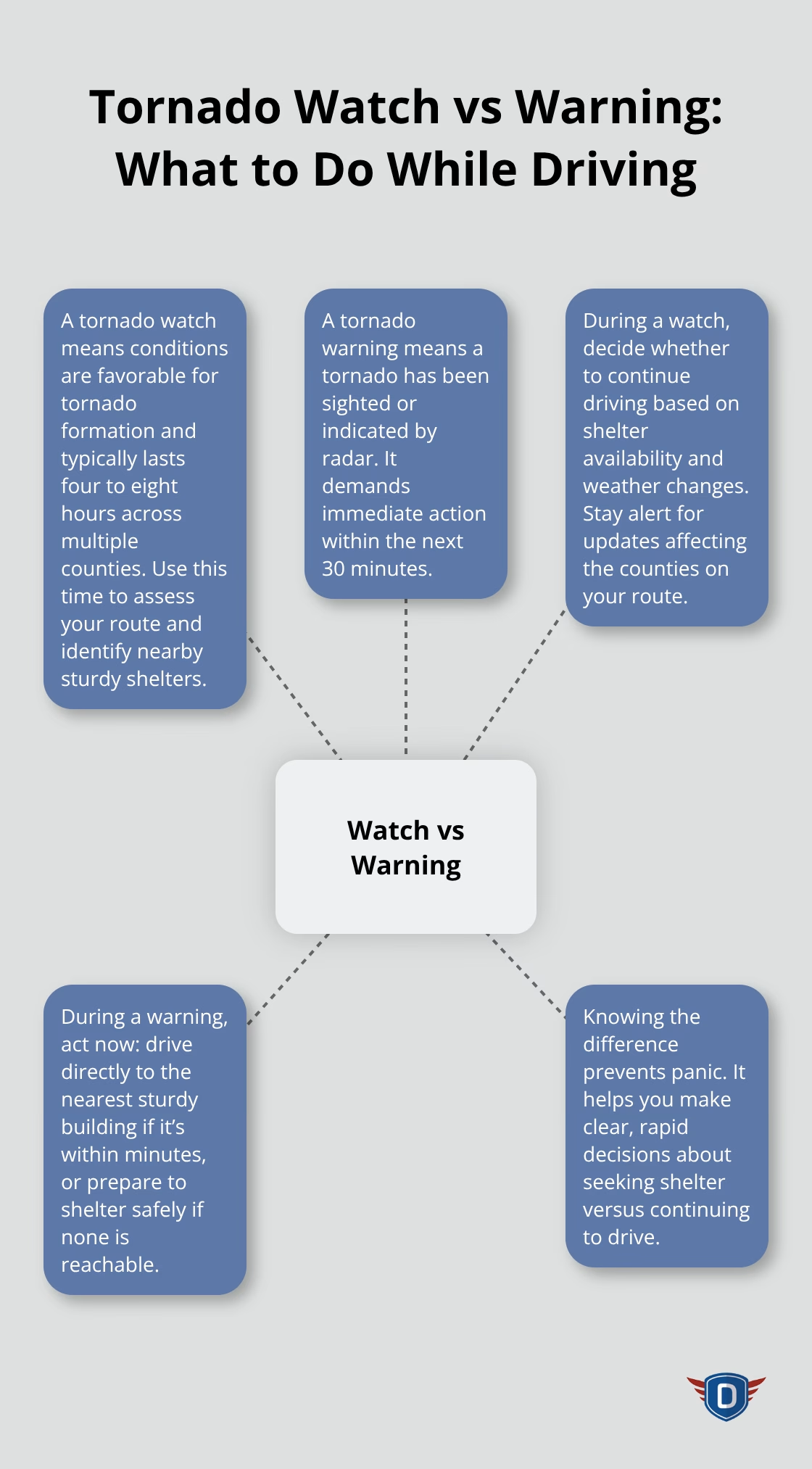
The National Weather Service distinguishes between tornado watches and tornado warnings, and this difference determines your immediate actions. A tornado watch means conditions are favorable for tornado formation and typically lasts four to eight hours across multiple counties. A tornado warning means a tornado has been sighted or indicated by radar and demands immediate action within the next 30 minutes. Understanding this distinction prevents panic and helps you make clear decisions about whether to continue driving or seek shelter.
Monitoring Weather Before You Drive
Start monitoring weather alerts before you leave home by checking the National Weather Service website or downloading a weather alert app that sends real-time notifications. During tornado season in high-risk states, check forecasts every few hours if you’re planning extended travel. Know which counties you’ll drive through on your route, since meteorologists issue warnings by county rather than city, making it easier to determine if a warning affects your specific location.
Adjusting Your Driving During a Tornado Watch
If a tornado watch is issued for your area or route, reduce your speed and increase your following distance to other vehicles. Keep your windows closed and lower your headrest to protect your neck from debris. Most importantly, identify potential shelter locations before you start driving. Operating centers, truck stops, office buildings, and sturdy commercial structures along your route should be mentally noted as backup options.
Making the Drive-or-Shelter Decision
The decision to drive or pull over depends entirely on shelter availability and proximity to safety. Never attempt to outrun a tornado in your vehicle because they change direction unpredictably. If a tornado warning is issued and you’re within a few minutes of a sturdy building, drive directly toward it. Take side roads if necessary to reach shelter faster. If you spot a tornado or rotating clouds while driving, do not stop to photograph or watch it. Reduce speed and continue toward the nearest shelter.
Protecting Yourself When Shelter Is Unreachable
If no building is accessible and a tornado approaches, pull over safely away from trees, poles, and power lines that could become projectiles. Turn off your engine, keep your seatbelt on, crouch as low as possible in your seat, and cover your head and neck with your arms or a coat. If you can safely reach a low-lying area like a ditch or ravine that’s noticeably lower than the roadway, exit your vehicle and lie flat in that depression while covering your head with your hands. Do not shelter under bridges or overpasses because the wind-tunnel effect accelerates winds to dangerous speeds and funnels debris directly into those spaces.
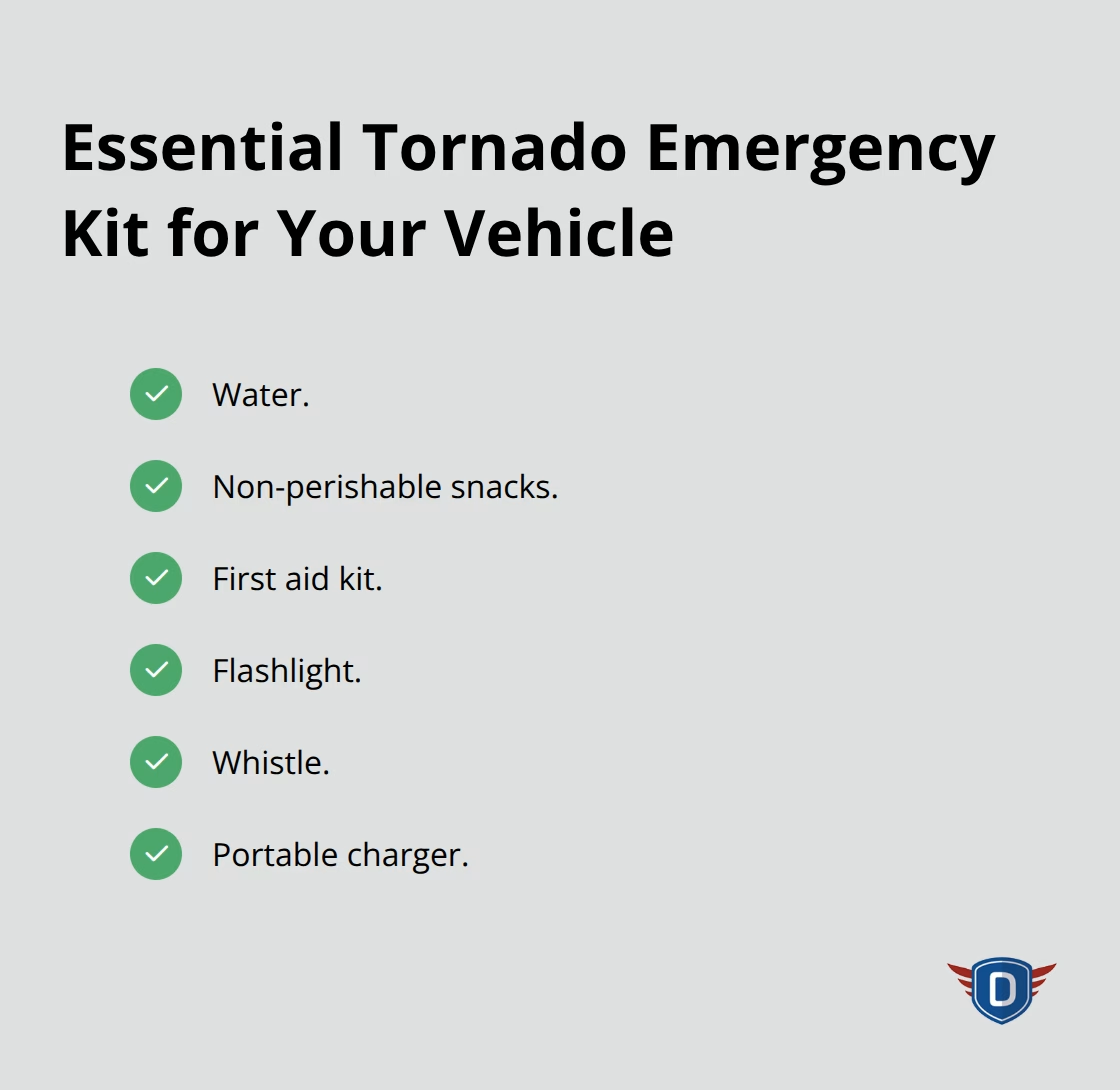
Keep a severe weather emergency kit in your vehicle containing water, non-perishable snacks, a first aid kit, a flashlight, a whistle, and a portable charger (these items provide comfort while sheltering and help you communicate if you become trapped). With these preparations in place, you’re ready to understand what happens after a tornado passes and how to assess the damage safely.
What to Do If Caught in a Tornado While Driving
Recognizing Tornado Warning Signs
Spotting a tornado while driving requires instant recognition and decisive action. Low rumbling sounds that grow louder, rotating clouds, or sudden wind shifts followed by eerie calm indicate a tornado may be forming nearby. Radar can help detect incoming severe weather, with squall lines and hook echoes producing severe weather and tornadoes. If you notice these warning signs, locate shelter immediately rather than continuing to drive. The moment a tornado warning applies to your location, treat it as an urgent threat demanding action within minutes, not hours. Do not waste time trying to photograph or observe the tornado from your vehicle-your only goal is reaching safety.
Identifying Your Shelter Options
Your shelter options depend entirely on what’s accessible within your immediate driving radius. The CDC identifies interior rooms in sturdy buildings as the safest option, with basements being optimal if available. Seek out office buildings, commercial structures, or substantial brick or concrete facilities rather than smaller structures like gas stations or convenience stores with large windows. If a tornado is visible and approaching, drive toward the nearest sturdy building without hesitation. Take side roads or shortcuts if necessary to reach shelter faster. If you’re within a few minutes of a building, reaching it is far safer than any other option.
Positioning Yourself in Your Vehicle
If no building is reachable and a tornado approaches while you’re still on the road, pull over safely away from trees, utility poles, and power lines that could become projectiles. Position yourself as low as possible in your vehicle. Keep your seatbelt fastened, crouch down in your seat, and cover your head and neck with your arms or a coat if available. Windows offer no protection, so staying inside the vehicle with maximum coverage is essential. Close your windows, turn off your engine, and remain as still as possible while protecting your head.
Finding Low-Lying Ground Shelter
If you can safely identify a ditch, ravine, or low-lying area noticeably lower than the roadway level, exit your vehicle to lie flat in that depression while covering your head. This option only works if you can reach the low area safely without crossing active traffic. Never shelter under bridges or overpasses-the National Weather Service warns that wind tunneling accelerates speeds in these spaces, creating more danger than open ground. The wind-tunnel effect funnels debris directly into those areas, making them far more hazardous than exposed terrain.
Maintaining Emergency Supplies
Keep emergency supplies within arm’s reach in your vehicle at all times during tornado season so you have water and first aid materials available if you become temporarily trapped or injured. A severe weather emergency kit containing water, non-perishable snacks, a first aid kit, a flashlight, a whistle, and a portable charger provides comfort while sheltering and helps you communicate if you become stranded.
Final Thoughts
Tornado safety while driving comes down to preparation, quick decision-making, and knowing your options before an emergency strikes. The tornado safety tips while driving we’ve covered throughout this guide emphasize one core principle: your priority is reaching sturdy shelter or safe ground, not continuing to your destination. A tornado warning demands immediate action within minutes, not hours, so the decisions you make in those critical moments directly determine your survival.
Start preparing now by identifying shelter locations along routes you drive regularly during tornado season, knowing the difference between a tornado watch and warning, and keeping an emergency kit in your vehicle with water, first aid supplies, a flashlight, and a portable charger. Check weather forecasts before leaving home, especially if you travel through high-risk states like Oklahoma, Kansas, Texas, Missouri, or Nebraska during spring months when tornado activity peaks. When a tornado warning is issued, trust your preparation and act decisively-drive toward the nearest sturdy building if one is accessible within minutes, or pull over safely away from trees and power lines if shelter is unreachable.
Developing strong defensive driving habits protects you in all severe weather conditions, and driver improvement courses teach you how to recognize hazardous conditions, make safer decisions on the road, and respond effectively when emergencies occur. Whether you’re refreshing your skills or learning advanced techniques, proper driver education builds the confidence and awareness you need to handle extreme weather safely. Your life depends on the choices you make before and during a tornado.