Winter driving kills over 1,300 Americans annually, with most accidents happening during the first snowfall when drivers haven’t adjusted their habits yet.
At DriverEducators.com, we’ve compiled essential winter road safety tips that can save your life. These proven techniques will help you navigate icy conditions, handle emergencies, and arrive safely at your destination.
Essential Winter Driving Preparation
Your vehicle needs specific maintenance checks before winter arrives, and drivers who skip these steps increase their crash risk by 40% according to AAA data. Check your battery first since cold weather reduces battery capacity by up to 50%, and a dead battery leaves you stranded in dangerous conditions. Test your antifreeze levels and maintain a 50/50 mixture of coolant and distilled water to prevent engine damage.

Winter Tire Requirements Save Lives
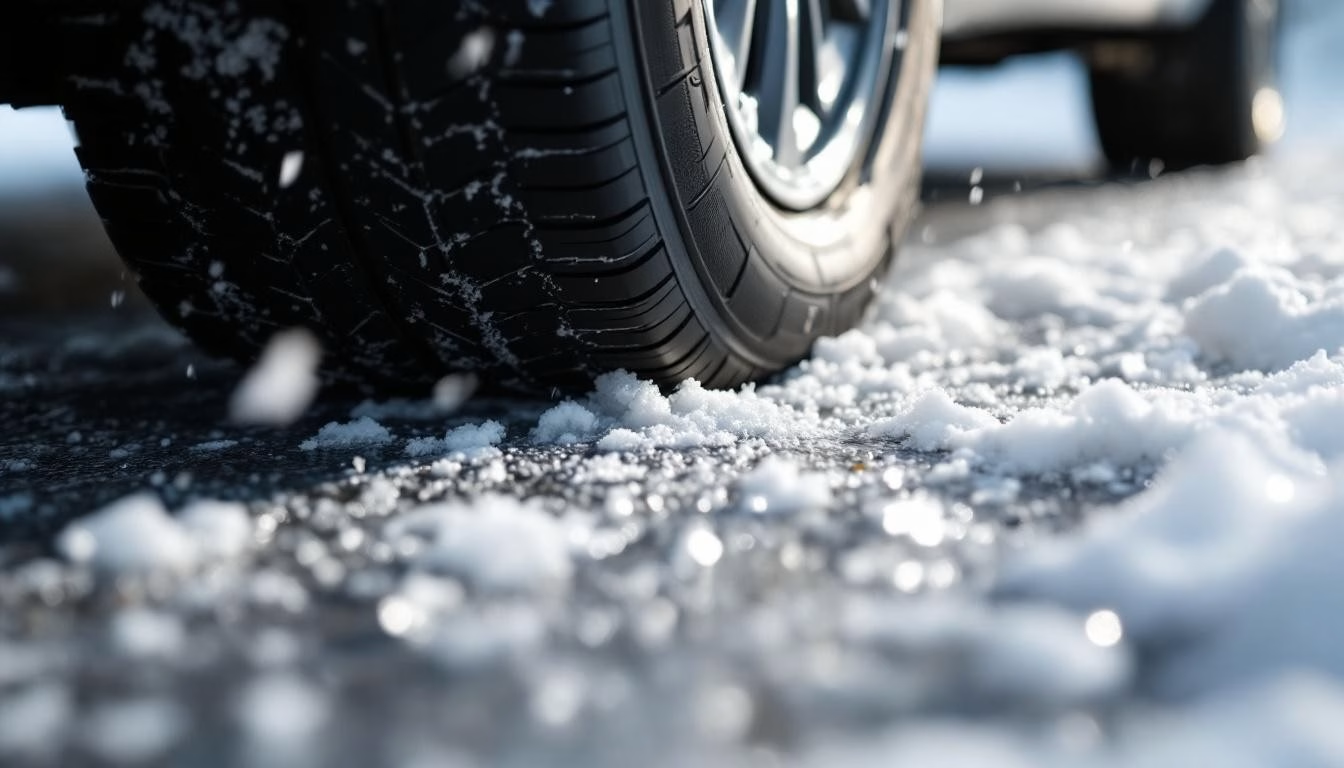
Your tires determine whether you survive winter roads or become another statistic. Winter tires improve stopping distances by 8% compared to all-season tires on icy surfaces, which makes them essential for serious winter drivers. Check tread depth monthly and replace tires when they reach 4/32 of an inch for winter conditions (not the legal minimum of 2/32). Tire pressure drops 1 PSI for every 10-degree temperature decrease, so check pressure weekly during cold months and inflate according to manufacturer specifications.
Emergency Kit Essentials That Actually Work
Pack supplies that address real winter emergencies, not generic items that waste space. Include a folding shovel, ice scraper with brush, jumper cables, and 20 pounds of sand or kitty litter for traction. Add warm blankets, non-perishable food for 72 hours, water bottles, flashlight with extra batteries, and a fully charged portable phone charger. Keep flares or reflective triangles for visibility and basic tools that include duct tape (which fixes multiple winter vehicle problems temporarily until you reach professional help).
Pre-Trip Safety Checks
Inspect your vehicle’s lights before each winter trip since visibility drops dramatically in snow and ice conditions. Test headlights, brake lights, turn signals, and hazard lights to verify they work properly. Clean headlight lenses with restoration kits if they appear cloudy, as dirty headlights lose up to 40% of their brightness. Check your fuel level and keep your tank at least half full to prevent fuel line freeze-up and maintain warmth during emergencies.
These preparation steps create the foundation for safe winter travel, but proper technique on the road determines whether you reach your destination safely.
Safe Winter Driving Techniques
Speed kills more winter drivers than any other factor, with the Federal Highway Administration reporting that over 1,300 people are killed annually in vehicle crashes on snowy, slushy or icy pavement. Drop your speed by 30-50% below posted limits when roads show ice or snow, and reduce speed further during active snowfall. Following distance becomes your survival tool in winter conditions – maintain 8-10 seconds behind other vehicles instead of the normal 3-second rule. This extended distance accounts for doubled stopping distances on ice and gives you reaction time when the car ahead loses control.

Master Winter Braking Without Dying
Slamming brakes on ice transforms your vehicle into an uncontrolled projectile, which explains why rear-end collisions increase significantly during winter storms. Apply brakes gently and steadily, and allow antilock brake systems to pulse rather than fight the pedal vibration. Pump brakes manually if your vehicle lacks ABS, but never lock the wheels completely. When your car starts to slide, immediately lift off the brake pedal and steer toward your intended path – not away from the skid. Downshift to lower gears before hills to use engine braking instead of relying solely on friction brakes that heat up and lose effectiveness on ice.
Navigate Slush and Snow Like a Professional
Slush creates the most unpredictable surface because it shifts between liquid and solid states, which causes sudden traction loss that catches drivers off guard. Maintain steady throttle pressure through slush puddles rather than accelerate or decelerate, which can cause hydroplaning at speeds as low as 35 mph. Choose tire tracks from previous vehicles when possible, as packed snow provides better traction than fresh powder or slush. Avoid lane changes on snow-covered highways unless absolutely necessary, and signal early to give other drivers extra warning time in reduced visibility conditions.
Handle Steering on Ice Without Panic
Ice turns your steering wheel into a suggestion rather than a command, and panic reactions make the situation worse. Turn your wheel gradually and avoid sudden movements that can break traction (even at low speeds). If your front wheels lose grip, ease off the accelerator and turn the wheel in the direction you want to go. When your rear wheels slide out, steer into the skid direction until you regain control, then straighten the wheel slowly. Practice these winter driving techniques in empty parking lots before winter arrives to build muscle memory for real emergencies.
Even perfect technique won’t save you from winter’s most dangerous road hazards, which hide in plain sight and catch experienced drivers off guard.
Common Winter Road Hazards and How to Handle Them
Black ice forms the deadliest winter road hazard because drivers cannot see it until they lose control, and the Federal Highway Administration reports that 24 percent of weather-related vehicle crashes occur on snowy, slushy or icy pavement. This transparent ice layer appears on bridges first since they freeze faster than regular road surfaces, and shaded areas under overpasses remain icy hours after sunny sections clear. Test for black ice by gently tapping your brakes in a safe area – if your vehicle slides even slightly, assume ice coverage and reduce speed to 15-20 mph maximum.

Whiteout Conditions Demand Immediate Action
Sudden snow squalls create whiteout conditions that reduce visibility dramatically within seconds, and these conditions cause multi-vehicle pileups that kill dozens annually on highways. Pull off the road immediately when visibility drops below 100 feet rather than continue to drive blind, and activate hazard lights to warn traffic that approaches. Turn off cruise control instantly since you need full vehicle control when visibility vanishes, and avoid following taillights ahead because that driver may also be lost or stopped. Radio stations broadcast whiteout warnings, so monitor weather reports continuously during winter travel and postpone trips when meteorologists predict severe snow squalls.
Snow Depth Creates Hidden Dangers
Deep snow conceals road edges, ditches, and obstacles that can trap your vehicle or cause rollovers (especially on rural roads where snow removal occurs less frequently). Fresh snow over 6 inches deep can hide potholes, debris, and uneven pavement that damage suspension components or puncture tires. Stay in established tire tracks when possible and avoid areas where snow appears undisturbed, as these sections may conceal dangerous road conditions. Test snow depth with gentle acceleration rather than aggressive throttle inputs that can bury your vehicle deeper.
Recovery Strategies That Actually Work
Spin your tires when stuck in snow creates ice underneath that makes escape impossible, yet 80% of drivers immediately floor the accelerator when they feel wheels slip. Rock your vehicle gently between drive and reverse while you apply minimal throttle, and stop immediately if you smell rubber that burns or see smoke. Pour sand, kitty litter, or floor mats under your drive wheels for traction, and clear snow from around all four tires before you attempt movement. Call professional help after 30 minutes of unsuccessful attempts since continued tire spin damages your transmission and differential, which creates expensive repairs that far exceed towing costs.
Final Thoughts
Winter roads test every driver’s abilities, but proper preparation and defensive techniques reduce crash risk significantly during dangerous months. Vehicle maintenance, emergency supplies, and speed adjustments create the foundation for winter road safety, while your decisions behind the wheel determine survival. These winter road safety tips work only when drivers apply them consistently throughout the entire season.
Practice emergency maneuvers in safe environments before you need them on busy highways. Monitor weather forecasts and postpone travel when conditions exceed your skill level or vehicle capabilities. Winter conditions can transform routine trips into life-threatening situations within minutes.
We at DriverEducators.com understand that winter conditions require professional instruction and practice to master effectively. Our comprehensive driver education programs provide the foundation for safe operation in all conditions, with certified instructors who teach defensive techniques that save lives. Winter roads will challenge your abilities, but proper education and preparation give you the tools to handle whatever conditions you encounter.