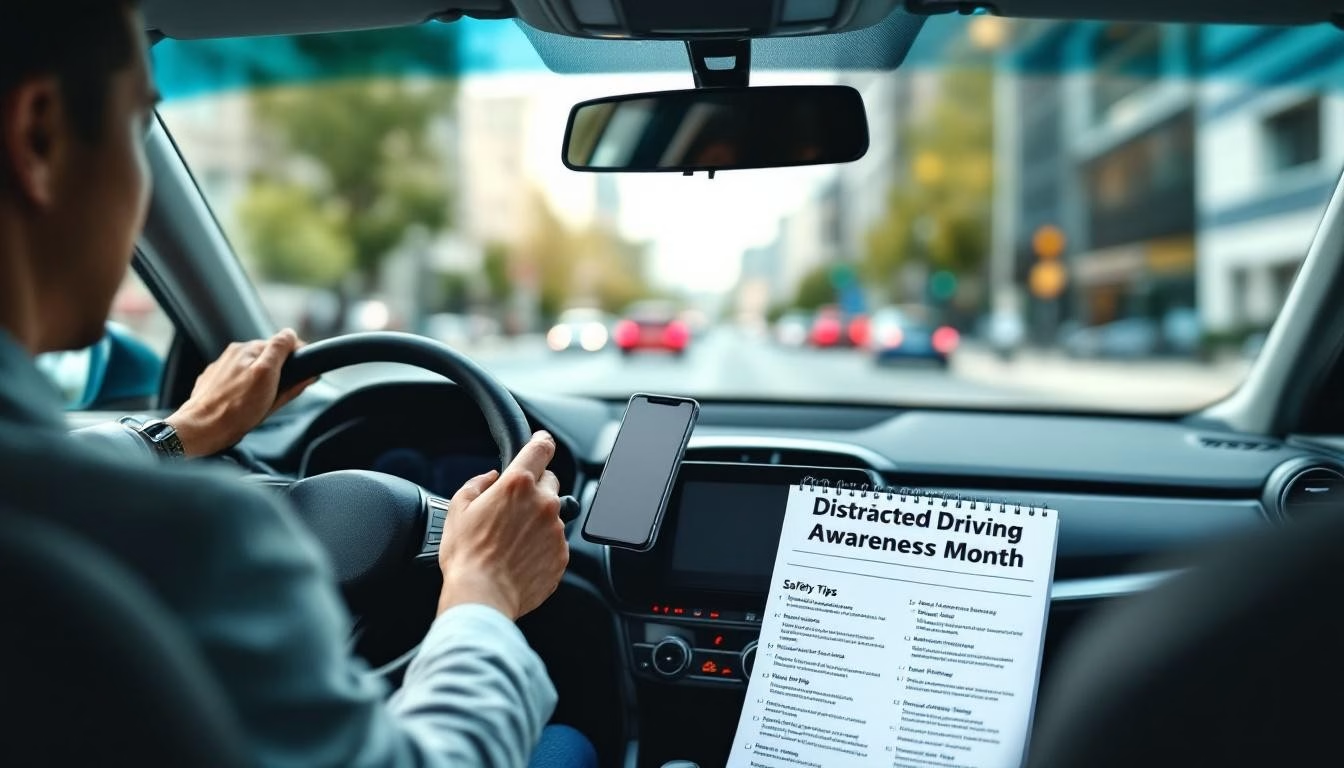
Distracted driving kills someone every 34 minutes on American roads. During Distracted Driving Awareness Month, we at DriverEducators.com want to help you understand the real dangers behind the wheel.
This guide covers the statistics, practical strategies, and proven education methods that work. You’ll learn how to protect yourself and others from preventable accidents.
The Real Cost of Distracted Driving
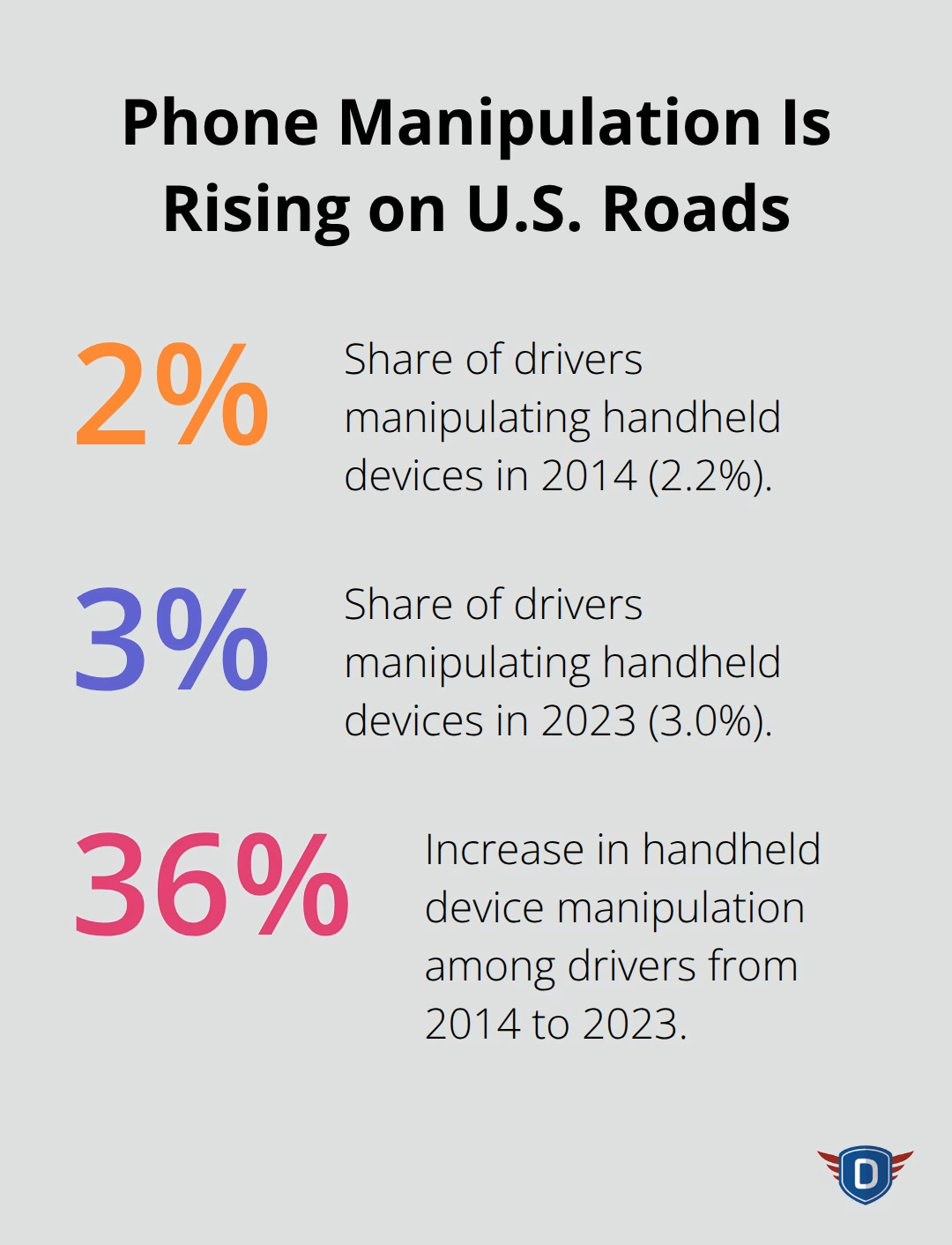
In 2023, distracted driving killed 3,275 people across America, according to the National Highway Traffic Safety Administration. That statistic means someone dies every 34 minutes because a driver’s attention left the road. Texting while driving ranks as the worst offender-a five-second glance at your phone at 55 mph means you travel the length of a football field without looking at the road. The National Safety Council reports that handheld device manipulation increased 36% from 2014 to 2023, rising from 2.2% of drivers to 3.0%. This problem extends beyond phones.
Eating, adjusting climate controls, reaching for items in the backseat, and fiddling with navigation systems all steal the seconds you need to avoid a crash. Visual distractions take your eyes off the road, manual distractions take your hands off the wheel, and cognitive distractions take your mind away from driving-and many activities accomplish all three simultaneously.
Financial Penalties Add Up Fast
Distracted driving violations carry serious financial consequences. A texting-while-driving conviction results in fines ranging from $30 to $500 depending on your state, and repeat offenders face escalating costs. Insurance companies view distracted driving violations as major red flags. A single conviction can increase your premiums by 15% to 30% for three to five years, costing you thousands of dollars over time. Some insurers even deny coverage after multiple violations. The financial impact of distracted driving extends far beyond the initial fine, affecting your wallet for years.
State Laws Enforce Strict Penalties
Texas has prohibited texting and email use while driving since 2017, and many states now enforce strict cell phone laws while driving during the national Put the Phone Away or Pay campaign each April. Courts also use distracted driving convictions against drivers in civil liability cases after accidents. If you caused a crash while texting, you face not just criminal penalties-you face lawsuit liability and civil judgments that can reach tens of thousands of dollars. The legal system treats distracted driving seriously because the data proves it causes preventable deaths.
Understanding these consequences matters, but knowing how to prevent distracted driving in the first place matters more. The strategies you adopt before you turn the key can eliminate most distractions before they ever threaten your safety.
How to Eliminate Distractions Before You Drive
Set Up Your Vehicle Before Departure
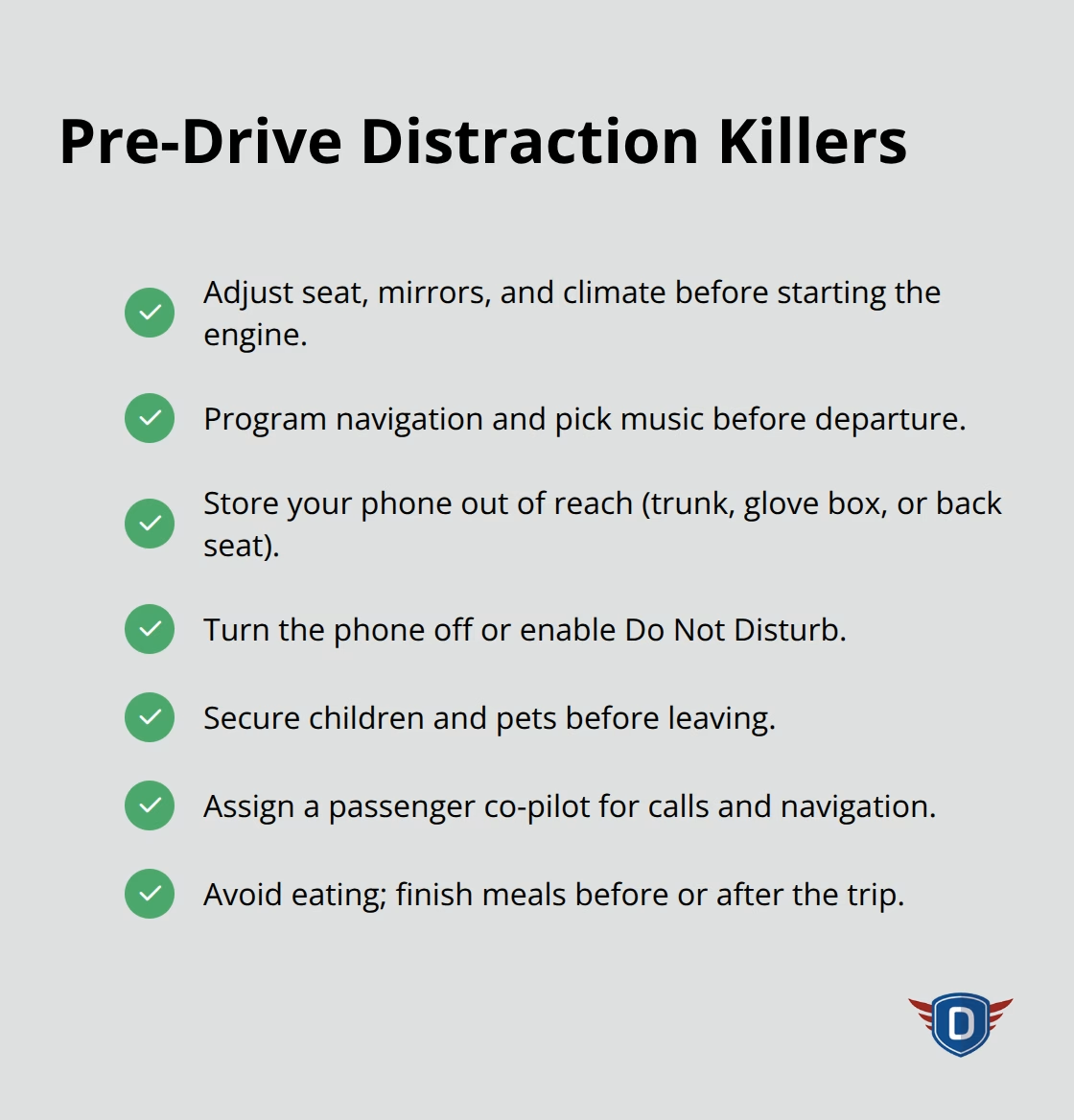
The most effective way to prevent distracted driving is to handle everything before you start the engine. This approach works because it removes temptation entirely rather than relying on willpower while operating a vehicle. Adjust your seat, mirrors, and climate controls before leaving your driveway-adjusting these while driving forces your hands and eyes away from the road. Program your navigation system and select your music playlist before you depart, not while moving. The National Highway Traffic Safety Administration found that handheld device manipulation among drivers reached its highest level since data collection began, largely because people attempt to use phones while driving instead of planning ahead.
Handle Phone Use at Home or in Parking Lots
Your phone represents the single greatest threat to your attention behind the wheel, so treat it differently than other distractions. If you need to send a text or respond to an email, do it at home or pull into a parking lot first. Store your phone in the trunk, glove box, or back seat where you cannot reach it during the drive. Turn it off completely or enable a do-not-disturb mode that silences all notifications before you drive. If turning it off feels impossible, that feeling itself signals a dependency problem worth addressing.
Prepare Passengers and Cargo Responsibly
Eat before or after your trip rather than snacking behind the wheel. Secure children and pets before you leave so you are not tempted to turn around and reach into the backseat. If you travel with passengers, ask one to serve as your co-pilot to handle navigation adjustments or phone calls while you focus solely on the road. These pre-drive habits eliminate the visual, manual, and cognitive distractions that kill over 3,200 people annually in the United States.
Understand Why Hands-Free Technology Falls Short
Hands-free technology sounds safer but research shows it only addresses manual distraction-your mind still leaves the road when you engage in phone conversations. The safest approach is silence and invisibility: phone off, stored where you cannot see or hear it. If you struggle to avoid checking your phone while driving, your passengers should hold you accountable by speaking up immediately when they notice the temptation. This peer accountability works better than apps or blocking technology because another person’s voice carries weight that a notification does not.
Use April’s Enforcement Campaign as Motivation
During April’s Put the Phone Away or Pay enforcement campaign, law enforcement increases patrols specifically targeting handheld device use, making this an ideal time to establish new habits before they become automatic. These enforcement efforts create real consequences that reinforce the behavioral changes you need to make. Once you master these pre-drive strategies, the next step involves understanding how formal driver education programs teach distraction prevention and help drivers build lasting safe habits.
Education That Builds Lasting Behavioral Change
Understanding Why Drivers Get Distracted
Driver education programs work best when they address the psychology behind distracted driving, not just the mechanics of avoiding it. Distraction prevention starts with understanding why you reach for your phone in the first place-boredom, anxiety, habit, or the false belief that a quick glance is harmless. Students watch actual crash footage and learn how drivers who thought they could handle texting while driving ended up causing injuries or deaths. This emotional connection to consequences works better than lectures about statistics alone.
How Formal Courses Create Real Behavioral Change
Research from the National Highway Traffic Safety Administration shows that drivers who complete formal defensive driving education reduce their crash risk by 10% to 15% over three years, a measurable outcome that proves education sticks when it combines knowledge with accountability. Florida-approved traffic school courses integrate real-life scenarios that show exactly how five seconds of inattention transforms a normal drive into a crash. The curriculum covers the three types of distraction-visual, manual, and cognitive-and forces students to identify which distractions they personally struggle with most.
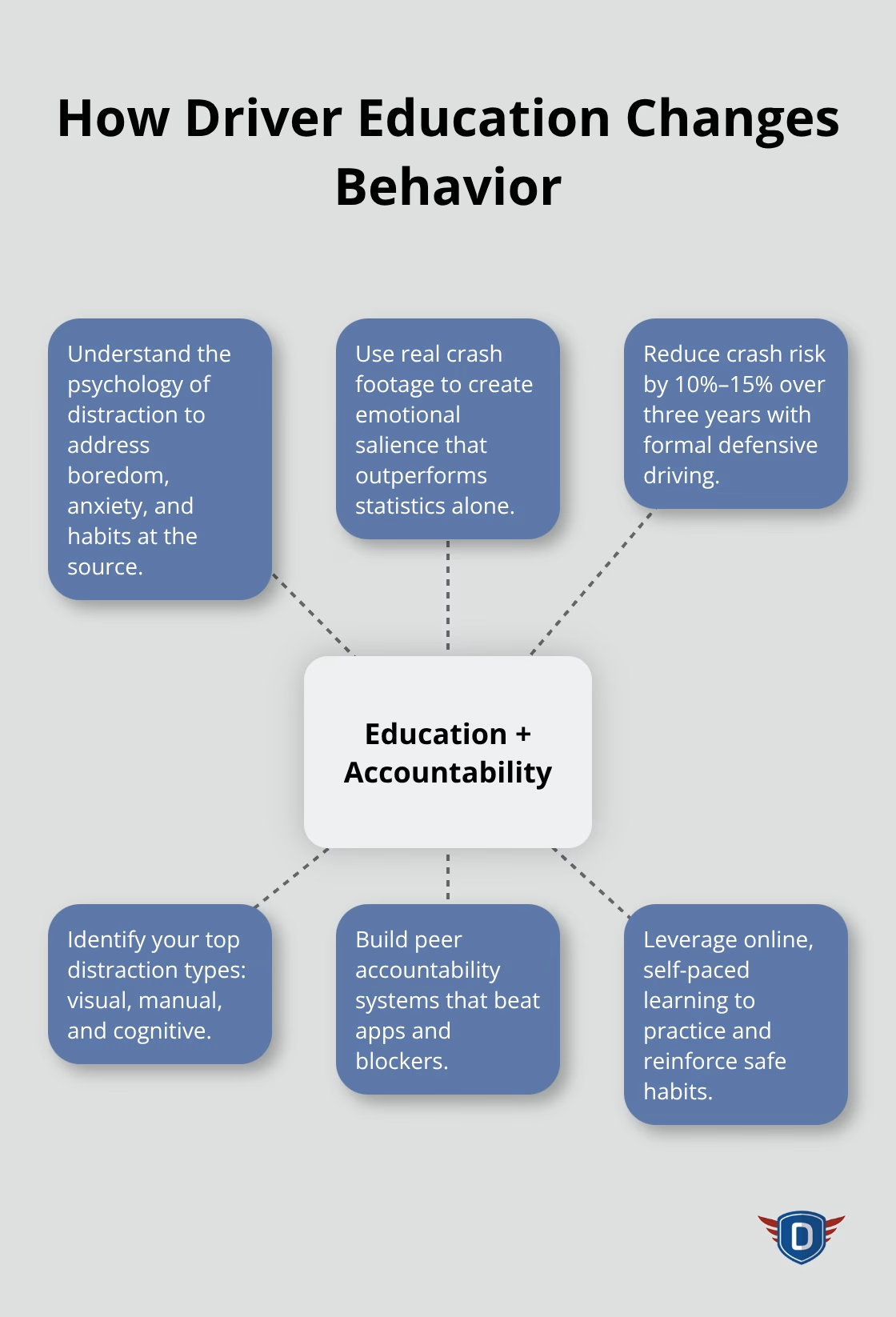
Some drivers cannot resist checking notifications; others struggle with eating or adjusting the radio. Once you know your weakness, you can build specific countermeasures before you drive.
Building Accountability Systems That Last
Defensive driving courses create behavioral change through structured practice and habit-building exercises that extend far beyond the classroom. Online, self-paced courses allow you to study the material, pause when you need reflection time, and return to difficult concepts without the pressure of a group setting. Students learn how to monitor other drivers for signs of distraction so you can maintain safe distance and anticipate dangerous behavior. This awareness protects you even when other drivers fail to protect themselves. You also learn how to set up accountability systems with passengers and family members who can enforce your commitment to phone-free driving (these peer relationships often work better than apps or blocking technology because another person’s voice carries weight that a notification does not).
Specialized Programs for Different Driver Needs
The Aggressive Driver Course specifically targets behavioral patterns that lead to distracted driving combined with road rage, helping drivers aged 16 to 75 understand how their choices affect others on the road. The Mature Driver Course serves drivers aged 55 and older who want to refresh their skills and qualify for insurance discounts while adopting safer practices around technology they may find distracting. Each program teaches you how to establish your pre-drive routine, maintain that routine for 30 days, and transform the behavior into something automatic rather than effortful. The most successful drivers treat their certificate completion not as an end point but as the beginning of a new habit cycle.
Staying Current With Florida’s Safety Requirements
Every curriculum is updated regularly to reflect new Florida statutes and safety campaigns, meaning the knowledge you gain stays current with actual road conditions and legal requirements. The learning experience is fully online and self-paced, allowing you to study from any device at your own convenience. Upon completion, certificates are issued electronically and reported directly to the Florida Department of Highway Safety and Motor Vehicles, ensuring compliance with all state requirements.
Final Thoughts
Distracted driving kills 3,275 people annually in America, yet most of these deaths are preventable through the strategies you’ve learned throughout this guide. Set up your vehicle, store your phone, and prepare your passengers before you drive-these habits eliminate the visual, manual, and cognitive distractions that steal the seconds you need to avoid a crash. Distracted Driving Awareness Month safety tips matter most when you apply them consistently, and April’s Put the Phone Away or Pay enforcement campaign creates accountability that reinforces your commitment.
Real protection comes from the decisions you make every single day, not from willpower alone while operating a vehicle. Formal driver education programs accelerate behavioral change by teaching you why you reach for your phone and how to build lasting habits instead of relying on temporary motivation. We at DriverEducators.com understand that knowledge alone doesn’t change behavior, which is why our Florida-approved traffic school courses combine clear instruction with real-life scenarios that show exactly how distraction transforms a normal drive into a crash.
Your commitment to phone-free driving protects not just yourself but every person sharing Florida’s roads. Complete a driver education course at DriverEducators.com to build the skills and accountability systems that make safe driving automatic. The certificate you earn represents more than a requirement met-it marks the beginning of a new habit cycle that keeps you and others safe for years to come.