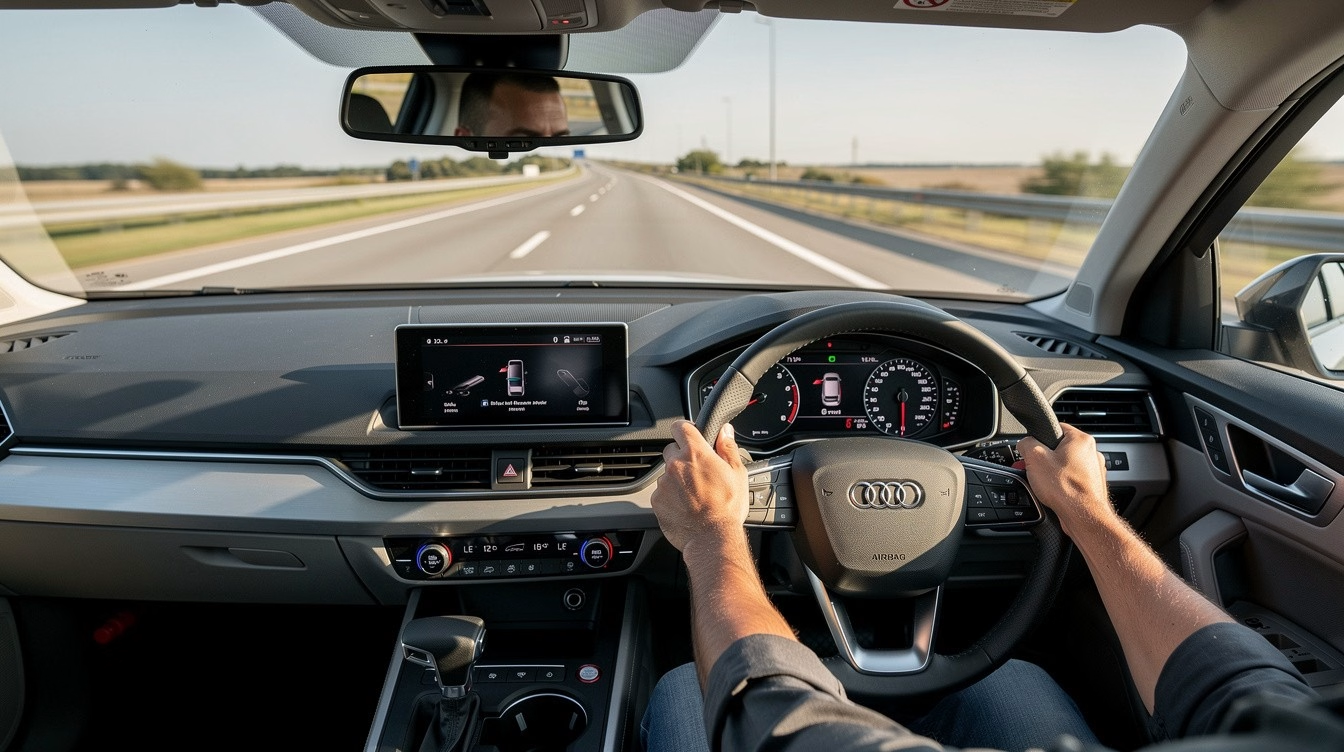
Long-distance driving tests your mental stamina in ways most people underestimate. Fatigue and distractions creep in gradually, turning a routine drive into a safety risk.
We at DriverEducators.com know that distraction-free driving isn’t just about willpower-it’s about strategy. This guide shows you exactly how to stay sharp behind the wheel, mile after mile.
What Fatigue Actually Looks Like Behind the Wheel
Eyes That Won’t Stay Open
Fatigue doesn’t announce itself with a warning light. It builds quietly, starting with small signs that most drivers dismiss until they become dangerous. Your eyes feel heavier than usual, and you blink more frequently or struggle to keep them open for extended periods. Driving long distances demands sustained visual attention, and after 90 to 120 minutes of continuous focus, your eyes naturally want to rest. The National Highway Traffic Safety Administration reports that drowsy driving accounts for roughly 91,000 crashes annually in the United States, with fatigue-related incidents often occurring between 2 AM and 6 AM or during mid-afternoon hours when your circadian rhythm dips.
Fatigue strikes at any time if you’ve been on the road too long without breaks. The moment your vision starts to blur or your eyelids feel heavy, your body is sending a clear message: you need to stop.
Lane Drifting: The Silent Warning
Lane drifting comes next, and it’s more telling than heavy eyelids. You’ll find yourself crossing the center line or drifting toward the shoulder without consciously steering there. This happens because your attention lapses momentarily, and your hands relax on the wheel. A tired driver loses the fine motor control that keeps the vehicle centered in the lane, and this loss of control happens faster than most people realize.
Lane drifting represents a critical threshold-your body has already begun to shut down, even if you don’t feel completely exhausted. This is the point where you must pull over immediately, not in five miles or at the next exit.
Reaction Times That Cost Lives
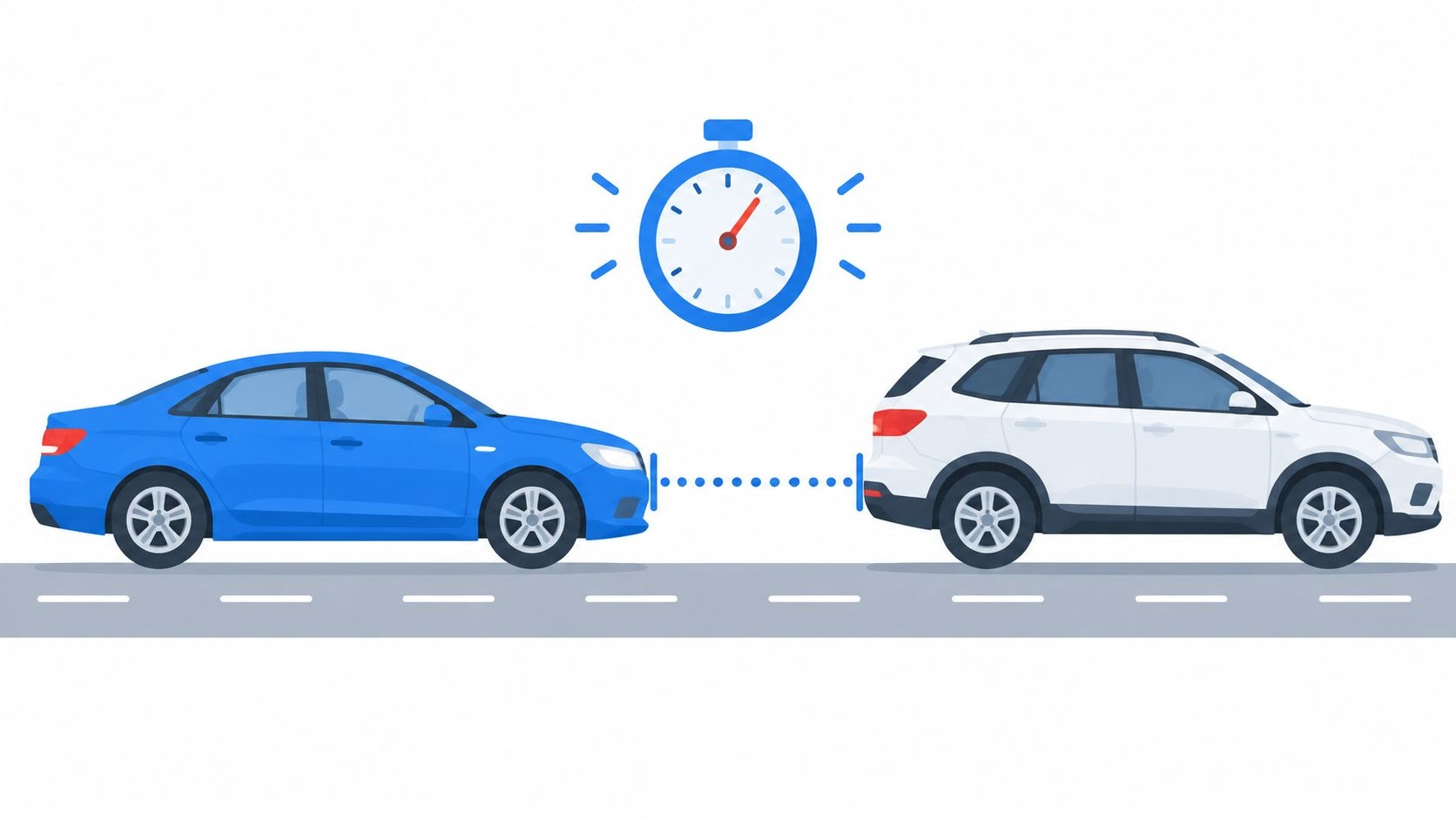
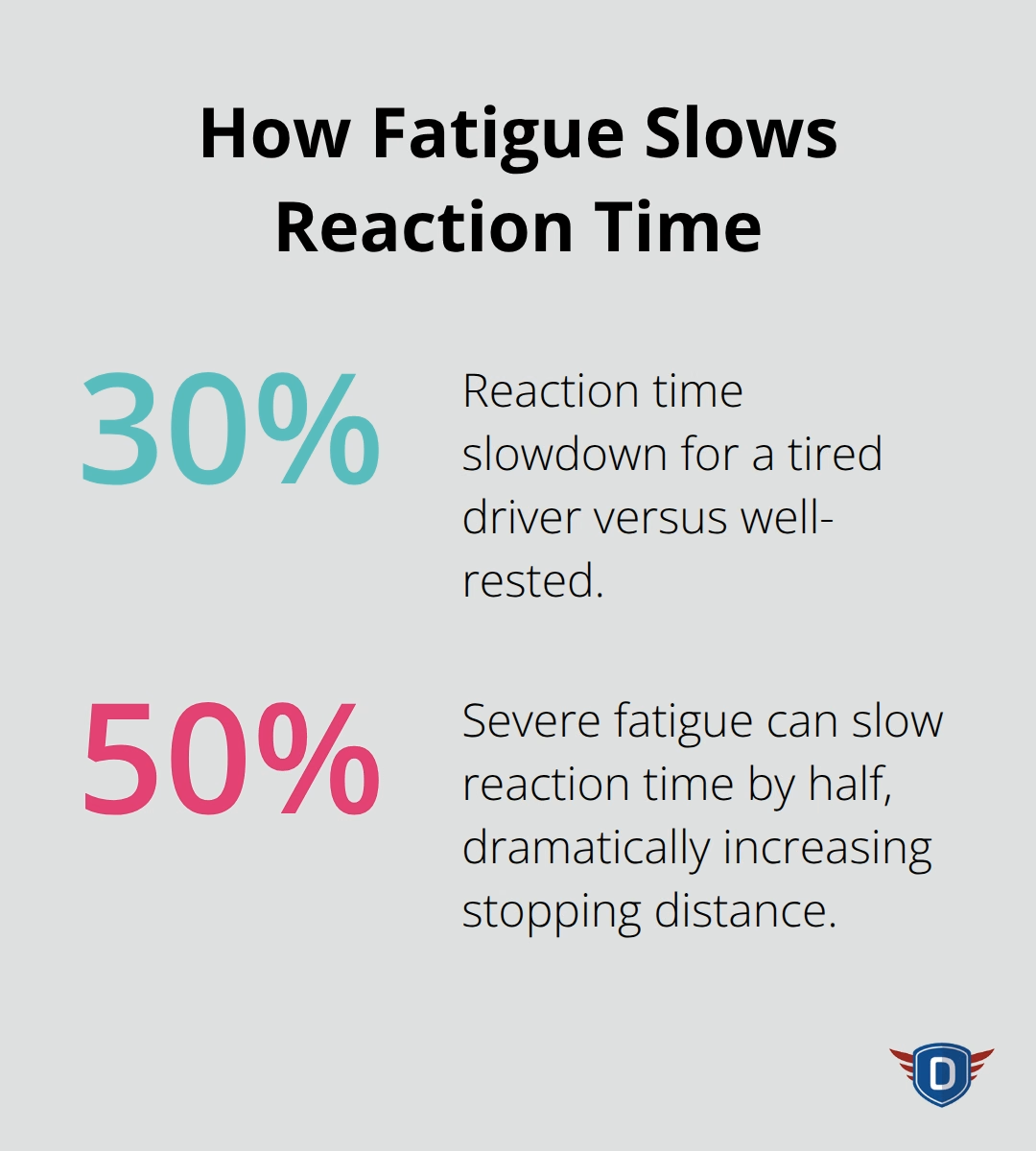
Delayed reaction times follow close behind lane drifting. If a car brakes suddenly ahead or an obstacle appears, your foot takes longer to reach the brake pedal, or you react more slowly than normal. A tired driver’s reaction time can slow by 30 to 50 percent compared to a well-rested one. At highway speeds, that extra half-second translates to traveling an additional 40 to 60 feet before you can stop.
These three signs form a dangerous progression, and recognizing them early is your best defense. Continuing to drive while experiencing these warning signs isn’t brave-it’s reckless, and it puts everyone on the road at risk. The strategies that prevent fatigue from reaching this point start with understanding how your body responds to long hours behind the wheel.
How to Break the Fatigue Cycle on Long Drives
Stop Every 90 Minutes Without Exception
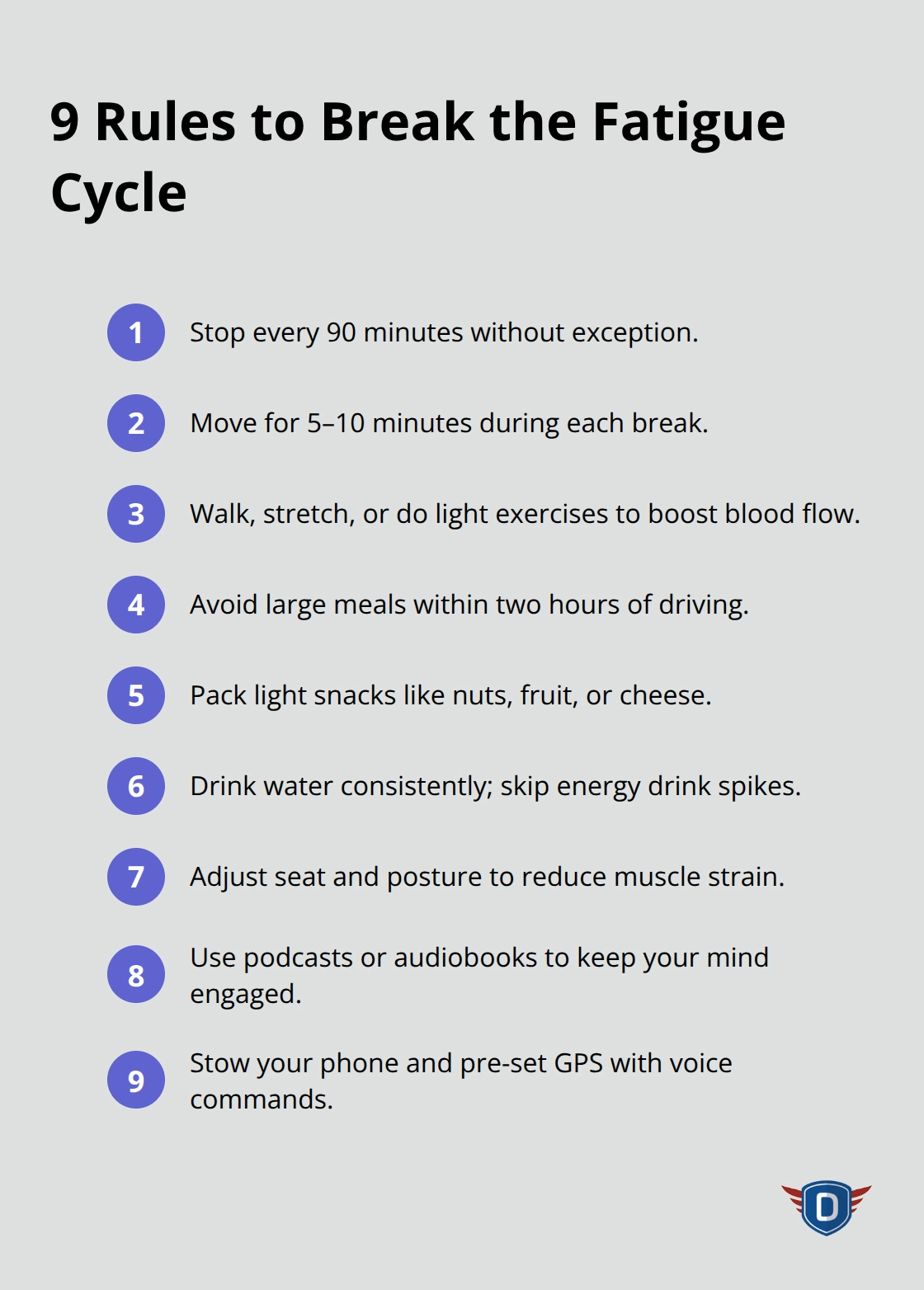
Stopping every 90 minutes isn’t a suggestion-it’s a physiological necessity. Your alertness peaks for roughly 90 to 120 minutes of continuous driving, and after that window closes, your focus deteriorates rapidly regardless of how rested you felt at the start. A study published in the journal Accident Analysis and Prevention found that drivers who took breaks reduced their crash risk compared to those who drove without stopping.
The break itself matters less than the consistency. Pull into a rest area, get out of the vehicle, and move your body for at least five to ten minutes. Walking, stretching, or doing light exercises increases blood flow and resets your alertness threshold. Many drivers make the mistake of sitting in their car during breaks, scrolling through their phone or grabbing a quick nap-this defeats the purpose because your body stays in the same static position that caused fatigue in the first place.
Fuel Your Body With the Right Foods and Fluids
What you consume directly affects how long you can maintain focus. Heavy meals trigger your digestive system to work harder, which pulls blood flow away from your brain and toward your stomach, making drowsiness nearly inevitable. Avoid eating large meals within two hours before or during your drive.
Instead, pack light snacks like nuts, fruit, or cheese that provide sustained energy without the crash. Dehydration is equally destructive-studies show that mild dehydration impairs reaction time and concentration. Drink water consistently throughout your drive, not energy drinks or caffeine-heavy beverages that cause crashes after their effect wears off.
Adjust Your Seat and Posture for Maximum Comfort
Your seat position matters more than most drivers realize. Poor posture forces your neck and back muscles to work harder, causing tension that accelerates fatigue. Adjust your seat so your back is fully supported, your shoulders are relaxed, and your arms can reach the steering wheel without stretching.
Your head should sit naturally without tilting forward or backward. This simple adjustment reduces muscle strain and keeps you alert for longer stretches. A properly positioned seat (one that supports your lower back and keeps your eyes level with the road) prevents the physical discomfort that compounds mental fatigue.
Use Audio Content to Keep Your Mind Engaged
Many drivers underestimate the power of audio engagement. Podcasts or audiobooks that require active listening keep your mind engaged in ways background music cannot. Choose content that interests you enough to maintain attention but isn’t so complex that it distracts you from the road.
This strategy works because your brain stays active and focused on something beyond the monotony of the highway. The mental engagement creates a buffer against the drowsiness that builds during long stretches of repetitive driving. When your next break approaches, you’ll notice you feel sharper and more alert than you would have without this audio engagement.
What Actually Distracts You on Long Drives
Your Phone Is a Crash Waiting to Happen
Your phone represents the single greatest threat to your safety on long drives. Using a cellphone while driving increases crash risk, with 3208 people dying in distraction-affected crashes in 2024. Texting while driving increases crash risk by 23 times compared to focused driving, according to research from the Virginia Tech Transportation Institute. At highway speeds, a five-second glance at your phone means you travel the length of a football field without looking at the road.
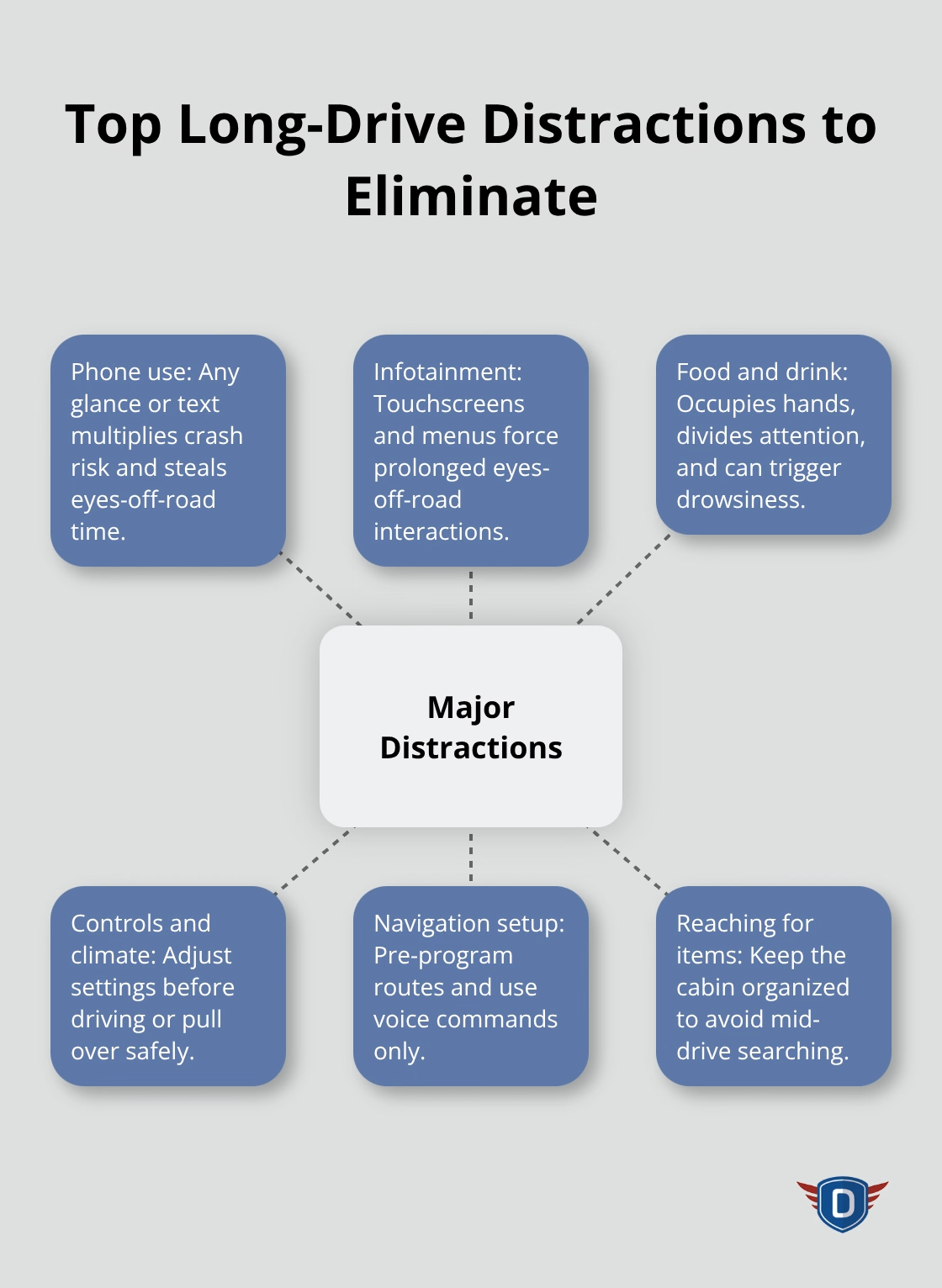
The solution requires removing temptation entirely. Put your phone in the glove compartment, the trunk, or the back seat where you cannot reach it. If you need navigation, set your GPS route before you start driving and use voice commands only. Mental bargaining-telling yourself a quick text won’t hurt-is exactly when accidents happen.
Infotainment Systems Steal Your Attention
In-car entertainment systems demand far more attention than drivers realize. Touchscreen interfaces force you to look away from the road and often require multiple taps to accomplish a single task. Using a cellphone while driving increases crash risk, with research consistently linking device manipulation to increased danger.
Change music or adjust temperature before you drive or pull over safely. The five-second rule applies to any in-car distraction, whether it’s adjusting climate controls, changing radio stations, or reaching for something on the passenger seat.
Food and Drink Compound Your Fatigue
Eating and drinking while driving creates multiple problems at once. Your hands leave the steering wheel, your attention splits between the road and your food, and heavy foods trigger drowsiness by pulling blood flow toward your digestive system. Consuming meals also contributes to the fatigue you’ve already worked to prevent through proper breaks and posture.
Eat a full meal at home or at a rest stop where you can sit properly and digest without driving. Skip the drive-through meal before a long trip. The combination of food consumption, temperature adjustments, phone checking, and entertainment fiddling doesn’t just reduce your reaction time-it eliminates your ability to respond to emergencies at all.
Final Thoughts
Staying focused on long drives requires three core actions: stop every 90 minutes, fuel your body properly, and eliminate distractions before they start. These strategies demand commitment, but they transform long-distance driving from a test of endurance into a manageable task. The moment your eyes feel heavy or you notice lane drifting, pull over immediately-you’ve already waited too long.
Distraction-free driving protects you, your passengers, and everyone sharing the road. Your phone in the glove compartment, your seat adjusted correctly, and your breaks scheduled consistently make the difference between alert, controlled driving and the 91,000 annual crashes caused by drowsy driving. The data proves it: drivers who follow these practices crash far less frequently than those who ignore them.
DriverEducators.com offers comprehensive driver education programs designed to build safe habits that last, covering defensive driving techniques, crash avoidance strategies, and the behavioral changes that make you a sharper driver. Our flexible, self-paced courses help you strengthen your overall driving skills and become the confident driver you need to be on every journey.