Vehicle emergencies happen fast, and your first few seconds of response determine whether you walk away safely or face serious consequences. At DriverEducators.com, we’ve seen how panic clouds judgment-but the right preparation changes everything.
This guide walks you through recognizing real threats, taking immediate action, and building the habits that prevent emergencies before they start.
What Happens When Your Vehicle Suddenly Fails
Brake Failure and Loss of Stopping Power
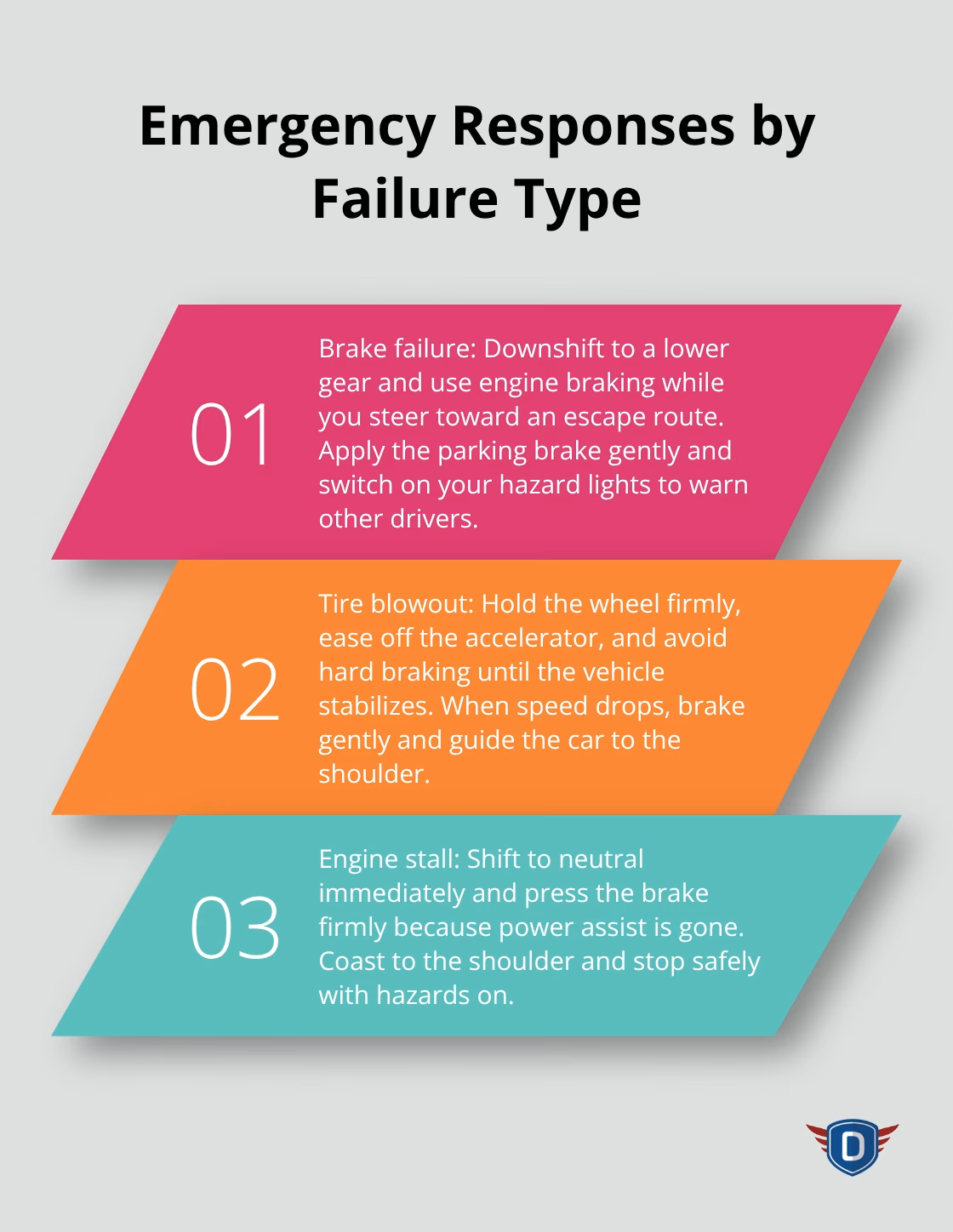
Brake failure strikes without warning, and the first sign is often a soft or unresponsive pedal. According to NHTSA brake system problems, they rank among the most dangerous mechanical failures because they eliminate your primary method of slowing down. The moment you notice the brake pedal feels mushy, sinks to the floor, or offers no resistance, your survival depends on immediate action.
Downshift to a lower gear to use engine braking, which slows the vehicle by increasing resistance in the drivetrain rather than relying on hydraulic pressure. If your car has a manual transmission, shift down one gear at a time to avoid stalling. Automatic transmissions with a manual mode allow you to drop into a lower gear for the same effect. Apply the parking brake gently and progressively-aggressive engagement locks the rear wheels and causes a skid. Steer toward the shoulder or an escape route away from traffic, keep both hands on the wheel, and activate hazard lights immediately to warn other drivers. Once stopped, call for roadside assistance and never attempt to restart the engine or re-enter traffic.
Tire Blowouts and Sudden Loss of Control
A tire blowout happens instantly and feels violent, but panic makes it worse. When a tire suddenly deflates, the vehicle pulls sharply to one side and the steering wheel may jerk in your hands. Your instinct will scream to brake hard, but that amplifies the loss of control.
Instead, grip the wheel firmly with both hands, ease off the accelerator smoothly, and avoid sudden braking. Let the vehicle coast as friction and air resistance naturally slow you down. Once you regain control and the vehicle moves at a manageable speed, apply the brakes gently and steer toward the shoulder. AAA tire pressure checking recommendations emphasize using a tire gauge for accuracy rather than relying on gas station air hoses.
Regular tire inspections catch cuts and bulges before they fail, and rotating tires according to your owner’s manual prevents uneven wear that accelerates blowouts.
Steering System Failure
Steering system failure means the wheel no longer responds to your input, or responds unpredictably. This is rare in modern vehicles but catastrophic when it occurs. If the steering becomes heavy or locks, do not force it-this wastes energy and pulls you off course.
Instead, ease off the accelerator, use gentle brake pressure, and steer gradually toward the shoulder or a safe stopping area. If steering fails completely, your only option is controlled deceleration and hoping the vehicle drifts to safety.
Engine Stalling and Power Loss
Engine stalling strips away power steering and power brakes, making the vehicle suddenly difficult to control. The moment the engine dies, the steering wheel becomes heavy and the brake pedal requires much harder pressure because there is no vacuum assist. Shift into neutral immediately to avoid stalling the transmission, then apply firm steady brake pressure-it takes more force than normal but it works.
Coast toward the shoulder, activate hazard lights, and prepare to stop on the roadside. Do not attempt to restart the engine while moving in traffic. These emergencies share one characteristic: they all demand immediate control over panic and immediate action to move away from traffic. Your next steps after stopping determine whether you recover safely or face additional danger on the roadside.
What to Do in the First Critical Seconds
The window between recognizing a vehicle emergency and losing control spans seconds, not minutes. Your brain floods with adrenaline, your vision narrows, and instinct pushes you toward panic. This is exactly when conscious decision-making collapses. The antidote is not willpower-it’s a clear sequence of actions that overrides panic through repetition.
Identify the Problem Instantly
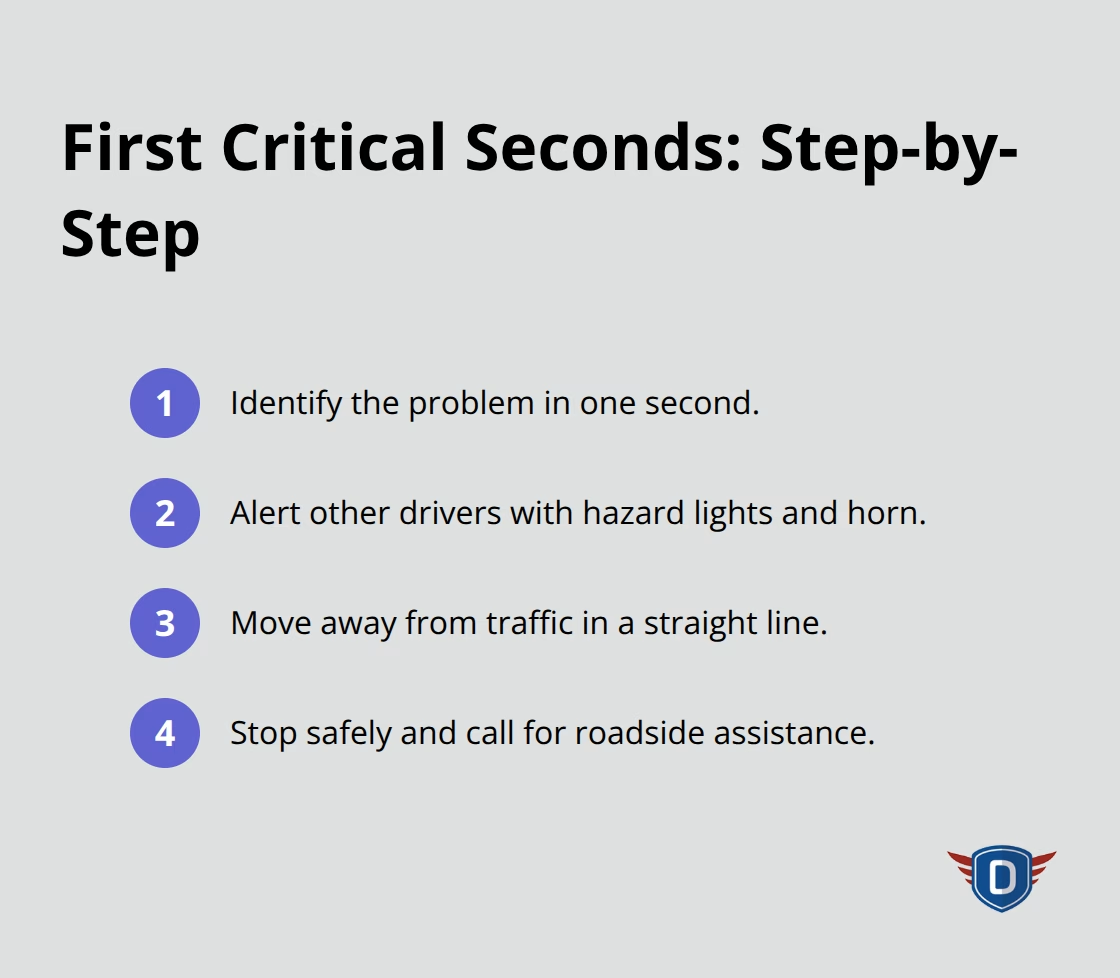
The moment you sense something is wrong, stop fighting the vehicle and assess what is actually happening. If the brake pedal sinks, you have brake failure. If the steering wheel feels heavy or unresponsive, you have steering trouble. If the engine dies, power assistance vanishes immediately. Spend one second identifying the problem because the specific failure determines your next move.
Alert Other Drivers Without Delay
Activate your hazard lights immediately-this is not optional, it is the signal that tells every driver behind you something is wrong. Your horn is your second warning tool; use it if traffic is close or if another driver might not notice your hazard lights. The horn buys you critical seconds by alerting drivers who might otherwise collide with you.
Move Away from Traffic
Steer toward the shoulder if you are on a highway. Try a parking lot or side road if you are on a city street. Do not attempt heroic maneuvers-straight-line steering toward safety is all you need. Ease off the accelerator smoothly and apply brakes with steady, progressive pressure rather than jabbing at the pedal. Abrupt inputs cause skids and loss of control. If brakes fail, downshift and use the parking brake gently as described in the previous section. The goal is not to stop quickly; the goal is to stop safely.
Stop and Call for Help
Once you are off the roadway and stationary, turn off the engine and turn on hazard lights if they are not already running. Call for roadside assistance immediately. Do not attempt repairs on a busy road-this is how secondary accidents happen. Stay inside the vehicle with your seatbelt fastened unless there is immediate danger like smoke or fire. Keep your phone charged before emergencies occur; AAA recommends carrying a car charger or portable power bank so you remain connected while waiting for help. If you must exit the vehicle, do so from the curb side and move away from traffic to a safe area.
Preparation Transforms Panic into Action
Your preparation before the emergency-maintaining tire pressure with an actual gauge, checking battery terminals for corrosion, and knowing where the parking brake and transmission controls are-transforms panic into execution. The drivers who walk away from emergencies are not the ones with the fastest reflexes; they are the ones who have already decided what they will do. This foundation of knowledge and muscle memory carries you through the chaos that follows, setting the stage for what happens next when you are stranded on the roadside.
Build Your Safety Foundation Before an Emergency Strikes
The difference between drivers who survive emergencies and those who don’t often comes down to one factor: preparation. You cannot control when a tire blowouts or when your brakes fail, but you can control what happens before that moment arrives. Preparation is not about predicting every possible failure-it’s about eliminating the most common causes and knowing your vehicle well enough that when something goes wrong, your hands and mind respond automatically. The NHTSA reports that regular vehicle maintenance reduces emergency risk significantly, yet most drivers ignore basic checks until a problem forces their hand.
Tire Pressure and Inspection Save Lives
Start with tire pressure, which is the single most preventable cause of blowouts. AAA recommends checking tire pressure with an accurate gauge rather than eyeballing your tires, and do this when tires are cold for an accurate reading. The ideal tire pressure for most vehicles typically falls between 28 and 36 PSI, though your specific number lives on a sticker inside your driver’s door jamb or in your owner’s manual-not on the tire sidewall, which lists maximum pressure. Gas station air hoses are notoriously inaccurate, so invest in a quality gauge you keep in your glove box. While you inspect tires, look for cuts, bulges, or uneven wear patterns that signal internal damage. Rotating your tires according to the manual schedule prevents the uneven wear that accelerates failure and extends tire life overall. Tires displaying excessive tread wear are significantly more likely to fail under stress, so replace them before they reach that point.
Battery Maintenance Prevents Stranding
Your battery deserves the same attention as your tires. Modern batteries require maintenance despite what manufacturers claim, and extreme temperatures-both heat and cold-accelerate degradation. Check battery terminals regularly for looseness, dirt, or corrosion, which drains power and prevents proper charging. If you spot corrosion, clean it with a baking soda and water solution and a wire brush; a commercial battery cleaner works equally well. A typical battery lifespan runs about five years, so as you approach that age, performance naturally declines and replacement becomes wise.
Emergency Supplies Transform Roadside Crises
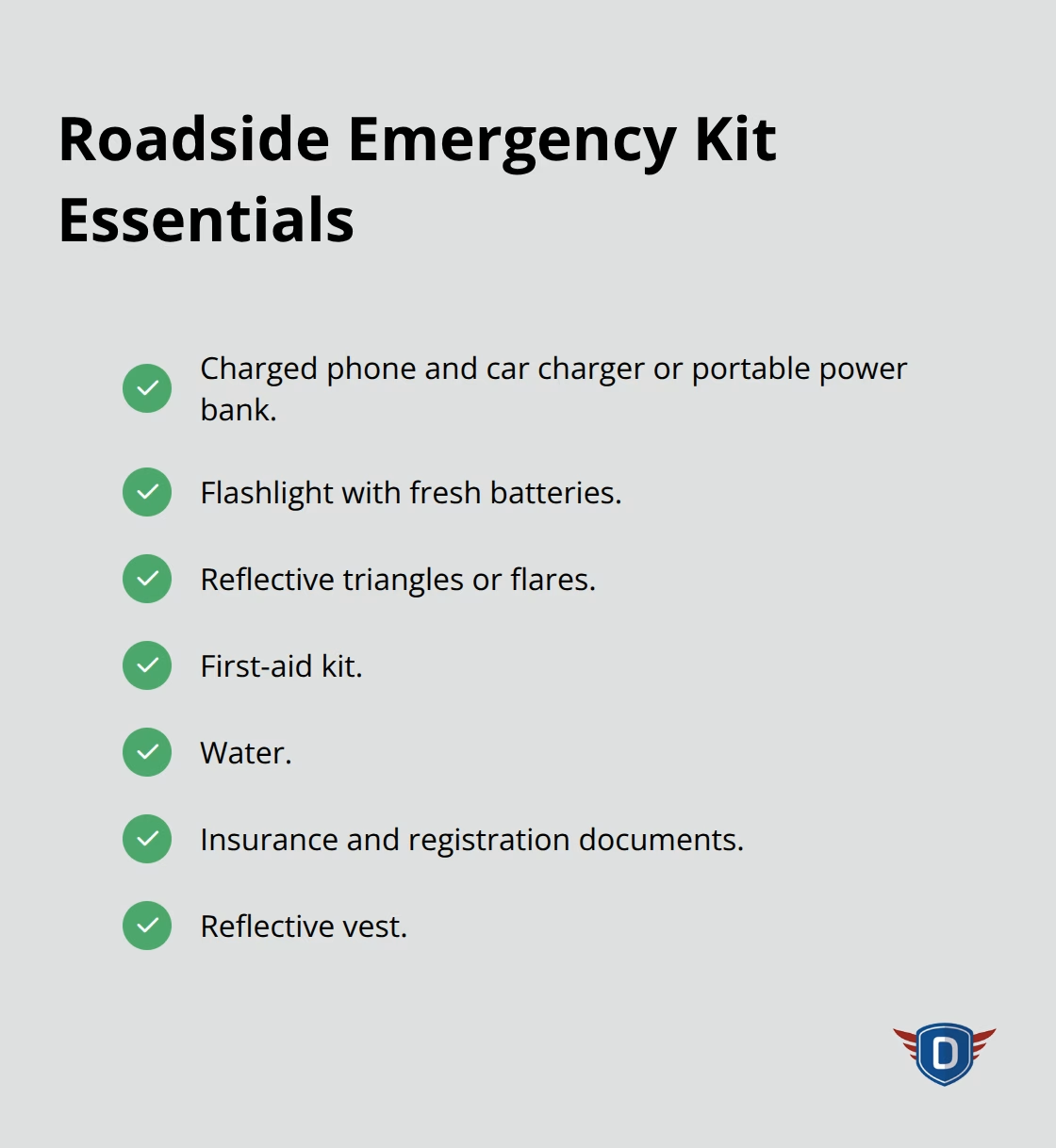
Keep an emergency kit in your trunk with items that transform a roadside emergency from terrifying to manageable: a charged phone with a car charger or portable power bank, a flashlight with fresh batteries, reflective triangles or flares, a first-aid kit, water, and your insurance and registration documents within arm’s reach. These supplies (along with a reflective vest) protect you when you must exit the vehicle in low light or heavy traffic.
Know Your Vehicle’s Critical Controls
Know where your parking brake lever or button sits, understand how to shift into neutral if your engine dies, and locate your hazard light button so muscle memory takes over when adrenaline clouds your thinking. Familiarity with these controls means your body acts automatically when panic tries to take control.
Final Thoughts
Vehicle emergency response depends on two factors working together: what you do in the moment and what you prepared beforehand. The drivers who walk away from brake failures, tire blowouts, and steering problems are not the ones with perfect reflexes-they are the ones who checked their tire pressure last month, cleaned their battery terminals, and know exactly where their hazard light button sits. Panic strikes inevitably when something goes wrong on the road, but panic does not have to control your actions.
The sequence matters because it works when adrenaline floods your system: identify the problem, alert other drivers, move away from traffic, and call for help. Your preparation-maintaining your vehicle, understanding your controls, and keeping emergency supplies in your trunk-transforms that sequence from something you hope you will remember into something your hands and mind execute automatically. These actions take minutes but could save your life.
We at DriverEducators.com believe that safe driving starts long before an emergency occurs. Our comprehensive driver education programs, including our Mature Driver Course for drivers aged 55 and older, teach defensive driving techniques and emergency response strategies that build real confidence on the road. Visit DriverEducators.com today to explore courses designed to help you become a safer, more confident driver.