Vehicle safety checks are the difference between a safe drive and a dangerous one. Most drivers skip them, but the data tells a different story-proper pre-drive inspections catch problems before they become accidents.
At DriverEducators.com, we’ve seen firsthand how five minutes of checking your tires, brakes, and lights prevents costly repairs and injuries. This guide walks you through exactly what to inspect before every drive.
What to Check on Your Vehicle’s Exterior
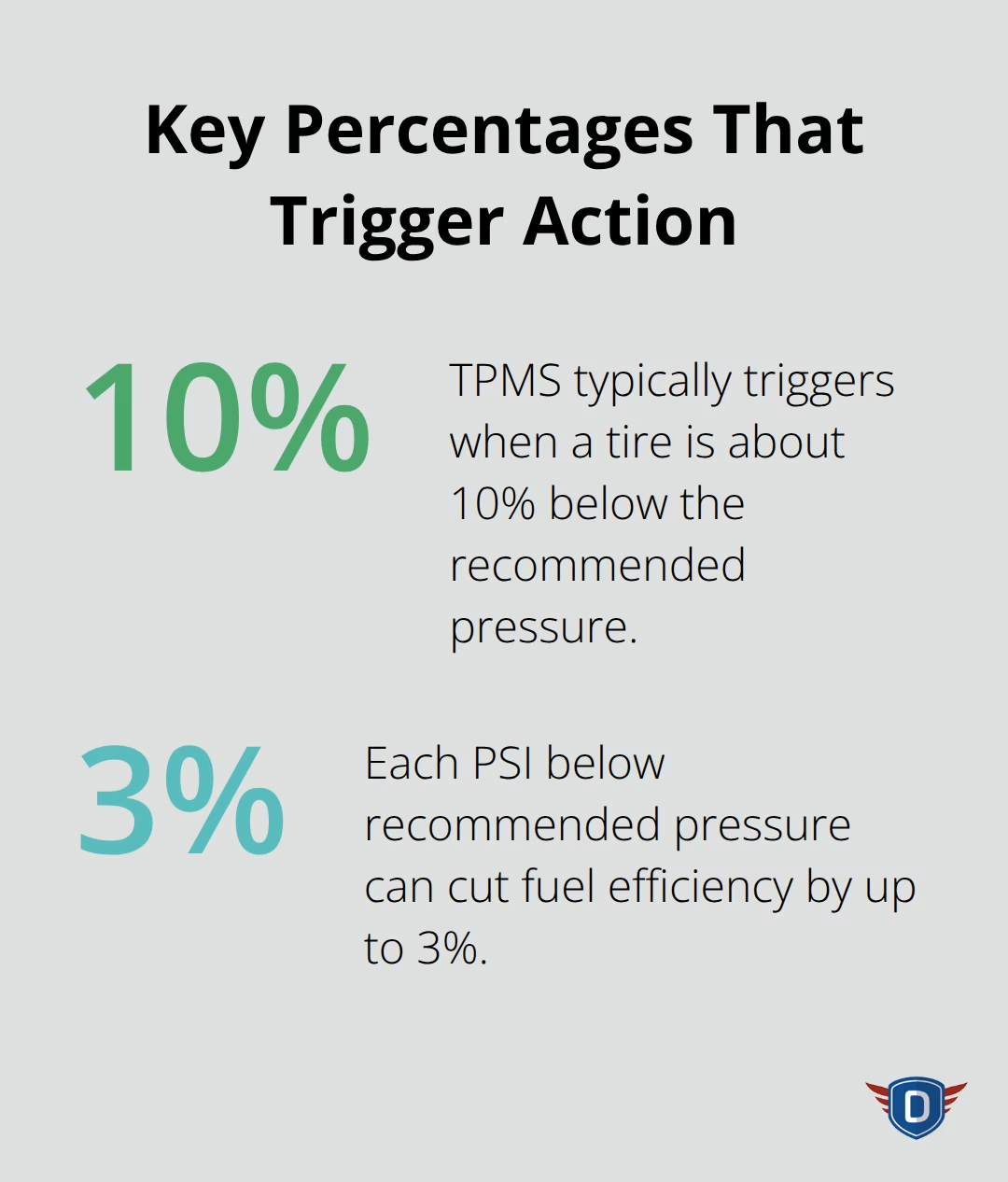
Start with your tires before every drive. Tire condition directly affects braking distance and steering control, making this non-negotiable. Check tread depth using the penny test: insert a penny into the groove with Lincoln’s head upside down, and if you see the top of his head, your tread is at or below 1/32 inch and the tires are unsafe. However, many safety experts recommend replacing tires at 4/32 inch tread depth, not waiting until the legal minimum. Underinflated tires reduce fuel efficiency by up to 3% per PSI below recommended pressure and compromise braking performance.
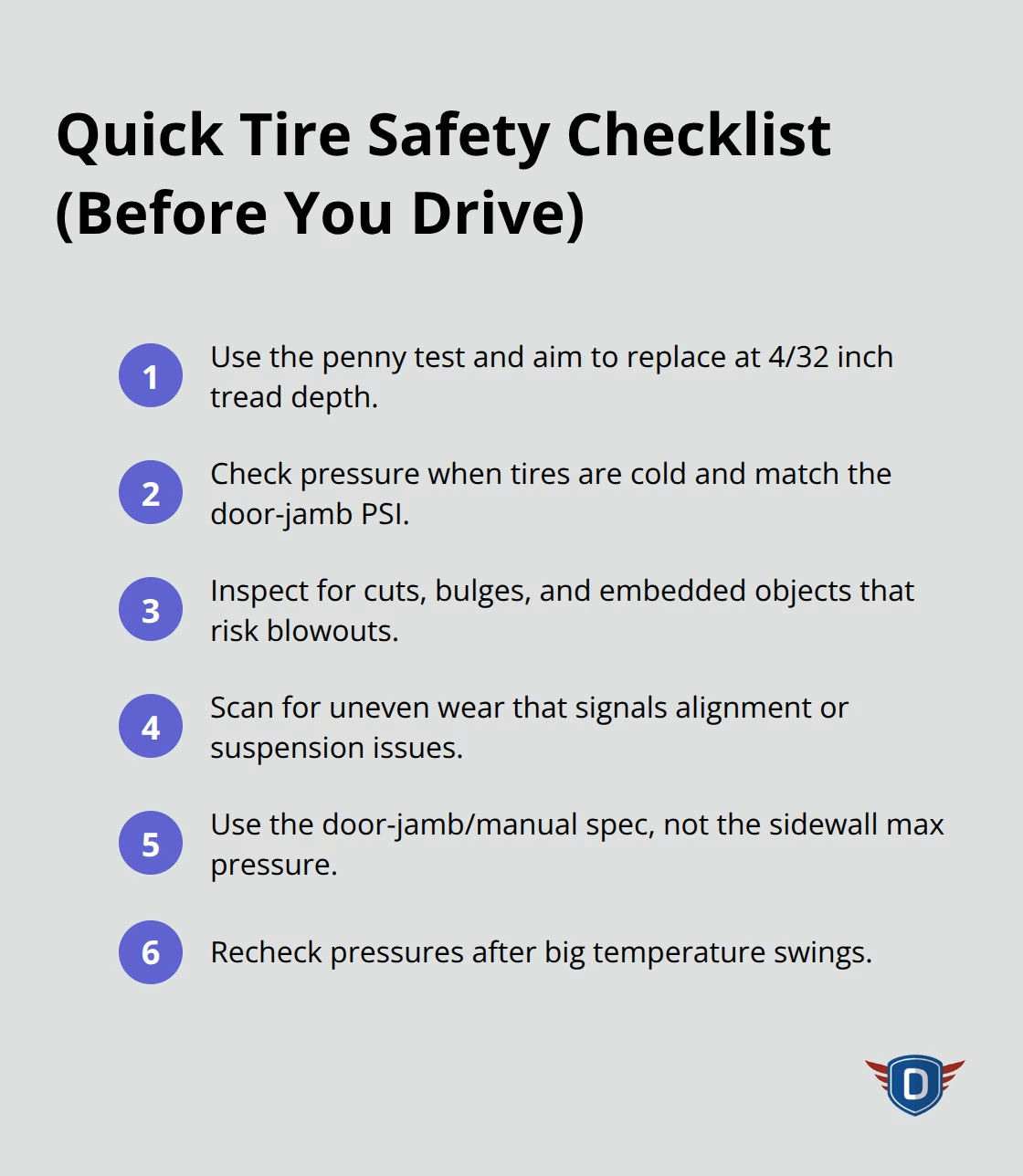
Check your tire pressure when tires are cold, preferably before driving or at least three hours after driving, since tire pressure increases with heat. Look for your vehicle’s recommended PSI on the driver’s side door jamb or in your owner’s manual, not on the tire sidewall. While checking pressure, inspect each tire for cuts, bulges, or embedded objects that could cause blowouts. Uneven wear patterns indicate alignment problems that require professional attention.
Lights and Reflectors Keep You Visible
All four turn signals must work on both sides of your vehicle-front and rear. Walk around your car and activate each signal while standing in front and behind the vehicle to confirm visibility. Brake lights are equally critical; have someone press the brake pedal while you check that both left and right brake lights illuminate. The center high-mounted brake light is helpful but not legally required. Burned-out bulbs represent the most common reason vehicles fail safety inspections. Check your headlights in low-light conditions to verify both high and low beams function properly. Hazard lights should activate and flash all four corners simultaneously. Replace any faulty bulbs immediately-they’re inexpensive and take minutes to swap out.
Windows and Mirrors Enable Safe Scanning
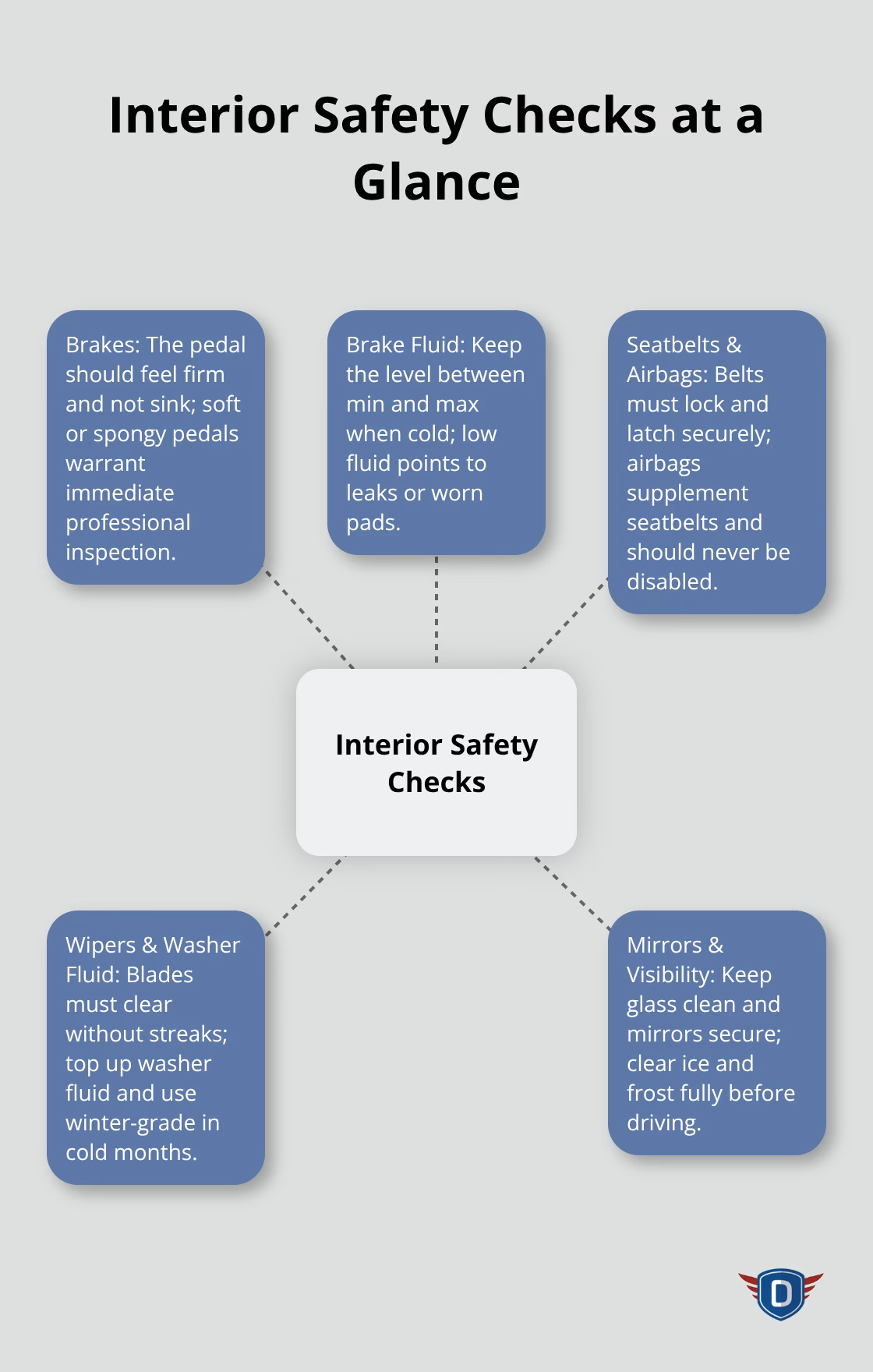
Your windshield must provide an unobstructed view for both you and your passenger. Small chips smaller than a quarter or cracks under 12 inches can typically be repaired rather than replaced, which saves money and maintains structural integrity. Larger damage requires windshield replacement to maintain visibility and vehicle safety. Inspect all mirrors-you need at least one outside mirror on the left and either an inside center mirror or an outside right mirror. Mirrors must be secure and unbroken; loose or cracked mirrors reduce your ability to check blind spots. Wipe down all glass surfaces to remove dirt, dust, and moisture that obstruct your view. In cold weather, clear ice and frost completely from windows and mirrors before driving. Streaking wipers indicate blade wear; replace them if they’re not clearing the windshield properly. Top up your windshield washer fluid, and consider using winter-grade solution in colder months for better performance.
With your exterior inspection complete, you’re ready to move inside the vehicle and verify that your safety systems function properly.
Inside the Vehicle: What Really Matters
Test Your Brakes Before Every Drive
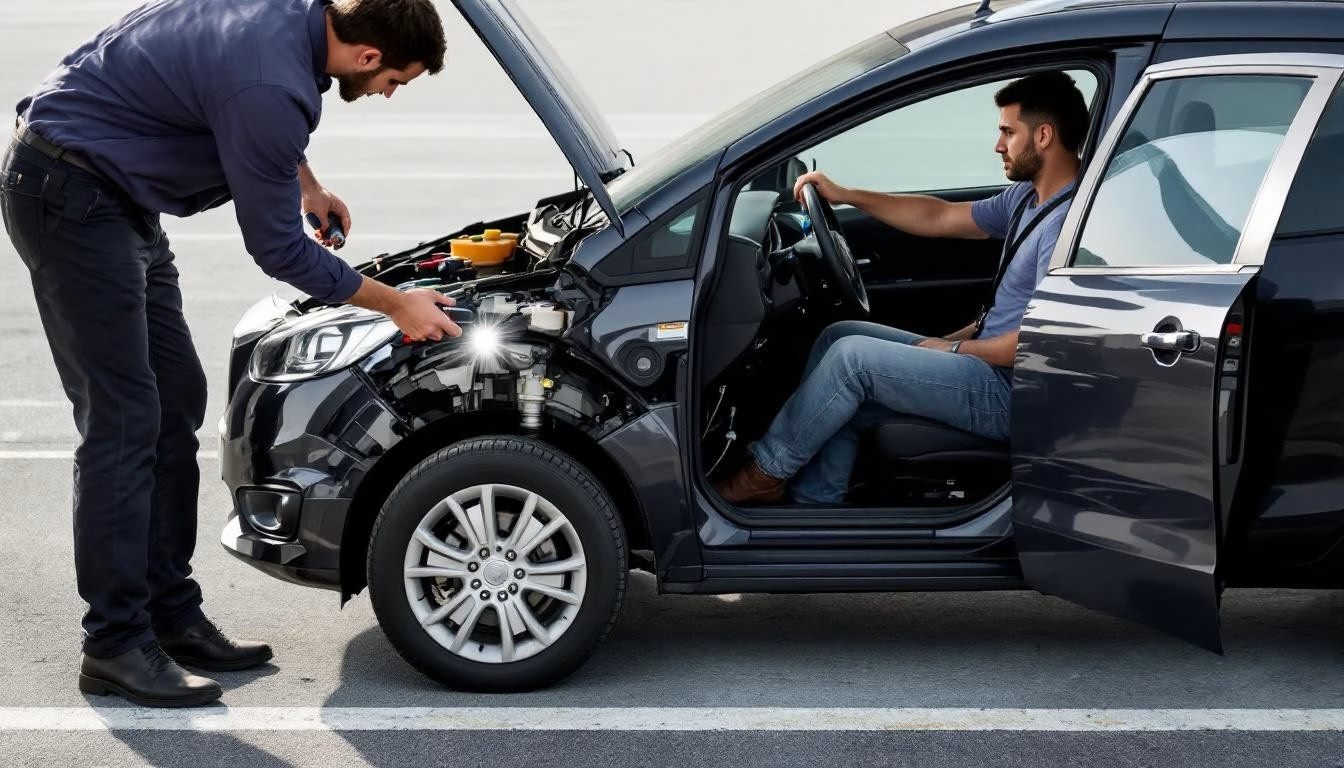
Your brakes are the single most important safety system in your vehicle. Press the brake pedal firmly while the engine is off and verify it doesn’t sink to the floor or feel spongy. A soft pedal indicates air in the brake lines or low brake fluid, both requiring immediate professional attention. Check your brake fluid level by locating the translucent reservoir under the hood, typically labeled with min and max marks. Brake fluid should sit between these lines when the engine is cold. Low fluid levels signal a leak or worn brake pads, and driving with either condition increases stopping distance dangerously.
Look under your vehicle for puddles of fluid after it sits overnight, as leaks indicate serious problems that need professional diagnosis immediately.
Verify Seatbelts Lock Securely
Seatbelts save lives in crashes, so test yours by pulling firmly on the belt to confirm it locks and doesn’t slide freely. Both driver and passenger belts must work smoothly without twisting or fraying. Check that the latch clicks securely into the buckle, and pull the belt taut to verify it holds under pressure. Airbags work alongside seatbelts, not as replacements, so never disable or tamper with airbag systems. If your airbag warning light illuminates on the dashboard, have a mechanic inspect it before driving, since a faulty airbag system won’t protect you in a collision.
Clear Your Windshield and Test Wipers
Windshield wipers must clear glass completely without streaking or chattering, as reduced visibility dramatically increases crash risk during rain or snow. Test wipers on both regular and high-speed settings before driving in wet conditions. Replace blades if they’re leaving water trails or missing sections of the windshield. Washer fluid should be topped up monthly, and in winter months, use winter-grade solution that won’t freeze on your windshield. Top up your washer fluid reservoir regularly to maintain visibility when you need it most.
Now that you’ve verified your interior safety systems function properly, you’re ready to address the common issues that surface during pre-drive checks and learn how to handle them.
Common Issues Found During Pre-Drive Checks
Tire Pressure and Wear Patterns
Tire pressure drops 1-2 pounds for every 10 degrees of temperature drop, which means your morning check might reveal underinflated tires simply because the weather turned cold overnight. This is the most common issue that surfaces, and it’s also the easiest to fix. Underinflated tires increase stopping distance and reduce fuel efficiency significantly. When you check pressure, compare the reading to your vehicle’s recommended PSI on the driver’s side door jamb, not the maximum pressure listed on the tire sidewall. Many drivers confuse these two numbers and overinflate their tires, which causes the center of the tread to wear faster and reduces traction in wet conditions.
Uneven wear patterns tell a story about your vehicle’s alignment and suspension health. If the outer edges of your tires show more wear than the center, your alignment is off and needs professional correction before the problem worsens. If one tire wears much faster than the others, a brake caliper might be sticking-a safety issue requiring immediate mechanic attention.
Dashboard Warning Lights
Warning lights on your dashboard mean something specific, and ignoring them is dangerous. A tire pressure monitoring system warning light indicates at least one tire is significantly underinflated, typically 10 percent below the recommended level. Brake warning lights demand immediate attention because they signal low brake fluid or brake pad wear that compromises your stopping ability. If your check engine light comes on during your pre-drive inspection, have the vehicle scanned with a diagnostic tool to identify the problem before driving.
Fluid Leaks and Low Levels
Fluid leaks under your vehicle are never normal and always require professional diagnosis. A puddle of bright green or orange fluid indicates coolant loss, which will cause engine overheating and potential seizure if you continue driving. Clear or slightly amber fluid suggests power steering or transmission problems that affect steering control and gear shifting. Dark brown or black fluid is brake fluid or engine oil (both indicating serious mechanical issues). Even small leaks should be checked by a professional immediately because they worsen quickly and can leave you stranded on the road. The location of the leak matters too: leaks near the front passenger side typically come from the radiator or air conditioning system, while leaks toward the rear suggest transmission or differential problems. Never ignore these warning signs and assume the vehicle will make it through your drive.
Final Thoughts
Vehicle safety checks take five minutes and prevent accidents, injuries, and expensive repairs. Drivers who inspect their vehicles regularly catch problems before they become dangerous, and this habit separates responsible drivers from those who leave safety to chance. Your daily inspection should cover tires, brakes, lights, wipers, and fluid levels-check tire pressure when tires are cold, test your brake pedal for firmness, verify all lights function, and scan for leaks under your vehicle.
Some problems require professional attention immediately. If your brakes feel spongy, your steering feels loose, or you spot fluid leaks, do not drive the vehicle (brake fluid leaks, coolant loss, and transmission problems worsen rapidly and can leave you stranded or cause loss of control). A mechanic can diagnose these issues quickly and prevent catastrophic failures on the road.
Vehicle safety checks form the foundation of safe driving, and DriverEducators.com teaches these habits alongside defensive driving techniques that keep you and others safe. Our comprehensive driver education programs help new drivers and experienced drivers alike build confident, responsible habits on the road.