The how to overcome driving anxiety: quick, proven steps
Struggling with driving anxiety? Learn how to overcome driving anxiety with practical tips, exposure ideas, and expert guidance to boost confidence.
Tackling driving anxiety isn’t about just “getting over it.” It’s a real, manageable process that starts with understanding your specific fears, learning some in-the-moment coping skills, and then gradually, safely exposing yourself to driving again. The secret is to start small and reclaim your confidence one manageable step at a time.
What Driving Anxiety Really Feels Like
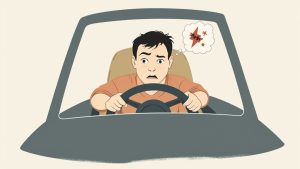
If the mere thought of getting behind the wheel makes your heart pound and your palms sweat, you’re not alone. Not by a long shot. Driving anxiety is so much more than pre-test jitters; it’s a powerful, often overwhelming fear that can seriously cramp your style and limit your freedom. This feeling isn’t a sign of weakness. It’s your body’s “fight-or-flight” response going haywire at the wrong moment. Something as simple as thinking about merging onto a busy highway can trigger a full-blown stress reaction.
The Physical and Mental Symptoms of Driving Fear
Driving anxiety is a full-body experience. Physically, you might feel a racing heart, get short of breath, or start trembling. Sweating, dizziness, and even nausea are common, too. These sensations are genuinely terrifying and can trick you into believing that driving is fundamentally unsafe. Mentally, your mind can get stuck in a loop of “what-if” scenarios. You might imagine causing a catastrophic accident, completely losing control of the car, or getting trapped in traffic during a panic attack. These intrusive thoughts create a powerful urge to just avoid driving, which unfortunately only makes the fear stronger over time. This is an incredibly common issue. A significant study from New Zealand revealed that 52% of drivers feel at least mild anxiety on the road, with a staggering 16% reporting moderate to severe symptoms. The research, which you can read about in the full study on driving anxiety patterns, found that these feelings often lead to specific behaviors like extreme caution, forgetfulness, or even aggressive reactions to other drivers.
Pinpointing Your Personal Triggers
The first real step toward getting a handle on this is to figure out exactly what sets you off. For most people, it comes down to a few specific situations. Your triggers might include:
High-Speed Environments: The sheer speed of highways and interstates can feel chaotic and overwhelming.
Heavy Traffic: That “boxed in” feeling during rush hour is a classic trigger for panic.
Complex Maneuvers: Things like merging, changing lanes, or navigating confusing intersections require quick, confident decisions.
Adverse Conditions: Driving at night, in a downpour, or through an unfamiliar part of town adds another layer of stress.
Social Pressure: The fear of being judged by other drivers for being too slow or making a mistake is very real.
Once you identify what you’re feeling and when you feel it, the anxiety stops being this huge, vague monster. It becomes a definable problem you can start to solve.
The goal isn’t to eliminate anxiety entirely but to manage it effectively. Success means equipping yourself with the tools to face your fears, build confidence, and make anxiety a minor passenger instead of the one in the driver’s seat.
Putting a name to your symptoms is a game-changer. It helps demystify what’s happening and gives you a solid foundation for the actionable strategies we’re about to cover.
Identifying Your Driving Anxiety Symptoms
This quick table can help you pinpoint exactly what your anxiety looks like, making the whole experience feel less overwhelming and more understandable.
Symptom Category
Common Examples
Physical Symptoms
Rapid heartbeat, sweating, trembling or shaking, shortness of breath, chest tightness, dizziness, nausea.
Cognitive Symptoms
Racing or intrusive thoughts, catastrophic thinking (“What if I crash?”), difficulty concentrating, feeling of unreality.
Emotional Symptoms
Intense fear or panic, overwhelming dread, irritability, persistent worry before a drive.
Behavioral Symptoms
Complete avoidance of driving, gripping the steering wheel tightly, only driving on “safe” routes, driving excessively slowly.
Recognizing your personal cluster of symptoms is the first step. It validates what you’re going through and provides a clear starting point for taking back control.
Immediate Techniques for In-the-Moment Relief
Okay, so you’re behind the wheel, maybe merging onto I-95, and that familiar wave of panic starts to wash over you. Your heart starts pounding, your palms get sweaty, and your mind races. What do you do right now? Long-term strategies are great, but in these moments, you need an emergency toolkit. You need techniques that work instantly to break the anxiety cycle and bring you back from the edge. The goal here is to regain a sense of control, right here, right now.
Ground Yourself with the 5-4-3-2-1 Method
One of the best ways to slam the brakes on a panic spiral is to ground yourself in the present. Anxiety traps you in your head with terrifying “what-if” scenarios. Grounding techniques force your brain to ditch the hypotheticals and pay attention to the real, tangible world around you. The 5-4-3-2-1 method is incredibly simple and effective. The moment you feel that anxiety building, start mentally ticking off:
5 things you can see: The blue of the street sign, the exact shade of gray of the car ahead, the stitching on your steering wheel, a crack in the pavement, the green of the roadside trees. Get specific.
4 things you can feel: The vibration from the engine through the seat, the cool air from the A/C hitting your knuckles, the texture of your steering wheel cover, the feeling of your back against the seat.
3 things you can hear: The low hum of your tires on the asphalt, the almost-silent click of your turn signal, the sound of a car passing in the next lane.
2 things you can smell: Is there a hint of your car’s air freshener? Can you smell the rain on the hot pavement?
1 thing you can taste: Focus on the last bit of coffee you had, or the mint from your gum.
This simple sensory scan yanks your focus out of the anxiety whirlpool and anchors you firmly in reality—which is almost always much safer than what your anxious mind is telling you.
Control Your Breath, Control Your Nerves
Panic triggers shallow, rapid breathing, which throws fuel on the fire by making the physical symptoms of anxiety even worse. You can short-circuit this by deliberately taking control of your breath. It’s a direct signal to your nervous system that the danger isn’t real and it’s time to calm down. Try the 4-7-8 breathing technique. It’s easy to do while keeping your eyes on the road:
Breathe in through your nose for a count of four.
Hold that breath for a count of seven.
Exhale slowly through your mouth (making a “whoosh” sound) for a count of eight.
Do this three or four times. You’ll be surprised at how quickly it can slow a racing heart and give your mind something else to focus on besides the panic.
By mastering your breath, you are taking direct, physical action to counteract your body’s fight-or-flight response. It’s a simple physiological hack that can de-escalate panic in under a minute.
Make Small Adjustments to Reduce Overload
Sometimes, it’s not one big thing but a dozen small things that push you into anxiety. Sensory overload—too much noise, too many things to watch, too much pressure—is a huge trigger for many drivers. Creating a calmer environment inside your car can make a world of difference. Try these simple resets:
Kill the noise. Turn off the radio, the podcast, or the music. Giving your brain one less thing to process can provide instant relief.
Loosen up. Are you strangling the steering wheel? Consciously relax your hands, drop your shoulders, and unclench your jaw. A death grip sends tension signals throughout your entire body.
Pull over if you need to. There is absolutely no shame in finding a safe place—a parking lot, a quiet side street—to pull over and put the car in park. A five-minute break to breathe and reset is always the smarter choice.
If you struggle with this, know you’re not alone. Driving anxiety is incredibly common, affecting an estimated 66% of Americans at some point. It’s often a mix of psychological fears (like losing control) and environmental stress (like heavy traffic). To understand this better, you can find out more about driving anxiety causes on SouthernKetamine.com. For more in-the-moment strategies, check out these 7 tips for calm anxiety fast. And since other drivers are often a huge source of stress, learning how to handle aggressive drivers is another practical skill that can help you feel more confident and in control on the road.
Build Lasting Confidence with Graded Exposure
While those in-the-moment techniques are your emergency toolkit, the real key to conquering driving anxiety for good is to face your fears methodically. This approach is called graded exposure, and it’s not about white-knuckling it through rush hour traffic. It’s the total opposite—a calm, controlled process for rebuilding your confidence one small, achievable step at a time. The idea is pretty straightforward: you slowly reintroduce yourself to driving situations that make you anxious, starting with the one that feels least scary. Each time you succeed, you’re teaching your brain that you can handle it, which gradually dials down that fear response. This systematic approach is the foundation for real, lasting change. For a deeper dive into the psychology behind it, this guide on What is Exposure Therapy? is an excellent resource.
Start Where You Are: The Car Itself
The first phase of your plan might not even involve turning the key. If just sitting in the driver’s seat makes your heart pound, that’s exactly where you need to begin. The goal is simply to get comfortable in the car again, transforming it from a source of panic into a neutral, everyday space. Here’s how you can start:
Just sit. Seriously. Spend five minutes in your parked car without the keys in the ignition. Just sit there, breathe, and look around.
Practice your tools. This is the perfect time to run through the 4-7-8 breathing or 5-4-3-2-1 grounding exercises. The car becomes your training ground.
Turn it on. Once you’re okay just sitting, the next step is to turn the car on. Let it idle for a few minutes while you listen to music or a podcast. Get used to the vibrations and the sound of the engine without any pressure to actually move.
This stage is all about desensitization. You’re gently showing your nervous system that the car itself isn’t a threat. Don’t dismiss these wins—they are absolutely crucial steps forward.
Map Out Your Journey: The Exposure Hierarchy
Once you’re comfortable in a stationary car, it’s time to chart your course. An exposure hierarchy sounds clinical, but it’s really just your personal roadmap—a list of driving situations ranked from least to most intimidating. Your list will be unique to you, but here’s a sample to get you started:
Drive to the end of the driveway and back.
Drive around the block on a quiet Sunday morning.
Drive to a familiar, nearby spot with almost no traffic.
Drive that same route during a slightly busier time.
Drive for a few blocks on a main road with two lanes.
Practice changing lanes on that same quiet main road.
Drive for a short distance on a slightly faster road (like one with a 45 mph speed limit).
Merge onto a highway on-ramp and take the very next exit off.
Drive on the highway for one full exit.
The golden rule is to only move to the next step when you feel reasonably comfortable with the one you’re on. Don’t rush it. If a step feels like too big of a leap, break it down into even smaller, more manageable pieces. A well-structured plan is your best friend here. Having a clear progression removes the guesswork and helps you see your own progress.
Your Graded Exposure Plan for Driving Anxiety
Here’s a sample plan you can adapt. The goal is to build your confidence layer by layer, never taking on more than you’re ready for.
Phase
Practice Goal
Environment
Duration
1: Foundation
Sit in the parked car with the engine on
Driveway or quiet parking lot
5-10 minutes
2: First Moves
Drive around a single, quiet block
Empty residential street
5 minutes
3: New Routes
Drive to a nearby, familiar location
Low-traffic local roads
10-15 minutes
4: Higher Speeds
Drive on a main road with a 40-45 mph limit
Multi-lane road, off-peak hours
10 minutes
5: Complex Skills
Practice lane changes and left turns
Main road, moderate traffic
15-20 minutes
6: Highway Intro
Merge onto highway, take the next immediate exit
Highway on-ramp/off-ramp
5-10 minutes
Remember, this is your plan. Adjust the environments, durations, and goals to match what feels right for you. The only thing that matters is consistent, gentle progress.
Overcoming driving anxiety isn’t a race. It’s about building a solid foundation of confidence, brick by brick. Each small, successful drive is a powerful piece of evidence proving that you are capable and in control.
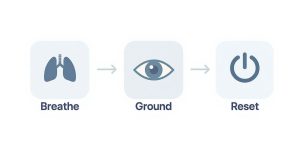
It’s crucial to remember that what you’re feeling is more common than you think. Severe driving anxiety, often called a driving phobia, impacts between 4% and 6% of people globally. Milder forms affect as many as 20%. This isn’t just a minor inconvenience; it’s a persistent fear that can seriously limit your freedom. This simple process is your go-to strategy for managing anxiety whenever it pops up during a drive. Think of it as your mental checklist: Breathe, Ground, and Reset. It’s a quick, repeatable way to get back in the driver’s seat—both literally and figuratively.
Handling Setbacks and That Pre-Drive Dread
Sometimes, the hardest part is anticipatory anxiety—that wave of dread that hits you before you even grab your keys. Your mind can be a movie director for disaster films. When those worst-case scenarios start playing, acknowledge them, but don’t let them call the shots. Remind yourself of your actual plan: “I only have to drive around the block. I’ve done it before, and I can do it again today.” And yes, setbacks will happen. You’ll have a day where a simple drive feels overwhelming or a moment on the road sends a jolt of panic through you. This is not failure; it’s just part of the process. The key is how you respond. Instead of throwing in the towel, take a moment to figure out what happened. Was the step too big? Were you already tired or stressed that day? For your next session, just dial it back to an easier step on your hierarchy to rebuild your momentum. Each time you get behind the wheel, you also naturally improve your overall driving skills, which is a massive confidence booster all on its own.
How to Handle Florida Roads with Confidence
Driving anxiety is one thing, but driving in Florida? That’s a whole different ball game. The Sunshine State throws a unique mix of challenges at you—from sudden torrential downpours and sprawling, chaotic cities to a constant stream of tourists who aren’t quite sure where they’re going. But knowing what you’re up against is half the battle. You can learn to handle Florida’s roads not just with caution, but with real, genuine confidence. It all comes down to building a local toolkit of strategies for the exact situations you’ll face here.
Taming the Tourist Corridors
Ever been on I-4 near Orlando during peak season? It can feel less like a highway and more like a high-stakes guessing game. The blend of rental cars, confused drivers looking for their exit, and pure traffic volume is a perfect recipe for anxiety. Your best bet here is preparation. Before you even get in the car, pull up a navigation app like Waze or Google Maps to see what’s happening in real-time. You’d be surprised how leaving just 15 minutes earlier or taking a slightly less-traveled local road can completely change your experience and slash your stress. Get into a defensive mindset. Seriously. Assume the car in front of you might brake suddenly or swerve for an exit. Leave extra space—more than you think you need—to give yourself a buffer. This puts you back in the driver’s seat, both literally and figuratively.
Mastering the Afternoon Downpour
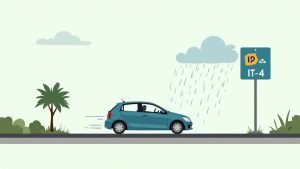
Florida weather loves to keep you on your toes. One minute it’s blue skies, the next you’re in a downpour so intense you can barely see the hood of your car. This sudden loss of visibility can trigger panic for even seasoned drivers. Always, always check the radar before you head out, especially in the summer. If a nasty storm is brewing, just wait it out. Delaying your trip by 30 minutes could be the difference between a white-knuckle drive and an easy one. If you get caught in the rain, your focus boils down to two things: be seen and be able to see. Flip on your headlights—it’s actually the law in Florida if your wipers are on. Slow way down, and never use cruise control on wet roads; it’s a direct invitation to hydroplane. For a deeper dive, check out our complete guide on safe driving in the rain for tips that will build your skills in wet conditions.
In Florida, the weather isn’t just a forecast; it’s an active participant in your drive. Learning to anticipate and adapt to sudden storms is a core skill for any confident local driver.
Conquering Complex Highways
Let’s be honest, the interchanges around Miami, Tampa, or Orlando can be downright intimidating. You’ve got lanes splitting, merging, and exiting from both the left and right. It’s enough to make anyone’s head spin. The trick is to not throw yourself into the deep end. Don’t try to master a complex interchange at 5 p.m. on a Friday. Instead, go out on a Sunday morning when traffic is light. Drive that one tricky stretch over and over until it starts to feel routine. This is graded exposure in the real world. Finally, set yourself up for success inside the car. Turn the music down. Ask your passengers for a few minutes of quiet. Minimizing distractions inside the car gives you the mental bandwidth you need to handle the chaos outside. One maneuver at a time, you’ll build the confidence to handle anything the highway throws at you.
Finding the Right Support System for Your Journey
Trying to overcome driving anxiety can feel like a lonely battle, but I promise you, it’s not one you have to fight alone. In my experience, the single most powerful thing you can do is build a solid support network. Having the right people around you provides the patience, safety, and encouragement you need to turn that fear into genuine confidence. This isn’t just about “powering through.” It’s about having trusted allies in your corner, whether it’s a calm instructor or an understanding family member. They become the scaffolding that helps you rebuild a positive relationship with being behind the wheel.
The Right Driving Instructor Makes All the Difference
For anyone wrestling with anxiety, your choice of driving instructor is absolutely critical. Let’s be honest: not all instructors are created equal, and many aren’t equipped to handle the specific needs of an anxious driver. You don’t just need someone to teach you the mechanics of a three-point turn; you need a coach who gets the psychology of fear. Be upfront when you’re looking for one. Don’t be shy about asking direct questions:
“Have you worked with students who have driving anxiety before?”
“What’s your approach when a student feels overwhelmed during a lesson?”
“Are you okay with starting in a completely empty parking lot until I’m comfortable?”
A truly great instructor will be endlessly patient, communicate clearly, and know how to celebrate the small wins. Their goal is to create a controlled, safe space where you can build skills without feeling judged, turning each lesson into a step forward for your confidence, not a test of your nerves.
Who to Ask for Practice Sessions (and Who to Avoid)
Practicing with a friend or family member can be a huge help, but you have to choose wisely. Think about who in your life is a source of calm, not another source of stress. The last thing you need is someone who gasps every time a car gets close or grabs the dashboard when you brake. Before you even put the key in the ignition, set some ground rules. Explain that the goal is to build your confidence, one step at a time. Let them know their job is to be quiet support, not a backseat driver. Having a calm, reassuring presence in the passenger seat can make all the difference in the world.
Knowing When It’s Time for Professional Help
Sometimes, even with the best support from friends and instructors, the anxiety is just too big to tackle on your own. And that is completely okay. If your fear of driving is causing full-blown panic attacks or seriously impacting your daily life, it might be time to connect with a mental health professional. A therapist who specializes in anxiety can provide evidence-based treatments that really work. For example, Cognitive Behavioral Therapy (CBT) is incredibly effective for phobias like this. A therapist can help you pinpoint the negative thought patterns that fuel the fear—those catastrophic “what if” scenarios—and teach you how to replace them with more balanced, realistic thinking. Recognizing you need that level of help isn’t a failure; it’s a sign of strength.
Your support system is your safety net. Whether it’s a therapist, a skilled instructor, or a calm friend, having the right people believe in you makes it easier to start believing in yourself.
Sharpen Your Skills and Confidence with a BDI Course
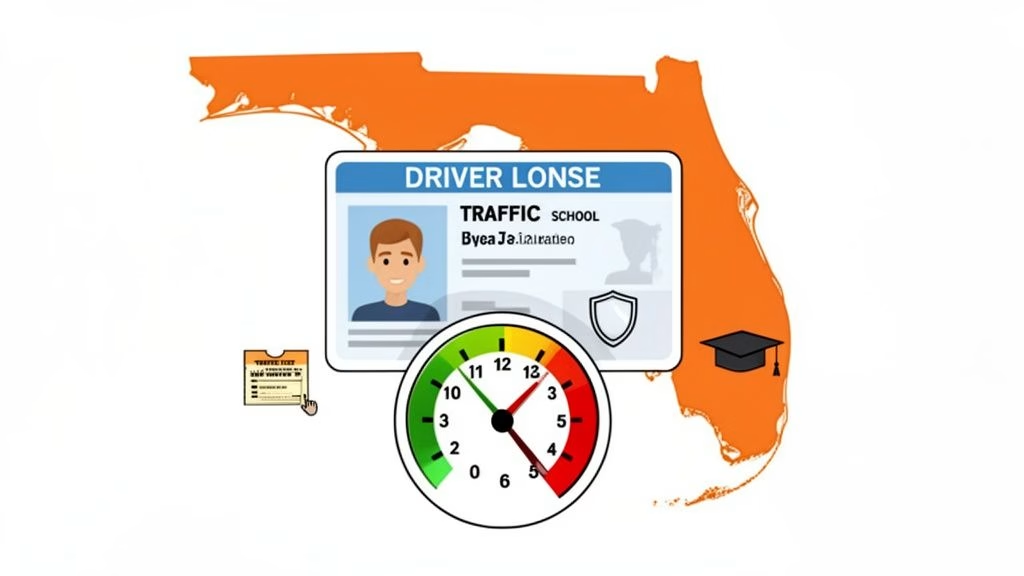
Another fantastic resource to add to your support system is structured education. Going through a formal course is a brilliant way to systematically rebuild your confidence by refreshing your knowledge of traffic laws and safe driving techniques. It’s a key step in overcoming anxiety because it empowers you with competence. For instance, this screenshot from BDISchool.com shows the variety of state-approved courses available, all designed to make drivers safer and more knowledgeable. This just goes to show how a structured program can give you a clear, manageable path toward becoming a more informed driver—and a more confident one. A Basic Driver Improvement (BDI) course does so much more than check a box for a court order. It drills down on the rules of the road in a low-pressure, self-paced setting. When you know exactly how to handle specific situations, from navigating a tricky intersection to executing a defensive maneuver, that solid knowledge starts to replace the old feelings of uncertainty. To see how this can fit into your plan, you can learn more about a state-approved defensive driving course online. Think of it as powerful proof of your capability behind the wheel.
Answering Your Questions About Driving Anxiety
As you start putting these strategies into practice, you’re bound to have questions. It’s completely normal. Let’s tackle some of the most common concerns that come up—getting these answers straight can make the road ahead feel a lot less intimidating. Think of it this way: the goal isn’t to eliminate every last nerve. It’s about learning how to manage your anxiety so it’s no longer in the driver’s seat. You are.
Will My Driving Anxiety Ever Go Away Completely?
This is the big one, isn’t it? The most honest answer is that the goal is management, not complete erasure. For most people, a flicker of nerves in a tough situation—like driving in a surprise hailstorm or navigating a chaotic downtown during rush hour—is normal. Through consistent practice and using the tools we’ve discussed, you can turn the volume way down. The anxiety becomes a quiet passenger instead of a backseat driver. Success isn’t about feeling zero fear; it’s about having the confidence and skills to handle it, so it no longer limits your life.
What’s the Difference Between Normal Nerves and a Driving Phobia?
It’s crucial to know the difference here. Nerves are temporary. They’re tied to a specific challenge, like your first time driving on the I-4 or taking your final road test. Once you’re through it, that feeling usually fades. A driving phobia, clinically known as vehophobia, is something else entirely. It’s a persistent, overwhelming fear that often leads you to avoid driving altogether. If the mere thought of getting behind the wheel triggers intense distress or panic, and it’s actively getting in the way of your life, you might be dealing with a phobia.
The techniques in this guide can certainly help, but a true phobia often needs a more structured approach. Working with a therapist on treatments like Cognitive Behavioral Therapy (CBT) can be incredibly effective for reclaiming control.
Can a Defensive Driving Course Really Help My Anxiety?
Yes, it absolutely can. While it’s not therapy, a Basic Driver Improvement (BDI) course is one of the best confidence-building tools out there. It’s not just about memorizing traffic signs; it’s about learning practical, defensive skills to see and react to potential problems on the road before they happen. For someone with anxiety, that feeling of “what if?” is a huge trigger. This kind of course directly counters that by building real-world competence. You learn how to handle skids, what to do when another driver is unpredictable, and how to create a safer space around your vehicle. It turns uncertainty into skill, which is a powerful antidote to fear.
What If I Have a Panic Attack While Driving?
This is a very real fear for many, but you can have a plan in place. The second you feel those first physical signs—your heart starts racing, you feel dizzy, or your breathing gets shallow—your one and only job is to get to a safe spot. Here’s your immediate action plan:
Flick on your hazard lights. This tells everyone around you that something is up.
Scan for a safe place to pull completely off the road. The shoulder, the next exit, a gas station, an empty parking lot—anywhere out of the flow of traffic.
Once you’re stopped, shift into Park and set the emergency brake.
Now, run through your coping tools. This is the perfect time for the 4-7-8 breathing or the 5-4-3-2-1 grounding technique we covered earlier.
The most important part? Don’t rush yourself. Stay put until you feel the wave has completely passed and you feel calm enough to resume your drive. Ready to build that foundational confidence? At BDISchool, our state-approved courses are designed to give you the defensive driving skills that create a real sense of control on the road. Take a positive, practical step toward calmer driving by enrolling in our Florida-approved Basic Driver Improvement course today.
Your guide to Florida’s driver license points system. Learn how points affect your record, how to check them, and your options for keeping your license clean.
Master the road with our top 10 tips for first time drivers. Learn defensive driving, Florida laws, and essential skills to drive confidently and safely.