Road traffic safety rules aren’t suggestions-they’re the foundation of staying alive on the road. Most drivers know the basics, but following them consistently is where people slip up.
At DriverEducators.com, we’ve seen firsthand how small mistakes compound into dangerous situations. This guide breaks down what actually works to keep you and others safe.
Florida’s Core Traffic Rules and When They Matter
Speed Limits: The Foundation of Safe Driving
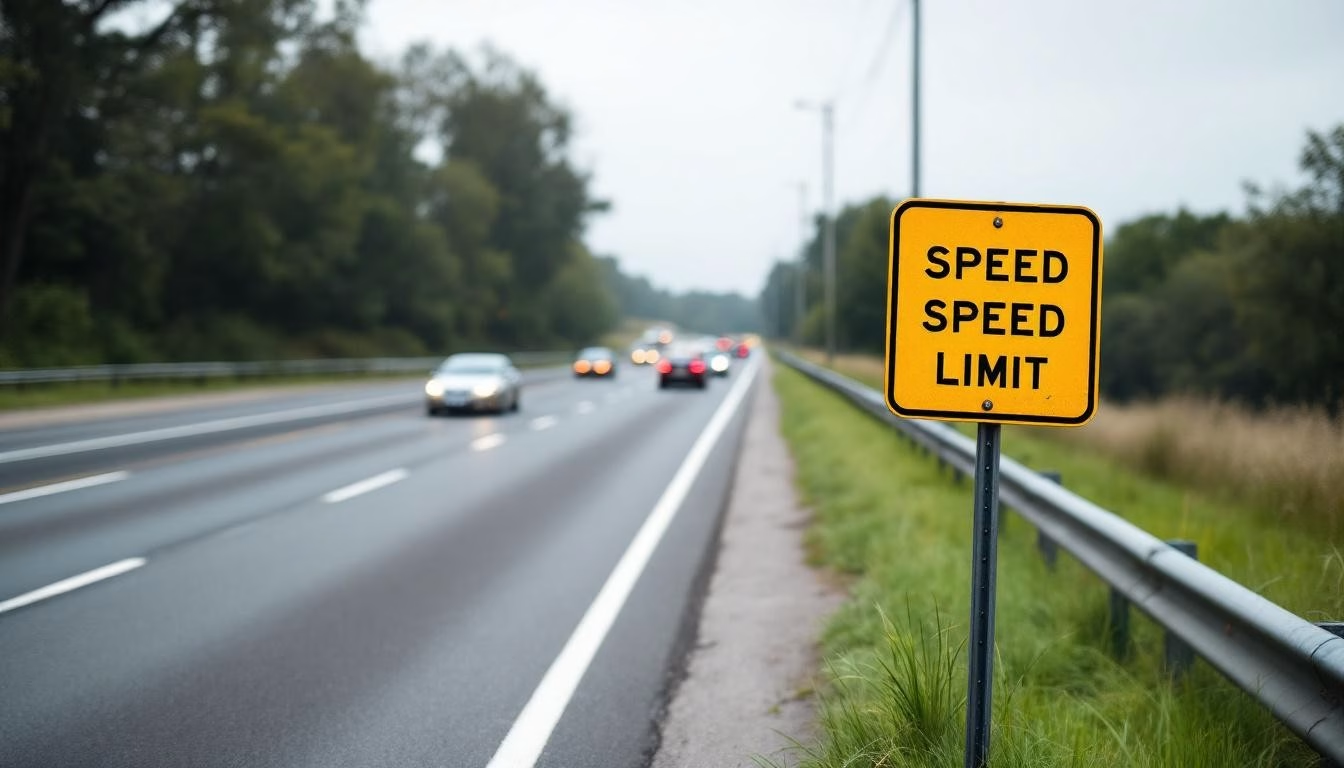
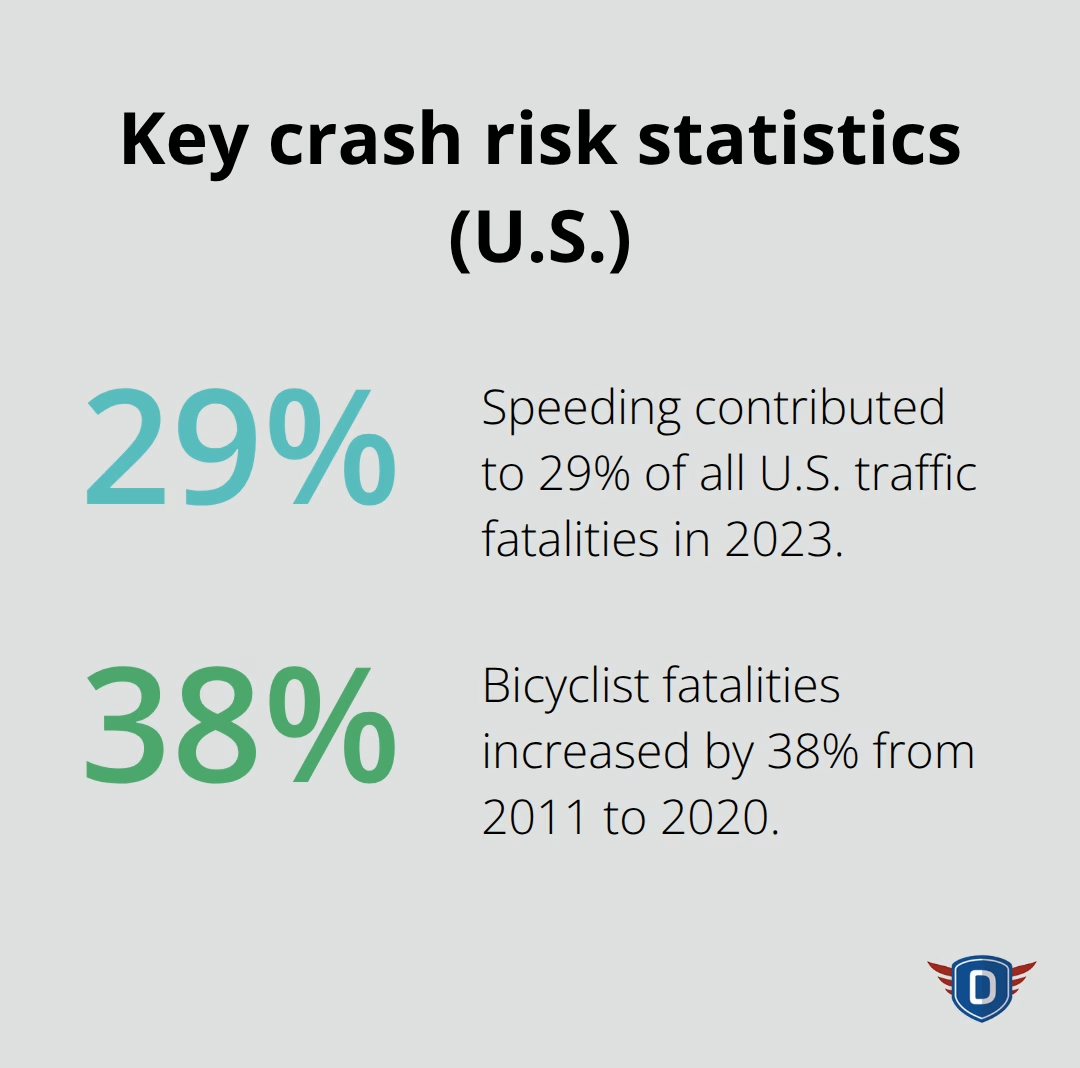
Speed limits exist for a reason, and Florida takes them seriously. The state enforces a 70 mph maximum on interstate highways, 65 mph on other divided highways, and 55 mph on undivided roads unless posted otherwise. According to NHTSA data, speeding increases crash risk and crash severity, making it one of the most dangerous violations drivers commit. In 2023, speeding was a contributing factor in 29% of all traffic fatalities.
What matters most is understanding that speed limits change based on conditions. A 55 mph road becomes dangerous at that speed during heavy rain or at night, and you need to adjust accordingly. Slow down without hesitation when darkness, rain, or congestion appears on the road ahead.
Right-of-Way Rules: Preventing Intersection Crashes
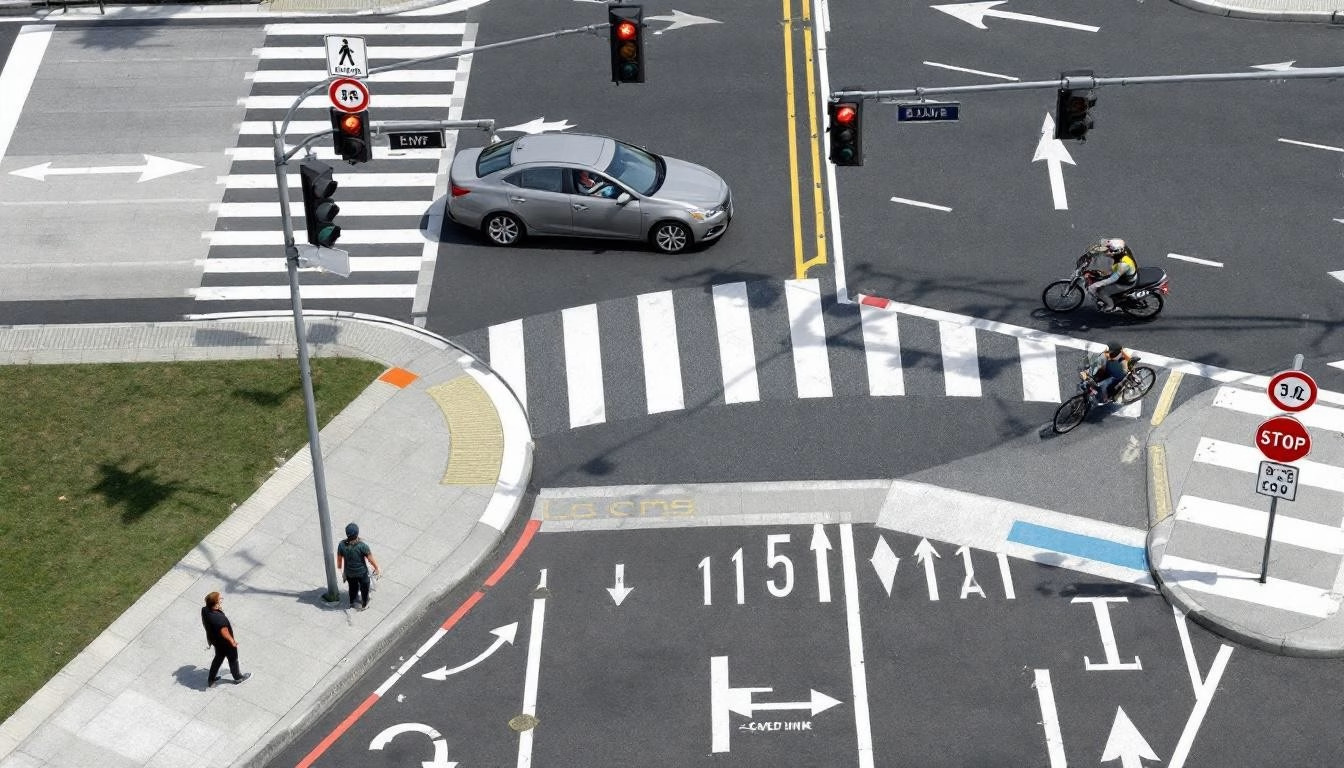
Right-of-way rules prevent crashes at intersections and during lane changes, but most drivers misunderstand when they actually apply. At a four-way stop, the first vehicle to arrive has the right-of-way; if two arrive simultaneously, the driver on the right goes first. When you turn left, you must yield to oncoming traffic, pedestrians, and cyclists, even if the light is green.
Failing to yield is a significant factor in fatal bicycle crashes according to NHTSA. From 2011 to 2020, bicyclist fatalities increased by 38%, rising from 682 to 938. This is why we emphasize it so heavily.
Traffic Signals and Road Markings: Instructions, Not Suggestions
Traffic signals and road markings aren’t suggestions-they’re instructions that prevent predictable collisions. A solid white line means you cannot change lanes; a dashed white line means you can. Yellow lines mark the center of two-way roads, with solid lines indicating no passing zones.
Red lights mean stop completely, not a rolling stop. Running red lights raises the risk of high-speed side-impact crashes that cause severe injuries and deaths. Pause at every intersection and confirm the path is clear before proceeding, even on green.
Building Habits That Stick
Knowing these rules and following them consistently are two different things. The difference between a driver who knows the speed limit and a driver who actually follows it comes down to habit and attitude. When you change lanes, signal, check your mirrors, look over your shoulder for blind spots, and merge smoothly. These actions take seconds but prevent crashes that kill thousands annually.
Building these habits now means you and everyone sharing the road with you get home safely. The next step is learning how to apply these core traffic laws in real-world situations where conditions test your judgment and reaction time.
Defensive Driving Techniques to Stay Safe
The Three-Second Rule: Your Reaction Window
Defensive driving starts with distance, not speed. The three-second rule is the single most effective way to prevent rear-end crashes, yet most drivers ignore it entirely. Pick a fixed object ahead-a road sign, tree, or bridge-and count the seconds between when the vehicle in front of you passes it and when your vehicle reaches that same point. Three seconds is the minimum on dry roads.
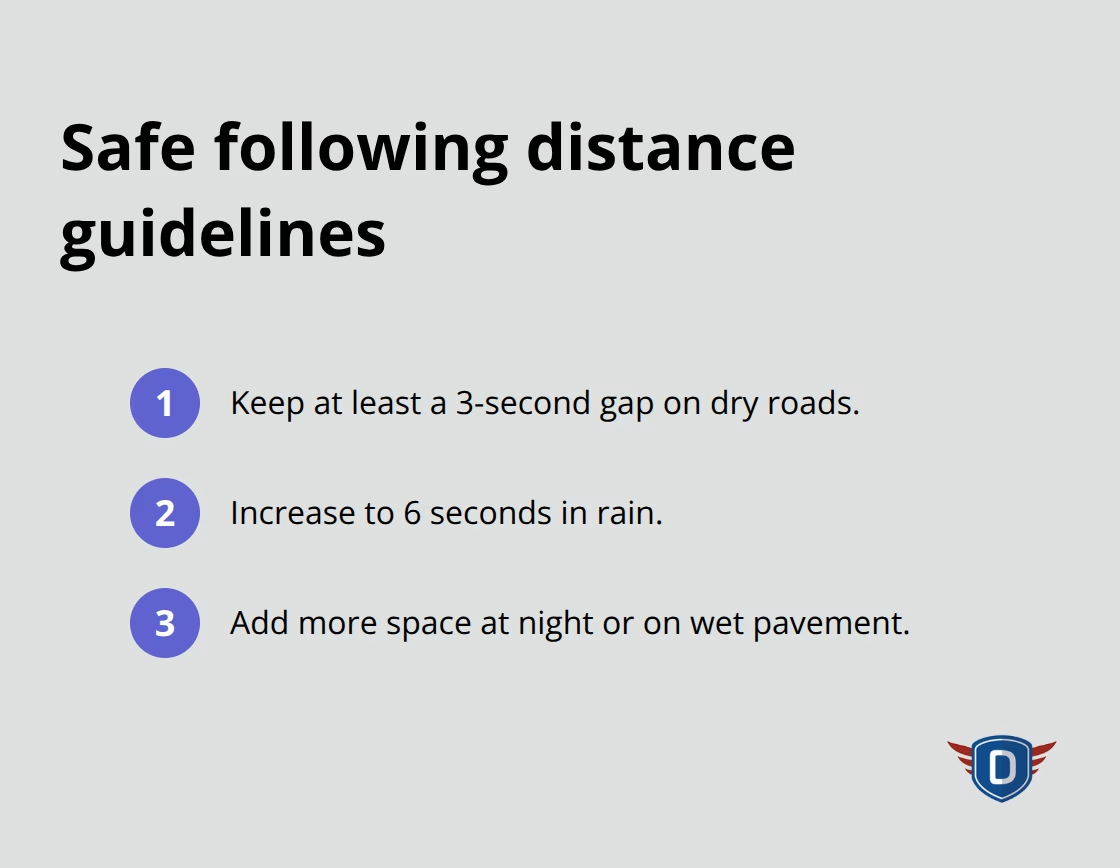
In rain, that number jumps to six seconds according to NHTSA guidance. At night or on wet pavement, your reaction time extends further, and so should your following distance.
Many drivers tailgate because they think it gets them to their destination faster. It doesn’t. Tailgating only reduces your reaction window to less than one second, which is why rear-end collisions kill thousands annually. The math is simple: at 60 mph, your vehicle travels 88 feet per second. If you’re one car-length behind the vehicle ahead, you have roughly one second to react before impact. That’s not enough time to brake effectively.
Scanning Ahead: Spotting Hazards Before They Strike
Hazards appear suddenly, and your ability to spot them depends on scanning ahead constantly rather than staring at the vehicle directly in front of you. Look 12 to 15 seconds down the road on city streets and 20 to 30 seconds ahead on highways to identify potential problems-a pedestrian stepping between parked cars, brake lights flashing, or debris in your lane. This forward-looking approach gives you time to adjust speed or position before danger develops.
Adjusting Speed for Rain and Wet Roads
Weather changes how roads behave, and speed must change with it. Wet roads can double your stopping distance, so reduce your speed by half when rain begins. Snow and ice demand even more caution. On icy roads, avoid sudden braking or sharp turns that lock wheels and cause skids. Accelerate and decelerate slowly instead.
Night Driving: Visibility and Fatigue Challenges
Night driving doubles crash risk because visibility shrinks and fatigue increases. Use headlights properly-high beams on dark roads without oncoming traffic, low beams when other vehicles approach. Adjust your speed lower at night than you would during daylight on the same road. These adjustments aren’t optional; they’re the difference between arriving safely and becoming a statistic. The next section covers the violations that cause the most crashes and how to avoid them entirely.
Common Traffic Violations and How to Avoid Them
Distracted Driving: The Silent Killer on the Road
Distracted driving ranks as the top cause of car accidents in the United States, yet drivers continue to treat their phones as essential equipment rather than deadly distractions. The moment your eyes leave the road, your brain stops processing hazards. At 55 mph, a five-second glance at your phone means you’ve traveled the length of a football field blind. Texting while driving is illegal in most states, and holding a phone to talk is illegal in many others, but the real issue isn’t the law-it’s that drivers who text have a greater risk of crashing according to NHTSA research.
Put your phone in the glove compartment before you drive, not on the seat beside you where it tempts you at every red light. Set your GPS and music before moving, and if you need to make a call, use a hands-free device that lets you keep both hands on the wheel and your eyes on the road.
Aggressive Driving: When Impatience Becomes Dangerous
Aggressive driving kills thousands annually because it removes the margin for error that defensive driving creates. Tailgating, weaving between lanes, running red lights, and honking in anger are all symptoms of a driver who’s decided their destination matters more than everyone’s safety. Aggressive drivers cut following distances to nothing, which means they cannot brake in time when hazards appear.
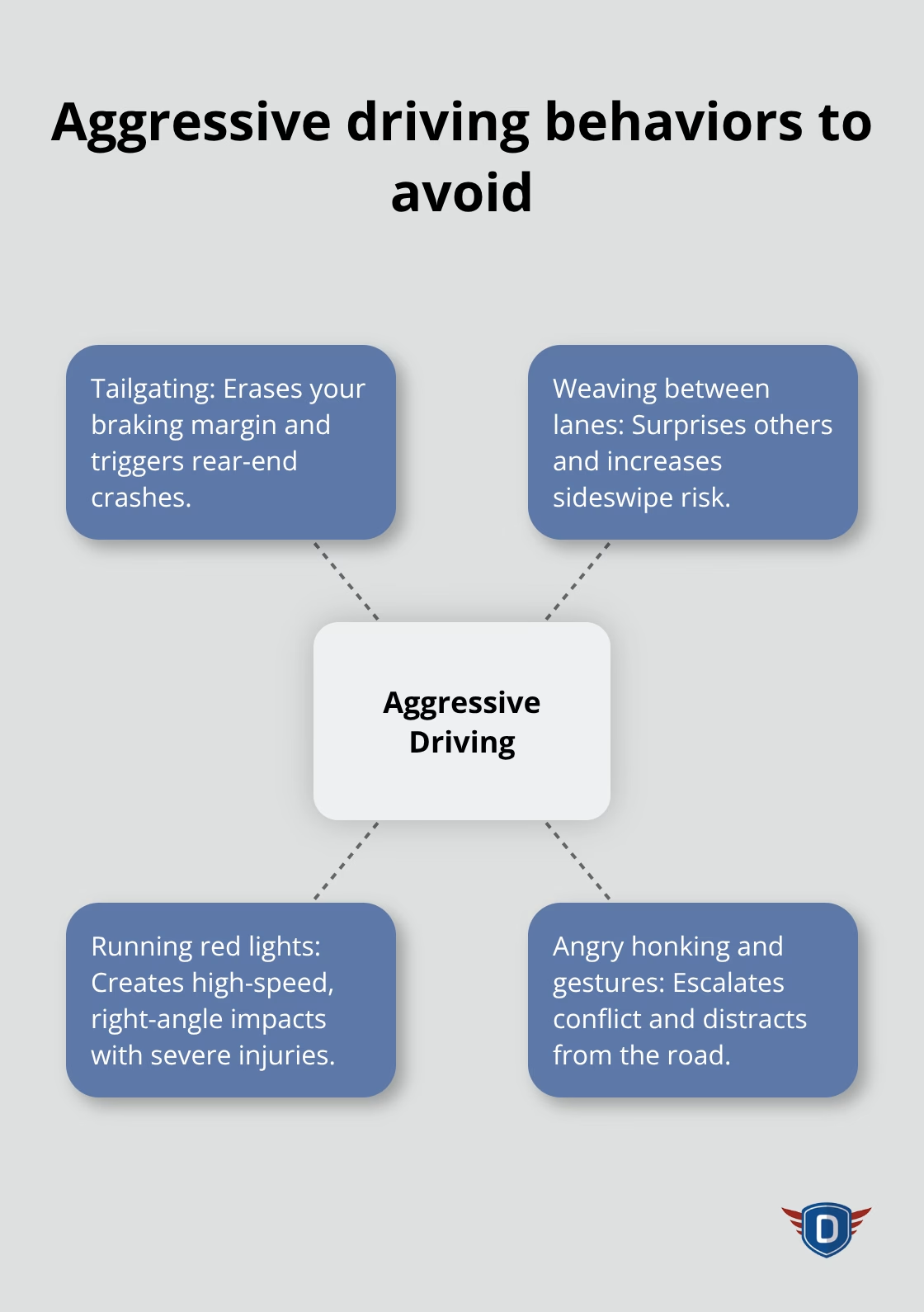
Running red lights raises the risk of high-speed side-impact crashes that cause catastrophic injuries. Failing to yield when turning left into oncoming traffic causes collisions that patience could have prevented. These violations stem from a mindset that treats other road users as obstacles rather than people trying to reach home safely.
Improper Lane Changes and Failure to Yield
Improper lane changes happen when drivers don’t signal, skip mirror checks, or ignore blind spots-all actions that take seconds but prevent crashes. The driver who changes lanes without signaling forces other drivers to react to an unexpected move, and reaction time matters when speeds are high.
Signal every lane change, check your mirrors, look over your shoulder for vehicles in your blind spot, and merge smoothly only when you’re certain the lane is clear. These habits eliminate the surprises that cause collisions. Failing to yield at intersections or when pedestrians and cyclists cross your path creates the conditions for fatal crashes. Yield to oncoming traffic, pedestrians, and cyclists without hesitation, even if you have a green light.
Final Thoughts
Following road traffic safety rules consistently transforms how you drive and who gets home safely. The rules covered in this guide-speed limits, right-of-way regulations, defensive spacing, and avoiding distractions-aren’t arbitrary restrictions but the difference between a routine commute and a crash that changes lives forever. When you apply these practices daily, you reduce your crash risk dramatically and protect everyone sharing the road with you.
Drivers who follow traffic rules consistently avoid tickets, insurance increases, and points on their license while arriving at their destinations without the stress of near-misses or aggressive encounters. Safe driving becomes automatic over time, freeing your mental energy for the actual task of navigating traffic rather than recovering from mistakes. This commitment extends beyond personal safety to create a culture where all road users respect each other’s lives.
Our Florida-approved traffic school programs teach defensive driving techniques, safe following distances, right-of-way rules, and the dangers of aggressive or distracted driving through real-life scenarios and clear instruction. Whether you’re taking our Basic Driver Improvement course to address a moving violation or our Intermediate Driver Improvement program for deeper learning, our certified instructors guide you toward lifelong safe driving habits. Every course is self-paced, available online, and designed to help you master the road traffic safety rules that keep you and others safe on Florida’s roads.