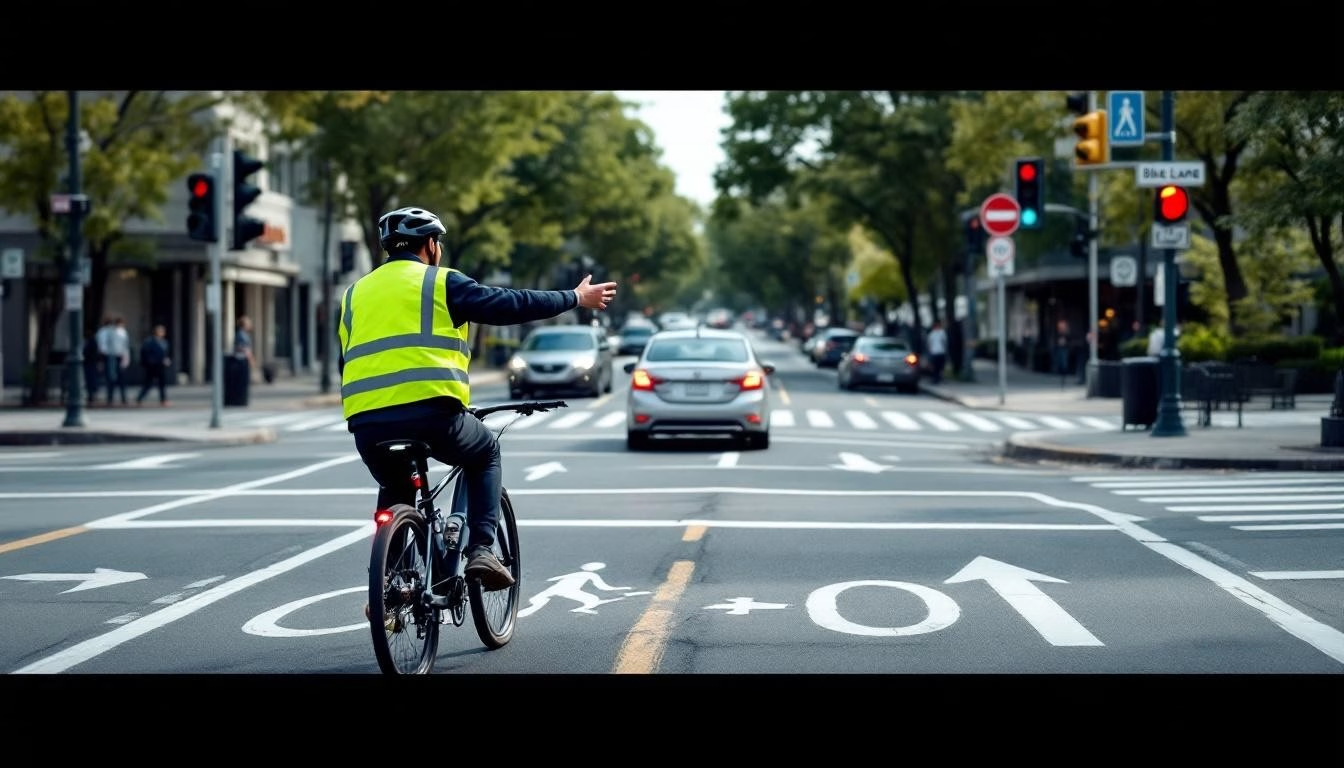
Cycling on public roads demands more than just pedaling-it requires understanding the bicycle safety rules of the road that protect you and others.
At DriverEducators.com, we’ve seen how cyclists who master traffic laws, wear proper gear, and stay aware of their surroundings dramatically reduce their crash risk. This guide covers the essential rules, equipment standards, and common mistakes that separate safe riders from those heading toward trouble.
Rules That Actually Protect You on the Road
Traffic Laws Apply to Every Cyclist
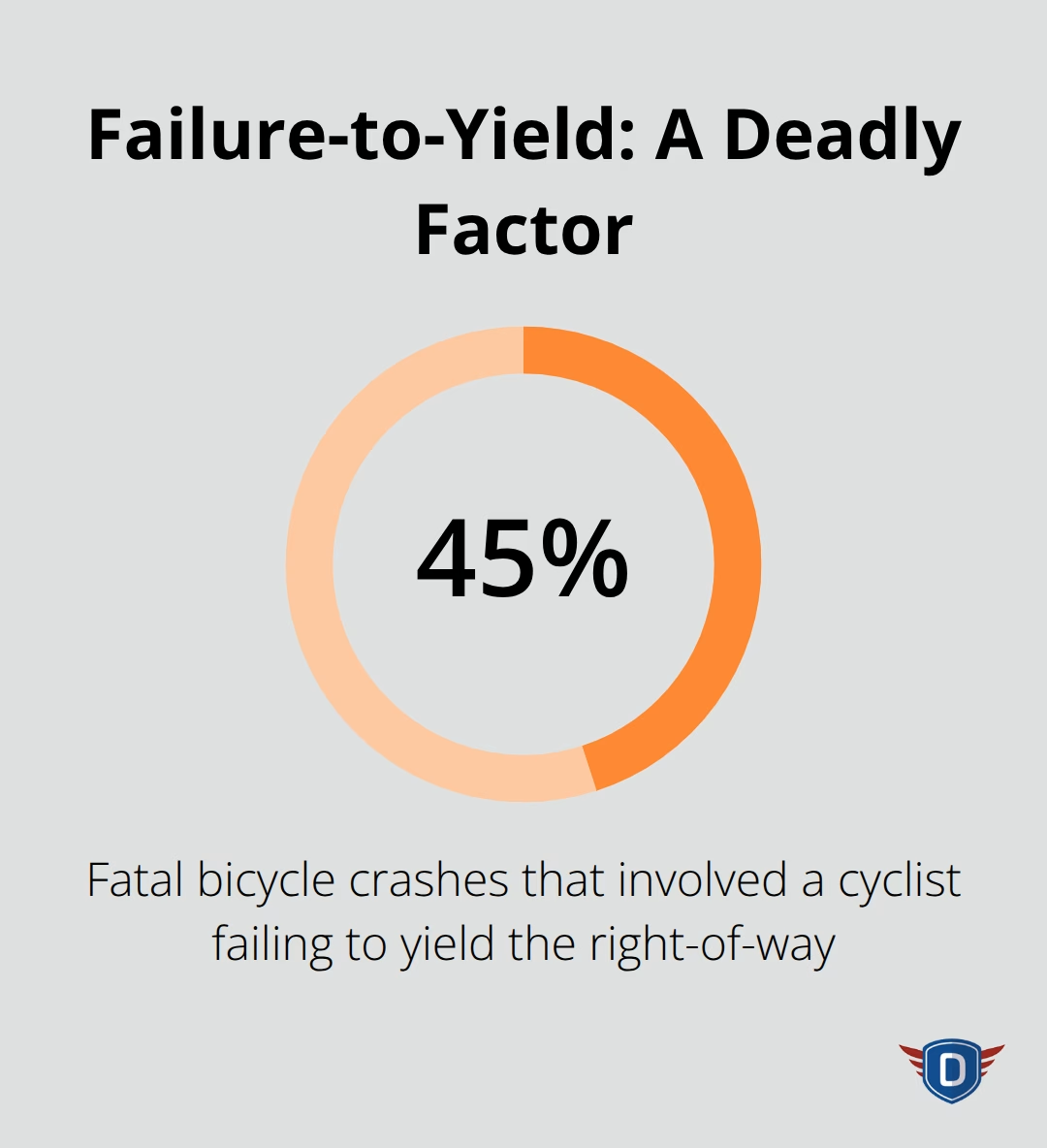
Traffic laws exist for cyclists just as much as they do for drivers, and ignoring them is the fastest way to end up injured or liable for someone else’s injuries. Stop signs and red lights apply to you on a bicycle-full stop. The National Highway Traffic Safety Administration reports that roughly 45% of fatal bicycle crashes involve a cyclist who failed to yield the right-of-way, meaning this single mistake is one of the deadliest errors you can make.
Direction, Lanes, and Sidewalk Safety
Ride in the same direction as traffic, never against it. When you pedal against traffic, drivers have less time to spot you, and closing speeds are higher, making collisions far more severe. Stay off sidewalks in most situations because they create dangerous conflicts at driveways and intersections where drivers don’t expect fast-moving objects. Treat bike lanes as your responsibility zone, not a guarantee of safety. Even in a bike lane, you must still follow all traffic laws and stay alert because drivers making turns or pulling into driveways may not see you.
Hand Signals and Communication
Hand signals matter more than most cyclists realize. Use your left arm extended straight for left turns, bent upward for right turns, and extended downward for stopping. These signals give drivers and other road users critical seconds to anticipate your movements. Many cyclists skip signals because they assume drivers can read their minds-they can’t. Communication through signals is non-negotiable, especially at intersections where right-of-way confusion causes crashes.
Right-of-Way Rules at Intersections
Understanding right-of-way rules prevents you from being the cyclist who assumes the other person will yield. At a four-way stop, the first person to arrive has the right-of-way. If two cyclists arrive simultaneously, the one on the left yields to the one on the right. When turning left, yield to oncoming traffic and pedestrians crossing in your path. These rules (along with consistent hand signals) form the foundation of predictable riding that keeps everyone safer.
Gear That Actually Saves Your Life
Helmet Fit Determines Your Protection
Your helmet is non-negotiable, and the fit matters far more than the brand or price tag. The Consumer Product Safety Commission certifies helmets sold in the US, but certification alone doesn’t mean you’re wearing it correctly. A properly fitted helmet sits level on your head, about one to two finger-widths above your eyebrows, with the straps forming a V-shape under your ears when fastened. If your helmet shifts more than an inch in any direction when you move your head, it’s too loose. Many cyclists wear helmets that are either too far back on their heads or too loose around the chin strap, which dramatically reduces protection during a crash.
Replace your helmet immediately after any impact, even if it looks fine, because the internal foam structure may be compromised. Helmets typically last three to five years before the foam degrades, so date yours when you buy it and don’t rely on old equipment.
Visibility Prevents Half of All Crashes
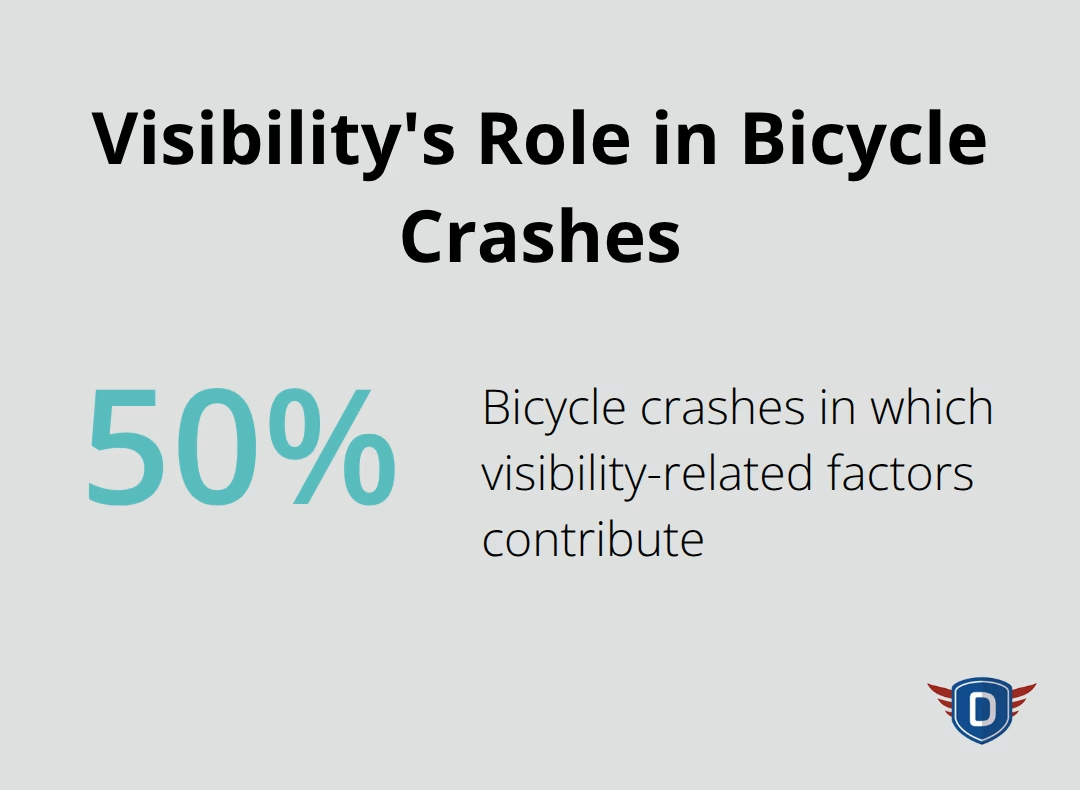
Visibility is the second line of defense when your judgment or a driver’s attention fails. Visibility-related factors contribute to roughly 50% of bicycle crashes. Wear bright colors during the day and reflective materials at night because white or bright yellow clothing increases your visibility during daylight hours, while reflective vests, ankle bands, or spoke reflectors make you visible in low-light conditions.
Invest in front and rear lights that are always mounted and maintained, not lights you occasionally remember to attach. These lights (combined with reflective gear) transform you from invisible to unmissable on the road.
Maintenance Prevents Mechanical Failures
Your bike maintenance directly impacts your safety on the road. Check your brakes weekly by squeezing the levers to confirm they stop the wheel without the lever hitting the handlebar, inspect your tires for cuts or excessive wear, and keep your chain clean and properly tensioned. A broken brake cable or a flat tire forces you into traffic unprepared, turning a preventable mechanical failure into a crash waiting to happen.
These maintenance habits take minutes but prevent the kind of equipment failures that leave you stranded or unable to stop when you need to. With your gear and bike in proper condition, you’re ready to handle the mistakes and hazards that other road users create.
Common Mistakes Cyclists Make on the Road
Riding Against Traffic and on Sidewalks
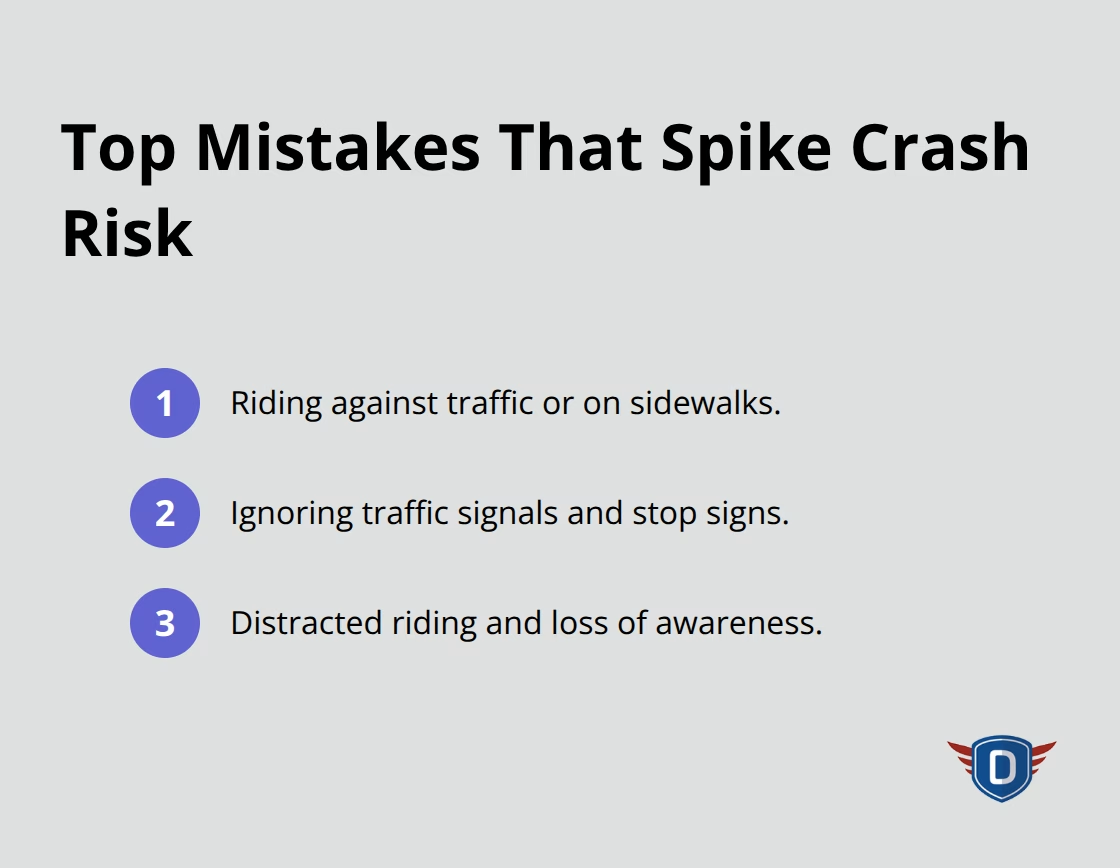
Cyclists who pedal against traffic or on sidewalks eliminate the margin for error that safe cycling demands. When you ride against traffic, drivers approaching you face closing speeds of 40 to 50 miles per hour combined with your speed, leaving them roughly one second to react and swerve. That one second is not enough. Sidewalk riding creates equally dangerous situations because drivers turning into driveways or crossing intersections do not scan sidewalks for fast-moving objects traveling at bicycle speeds. You must ride with traffic direction and stay in the roadway where drivers expect to find you.
Ignoring Traffic Signals and Stop Signs
Many cyclists treat red lights and stop signs as suggestions rather than law, rolling through intersections without checking for conflicting traffic or pedestrians. This behavior kills. You must stop at every red light and stop sign, count to three to confirm no cross traffic approaches, and then proceed only when you have confirmed the intersection is clear. This simple discipline separates cyclists who crash from those who arrive home safely.
Distracted Riding and Loss of Awareness
Distracted riding manifests as checking phones, wearing earbuds, or riding while fatigued. A cyclist checking a phone message loses awareness of road hazards for several critical seconds, and earbuds mask the sound of approaching vehicles, horns, and pedestrian warnings that your ears depend on for survival. Fatigue impairs judgment just as severely as it does for drivers, slowing your reaction time and decision-making ability. You must ride with both eyes on the road, both ears alert to your surroundings, and your mind focused entirely on the traffic environment around you. These three mistakes are not excusable lapses in judgment-they are deliberate choices that put you and others at serious risk of injury or death.
Final Thoughts
Safe cycling starts with understanding that the bicycle safety rules of the road are not optional guidelines-they’re the difference between arriving home and ending up in an emergency room. Everything covered in this guide, from traffic law compliance to helmet fit to distraction avoidance, works together to create a riding pattern that protects you and everyone sharing the road. The cyclists who stay safest are those who treat every ride as a commitment to predictable behavior.
You stop at red lights without exception, use hand signals before every turn, and wear your helmet fitted correctly. You maintain your bike so brakes work and tires grip, ride with traffic, stay off sidewalks, and keep your phone in your pocket. These habits feel restrictive at first, but they become automatic after a few weeks of consistent practice, and consistency is what separates safe cyclists from injured ones.
If you’re serious about becoming a safer rider, consider formal driver education that covers bicycle safety alongside vehicle operation. DriverEducators.com teaches defensive riding techniques and traffic law comprehension that apply whether you’re on two wheels or four, helping you anticipate hazards, communicate with other road users, and make split-second decisions that keep you alive.