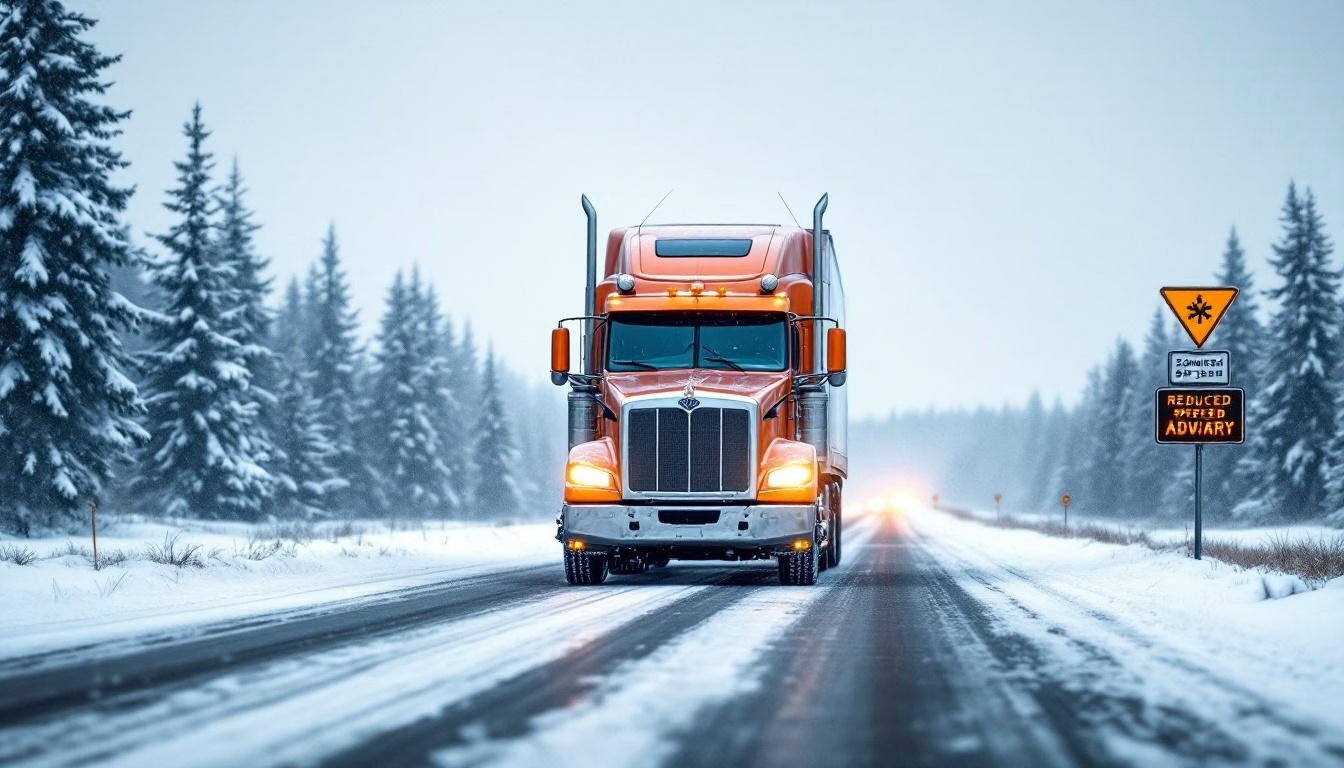
Winter truck driving demands respect and preparation. Snow, ice, and reduced visibility create hazards that require specific knowledge and skills to navigate safely.
At DriverEducators.com, we’ve compiled winter truck driving safety tips that cover everything from pre-trip vehicle checks to emergency responses. This guide gives you the practical strategies you need to stay safe when conditions turn harsh.
Getting Your Truck Winter-Ready
Your truck’s performance in winter depends entirely on preparation done before you hit icy roads. Temperature drops decrease tire pressure by roughly 1 psi, which means you must check inflation pressure when tires are cold. Tread depth matters more than most drivers realize-try for at least 2/32 inch, though 4/32 inch provides better grip on snow and ice during winter driving. Winter tire performance in cold conditions because their rubber compound stays flexible below 45 degrees Fahrenheit, while all-season rubber hardens and loses traction. Review tire safety ratings using the UTQGS system, which compares treadwear, traction, and temperature resistance across different models. Tire age matters too-most tires need replacement around six years regardless of tread depth, so inspect the sidewall for the manufacturing date before winter arrives.
Battery and Electrical Systems
Cold weather reduces battery power dramatically, and trucks sitting idle overnight in freezing temperatures face starting challenges. Test your battery’s cold-cranking amps (CCA) to verify it can deliver enough power in freezing conditions, and replace batteries older than three years before winter hits. Inspect and clean battery terminals and cables thoroughly, removing any corrosion that prevents electrical current from flowing properly. Check all lights on your truck and any trailers-headlights, brake lights, turn signals, and trailer lights-because visibility matters more when snow and darkness reduce sight lines. Replace bulbs as needed and ensure connections are secure. Use winter windshield fluid containing de-icer agents, not standard summer fluid, and verify your defroster and wipers work properly. Heavy-duty winter wipers handle snow and ice better than standard blades, so upgrade before the season begins.
Fluids and Cooling Systems
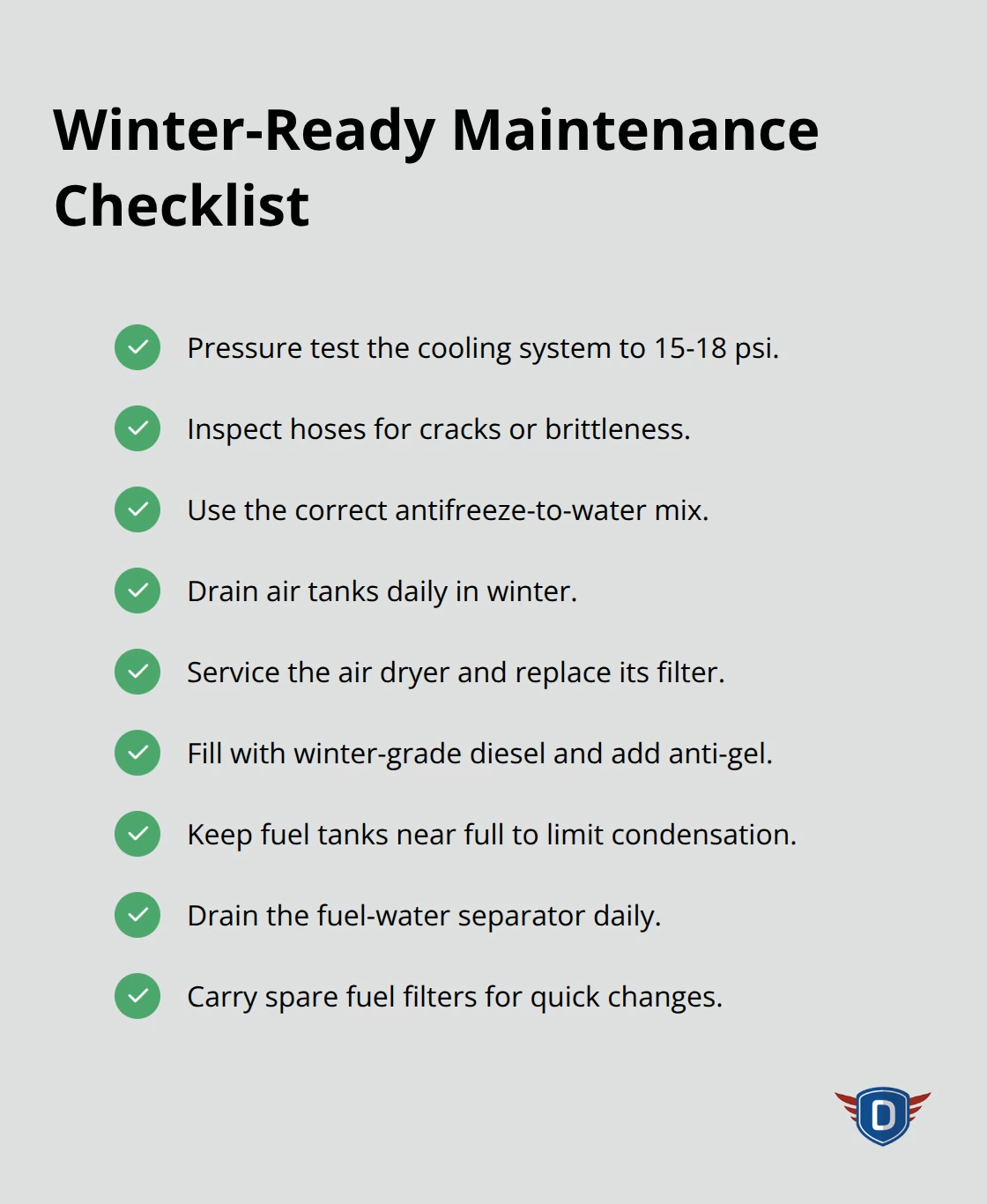
Your cooling system must function perfectly because overheating or freezing destroys engines. Pressure test the cooling system to 15-18 psi to catch leaks before winter weather arrives, and inspect hoses for cracks or brittleness that could fail in cold. Use a antifreeze-to-water mix for optimal freeze protection, and have a mechanic verify the correct coolant specification for your truck. Drain your air tanks daily to remove moisture that freezes in brake lines and causes costly downtime. Inspect and maintain the air dryer by replacing the filter if dirty. For diesel trucks, use winter-grade diesel with high cetane blends and add anti-gel additives to prevent fuel from gelling in extreme cold. Keep diesel tanks as full as possible to minimize water condensation that causes freeze blocks, and drain the fuel-water separator daily during winter months.
Fuel System Maintenance
Diesel fuel presents unique winter challenges that require specific attention. Water condensation builds up inside fuel tanks during temperature swings, and this water freezes when temperatures drop below 32 degrees Fahrenheit. You must drain the fuel-water separator daily throughout winter to prevent ice crystals from blocking fuel lines. Replace fuel filters as needed and keep spare filters on hand for rapid changes when winter conditions worsen. Add winter-grade diesel with high cetane blends to your tank, and use anti-gel additives to keep fuel flowing smoothly. Maintain fuel tanks at near-full capacity-this simple step minimizes the air space where water condenses and prevents costly fuel-related freeze blocks that strand trucks on the road.
Tire Pressure and Maintenance
Monitor tire pressure regularly as temperatures drop, and inflate tires to the manufacturer’s recommended PSI rather than the maximum rating. Install valve caps to prevent moisture and ice buildup in valve cores, which reduces slow leaks that compound over weeks of cold weather. Inspect tread depth to verify adequate grip on icy or snowy roads, and verify DEF tank heaters are functioning if your truck uses selective catalytic reduction technology. Keep DEF topped off to reduce startup delays in cold weather. Implement a winter maintenance schedule with regular checks throughout the season to catch issues early before they strand you in dangerous conditions.
How Speed and Following Distance Control Winter Truck Safety
Reducing Speed on Winter Roads
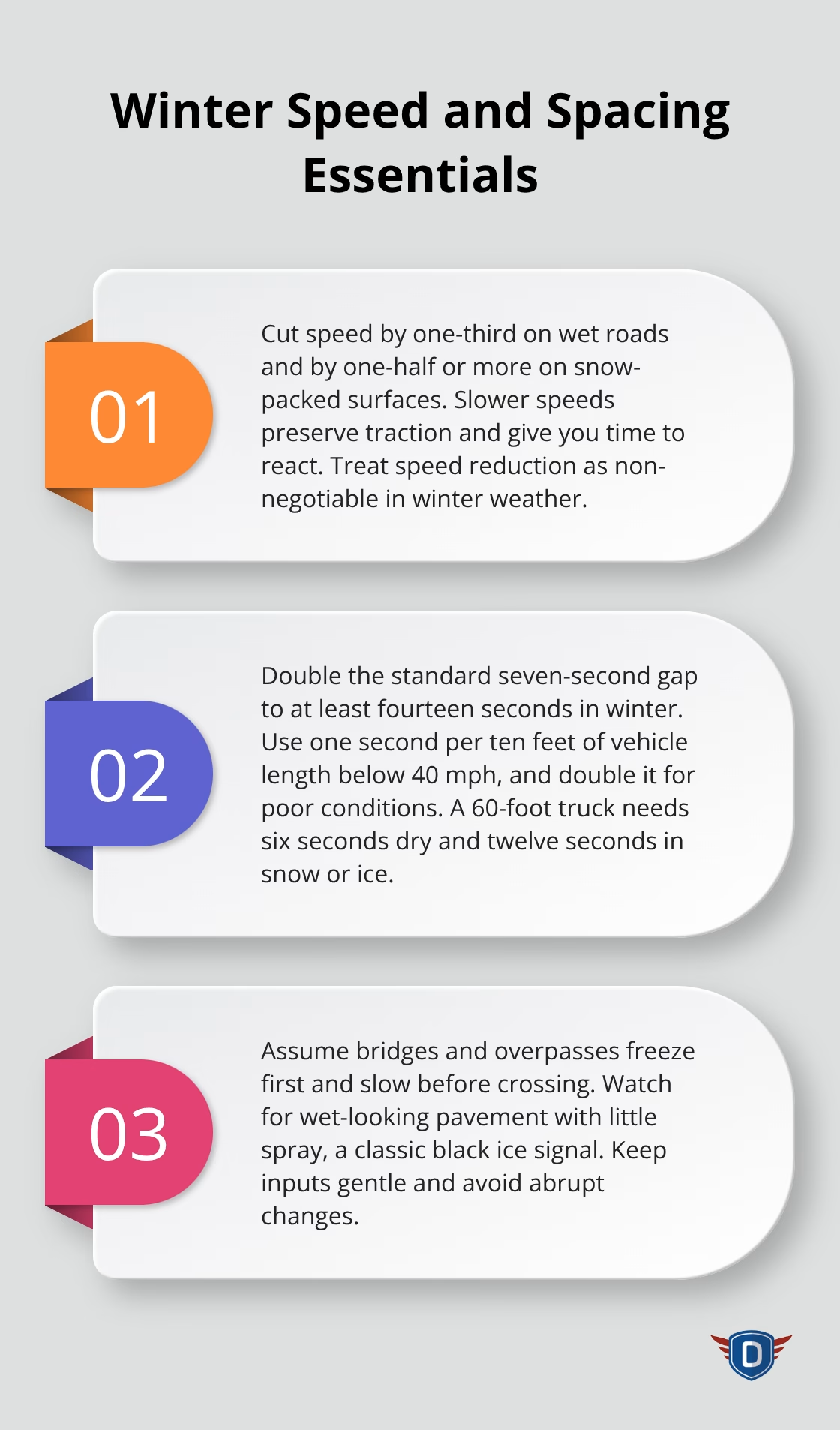
Winter truck driving demands drastically different speed and spacing strategies than dry road conditions. The National Highway Traffic Safety Administration reports that snow and sleet conditions contributed to 320 fatal crashes in 2023, along with 22,293 injury crashes and over 101,000 police-reported crashes nationwide. These numbers prove that speed reduction is non-negotiable, not optional. Reduce speed by one-third on wet roads and by one-half or more on snow-packed roads. Heavier trucks lose traction far more easily than passenger vehicles because their weight reduces tire grip on slippery surfaces, making control and stopping exponentially harder. A loaded rental truck cannot stop quickly on ice no matter how skilled the driver is, so your only defense is maintaining speeds that allow safe stopping distances.
Understanding Following Distance Requirements
Follow distance becomes your safety margin, and the standard seven-second gap between your truck and the vehicle ahead should double to fourteen seconds or more during winter conditions. Calculate this distance by counting the seconds between when the vehicle ahead passes a fixed object and when your truck reaches that same point. Large rental trucks require stopping distances equivalent to roughly two football fields on dry pavement, and ice multiplies this distance dramatically. For speeds below 40 mph, maintain at least one second of following distance per ten feet of vehicle length, then double it during poor conditions. This means a sixty-foot truck needs at least six seconds on dry roads and twelve seconds minimum on winter roads. Never rely on cruise control during snow, ice, or rain because sudden changes in traction can cause your truck to accelerate unexpectedly into the vehicle ahead.
Navigating Bridges, Black Ice, and Hidden Hazards
Bridges and overpasses freeze before regular road surfaces because cold air circulates underneath them, so reduce speed before crossing these sections and avoid abrupt speed changes on icy surfaces. Black ice appears as wet pavement but contains a thin, nearly invisible ice layer that causes sudden loss of control. Watch for roads that look wet with little water spray from other vehicles, as this indicates potential black ice underneath. These hazards demand constant vigilance and quick reactions to changing road conditions.
Smooth Acceleration and Deceleration Techniques
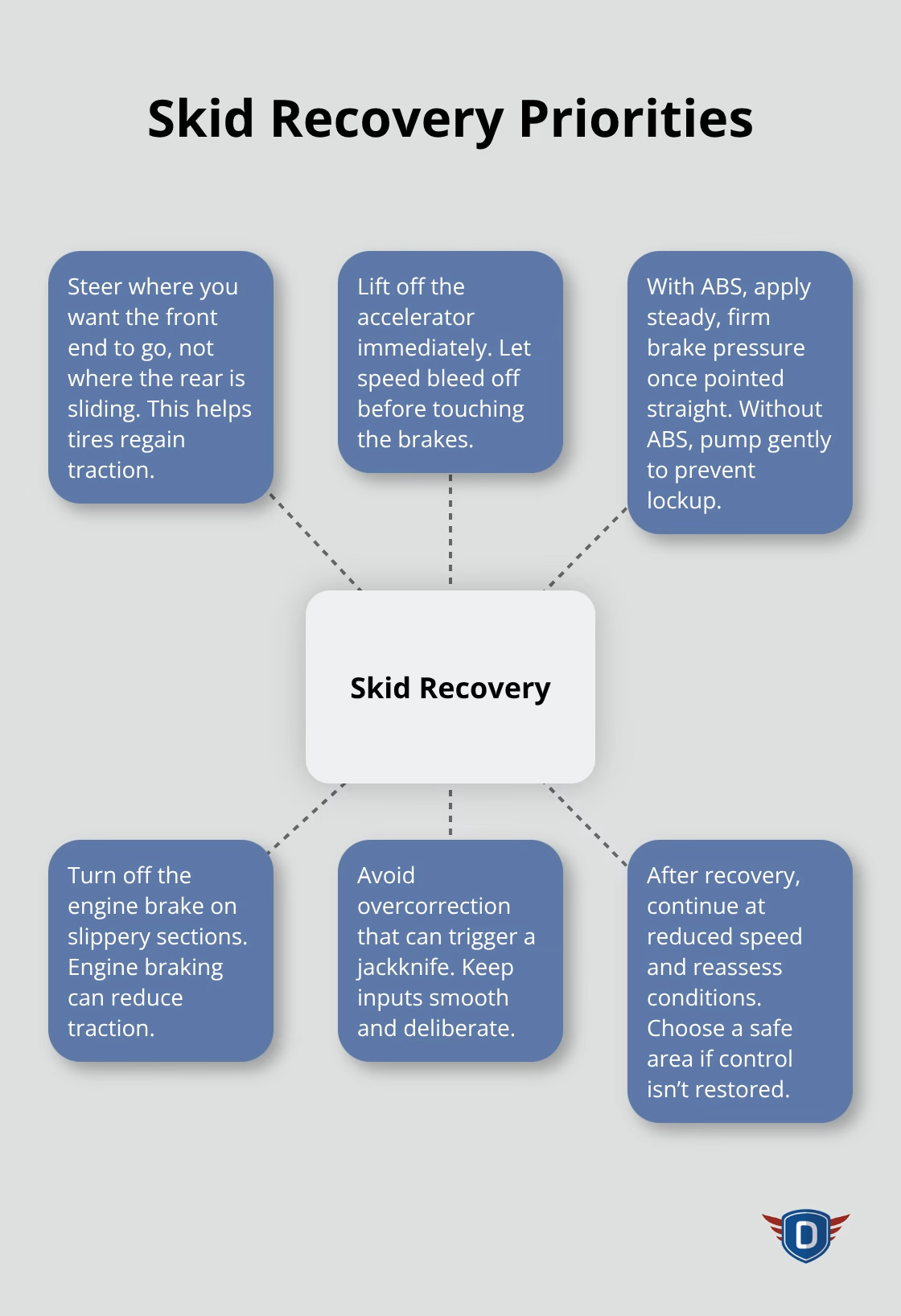
Accelerate and decelerate gradually because sudden inputs on slippery surfaces trigger jackknifing, where the trailer swings sideways and flips. The tractor must pull the trailer, so abrupt acceleration on packed snow or ice causes the drive wheels to slip while the trailer continues forward, breaking the connection between units. Apply throttle smoothly and progressively, allowing traction to build gradually. Decelerate by easing off the accelerator first, then applying brakes with steady, firm pressure if your truck has anti-lock brakes, or pump brakes gently if it lacks this system. Turn off the engine brake before entering slippery sections because engine braking reduces traction on wet, icy, or snow-covered roads.
Steering and Traction Control
Use gentle steering inputs with minimal hand movement because sudden wheel movements break traction and cause loss of control. Scan your surroundings continuously to anticipate hazards and maintain calm, controlled inputs throughout winter driving. Avoid driving in the ruts created by other vehicles since their wheels pack snow into ice, making those lanes more slippery than surrounding pavement. If you lose traction and the truck begins sliding, steer in the direction you want the truck to go while gradually reducing speed without slamming brakes. Maintain calm and resist the urge to overcorrect, which causes the truck to swing in the opposite direction. When your truck skids or slides on winter roads, your immediate response determines whether you regain control or face a dangerous situation that demands emergency intervention.
What to Do When Your Truck Slides on Winter Roads
Immediate Actions When Skidding Starts
The moment your truck begins sliding on winter roads, panic becomes your worst enemy. Your instinct screams to slam the brakes and jerk the steering wheel, but these reactions guarantee loss of control. Instead, lift your foot off the accelerator immediately and steer in the direction you want the truck’s front end to go, not where the rear is sliding. This counter-intuitive action works because steering into the slide allows your tires to regain traction rather than fighting against the direction of travel. Keep your inputs smooth and deliberate, avoiding the sudden movements that caused the skid in the first place.
Braking Techniques for Winter Recovery
If your truck has anti-lock brakes, apply steady, firm pressure to the brake pedal once you’ve regained directional control. Without anti-lock brakes, pump the brakes gently in a rhythm that lets tires grip between applications. The critical distinction separates drivers who recover from skids and those who crash: those who remain calm enough to execute smooth, measured responses instead of reacting emotionally. Your truck will want to continue sliding initially, so resist the urge to overcorrect by turning the wheel further. A jackknife occurs when the trailer swings sideways while the tractor continues forward, and overcorrecting accelerates this dangerous situation. Once your truck responds to your initial steering input, gradually reduce speed without aggressive braking. This process takes seconds, but those seconds determine whether you regain control or face a collision.
Throttle Control and Brake Timing
Knowing when to use brakes versus when to release them separates competent winter drivers from those who make dangerous decisions under pressure. The moment you feel your truck losing traction, reduce throttle pressure before touching the brakes at all. Engine braking alone often provides enough deceleration on snow or ice without the risk of wheel lockup that comes from brake application. If you must brake, apply light to moderate pressure rather than the firm pressure appropriate for dry pavement. Your brake pedal is a tool for controlled deceleration, not an emergency stop mechanism on winter roads. Never use cruise control during any precipitation or on snow-covered surfaces because sudden traction changes cause the truck to accelerate unexpectedly.
Stabilizing Your Truck After Recovery
Once you’ve stabilized your truck after a skid, continue at reduced speed for the next several miles. Your tires have proven they lack adequate grip, and road conditions may worsen just ahead. If you find yourself unable to regain control after multiple correction attempts, steer toward an open area away from other vehicles and traffic. A ditch or embankment beats a head-on collision with another vehicle every time. Stay in your truck once stopped, keep the exhaust pipe clear of snow to prevent carbon monoxide buildup, and contact dispatch or 911 for assistance.
Final Thoughts
Winter truck driving safety tips work only when you commit to consistent preparation and disciplined execution. Regular vehicle maintenance separates drivers who stay safe from those who face preventable breakdowns and accidents. Check tire pressure when temperatures drop, drain fuel-water separators daily, inspect battery terminals, and verify that lights function properly before winter arrives-these tasks take hours now or cost you days stranded on a frozen road later.
The statistics prove that winter driving demands respect. Over 101,000 police-reported crashes occurred in snow and sleet conditions during 2023, with 22,293 resulting in injuries and 320 proving fatal. These numbers represent real drivers who underestimated winter hazards or failed to adjust their driving behavior, and you control whether you become part of these statistics through the decisions you make every time you operate your truck in winter conditions.
Formal driver education strengthens your winter driving skills and builds confidence in dangerous situations. We at DriverEducators.com offer comprehensive programs designed to help drivers master safe driving habits that last a lifetime, covering defensive driving techniques, crash avoidance strategies, and the decision-making skills that matter most when conditions turn hazardous. Visit DriverEducators.com to explore programs that deepen your understanding of winter safety and road hazards.