Highway accidents claim over 38,000 lives annually in the United States, with many incidents stemming from preventable driver errors. Mastering highway driving safety tips can dramatically reduce your risk on these high-speed roadways.
At DriverEducators.com, we’ve compiled proven strategies that address the most common highway hazards. These techniques will help you navigate interstates with confidence and protect yourself from dangerous situations.
What Should You Check Before Highway Driving?
Tire Safety and Brake Performance
Your tires carry the entire weight of your vehicle at highway speeds, making proper inspection essential. Check tire pressure monthly with a digital gauge – underinflated tires reduce fuel efficiency and increase blowout risk according to the National Highway Traffic Safety Administration. Examine tread depth with the penny test: insert a penny into the tread with Lincoln’s head down. If you see the top of his head, replace the tire immediately.
Check brake fluid levels and listen for sounds when you apply brakes. Squealing or grinding indicates worn brake pads that need immediate replacement. Test your brakes in a safe area before you enter the highway – they should engage smoothly without pulling to one side.
Mirror Adjustment and Seat Position
Position your rearview mirror to frame the entire rear window and adjust side mirrors to eliminate blind spots completely. The Society of Automotive Engineers recommends that you angle side mirrors outward until the sides of your car just disappear from view. Set your seat height so you can see over the steering wheel comfortably while you maintain a slight bend in your arms.
Route Planning and Traffic Assessment
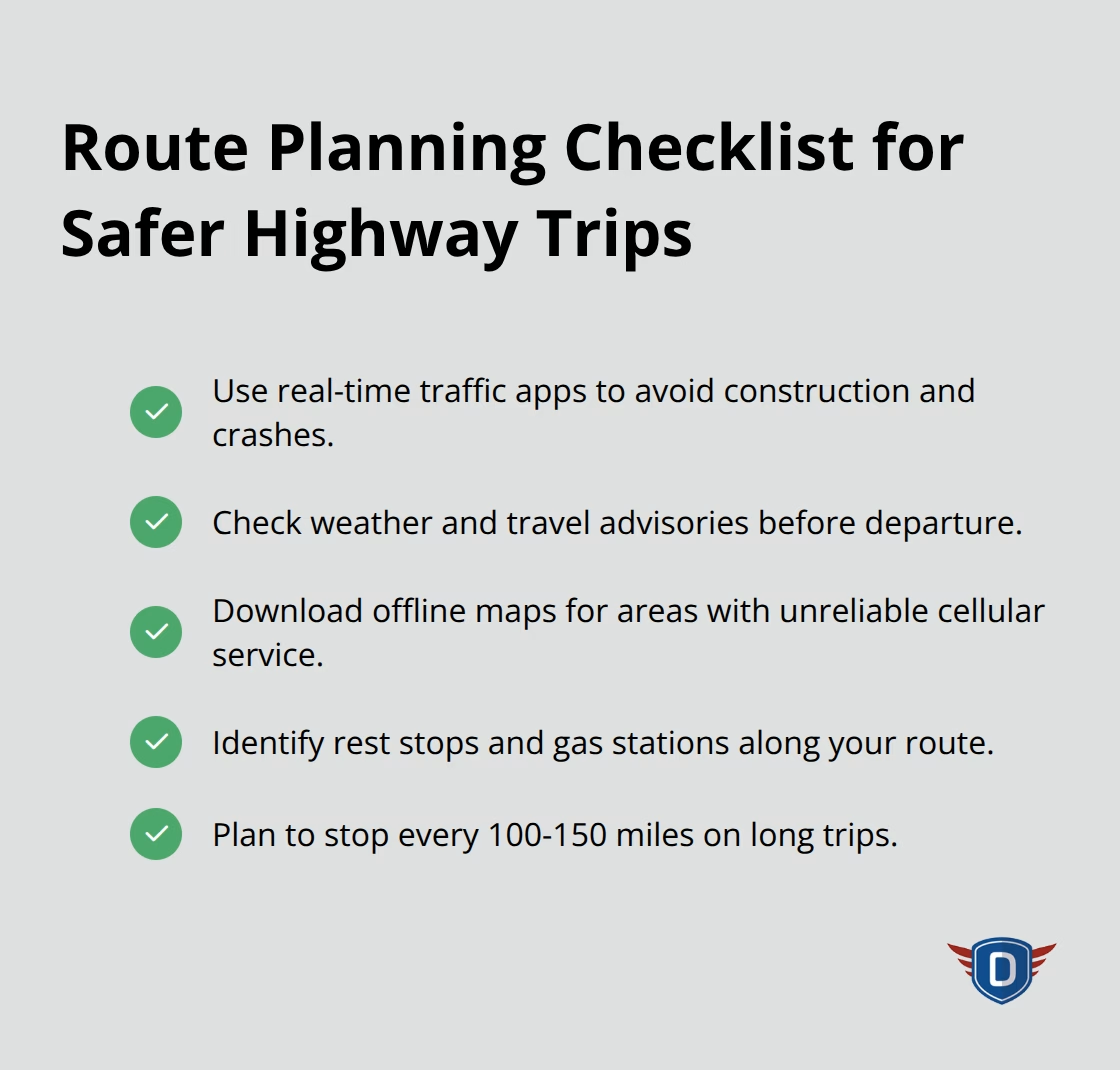
Plan your route with real-time traffic apps like Waze or Google Maps to avoid construction zones and accidents. Check weather conditions and travel advisories before departure. Download offline maps as backup in case cellular service becomes unreliable (especially in rural areas). Identify rest stops and gas stations along your route, spacing them every 100-150 miles for long trips.
These preparation steps set the foundation for safe highway travel, but proper highway driving techniques become equally important once you merge onto the interstate.
How Do You Master Highway Driving Techniques?
Merging Without Creating Chaos
Highway merging separates confident drivers from those who cause dangerous backups. Research shows that improper merging creates significant safety concerns and traffic disruptions. You must accelerate to match highway speed while still on the acceleration ramp – never merge at speeds below traffic flow. Signal early, check your blind spot twice, and commit to the merge decisively. Hesitation creates unpredictable behavior that confuses other drivers and leads to accidents.
The Three-Second Rule Saves Lives
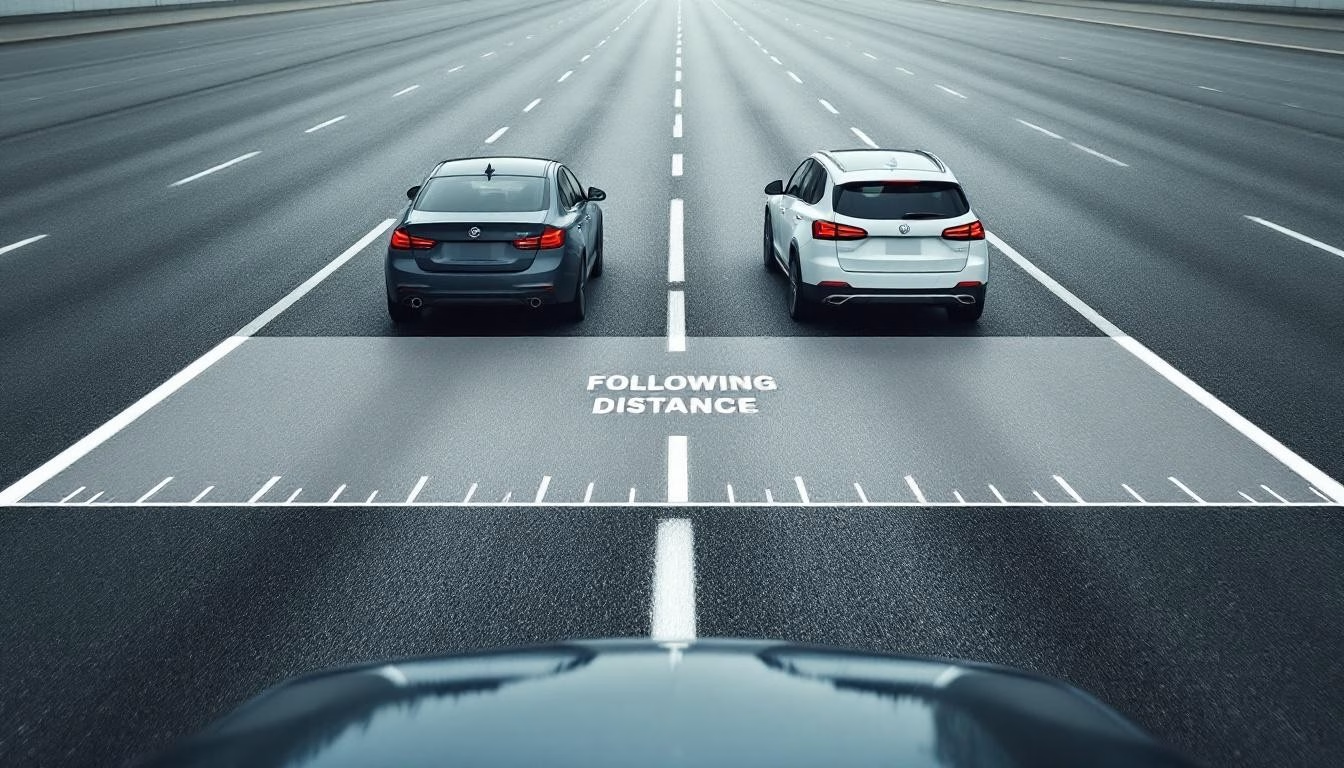
Proper following distance becomes your most important defensive strategy at highway speeds. The National Highway Traffic Safety Administration recommends the three-second rule: pick a fixed object ahead, count the seconds between when the car in front passes it and when you do. Add one second for every 10 mph above 40 mph (wet roads or poor visibility require even more space). At 70 mph, your vehicle travels 103 feet per second – insufficient following distance eliminates your reaction time completely.
Speed Management Beyond Posted Limits
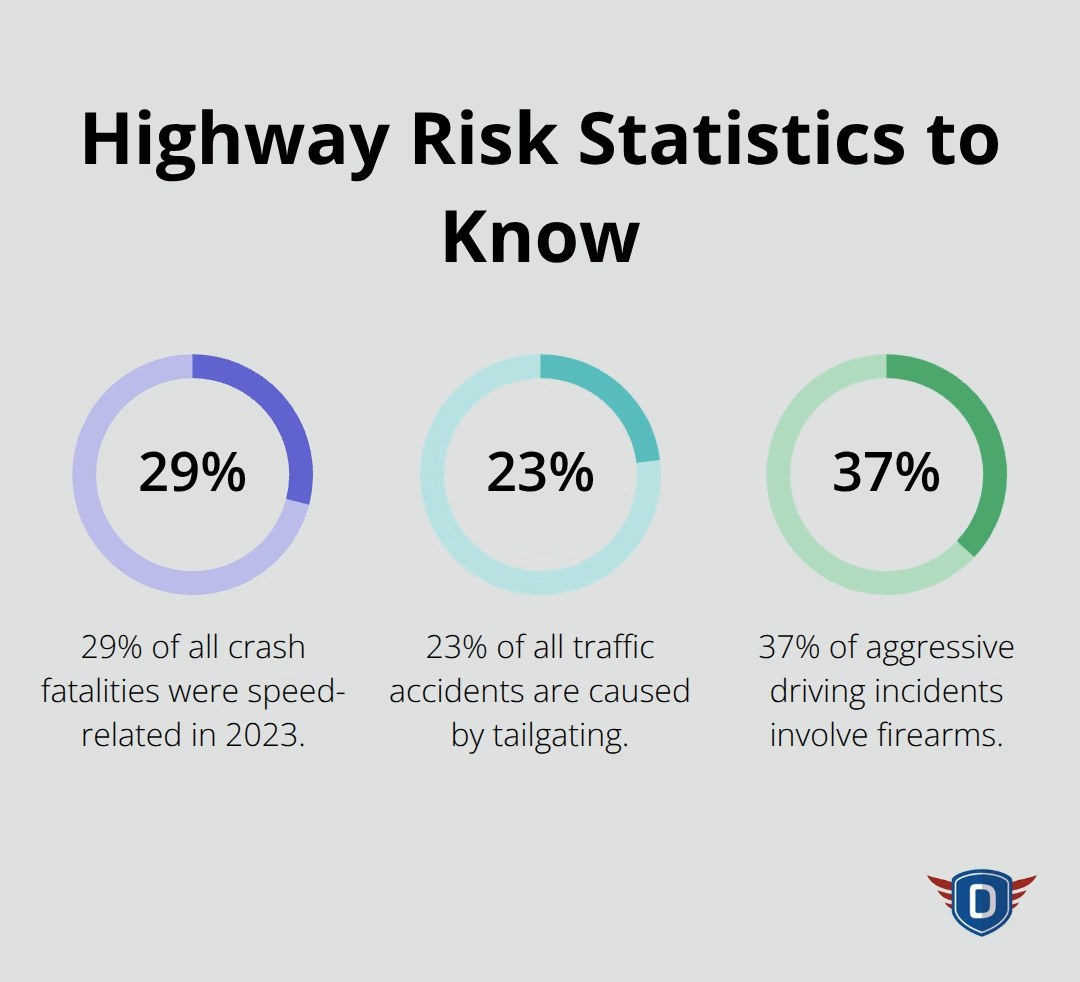
Posted speed limits represent ideal conditions, not absolute guidelines. Traffic engineers set these limits for dry pavement, good visibility, and moderate traffic. You should adjust your speed to match traffic flow rather than rigidly follow posted signs – driving significantly slower than surrounding vehicles creates dangerous speed differentials. However, never exceed safe speeds for current conditions. Almost 12,000 deaths – 29% of all crash fatalities – occurred in speed-related crashes in 2023. Monitor your speedometer frequently and use cruise control on long stretches to maintain consistent speeds and reduce driver fatigue.
These fundamental techniques work best when you can identify and respond to the specific hazards that make highway travel dangerous.
What Highway Hazards Pose the Greatest Risk
Aggressive Drivers Create Immediate Danger
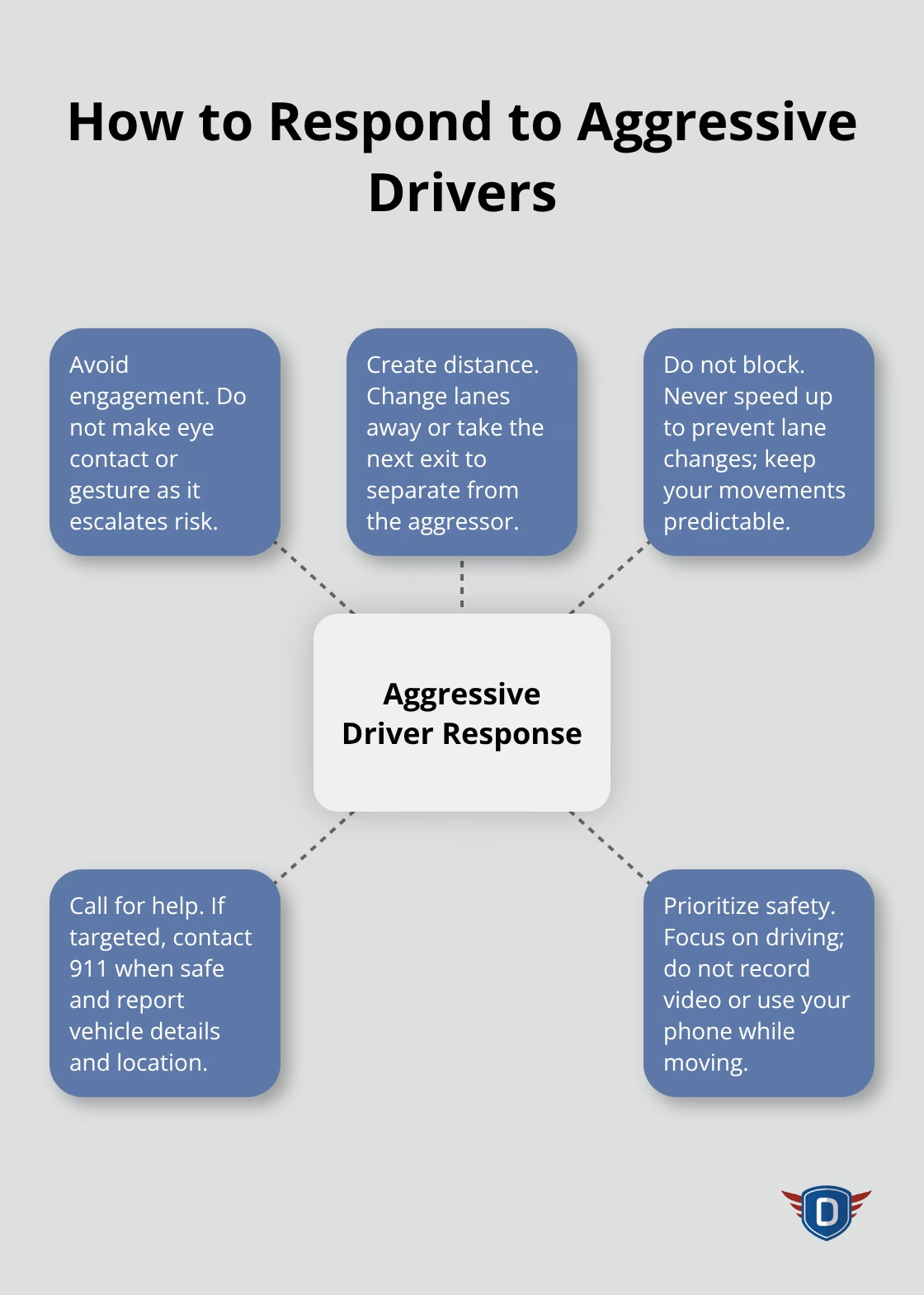
Aggressive drivers cause over 50% of all traffic fatalities according to the AAA Foundation for Traffic Safety. These drivers tailgate, weave through traffic, and make sudden lane changes without signals. You must recognize their behavior early and avoid engagement completely. Never make eye contact, gesture, or speed up to block lane changes – these actions escalate situations rapidly. Create space by changing lanes away from aggressive drivers or take the next exit if they target you specifically. Road rage incidents often involve weapons (the National Highway Traffic Safety Administration reports that 37% of aggressive incidents involve firearms).
Weather Transforms Highway Conditions
Rain reduces tire traction and increases the risk of vehicle accidents due to hydroplaning. Wet roads cause 1.2 million crashes annually according to the Federal Highway Administration. Reduce your speed by 5-10 mph below the limit when rain begins and increase your distance to six seconds. Hydroplaning occurs at speeds as low as 35 mph on standing water – if your steering feels light, lift off the accelerator gradually without braking or turning. Fog creates the most dangerous conditions because it eliminates depth perception completely. Turn on low-beam headlights and hazard flashers, then exit at the nearest off-ramp when visibility drops below 100 feet. Defensive driving techniques help you prepare for these unpredictable weather scenarios.
Construction Zones Demand Extreme Caution
Construction zones generate significant crashes yearly with hundreds of fatalities. Workers operate within feet of 70+ mph traffic daily. Merge early when you see warning signs rather than force your way in at the last moment. Reduce speed immediately when you enter work zones – fines double in most states and enforcement increases during active construction hours (lane widths narrow and barriers create confined spaces). Never use phones or adjust controls in construction areas where space becomes limited and workers face constant danger from passing vehicles. Pre-trip inspections catch mechanical problems before they become highway hazards.
Final Thoughts
Highway driving safety tips work only when you apply them consistently every time you travel. The statistics speak clearly – proper preparation, defensive techniques, and hazard awareness prevent thousands of accidents annually. Your vehicle inspection, mirror adjustment, and route planning create the foundation for safe travel.
Defensive driving transforms your mindset from reactive to proactive. You anticipate problems before they develop and position yourself to avoid dangerous situations completely. This approach reduces stress and fatigue while dramatically improving your safety margins at highway speeds (especially during peak traffic hours).
Traffic laws evolve, vehicle technology advances, and road conditions change seasonally. We at DriverEducators.com offer comprehensive driver education programs that keep your knowledge current and your reflexes sharp. Highway safety depends on your commitment to continuous improvement and consistent application of proven techniques.
![Teen Driver Licensing Requirements in Florida [2026]](https://drivereducators.com/wp-content/uploads/emplibot/florida-license-requirements-hero-1773544196.avif)