Halloween brings millions of trick-or-treaters to streets across America, creating a perfect storm of hazards for drivers. Costumes limit visibility, darkness falls early, and pedestrians-especially children-move unpredictably between parked cars and across intersections.
We at DriverEducators.com know that Halloween safety driving tips can mean the difference between a fun evening and a tragedy. This guide covers the specific risks you’ll face and the defensive driving techniques that work.
What Makes Halloween the Deadliest Night for Pedestrians
The Perfect Storm of Three Hazards
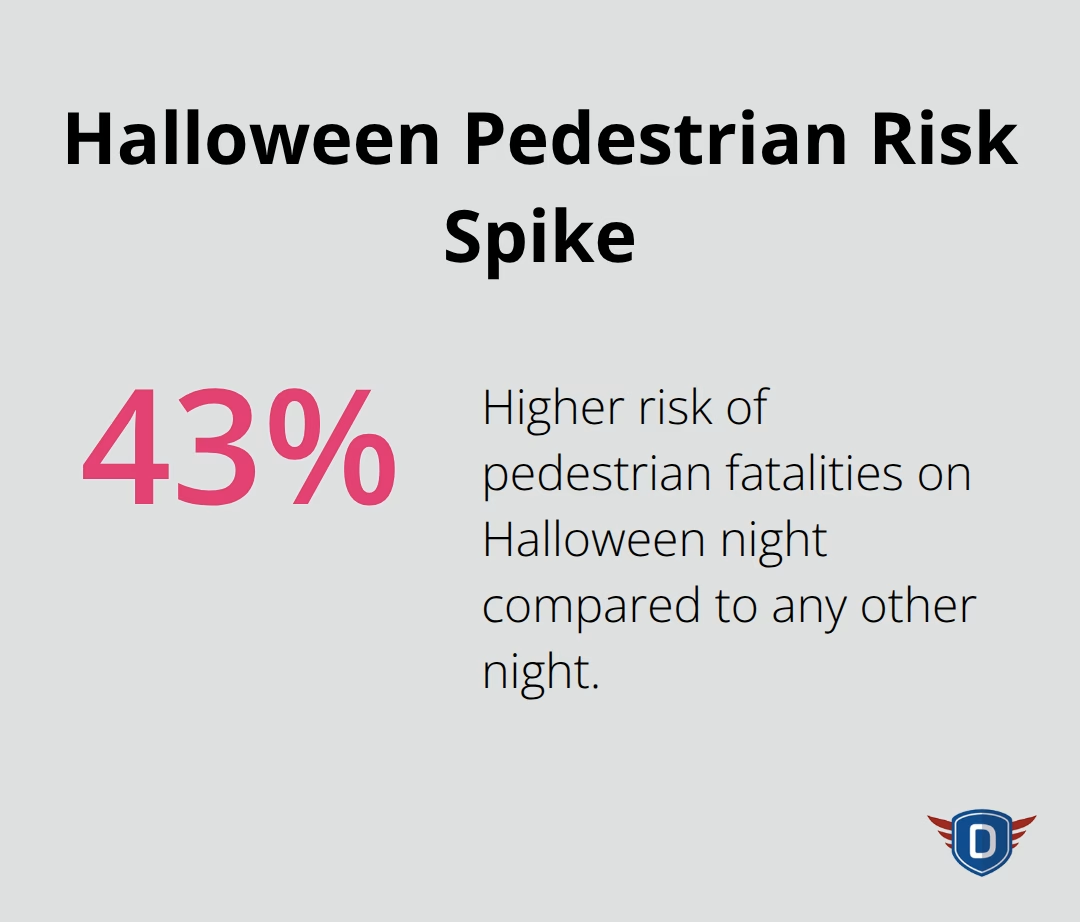
Halloween transforms residential neighborhoods into high-risk zones for drivers. Children ages 4 to 8 face a staggering 10 times higher risk of being hit by a vehicle on Halloween compared to any other evening. The peak danger window runs from 6:00 to 7:00 pm, when darkness coincides with trick-or-treating activity. Three specific hazards compound each other on this night. First, pedestrian volume explodes in residential areas-millions of children and adults flood streets that drivers normally navigate at higher speeds. Second, visibility plummets due to darkness and costumes (many Halloween outfits use dark colors, masks restrict sight lines, and bulky padding obscures movement cues). Third, impaired drivers share the road during Halloween parties. In 2023, nearly half of all crash fatalities on Halloween night involved alcohol. This triple threat means Halloween night carries a 43 percent higher risk of pedestrian fatalities compared to any other night.
Why the 6:00 to 9:00 PM Window Demands Your Absolute Focus
The riskiest hours require your complete attention. Between 6:00 and 9:00 pm, children dart between parked cars, cross mid-block, and run across driveways without looking. If you’re not actively participating in trick-or-treating, avoid driving through residential neighborhoods entirely during these hours. If you must drive, reduce speed significantly below posted limits in residential areas-this is non-negotiable. Slow speeds give you reaction time when a child suddenly appears. Watch for one child and assume others are nearby; they travel in groups and rarely move in straight lines.
Defensive Positioning Against Visible and Invisible Threats
Turn on your full headlights at dusk, not just daytime running lights, to maximize your visibility to pedestrians. At stop signs and crosswalks, pause longer than usual and actively scan for movement. Impaired drivers represent the invisible threat on Halloween night. You cannot identify them visually until they hit someone. The only defense is defensive positioning: stay in the middle lanes when possible, avoid being the first vehicle at intersections, and prepare for sudden lane changes or erratic braking from other vehicles. These precautions protect you and everyone sharing the road during this high-risk evening.
How to Actually Slow Down in Residential Neighborhoods
Cut Your Speed in Half During Peak Hours
Reducing speed in residential areas on Halloween is not a suggestion-it is the only effective defense against hitting a child. The Insurance Institute for Highway Safety reports that night driving is about three times riskier than daytime driving, and Halloween amplifies that risk exponentially. Most drivers cruise residential streets at 25 to 35 mph, but on Halloween you need to cut that in half. At 15 mph, you have roughly six seconds to react and stop when a child bolts from between two parked cars. At 30 mph, you have two seconds. That difference determines whether a child walks away or ends up in an ambulance.
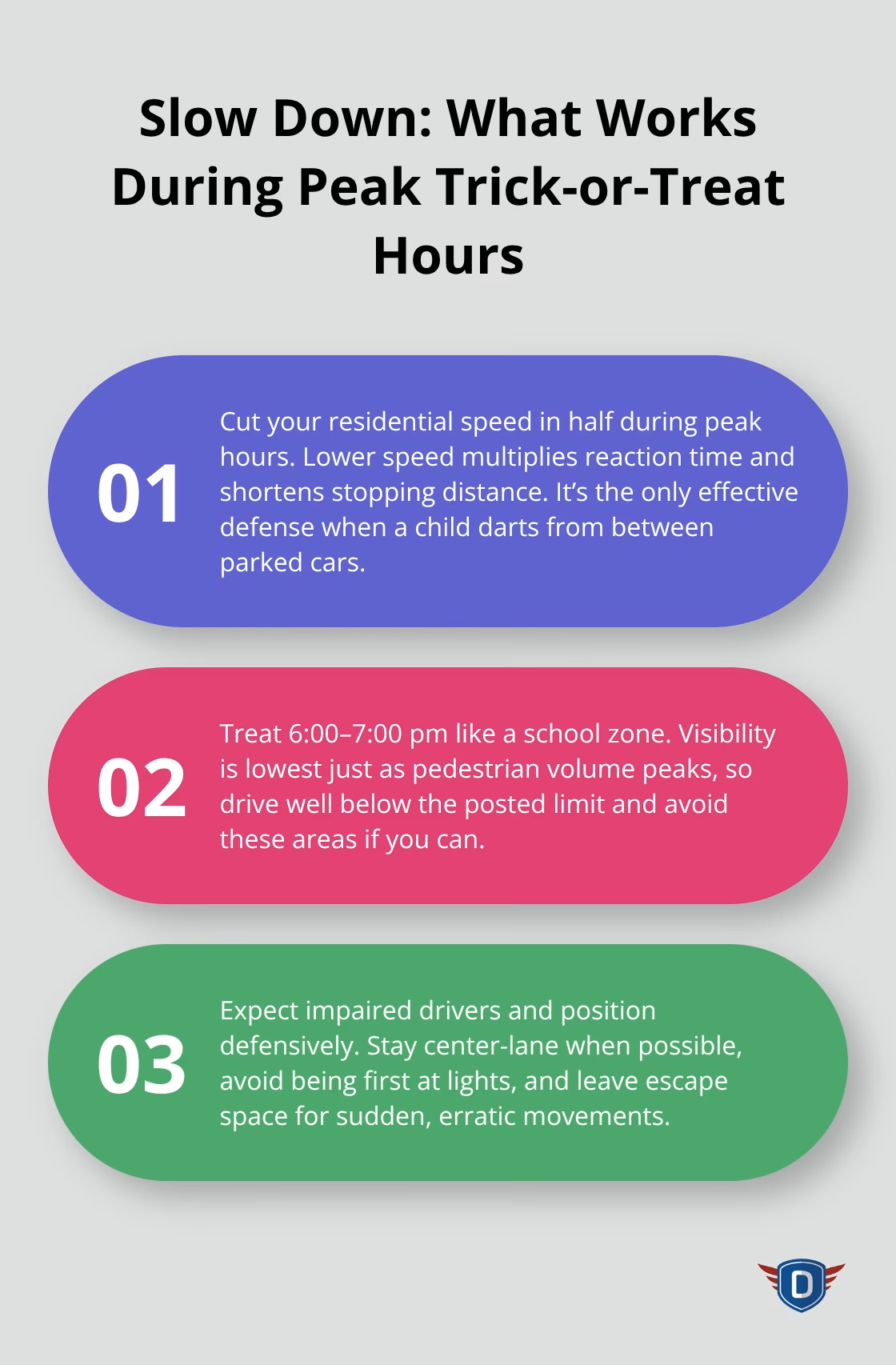
The peak danger window from 6:00 to 7:00 pm demands your absolute minimum speed-treat residential streets like school zones. If you see one child crossing, assume at least two more are nearby and moving in unpredictable directions. Do not accelerate between stops. Maintain that reduced speed consistently, even on straightaways where visibility seems clear. On Halloween, impaired drivers often travel too fast for conditions, so your cautious speed also keeps you away from their erratic movements.
Scan Systematically Across Every Zone
Constant scanning separates safe drivers from those who cause crashes. Your eyes move systematically across the road: check directly ahead, scan both sides for movement between parked cars, look at driveways where children emerge suddenly, and monitor your mirrors for vehicles approaching from behind. On Halloween, pedestrians do not follow normal traffic patterns-they cross mid-block, they run, they wear dark costumes that blend into shadows.
Turn your full headlights on at dusk to maximize visibility and illuminate sidewalks and yards where children gather. At every stop sign or crosswalk, pause for a full three seconds and actively look for motion before proceeding. This deliberate pause catches the child you almost missed.
Eliminate Distractions Completely
Distractions destroy your ability to react. Your phone must be completely out of reach, not just in your lap. Loud music masks the sound of children calling to each other or car horns warning of danger. Keep your radio at a conversational volume and silence notifications on your phone. Your sole focus is the road, the pedestrians around you, and the other vehicles sharing it.
One moment of inattention-checking a message, adjusting the climate control, looking at a passenger-means you miss the child stepping off the curb. On Halloween, that moment costs lives. The riskiest hours demand your complete mental presence, not divided attention.
Prepare for Impaired Drivers on the Road
You cannot identify impaired drivers visually until they hit someone. The only defense is defensive positioning: stay in the middle lanes when possible, avoid being the first vehicle at intersections, and prepare for sudden lane changes or erratic braking from other vehicles. These precautions protect you and everyone sharing the road during this high-risk evening.
Watch for vehicles that drift between lanes, brake suddenly without reason, or accelerate erratically. If you spot a driver exhibiting these behaviors, increase your distance and contact law enforcement with their location and vehicle description. Your awareness of impaired drivers on Halloween night prevents collisions before they happen.
Make Yourself Visible and Choose Safe Routes
Reflective Gear and Light Save Lives
Visibility determines whether a driver spots you in time on Halloween. Pedestrians must wear or carry reflective strips, glow sticks, or flashlights on the front and back of their bodies. Light-colored costumes work better than dark ones; if your costume is predominantly black or dark gray, add reflective tape across your chest and back. A simple flashlight in hand accomplishes more than expensive gear-pedestrians carrying lights become visible to drivers from twice the distance compared to those without. For trick-or-treaters under 12, an adult must accompany them at all times. Children should walk, never run, and stay on sidewalks to avoid trip hazards and unpredictable movements that startle drivers.
Timing and Adult Supervision Matter
Start trick-or-treating before true darkness falls. The riskiest hour runs from 6:00 to 7:00 pm when sunset and peak activity collide, so earlier outings dramatically reduce collision risk. When children cross driveways or streets, they must actively look for cars and not assume they have the right of way. Parents who supervise younger children catch hazards before they become emergencies. An adult’s presence alone changes how children move-they stay closer, cross more carefully, and respond faster to traffic warnings.
Route Planning Prevents Peak-Hour Exposure
If you drive on Halloween, avoid residential neighborhoods between 5:00 and 9:00 pm when trick-or-treating activity peaks. Choose well-lit main streets over dark residential side roads whenever possible. Pedestrians should use the buddy system and never walk home alone from parties or events. Travel in groups of at least two people, stay on main roads with streetlights, and keep mobile phones accessible for emergencies. This approach eliminates the isolation that makes pedestrians vulnerable.
Safe Drop-Off and Pickup Procedures
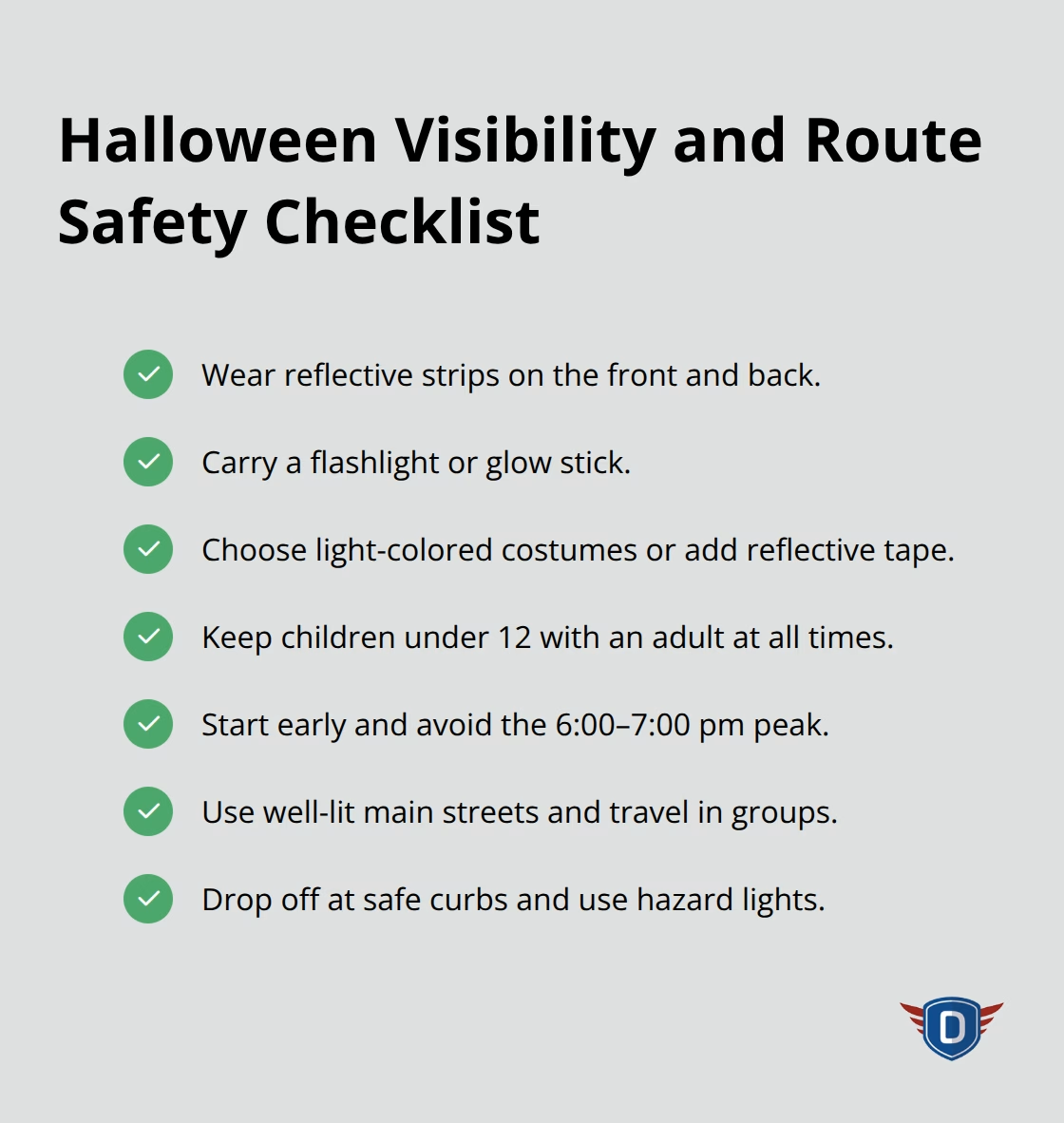
Drivers dropping off or picking up trick-or-treaters must pull over at safe curb locations away from traffic and use hazard lights. Let passengers exit on the curb side, away from moving vehicles. Avoid parking in spots that require backing up; if backing is unavoidable, have an adult outside to guide and confirm no children are in the way. These concrete actions-reflective gear, adult supervision, route avoidance, and safe drop-off procedures-eliminate most preventable Halloween collisions.
Final Thoughts
Halloween night demands your absolute attention behind the wheel. Children ages 4 to 8 face 10 times higher risk of being hit by a vehicle on Halloween compared to any other evening, and nearly half of all crash fatalities that night involve alcohol. The combination of increased pedestrian traffic, poor visibility from costumes and darkness, and impaired drivers creates conditions that require deliberate, focused driving.
The Halloween safety driving tips we’ve covered work because they address the specific hazards you’ll encounter. Cutting your speed in half during peak hours gives you the reaction time needed when a child darts from between parked cars. Constant scanning across every zone catches the pedestrian in a dark costume before they step into your path. Eliminating distractions entirely means your full attention stays on the road.
Responsible driving during Halloween extends beyond yourself to every child, parent, and pedestrian sharing the road. Your choices determine whether families return home safely or whether someone’s Halloween becomes a nightmare. We at DriverEducators.com provide comprehensive driver education programs that help you master the defensive techniques that work in real-world conditions, including high-risk situations like Halloween night.