Tornadoes create some of the most dangerous driving conditions you’ll face. At DriverEducators.com, we’ve put together tornado driving safety tips that can protect you and your passengers when severe weather strikes.
This guide covers everything from recognizing tornado warnings to deciding whether you should stay in your vehicle or seek shelter elsewhere.
Know the Difference Between Tornado Warnings and Watches
Tornado Watches Versus Tornado Warnings
The National Weather Service distinguishes between tornado watches and tornado warnings, and this distinction matters when you’re driving. A tornado watch means conditions are favorable for tornado formation in your area, while a tornado warning means a tornado has been sighted or indicated by radar. This difference determines your immediate action. During a watch, you stay alert and monitor weather updates closely, but you can continue driving with heightened awareness.
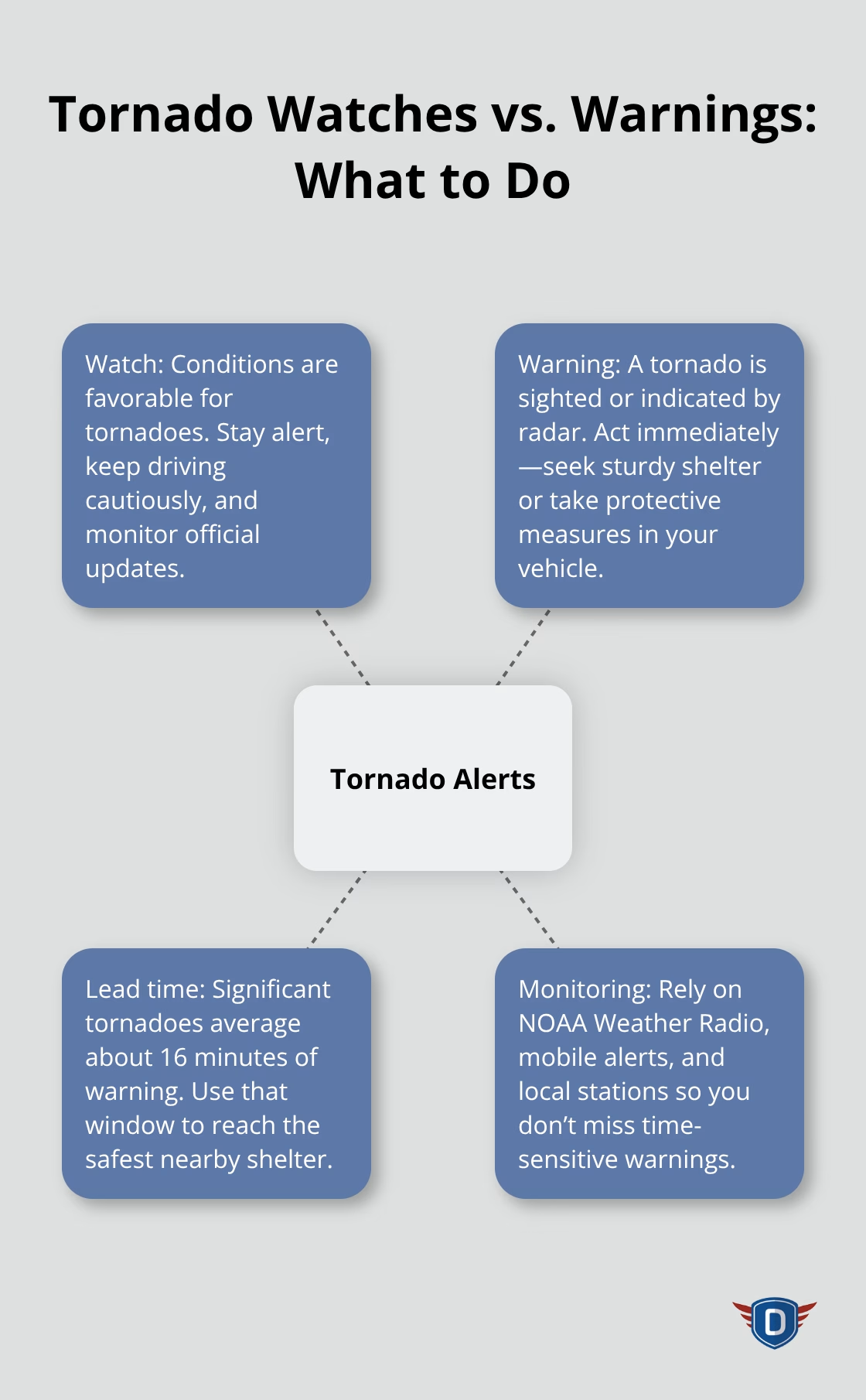
During a warning, you need to act immediately and reach shelter or take protective measures in your vehicle. NOAA reports that tornado warnings can arrive with little lead time-for the most significant tornadoes, warnings provide an average of 16 minutes advance notice-which is why staying informed through active weather monitoring is non-negotiable when severe weather is possible.
Real-Time Alerts While Driving
Your phone and vehicle should feed you weather information constantly during tornado season. NOAA Weather Radio is the gold standard for tornado alerts and provides continuous updates without relying on your attention to check a screen while driving. Set up mobile weather alerts on your phone before severe weather season begins, so notifications reach you automatically. Local radio stations broadcast tornado warnings immediately, and many drivers find that keeping the radio on a local news station during spring and early summer months prevents them from missing critical information.
Planning Your Route Before Severe Weather Hits
If you’re driving through an area prone to tornadoes, check the forecast before leaving and plan your route accordingly. Road conditions during tornado warnings deteriorate rapidly because visibility drops, other drivers panic, and debris becomes a hazard. The safest choice often means pulling off the highway entirely rather than continuing forward.
Recognizing Tornado Signs on the Road
Watch for rotating clouds, debris clouds, dark or greenish skies, large low-lying clouds, large hail, and a loud roar similar to a freight train. Some tornadoes occur without visible funnels, wrapped in heavy rain, so unusual cloud rotation or sudden wind shifts can signal danger even when you don’t see a classic tornado shape. These warning signs demand immediate action to locate shelter or position your vehicle for maximum protection.
How to Adjust Your Driving in Tornado Conditions
Reduce Speed and Maintain Control
Tornado conditions demand different driving tactics than normal weather. Visibility drops dramatically when rain and debris fill the air, and your vehicle becomes less stable on wet roads. You must reduce your speed significantly below posted limits-this isn’t the time to maintain highway speeds. Wet roads reduce tire traction, and tornadoes often arrive alongside heavy rain that creates hydroplaning conditions. Your tires need maximum contact with the road surface, so slower speeds are non-negotiable.
Your vehicle’s stability matters more in tornado conditions than in normal driving. Sudden wind gusts from a forming tornado can push your car across lanes, and debris impacts create unpredictable handling. You should keep both hands on the wheel at all times and avoid sudden steering movements that could cause a skid on wet pavement. If you feel your vehicle being pushed by wind, grip the steering wheel firmly and resist overcorrecting. You must avoid using cruise control during severe weather because you need immediate control if conditions deteriorate rapidly.
Increase Following Distance and Visibility
You should increase your following distance to at least 8 to 10 seconds behind other vehicles. This extra space gives you more reaction time if someone brakes suddenly or a hazard appears. Turn on your headlights immediately when severe weather approaches, even during daylight hours, because low visibility makes your vehicle harder for other drivers to see.
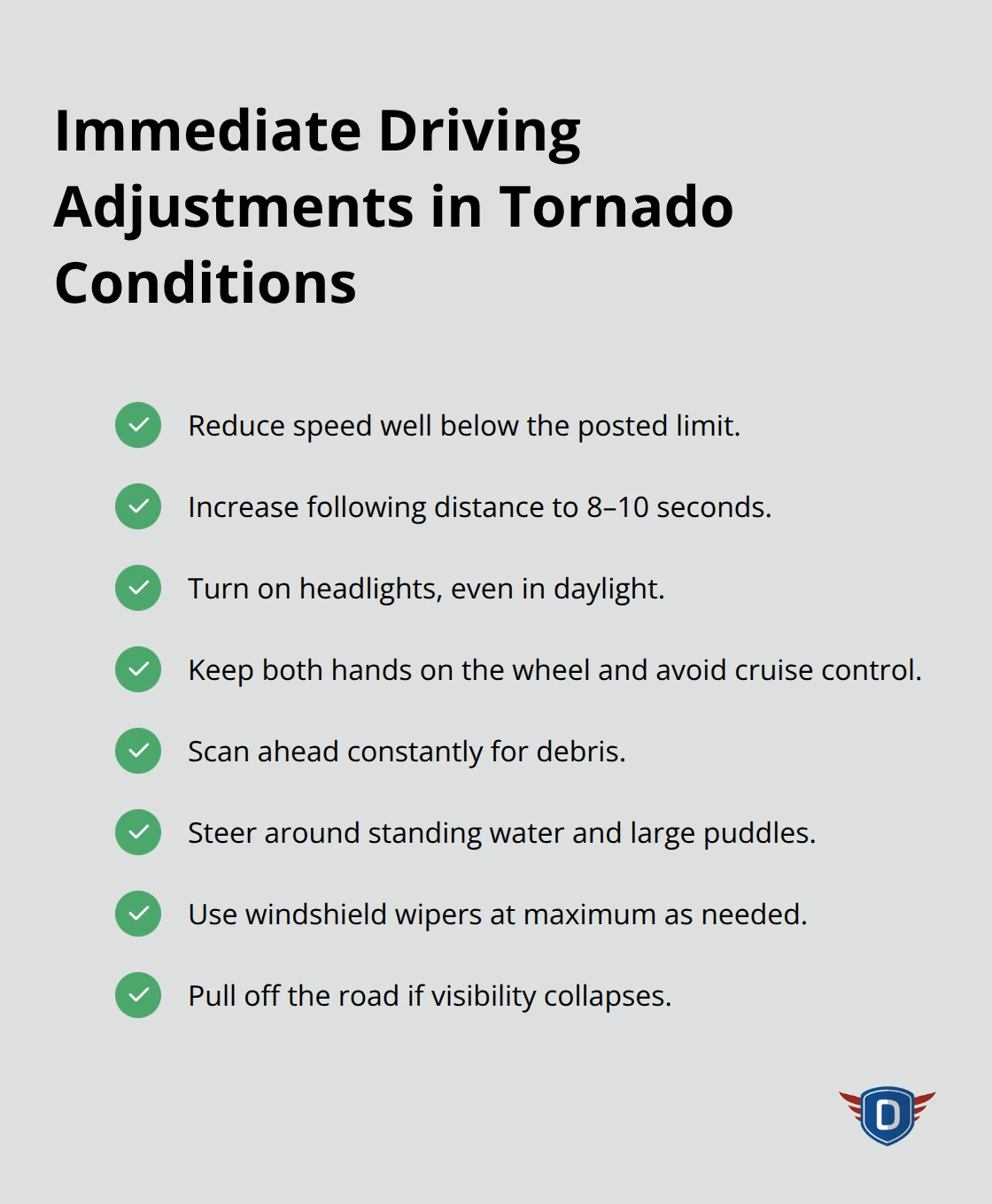
Windshield wipers should run at maximum speed to keep your vision clear, and if wipers can’t keep up with rainfall intensity, that’s a signal that conditions have become too dangerous to continue driving forward.
Navigate Wet Roads and Hydroplaning Hazards
You should watch the road surface for standing water and debris, and steer around puddles rather than driving through them at speed. If your vehicle begins to hydroplane, resist the urge to brake hard-instead, ease off the accelerator and steer straight until traction returns. The National Weather Service emphasizes that acting quickly during a tornado is key to staying safe, and quick decisions start with driving slowly enough that you maintain full control of your vehicle at every moment.
Debris scattered across the roadway creates serious hazards that demand your attention. You need to scan ahead constantly for objects in your path and adjust your trajectory to avoid them. Heavy rain combined with wind gusts makes debris harder to spot, so reducing speed gives you the time needed to react. Your ability to steer around obstacles depends on maintaining traction, which deteriorates rapidly on wet pavement. The decision to pull off the road entirely often proves safer than continuing forward through deteriorating conditions.
Know When Driving Becomes Too Dangerous
As conditions worsen, your options narrow. You can continue driving at reduced speed toward shelter, pull over and wait for the tornado to pass, or abandon your vehicle to seek better protection. The choice depends on your proximity to sturdy buildings, the intensity of the tornado warning, and the visibility you currently have. If you cannot see more than a few car lengths ahead, continuing forward puts you at serious risk of collision or debris impact. This is when you transition from adjusting your driving technique to making the shelter decision that could save your life.
Where to Seek Shelter When a Tornado Threatens
Buildings Offer Your Best Protection
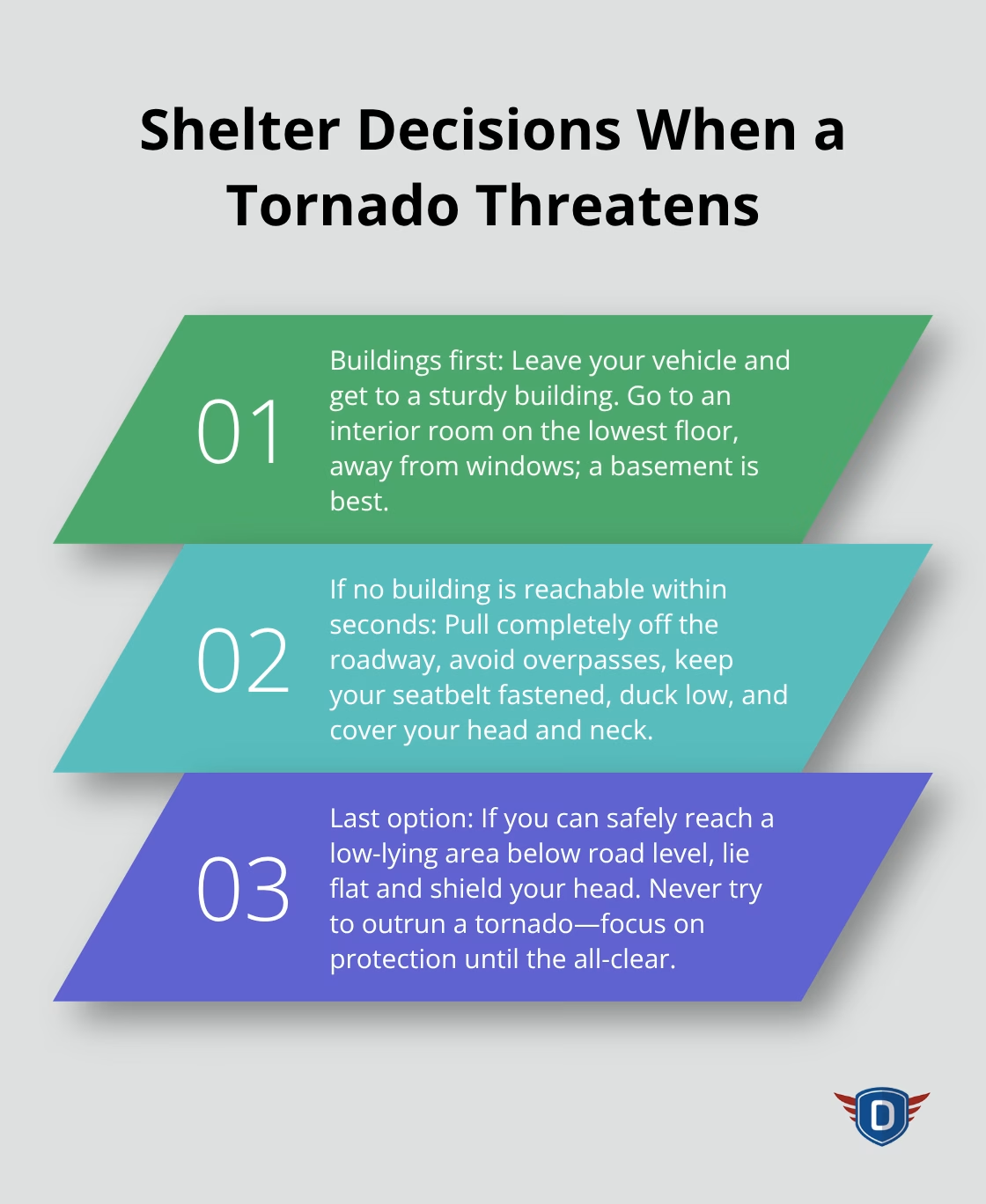
Your first instinct during a tornado warning should be to leave your vehicle and find a sturdy building. The CDC states plainly that a car is the least desirable location during a tornado, and vehicles offer virtually no protection against tornado winds. If you’re driving and spot a tornado or receive a warning, your immediate goal is reaching an interior room on the lowest floor of a permanent building, away from windows. A basement provides the best protection; if your building lacks a basement, move to a hallway, bathroom, or closet in the center of the structure where exterior walls won’t collapse onto you.
Identifying Shelter Along Your Route
NOAA data shows that tornadoes change direction rapidly and without warning, making buildings your only reliable shelter option. If you spot a sturdy structure within a few blocks, drive there at controlled speed rather than continuing forward. Schools, hospitals, office buildings, and shopping centers all provide better protection than your vehicle, though you should head to interior areas immediately upon arrival and avoid large open spaces like gymnasiums or cafeterias where roof collapse poses serious risk. Before severe weather season arrives, identify sturdy buildings along your regular routes where you could take shelter if needed. This advance planning eliminates hesitation when a warning arrives.
When to Stay in Your Vehicle
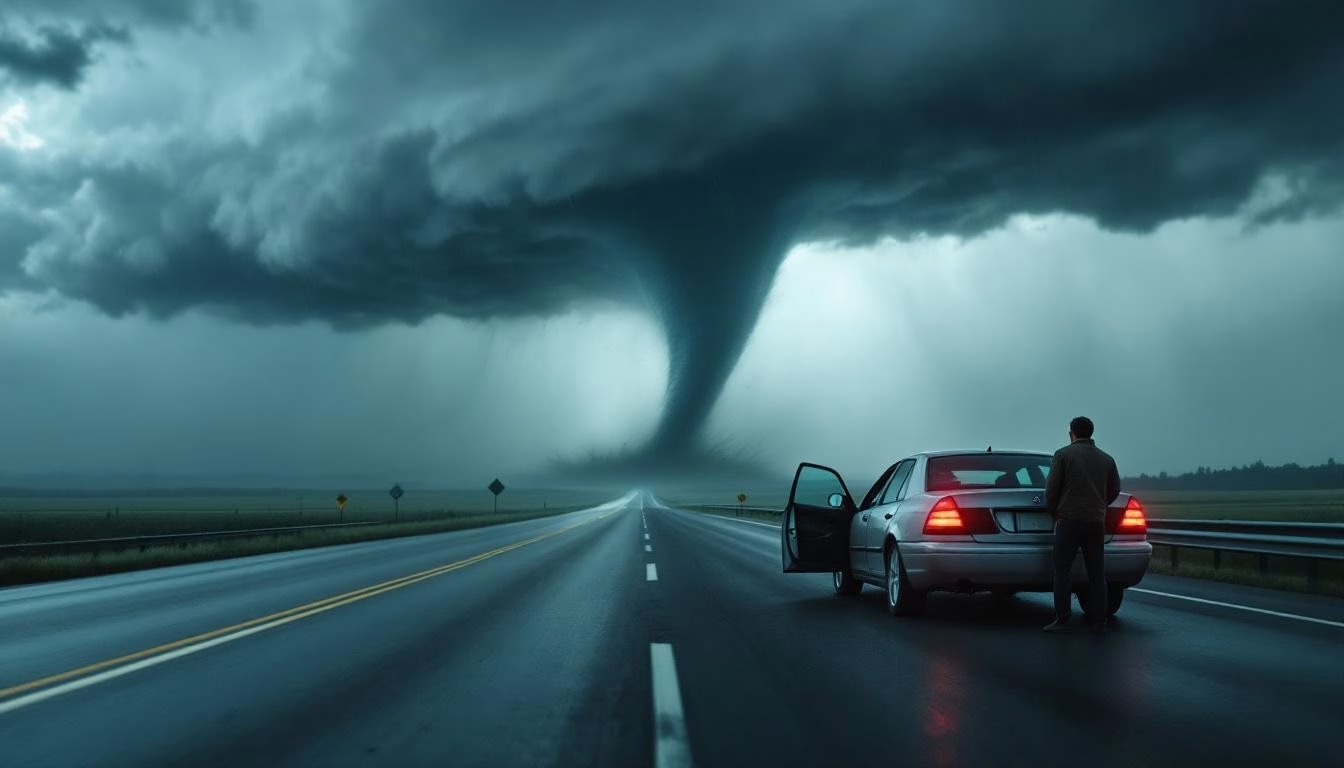
The decision to abandon your vehicle depends entirely on your proximity to shelter. If you cannot reach a building within seconds, stay in your car but pull completely off the roadway and away from traffic lanes-do not stop under overpasses or bridges, as these structures channel dangerous wind speeds and concentrate debris. Once stopped, keep your seatbelt fastened, duck as low as possible, and cover your head and neck with your hands or a blanket. If you can safely exit and reach a low-lying area noticeably below road level (a ditch or ravine), lie flat and shield your head with your arms.
The Danger of Attempting to Outrun a Tornado
Never attempt to outrun a tornado by accelerating; this decision costs lives. NOAA reports that advance warning is available for tornadoes, giving you time to act deliberately rather than panic. Your vehicle cannot outpace a tornado, and attempting to do so puts you in the path of debris and extreme winds for longer periods. Instead, focus on reaching shelter or positioning yourself for maximum protection if shelter is unreachable.
Hazards After the Tornado Passes
After the tornado passes, avoid heavily damaged buildings and downed power lines, as live electrical currents and broken debris create additional hazards that can injure or kill. Stay alert for secondary dangers that emerge once the immediate threat subsides, and wait for official all-clear signals before resuming normal activities.
Final Thoughts
Tornado driving safety tips boil down to three critical decisions: stay informed, adjust your driving immediately, and prioritize shelter over your vehicle. The difference between a tornado watch and warning determines whether you monitor conditions or act now. NOAA’s 16-minute average warning window gives you time to reach safety if you pay attention to weather alerts, so set up mobile notifications and keep your radio tuned to local stations during severe weather season.
When you’re behind the wheel and conditions deteriorate, reduce speed dramatically and increase your following distance. Wet roads and debris demand your full attention and both hands on the steering wheel (your vehicle becomes a liability in tornado conditions, not protection). The moment you spot a tornado or receive a warning, your goal shifts to finding a sturdy building with an interior room away from windows.
Preparation separates drivers who panic from drivers who act decisively. Before severe weather season, identify sturdy buildings along your regular routes where you could take shelter, and check weather forecasts before driving through tornado-prone areas. Visit DriverEducators.com to explore courses that build your defensive driving foundation and prepare you for real-world challenges on the road.