Teen drivers face real dangers on the road. According to the CDC, motor vehicle crashes are the leading cause of death for teenagers in the United States, with about 2,500 teen deaths annually.
We at DriverEducators.com know that driving safety tips for teens can make a measurable difference. The right training, habits, and practice reduce crash risk significantly.
What Makes Teen Crashes Happen
The Stark Reality of Teen Crash Statistics
The statistics paint a stark picture of teen driving risk. Teens aged 16–19 face a fatal crash rate about three times higher than drivers 20 and older, and in 2023 alone, 2,611 people died in crashes involving teen drivers aged 15–18. Per-mile crash risk peaks in the first months after teens obtain their licenses, with 16-year-olds facing roughly 1.5 times higher crash risk than 18–19-year-olds. The economic toll is devastating-teen crash deaths and injuries cost about $40.7 billion in medical expenses and lost lives in 2020 alone. Male teen drivers aged 16–19 experience crash rates about three times higher than female teens in the same age group, a disparity driven largely by risky behavior choices rather than driving ability.
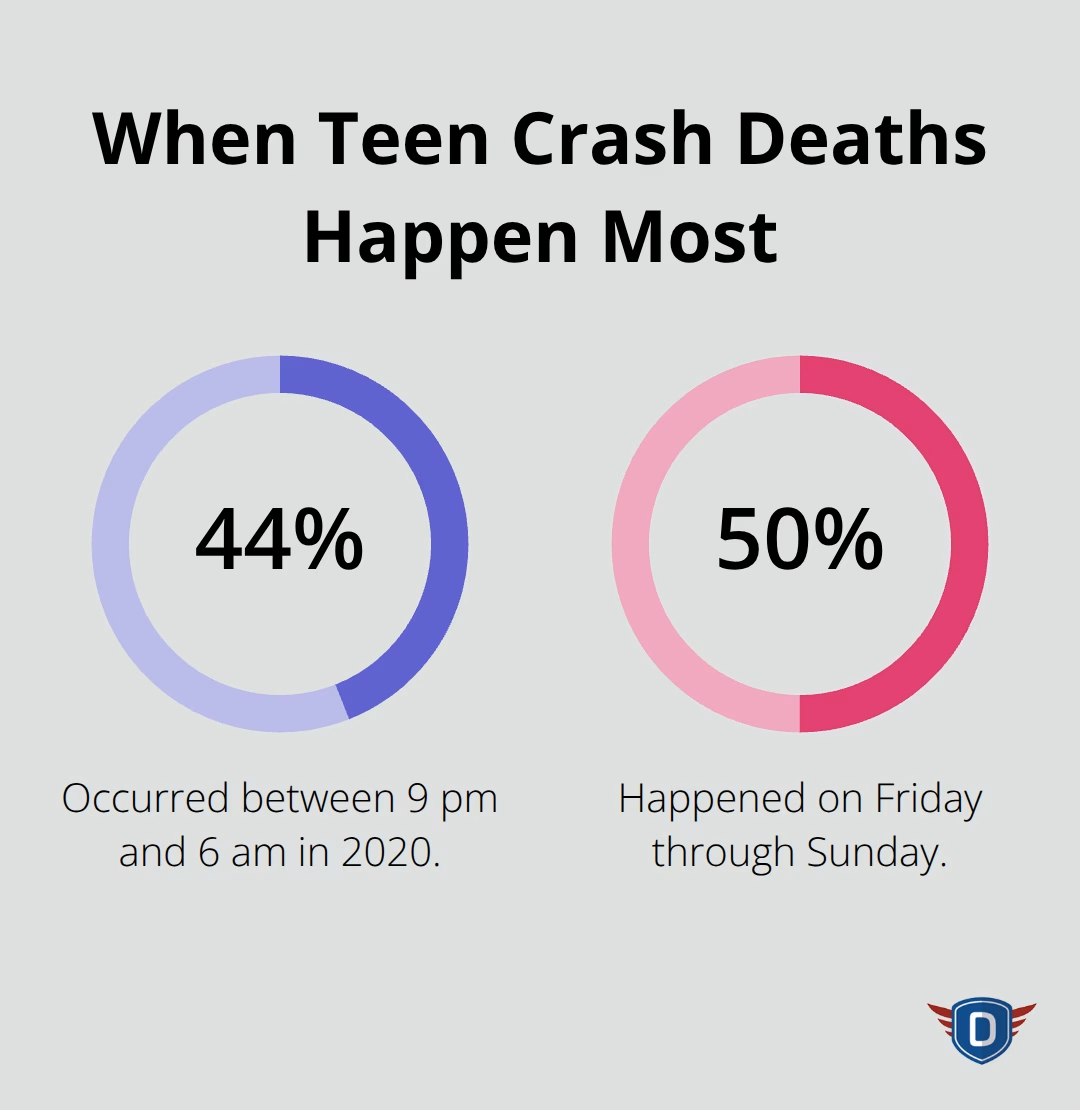
Nighttime driving amplifies danger significantly. The fatal crash rate for teens at night reaches about three times the adult rate per mile, with 44 percent of teen crash deaths occurring between 9 pm and 6 am in 2020 and 50 percent happening on Friday through Sunday. These numbers represent preventable deaths caused by specific, identifiable mistakes.
Three Critical Errors That Cause Teen Crashes
Research from the Children’s Hospital of Philadelphia identifies three critical errors that cause nearly half of serious teen crashes: lack of scanning, speeding, and distraction. Inexperience is the root cause-teens underestimate dangerous situations because they lack the judgment that comes only from extensive supervised practice.
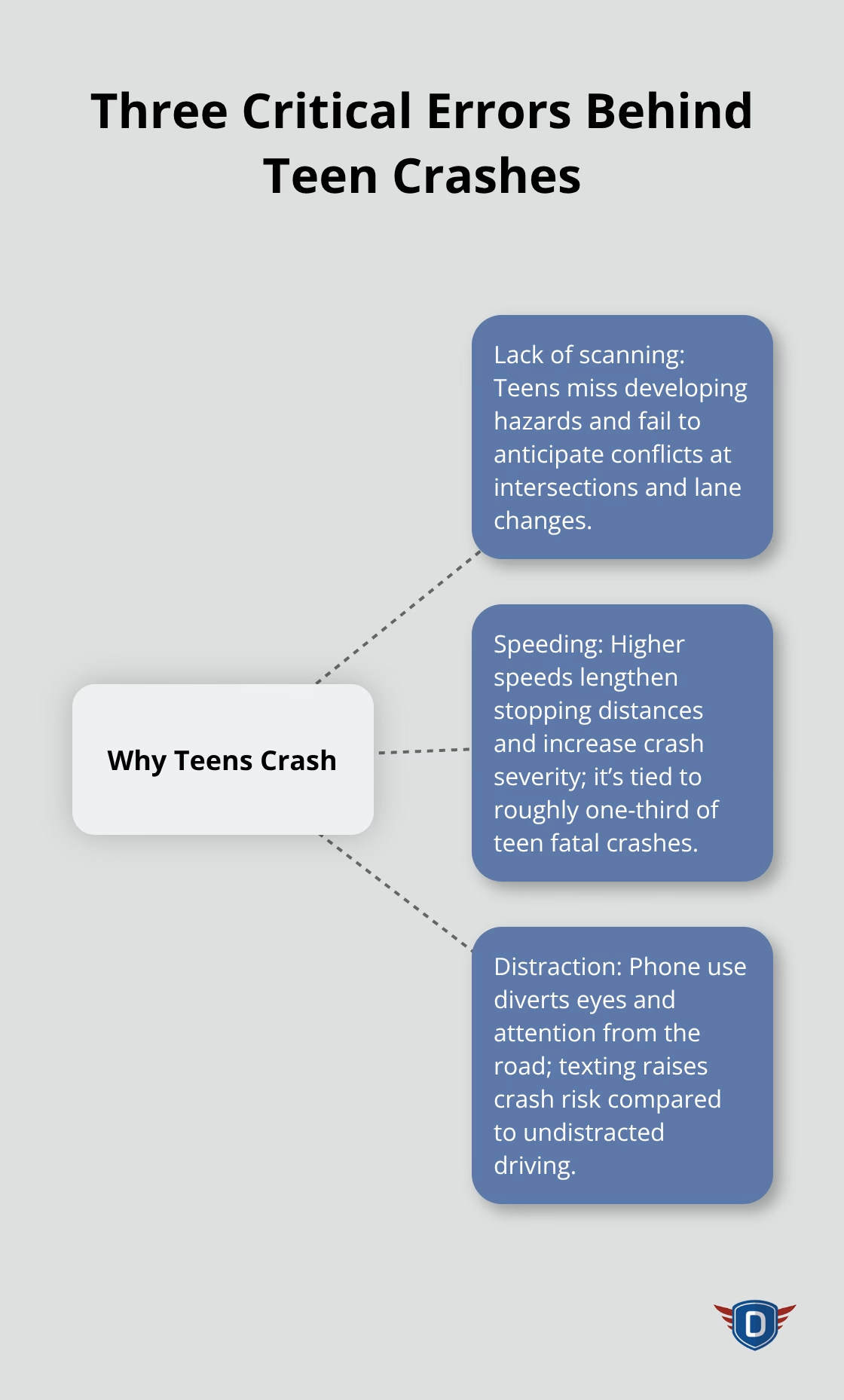
Speeding contributes to roughly one-third of teen fatal crashes, while texting while driving increases crash risk compared to undistracted driving.
Distractions plague teen drivers constantly. Thirty-nine percent of high school drivers who drove in the previous 30 days texted or emailed while driving at least once. Seat belt non-use remains a major killer; 56 percent of teen occupants killed in crashes were not wearing a seat belt, and when the teen driver was unbuckled, about 9 in 10 passengers were also unbuckled.
Passenger Presence and Substance Impairment
Passenger presence dramatically increases risk. With one teenage peer, teen drivers are 2.5 times more likely to engage in risky behaviors, and with multiple teen passengers, risk jumps to 3 times higher. This peer influence effect compounds the inexperience problem that already makes teen drivers vulnerable.
Alcohol and drugs create additional dangers. At all blood alcohol concentration levels, teens face greater crash risk than older drivers, while marijuana impairs judgment, coordination, decision-making, and reaction time. The combination of inexperience, poor judgment, and risky choices creates a dangerous recipe that statistics confirm kills teens every single day-and understanding these specific failure points shows exactly where training and practice can make the biggest difference.
Essential Safety Habits Every Teen Driver Should Practice
Eliminate Phone Distractions Completely
Distraction kills teen drivers, and the numbers are unforgiving. Thirty-nine percent of high school drivers texted or emailed while driving in the past 30 days, and dialing a phone increases crash risk by 6 times while texting increases crash risk by 23 times according to NHTSA data. The solution is absolute: your phone stays in your bag or the trunk during every drive. Not in your pocket, not on the seat, not anywhere you can reach it. Teens who eliminate phone access entirely report zero distractions from that source, and this single habit directly addresses one of the three critical errors that cause nearly half of serious teen crashes.
Control Speed and Maintain Safe Following Distance
Speeding contributes to roughly one-third of teen fatal crashes, and inadequate spacing behind other vehicles removes your escape route when danger appears. Maintain at least one car-length of distance for every 10 mph of speed you’re traveling-at 30 mph that’s three car-lengths, at 50 mph that’s five. This spacing gives you time to react to sudden stops or hazards. Speed control and proper following distance work together to prevent the rear-end collisions and loss-of-control crashes that dominate teen accident statistics.
Master Emotional Control Behind the Wheel
Aggressive driving behaviors kill teens, and peer passengers amplify this risk; with one teenage peer present, you’re 2.5 times more likely to make risky choices. When frustration builds behind the wheel, slow down and breathe. Aggressive honking, rapid lane changes, and tailgating are choices, not instincts, and every choice to stay calm is a choice to stay alive. Your emotional state directly influences whether you speed, follow too closely, or take unnecessary risks.
Practice These Habits Until They Become Automatic
These three habits work together because they target the root causes of teen crashes: lack of scanning, speeding, and distraction. Your instructor or parent should actively coach you on phone discipline, safe spacing, and emotional responses to traffic situations. Start in lower-traffic areas and gradually progress to busier roads and highways as these habits become automatic. The first months after you obtain your license carry the highest crash risk, so treat this period as your foundation-building phase. Inexperience doesn’t disappear overnight, but consistent practice with these three habits directly addresses why teens crash, and the data shows that teens who master distraction elimination, speed control, and emotional discipline significantly reduce their crash risk. Your next step is to understand how professional training and structured practice accelerate this skill development.
How Professional Training Transforms Teen Drivers
Identifying and Correcting Skill Gaps
Professional driving instruction addresses the exact skill gaps that cause teen crashes. Research from the Children’s Hospital of Philadelphia shows that most newly licensed teen drivers exit the learner’s permit period with significant skill deficits, meaning they carry elevated crash risk into independent driving. A professional instructor identifies these gaps immediately-poor mirror scanning, inadequate speed adjustment for curves, late braking decisions-and corrects them through targeted feedback. Unlike a parent who may normalize certain mistakes or lack formal training methodology, a certified instructor applies proven techniques to build competency systematically. The first months after licensure carry the highest crash risk, so investing in professional instruction during this critical window directly reduces your probability of becoming part of the statistics. An instructor also teaches you to recognize hazardous situations before they develop, addressing the lack of scanning that contributes to nearly half of serious teen crashes. This isn’t theoretical instruction; it’s hands-on correction of the specific behaviors that kill teen drivers.
Building Judgment Through Diverse Road Environments
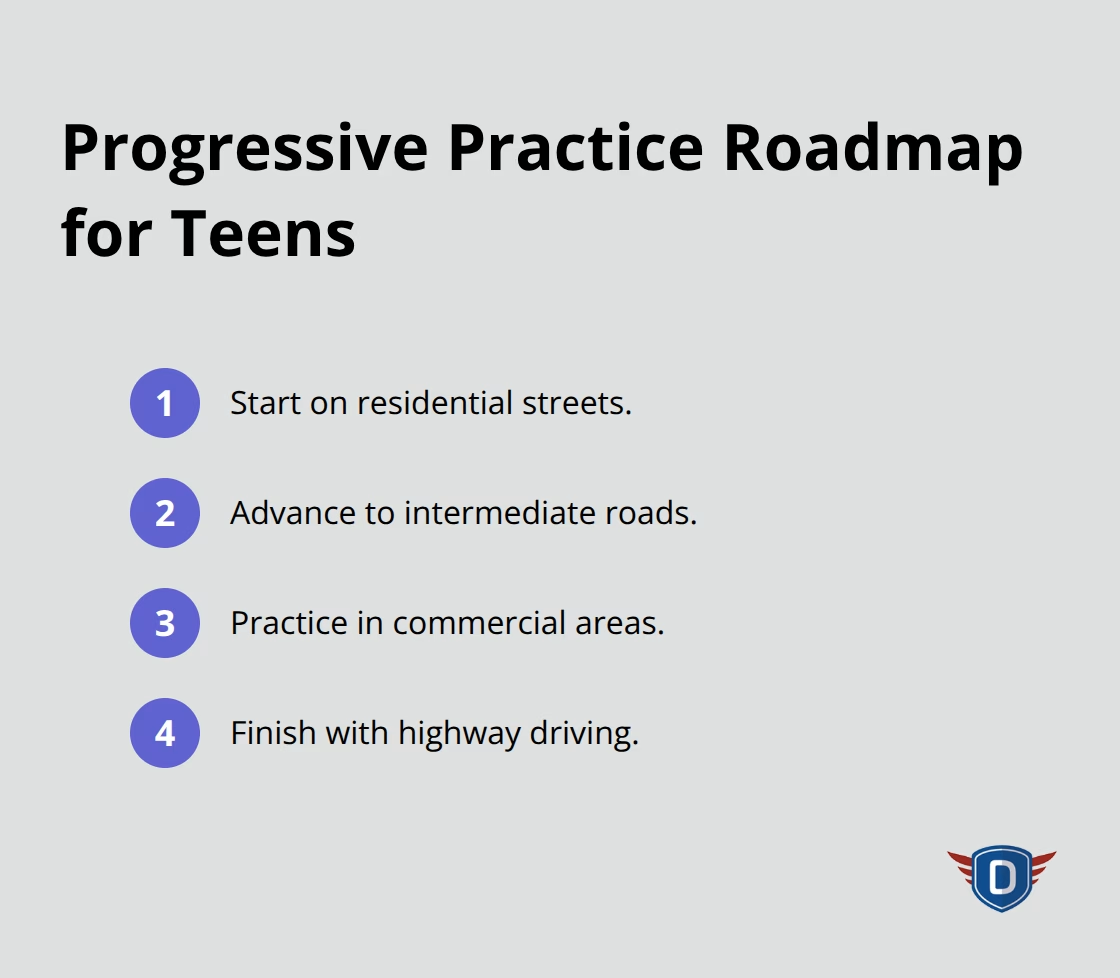
Progressive exposure to different road environments builds the judgment that inexperience denies you. Start with residential streets where traffic moves slowly and decisions happen at a measured pace, then advance to intermediate roads with moderate traffic density, then to commercial areas with pedestrians and traffic signals, and finally to highways where speed and spacing demand constant attention.
AAA recommends at least 50 hours of supervised practice including 10 hours at night, but the quality of those hours matters more than the quantity. Practicing the same safe route repeatedly teaches muscle memory but not judgment; practicing diverse road types teaches you to adapt. When you encounter a left turn at a busy intersection for the first time with an instructor beside you, you learn how to position the vehicle, judge oncoming traffic speed, and execute the maneuver under realistic pressure. When you practice the same left turn alone weeks later, that experience guides your decision-making.
The Power of Active Coaching During Practice
Supervised driving during this progression means your instructor or parent actively coaches you on speed choices, following distance, and emotional responses rather than passively observing. Research indicates that teens who receive structured progressive practice with active coaching reduce their crash risk substantially compared to teens who simply accumulate driving hours. The role of this supervised practice isn’t to make you comfortable-it’s to make you competent enough to survive the mistakes that inexperience guarantees you’ll make during your first independent months on the road.
Final Thoughts
Teen driving safety depends on three interconnected elements: understanding the specific risks that kill teen drivers, building habits that directly address those risks, and investing in professional instruction during the critical first months after licensure. The statistics are sobering-2,611 people died in crashes involving teen drivers aged 15–18 in 2023, with inexperience, distraction, and speeding driving nearly half of serious teen crashes. These numbers also reveal exactly where intervention works.
Teens who eliminate phone distractions, control speed, and maintain emotional discipline directly reduce their crash risk. Professional driver education programs accelerate this skill development because they identify and correct the specific gaps that newly licensed teens carry into independent driving. Research shows most teens exit their learner’s permit period with significant skill deficits, but structured instruction with progressive exposure to different road conditions transforms those deficits into competence (an instructor teaches you to recognize hazardous situations before they develop, addresses poor scanning habits, and corrects speed and spacing errors through real-time feedback).
We at DriverEducators.com provide comprehensive driver education programs designed specifically to help you master the driving safety tips for teens that keep you alive. Visit DriverEducators.com to explore programs that support your long-term safety and help you become the confident, competent driver Florida roads demand.