Becoming a certified driving instructor opens doors to a rewarding career in driver education. The right driver instructor training course sets the foundation for your success in this growing field.
At DriverEducators.com, we know that selecting quality training makes the difference between struggling and thriving as an instructor. This guide breaks down the key factors to consider when evaluating your options.
What Requirements Must You Meet?
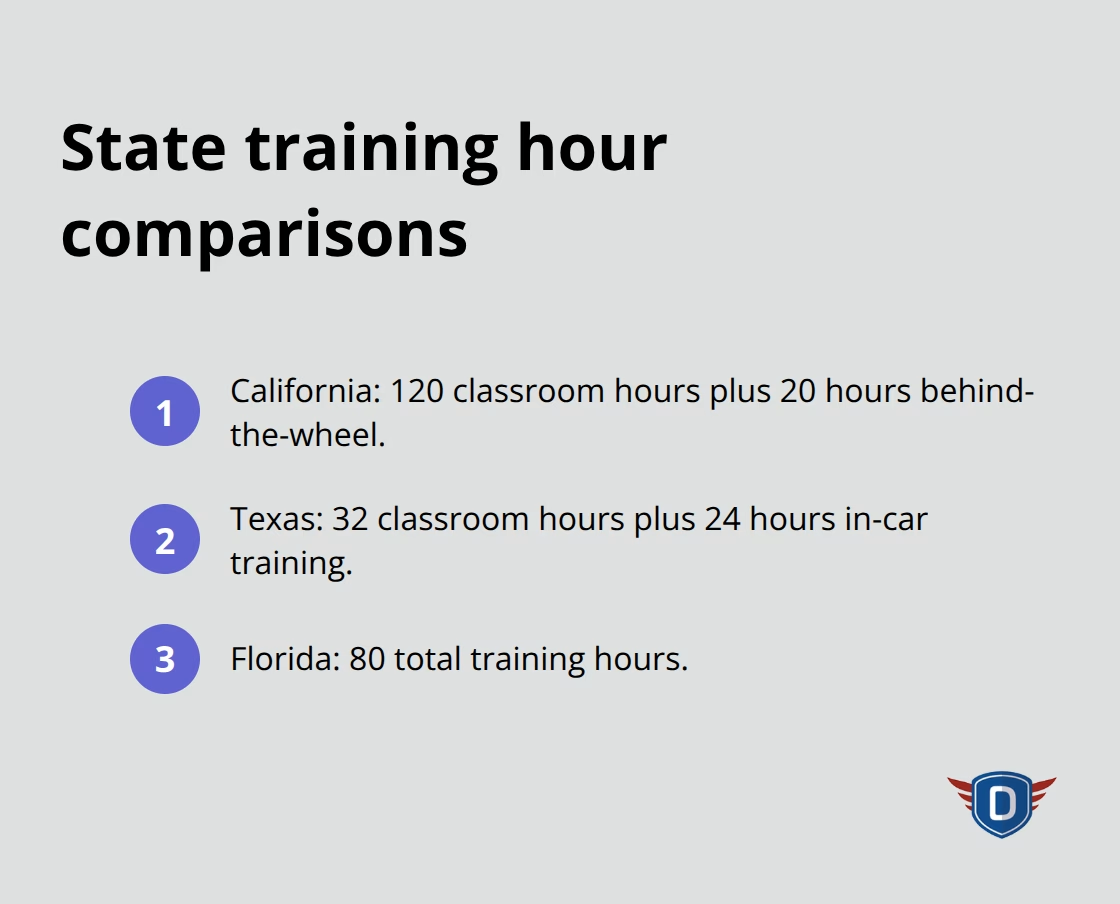
Driver instructor training requirements vary dramatically across states, with some states that demand as few as 32 hours of preparation while others require over 140 hours of comprehensive coursework. California mandates 120 hours of training plus 20 hours of behind-the-wheel instruction, while Texas requires only 32 classroom hours and 24 hours of in-car training.
Age and Background Standards
Most states set the minimum age at 21 for driver instructor certification, though Nevada allows 18-year-olds to begin training. Background checks are universal requirements, with states that typically disqualify candidates who have DUI convictions within the past five years or more than three moving violations in two years. Some states like New York conduct FBI fingerprint screenings, while others rely on state-level criminal history checks. The background review process takes 2-6 weeks in most jurisdictions, so start early. Physical and vision requirements also apply, with many states that require 20/40 vision or better with correction.
Training Components That Matter
Quality programs combine classroom theory with extensive behind-the-wheel practice, but the ratio matters significantly. Look for courses that offer at least 40% hands-on instruction rather than lecture-heavy formats. The best programs include student teaching components where you practice instruction techniques with real learner drivers under supervision. States like Michigan require specific modules on teen brain development and risk assessment, while others focus heavily on defensive techniques. Programs should cover modern vehicle technology (including backup cameras and collision avoidance systems) since these features appear in most training vehicles today.
Certification Timeline and Process
The certification process typically spans 4-12 weeks depending on your state’s requirements and course format. Full-time intensive programs compress training into 2-3 weeks, while part-time evening courses extend over several months. Most states require you to pass both written and practical examinations, with pass rates that range from 65-85% on first attempts. Some jurisdictions mandate additional road tests where you demonstrate actual instruction skills with state examiners (rather than just personal driving ability). Plan for potential retesting fees of $50-150 if you don’t pass initially.
Understanding these foundational requirements helps you identify programs that meet your state’s standards, but the quality and features of training programs vary just as widely as the basic requirements.
What Training Features Actually Matter?
The instructor-to-student ratio determines your learning quality more than any other factor. Programs with ratios that exceed 8:1 leave students without adequate attention, while the best schools maintain 4:1 or lower ratios during behind-the-wheel sessions. Research indicates that optimal class sizes for effective learning range from 20 to 30 students. Look for schools that guarantee individual attention during practical training phases rather than group observation sessions.
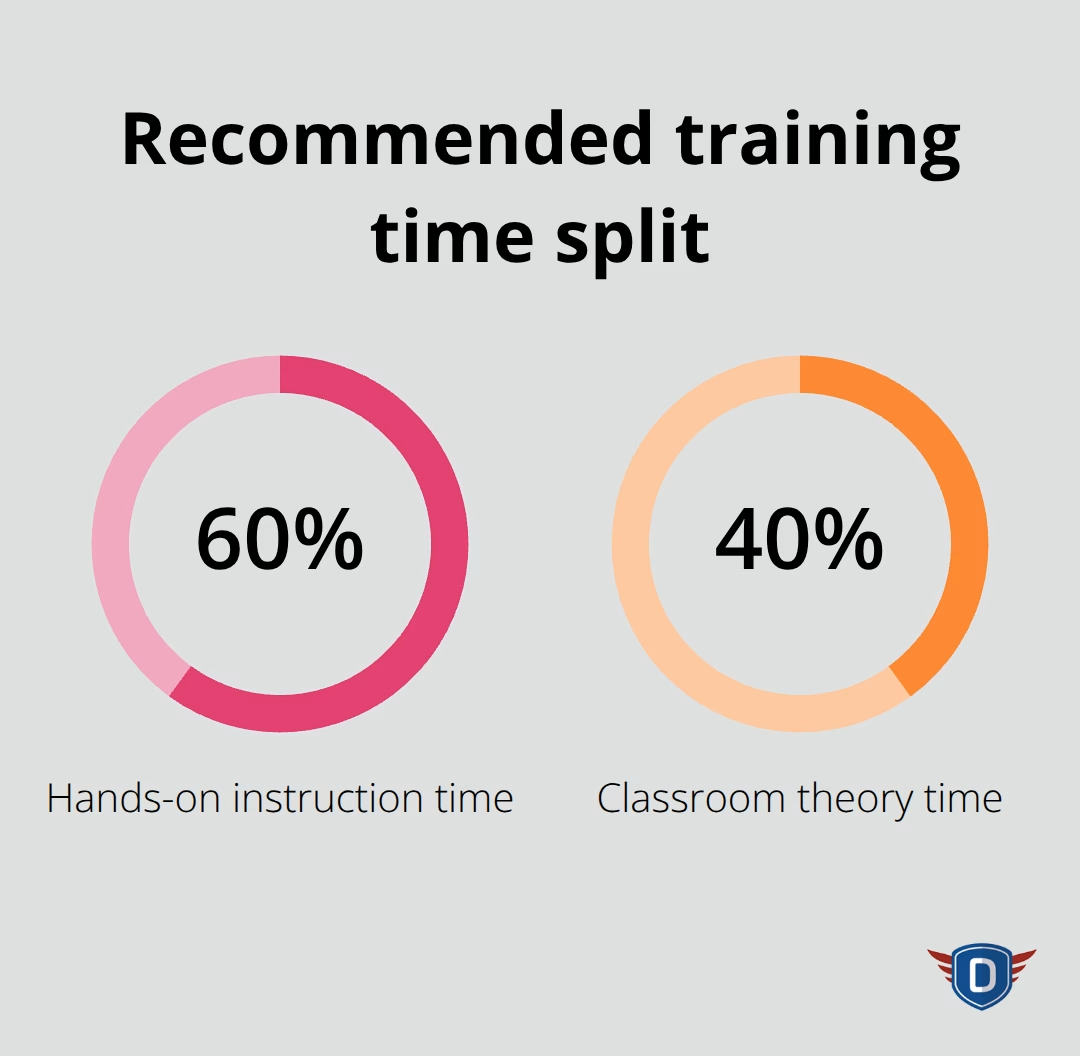
Programs should allocate at least 60% of training time to hands-on instruction, with the remaining 40% covering classroom theory. Schools that flip this ratio produce instructors who struggle with real-world teaching situations.
Staff Credentials That Count
Your training staff should hold current state instructor certifications plus at least three years of active teaching experience. The International Driving Research Association found that instructors trained by staff with 5+ years of experience show 31% better student outcomes in their first year. Avoid programs where staff members lack recent classroom experience or hold only administrative credentials.
Top programs employ instructors who actively teach student drivers alongside their training duties, which keeps their skills sharp. Staff should demonstrate expertise in modern vehicle technology, defensive driving techniques, and adult learning principles. Programs that rotate different specialists for specific modules (like hazard perception or traffic law) typically provide more comprehensive preparation than single-instructor formats.
Schedule Flexibility and Format Options
Weekend and evening programs accommodate working professionals, but intensive weekday formats often produce better retention rates. Research shows that trained groups accumulate significantly more licensed days compared to control groups over extended periods. However, part-time programs work better for career changers who need income continuity.
Online hybrid formats that combine virtual classroom sessions with in-person driving practice offer the best flexibility without sacrificing quality. Avoid purely online programs that lack substantial behind-the-wheel components, as they consistently underperform in state certification exams. Programs should offer makeup sessions for missed classes and flexible testing schedules to accommodate your timeline constraints.
Technology Integration and Modern Methods
Modern training programs incorporate simulation technology and digital learning platforms to enhance instruction quality. Programs that use driving simulators for hazard recognition training produce instructors who are 27% more effective at teaching defensive techniques (according to Transportation Research Board studies). Look for schools that provide access to online resources, video libraries, and mobile apps for continued learning.
The best programs also train instructors on current vehicle safety features like automatic emergency braking and lane departure warnings. These technologies appear in most student vehicles today, so instructors must understand how they work and affect driving behavior.
While program features matter significantly, the reputation and track record of training schools provide equally important insights into your potential success as a certified instructor.
How Do You Verify Training Program Quality?
State Approval and Accreditation Standards
State approval status serves as your first quality filter, but accreditation goes deeper. The Association for Driver Rehabilitation Specialists accredits only programs that meet rigorous standards, while state approval often represents minimum compliance. Programs accredited by the National Association of Driving Schools demonstrate adherence to industry best practices and ongoing quality monitoring. The Driving School Association of the Americas maintains a database of certified programs, but fewer than 30% of schools pursue this voluntary accreditation. Schools that invest in accreditation typically produce instructors with higher first-year retention rates compared to state-approved-only programs.
Success Rates Tell the Real Story
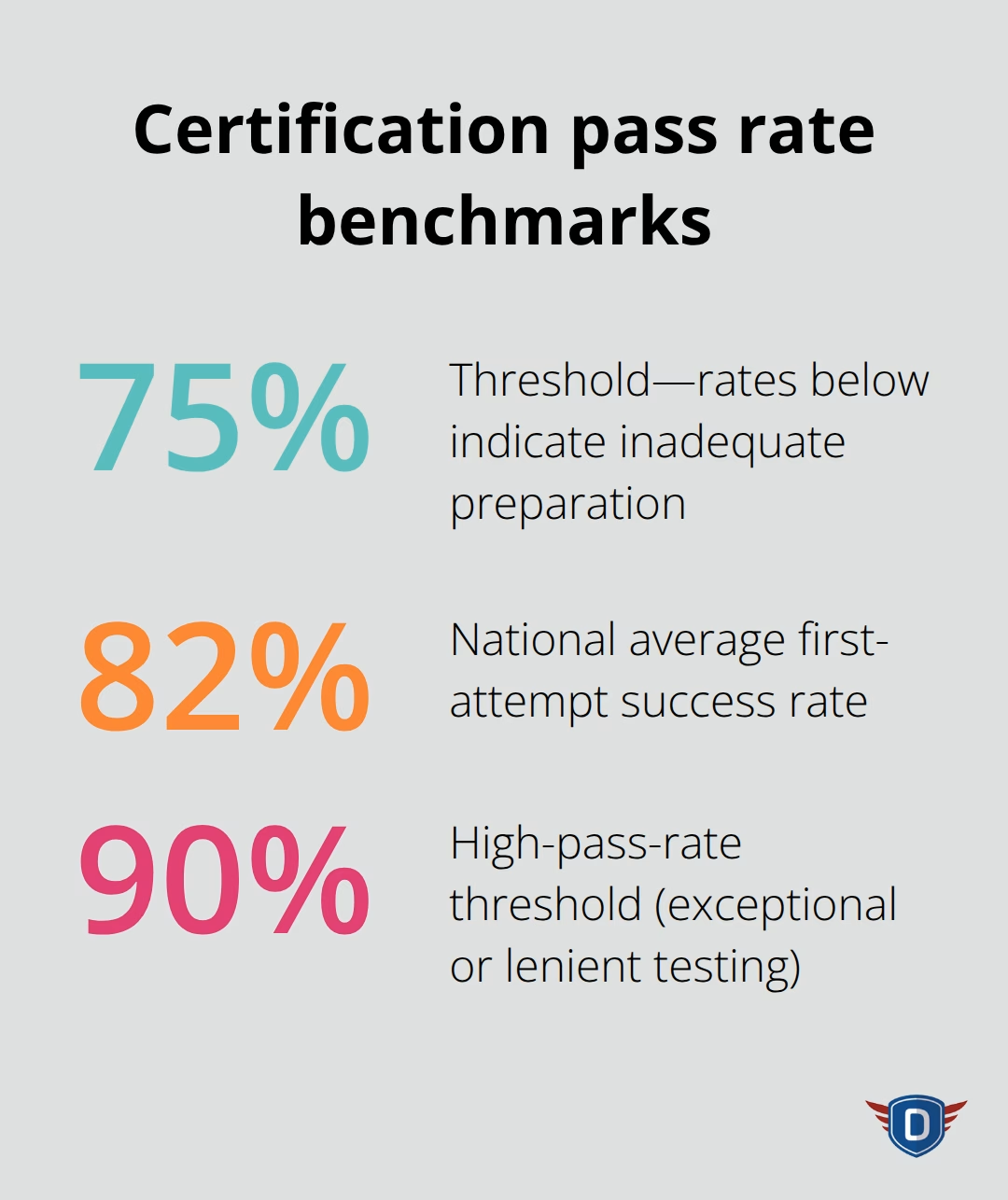
Pass rates below 75% indicate inadequate preparation, while rates above 90% suggest either exceptional training or lenient state testing. The national average for first-attempt certification success hovers around 82% (making this your benchmark).
Graduate Feedback Reveals Program Weaknesses
Recent graduate reviews on Google Business and state licensing boards provide unfiltered insights into program quality. Look for patterns in complaints rather than isolated negative experiences. Programs with consistent praise for hands-on instruction and job placement assistance typically deliver superior training. The Better Business Bureau maintains complaint records for driving schools, with top-rated programs averaging fewer than two complaints per 100 students. Social media groups for driving instructors offer honest discussions about training experiences, with graduates often sharing specific program recommendations. Schools that encourage graduate feedback and respond professionally to criticism demonstrate commitment to continuous improvement.
Final Thoughts
Your choice of driver instructor training course determines your career success and income potential. Programs with low instructor-to-student ratios, experienced staff, and strong pass rates produce better-prepared instructors. Quality training directly impacts your first-year earnings, with comprehensive program graduates earning 23% more than those from minimal-requirement schools.
State requirements provide the foundation, but program features and school reputation reveal true quality differences. Accreditation status and graduate feedback expose weaknesses that basic state approval cannot capture. Contact schools directly to discuss curriculum details, success rates, and schedule options before you commit.
Verify your state’s specific requirements and identify accredited programs in your area first. Request to observe a training session or speak with recent graduates (this gives you unfiltered insights into program quality). At DriverEducators.com, we understand the importance of comprehensive training programs that prepare instructors for real-world challenges. Your driver instructor training course choice shapes your entire career trajectory in driver education.