Choosing the right senior driver safety course can feel overwhelming with so many options available. At DriverEducators.com, we’ve helped thousands of mature drivers find programs that fit their needs and schedules.
This guide walks you through the key factors that separate quality courses from mediocre ones. You’ll learn what to look for in curriculum, instructors, and course formats-plus how completion can lower your insurance costs.
Understanding Your Senior Driver Safety Course Options
Types of Courses Available for Mature Drivers
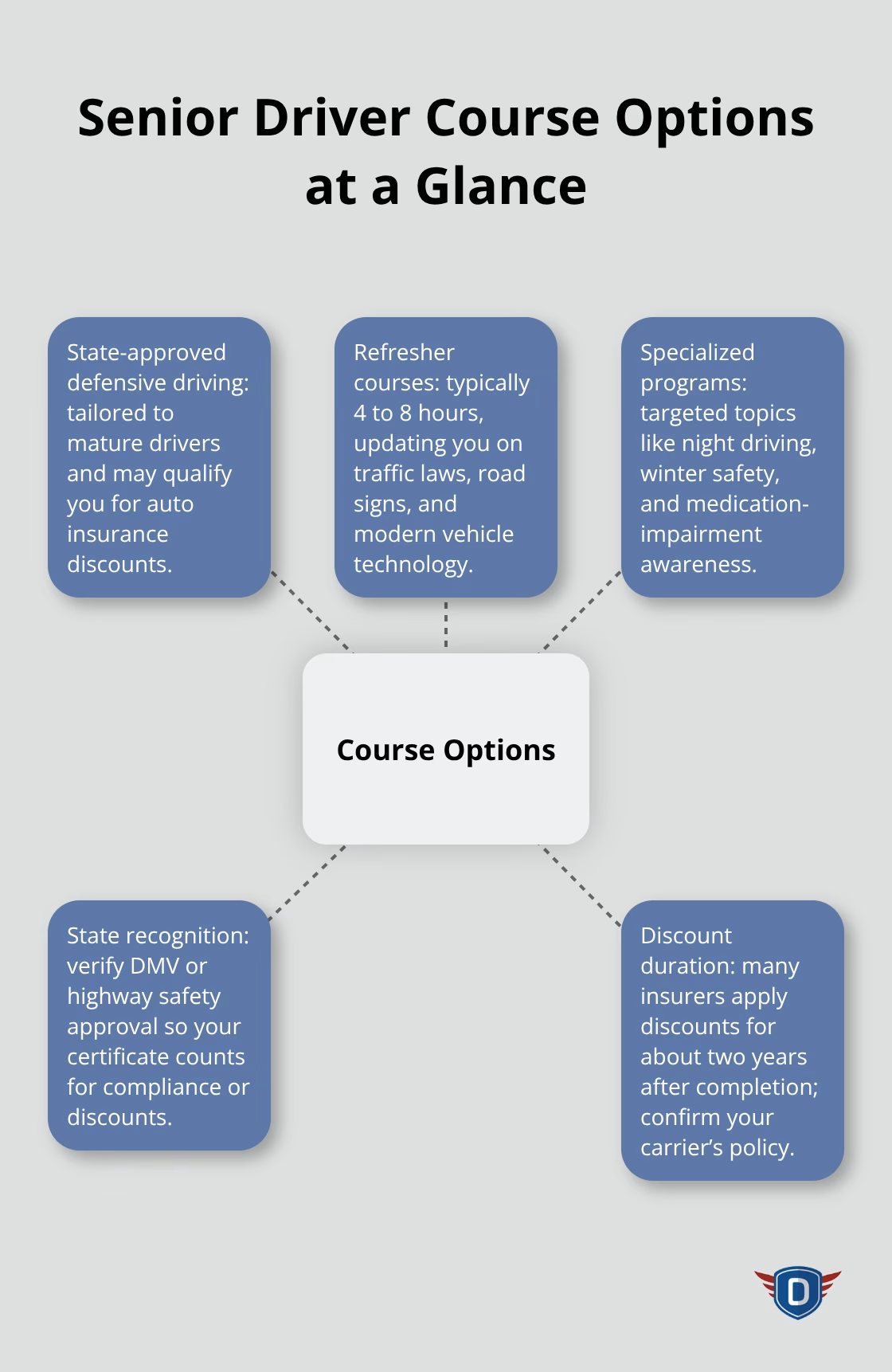
Senior driver safety courses fall into three main categories, and the differences matter more than you might think. First, state-approved defensive driving courses target mature drivers specifically. The AARP Smart Driver Course stands out here and focuses on evidence-based techniques tailored to how aging affects perception, reaction time, and physical capability. Upon completion, you may qualify for an auto insurance discount. Second, refresher courses keep your knowledge current with modern traffic laws and vehicle technology. These typically run 4 to 8 hours and cover updates on road signs, right-of-way rules, and how to handle roundabouts correctly according to Highway Code rules 184–190, which require proper mirror-signal-maneuver sequences and understanding priority to traffic on the roundabout’s right. Third, specialized programs address specific challenges-night driving workshops cover vision changes and headlight technology, winter driving safety, or medication-impairment awareness.
State-approved courses qualify you for insurance discounts, typically lasting about two years, while other programs focus purely on skill development. You’ll want to verify whether your state requires the course to be approved by your DMV or state highway safety authority.
Online vs In-Person Learning Formats
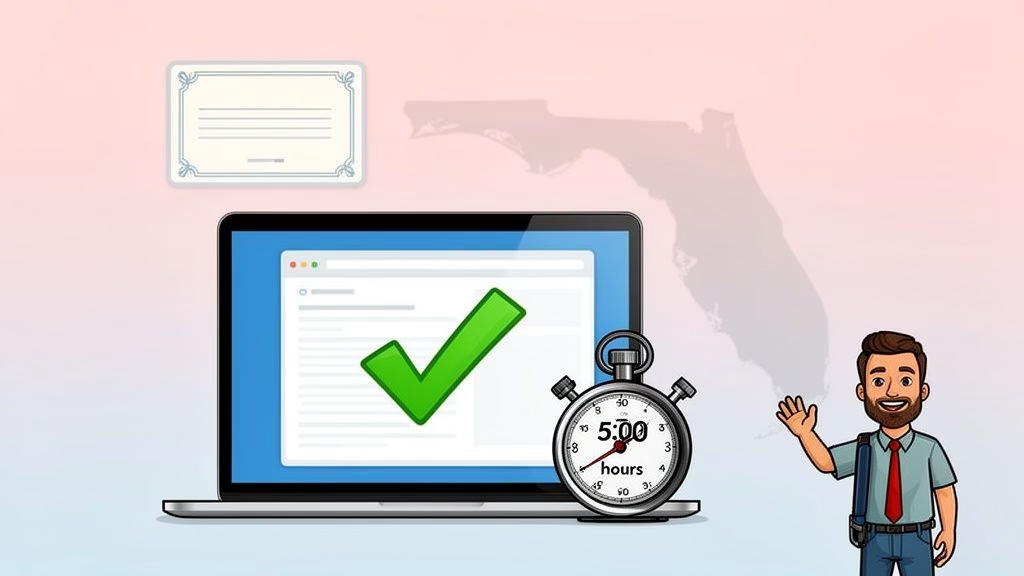
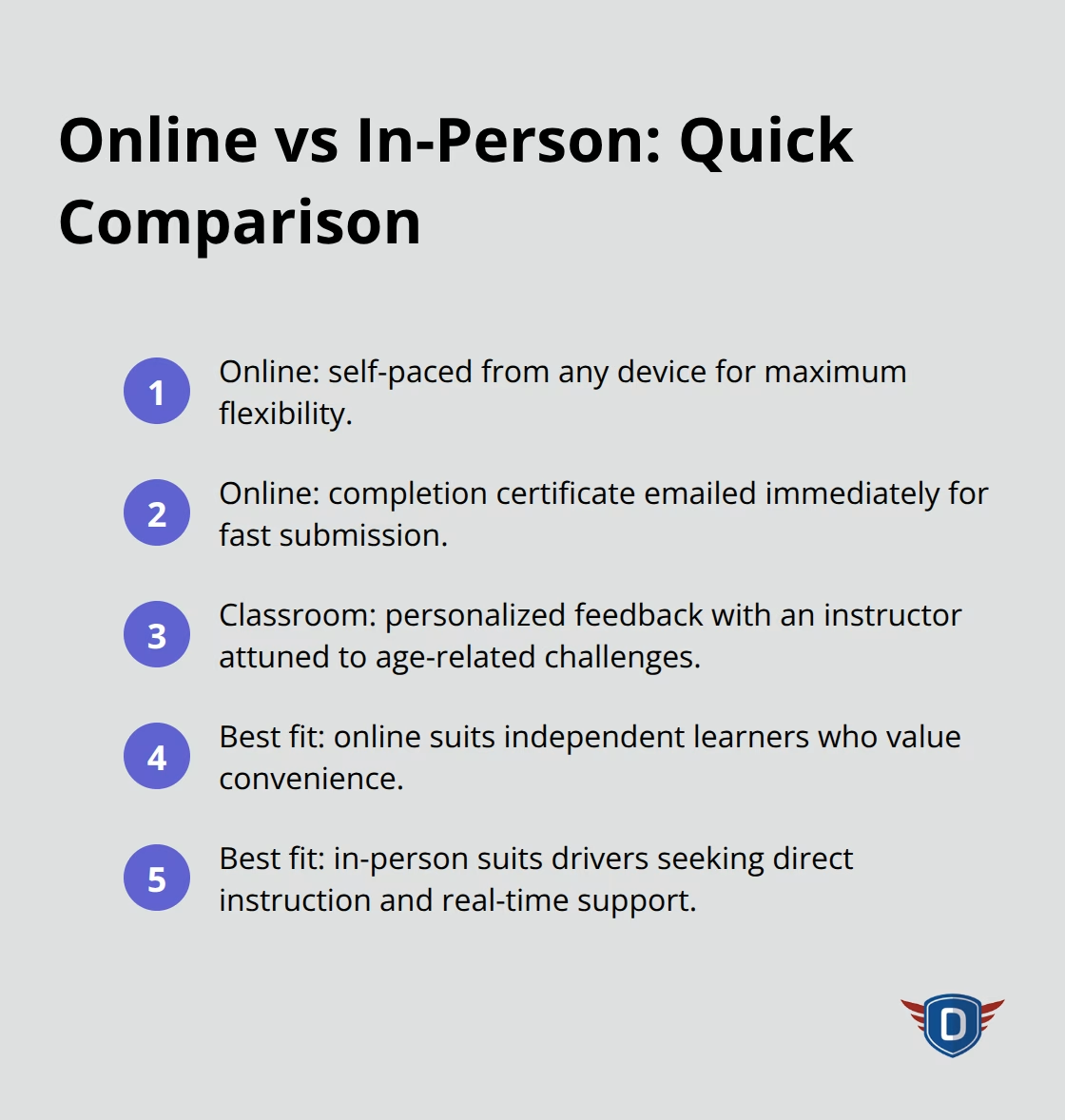
Online courses offer flexibility that appeals to most mature drivers-you control the pace, study from any device, and receive your completion certificate by email immediately after finishing. You can submit this certificate directly to insurers. Classroom instruction, however, provides personalized feedback and interaction with an instructor who understands age-related driving challenges. The trade-off is real: online suits independent learners who prefer convenience, while in-person works better if you value direct instruction and want to address specific concerns with someone present.
State requirements vary significantly. New York requires renewal every 3 years, while other states have different intervals. Some providers report that instructor quality in classroom settings varies considerably, with occasional negative attitudes toward older drivers, so you should choose programs from established organizations with strong reputations.
Accreditation and State Approval Requirements
Check whether your insurer recognizes the course and what discount percentage they offer before you enroll. Most importantly, verify accreditation through your state DMV or highway safety department; a course certificate means nothing if your state doesn’t recognize it for compliance or insurance purposes. At DriverEducators.com, we offer a Mature Driver Course-a 6-hour refresher designed for drivers aged 55 and up that helps you maintain insurance discounts while staying current with safety practices.
The next section covers what separates quality courses from mediocre ones, starting with the curriculum features that actually protect you on the road.
What Makes a Senior Driver Safety Course Actually Worth Your Time
Curriculum That Addresses Real Senior Driving Challenges
The curriculum you choose determines whether you’ll walk away with outdated advice or practical techniques that work on today’s roads. Quality courses address the specific challenges mature drivers face, not generic driving theory that applies to everyone equally. Look for programs covering medication effects on driving, since many seniors take multiple prescriptions that can impair reaction time and concentration. The course should explain how to recognize when a medication affects your ability to drive safely and when to consult your doctor or pharmacist before getting behind the wheel.
Vision changes deserve detailed instruction-not just mentioning they happen, but teaching you how to compensate with adjustments like maintaining longer following distances at night, keeping windscreens clean, and ensuring all lights function properly. Roundabout navigation requires specific instruction too, since Highway Code rules 184–190 outline the mirror-signal-maneuver sequence and right-of-way priorities that many drivers misunderstand. The curriculum should walk through left-turn techniques, proper seatbelt use with airbag safety, and how modern vehicle technology like autonomous emergency braking and lane assist actually works.
Instructor Quality and Teaching Approach
Instructor quality matters far more than format alone, and this is where you need to be direct about expectations. If you choose an in-person classroom, ask whether the instructor has formal training in senior driver education and how long they’ve worked with mature drivers. Some classroom providers employ instructors with negative attitudes toward older drivers, which wastes your time and money-avoid programs where this is a pattern. An experienced instructor tailors explanations to your needs rather than treating all drivers as one group.
Flexibility, Pacing, and Technical Accessibility
Flexibility in pacing and device compatibility reveals how seriously a provider takes your learning. Online courses should work on smartphones, tablets, and computers without forcing you to download special software or use outdated browsers. Self-paced means you control the speed, but reputable providers still set reasonable completion windows-typically 30 to 60 days-to keep you accountable. Avoid courses that let you stretch completion across months, since you’ll forget material between sessions.
Check whether the provider issues your completion certificate immediately upon finishing or makes you wait days for manual verification. If you’re pursuing an insurance discount, speed matters because most insurers require you to submit proof promptly.
State Approval and Insurance Recognition
State approval is non-negotiable: verify through your state’s DMV or highway safety authority that the course qualifies for compliance or insurance purposes in your jurisdiction, since recognition varies significantly by state. Check whether your insurer recognizes the course and what discount percentage they offer before you enroll. A course certificate means nothing if your state doesn’t recognize it for compliance or insurance purposes. Most insurers offer discounts lasting about two years after completion, but requirements differ by location and carrier. The next section covers how course completion translates into actual savings and what legal requirements apply in your state.
Insurance Discounts and Legal Requirements
How Course Completion Reduces Your Premiums
Completing a senior driver safety course directly reduces your auto insurance premiums, but the mechanics matter more than marketing promises suggest. Most insurers offer insurance discounts for senior drivers lasting approximately two years after you submit your completion certificate, though the exact percentage varies by carrier and state. Some insurers apply a 0.97 discount indicator, which translates to meaningful savings over that two-year period. The key is timing: submit your certificate immediately after finishing the course. Delays of even a few weeks push your discount start date back, costing you money.
Contact your insurance agent before you enroll to confirm three specifics: whether they recognize the course you’re considering, what discount percentage they offer, and whether they require the certificate in a particular format. Some insurers accept only official certificates issued by state-approved providers, while others accept digital copies submitted online.
State-Specific Requirements and Renewal Cycles
Your state’s specific requirements determine whether course completion is optional for discounts or mandatory for compliance. New York requires drivers to renew their safety course every three years to maintain eligibility for continued discounts, meaning a single course does not protect you indefinitely. Other states have different renewal windows, so verify your state’s DMV requirements before you assume your discount lasts two years.
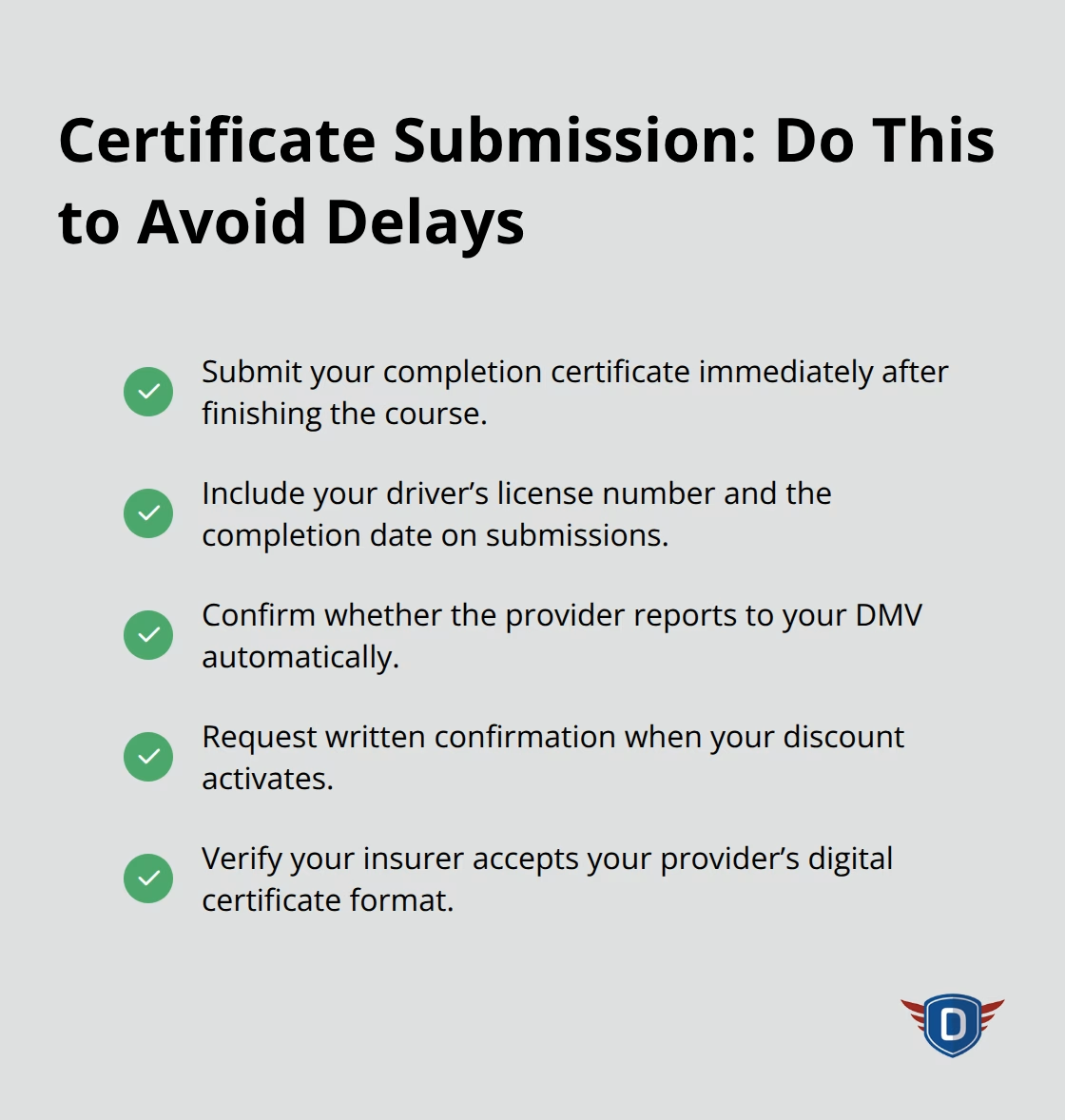
When you submit your certificate to authorities or your insurer, include your driver’s license number and the course completion date to avoid processing delays. Some insurers process certificates manually, which can take five to ten business days, while others integrate digital submissions that update your account within 24 hours.
Certificate Submission and Processing
Request written confirmation once your discount activates, since billing errors happen frequently and catching them early prevents overpayment. If your state requires DMV reporting, confirm whether the course provider handles this automatically or whether you must submit documentation yourself. Many providers issue completion certificates electronically, which you can forward to your insurer within minutes of finishing (this speeds up your discount activation considerably). The format of your certificate matters: verify that your insurer accepts the digital version your provider issues rather than requesting a printed copy mailed to you.
Final Thoughts
Selecting the right senior driver safety course comes down to three non-negotiable factors: state approval, curriculum quality, and instructor credibility. Before you enroll, verify that your state recognizes the course for compliance or insurance purposes, confirm your insurer offers a discount for completion, and check whether the program addresses real challenges mature drivers face-medication effects, vision changes, roundabout navigation, and modern vehicle technology. Most insurers offer discounts lasting about two years, so plan to renew your training before that window closes.
Submit your completion certificate to your insurer immediately after finishing to activate your discount without delay. If your state requires renewal every three years, mark your calendar now so you don’t miss the deadline and lose eligibility. Beyond the insurance savings, continued driver education protects you and your loved ones on the road by teaching you to recognize when medications affect your driving, how to adjust for vision changes, and when modern safety features like autonomous emergency braking actually activate.
At DriverEducators.com, we offer a Mature Driver Course designed specifically for drivers aged 55 and up that covers Florida traffic laws, defensive driving techniques, and safe following distances while helping you maintain insurance discounts. Our 6-hour program is fully online, self-paced, and available on any device, with your certificate issued electronically upon completion. Visit DriverEducators.com to enroll today and take control of your driving safety.