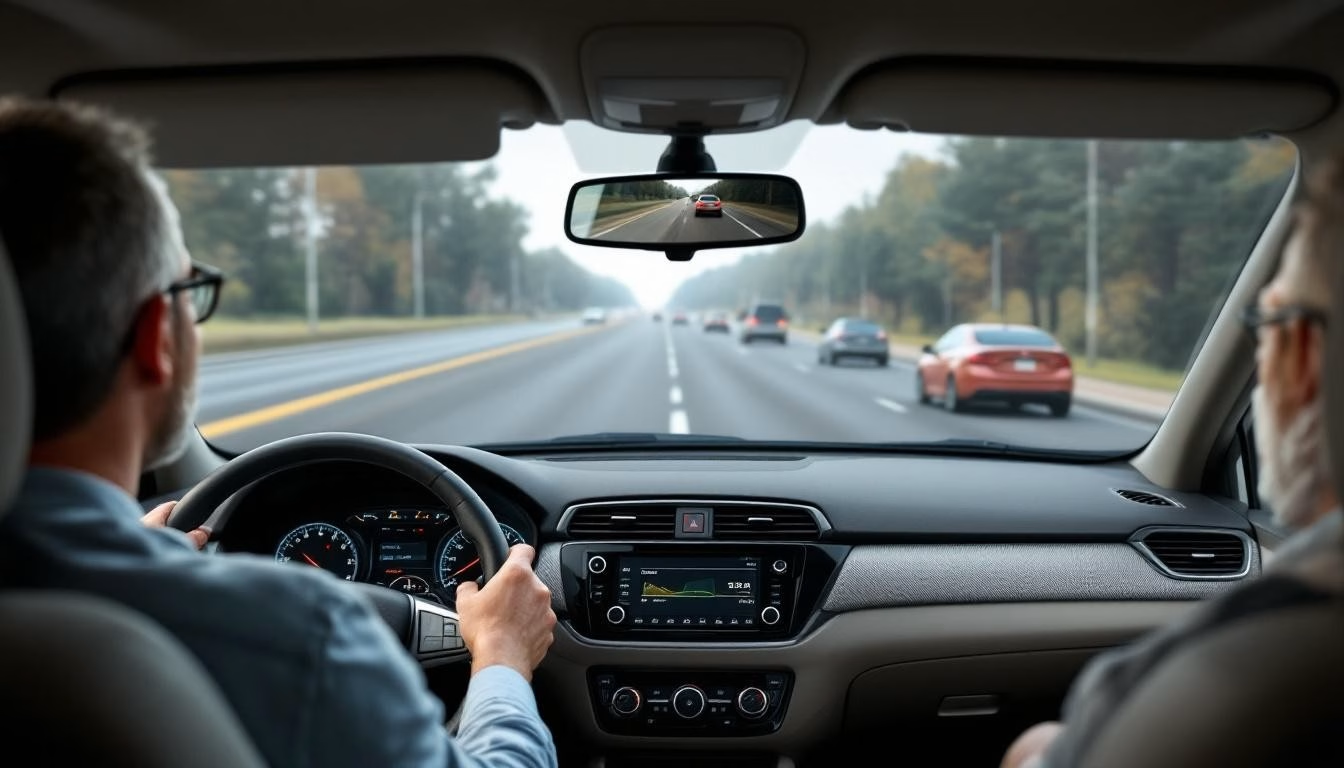
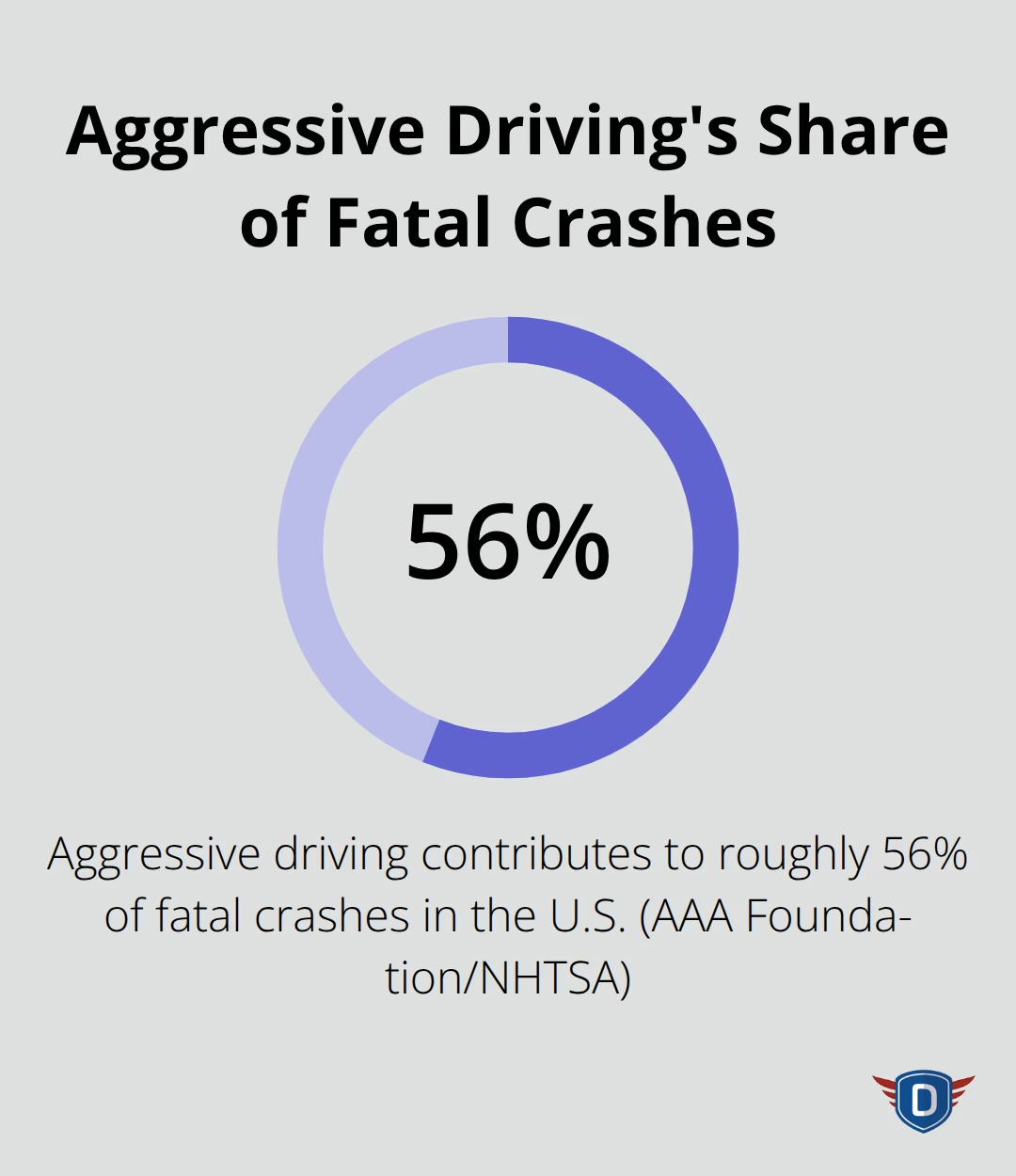
Road rage is costing American drivers billions in accidents, injuries, and legal fees each year. The National Highway Traffic Safety Administration reports that aggressive driving contributes to roughly 56% of fatal crashes, making road rage prevention a serious safety issue.
At DriverEducators.com, we’ve seen firsthand how emotional control behind the wheel transforms drivers into safer, calmer versions of themselves. This guide walks you through proven techniques to manage anger on the road and protect yourself when facing aggressive drivers.
What Triggers Road Rage and How Often It Happens
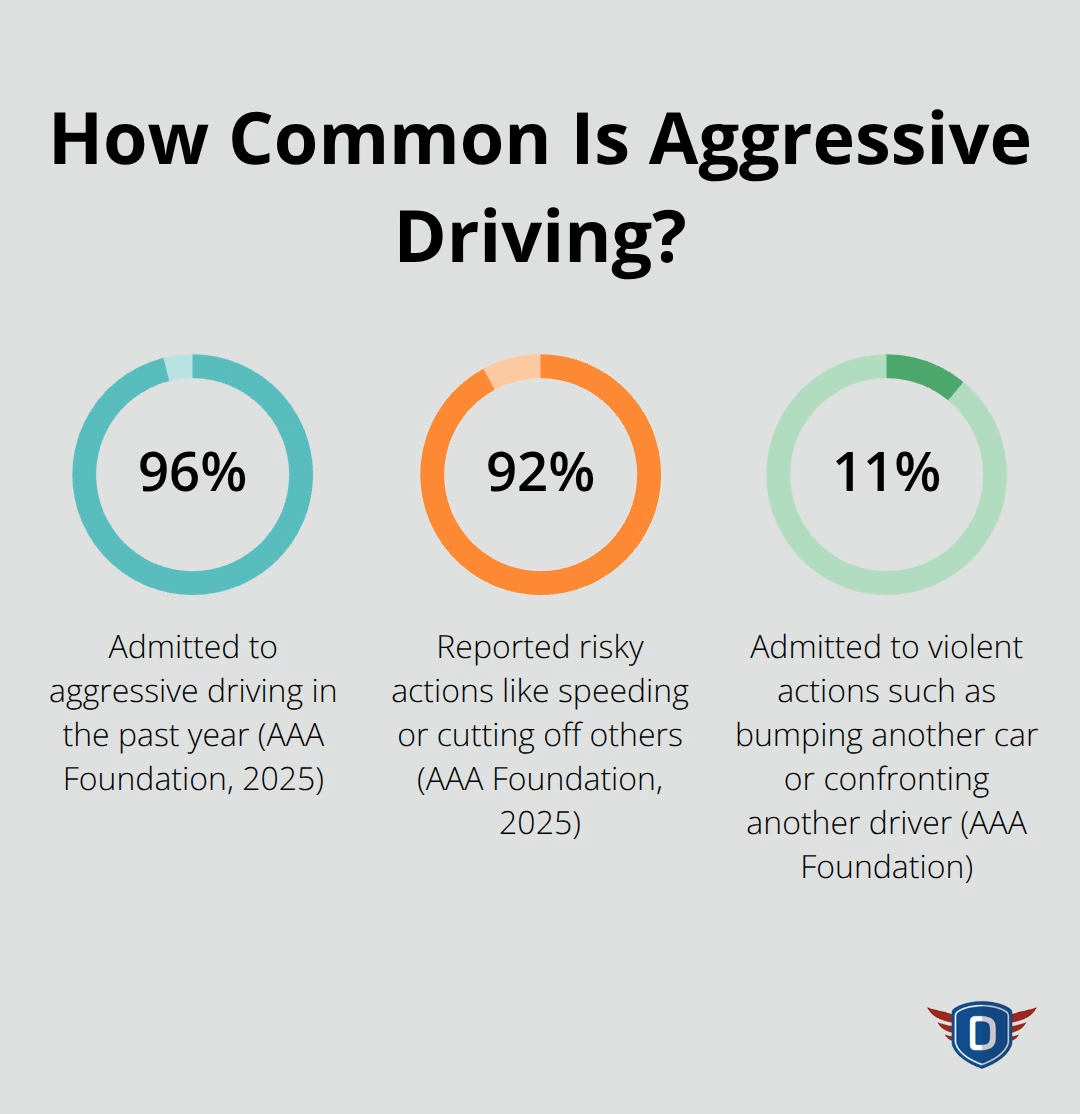
Nearly all drivers experience aggressive impulses on the road. According to AAA Foundation for Traffic Safety research from 2025, 96% of drivers admitted to engaging in aggressive driving behaviors over the past year, and 92% reported actions that put other road users at risk, such as speeding or cutting off others. This isn’t a rare problem affecting a small subset of bad drivers-it’s a widespread cultural issue affecting nearly every person behind the wheel.
Common Triggers That Spark Aggressive Behavior
The triggers are predictable and avoidable if you understand what sets drivers off. Heavy traffic and delays top the list of aggravation sources, but running late amplifies impatience significantly. When you’re already stressed about being late, minor inconveniences become major frustrations. Distracted or careless drivers who text, fail to signal, or merge without checking mirrors escalate tension rapidly. The anonymity of sitting inside a car creates a false sense of accountability, making drivers behave in ways they never would face-to-face. A single perceived slight-someone cutting you off or tailgating-can spiral into road rage if you take it personally instead of recognizing that most drivers aren’t thinking about you at all.
How Anger Floods Your Body and Impairs Your Driving
Road rage floods your body with stress hormones that impair judgment and slow reaction time exactly when you need both most. Your heart rate spikes, your vision narrows, and rational thinking takes a back seat to emotional reaction. This physiological state makes you more likely to speed, tailgate, or make risky lane changes-behaviors that crash statistics directly connect to fatal accidents. According to the AAA Foundation data, aggressive driving contributes to roughly 56% of fatal crashes, a staggering proportion that shows how dangerous these behaviors truly are.
The Ripple Effect of Stress Beyond Your Commute
The physical effects don’t stop when you arrive at your destination either; prolonged stress while driving carries over into your day, affecting your work performance and relationships. Worse, aggressive driving is contagious-drivers exposed to higher levels of aggression are more likely to drive aggressively themselves, creating a cycle of escalation on the road. Breaking this cycle requires understanding that your emotional state directly controls your safety risk. The fastest commute means nothing if you arrive injured or worse. Understanding these triggers and their consequences sets the stage for learning the practical techniques that actually work to keep you calm and in control.
How to Calm Your Mind and Body While Driving
Reset Your Nervous System With Controlled Breathing
The stress hormones flooding your system during road rage demand an immediate physical response, not willpower alone. Box breathing works because it directly resets your nervous system: inhale through your nose for four seconds, hold for four seconds, exhale through your mouth for four seconds, then hold for four seconds. This pattern interrupts the fight-or-flight response that makes you want to honk, speed, or tailgate. Practice this technique during calm drives so your body recognizes it as a reset signal when tension rises. Most drivers never try this because it feels too simple, but the science is straightforward-controlled breathing supports greater parasympathetic tone, which can counterbalance the high sympathetic activity intrinsic to stress and anxiety. Start using it the moment you feel frustration building, not after you’ve already made a dangerous decision.
Shape Your Driving Environment to Reduce Anger
Your environment inside the car either amplifies or dampens anger, and most drivers ignore this entirely. The music, podcasts, or silence surrounding you directly influences your emotional state. Replace aggressive or fast-paced music with instrumental playlists, podcasts about topics you find genuinely interesting, or audiobooks that demand your mental attention. This shifts your brain away from fixating on other drivers’ mistakes. Plan your route the night before and build a time cushion of ten to fifteen minutes-arriving late guarantees stress, while leaving early eliminates the rush that makes every delay feel catastrophic. Most drivers refuse to leave earlier because they think they can handle the pressure, but the data shows that running late amplifies impatience and escalates aggressive behavior.
Reframe How You Interpret Other Drivers’ Actions
Your mindset matters more than your skill: accept that you cannot control traffic, other drivers, or delays, only your response to them. When someone cuts you off or tailgates, mentally acknowledge that reframe how you interpret other drivers’ actions through the lens of their own circumstances rather than personal intent. This simple reframe prevents you from taking their actions personally, which is the psychological trigger that turns minor frustrations into rage. The fastest commute means nothing if stress from it ruins your day or causes a crash. Most drivers operate on autopilot without thinking about the vehicles around them-their mistake has nothing to do with you. Shifting from “they disrespected me” to “they didn’t see me” transforms your emotional reaction entirely. This mental shift takes practice, but it directly reduces the anger that clouds your judgment and makes dangerous driving choices feel justified.
Build Habits That Protect Your Safety and Composure
These techniques compound over time when you practice them consistently. Start with box breathing on your next drive, even if traffic feels calm. Add a new playlist or podcast that genuinely interests you, not one you tolerate. Leave five minutes earlier than you normally would and notice how differently you feel when you arrive. Small daily habits reshape how your nervous system responds to stress behind the wheel, turning reactive anger into controlled responses. The goal isn’t to eliminate frustration entirely-that’s unrealistic-but to interrupt the escalation cycle before it controls your decisions.
When you’ve built these habits into your routine, you’re ready to face the real test: what happens when you encounter a driver who’s already lost control.
Facing an Aggressive Driver Without Making It Worse
Control Your Response, Not Their Behavior
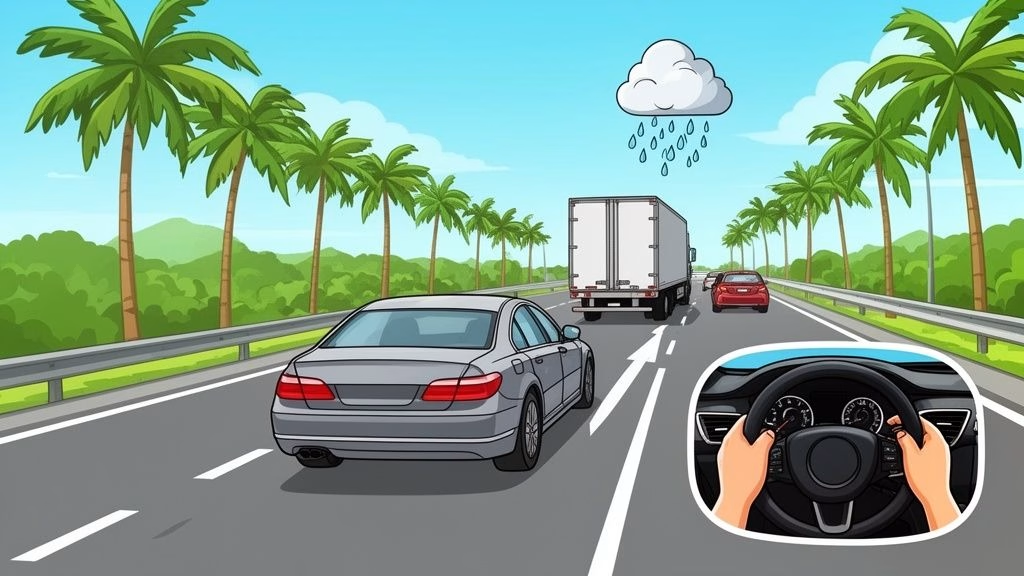
When you encounter an aggressive driver, your instinct might be to match their energy or defend yourself, but that reaction guarantees escalation. The moment another driver honks excessively, tailgates, or makes a rude gesture, you control only one thing: your response. According to the AAA Foundation, 11% of drivers admitted to violent actions like intentionally bumping another car or confronting another driver, showing that escalation happens fast when both parties engage. Your goal is to become invisible to them and create space between your vehicle and theirs.
The Actions That Defuse Tension
Do not make eye contact, do not honk back, do not speed up to prevent them from passing, and do not return any hand gestures. These actions feel justified when someone disrespects you, but they transform a minor frustration into a genuine threat. If an aggressive driver tries to pass, let them.
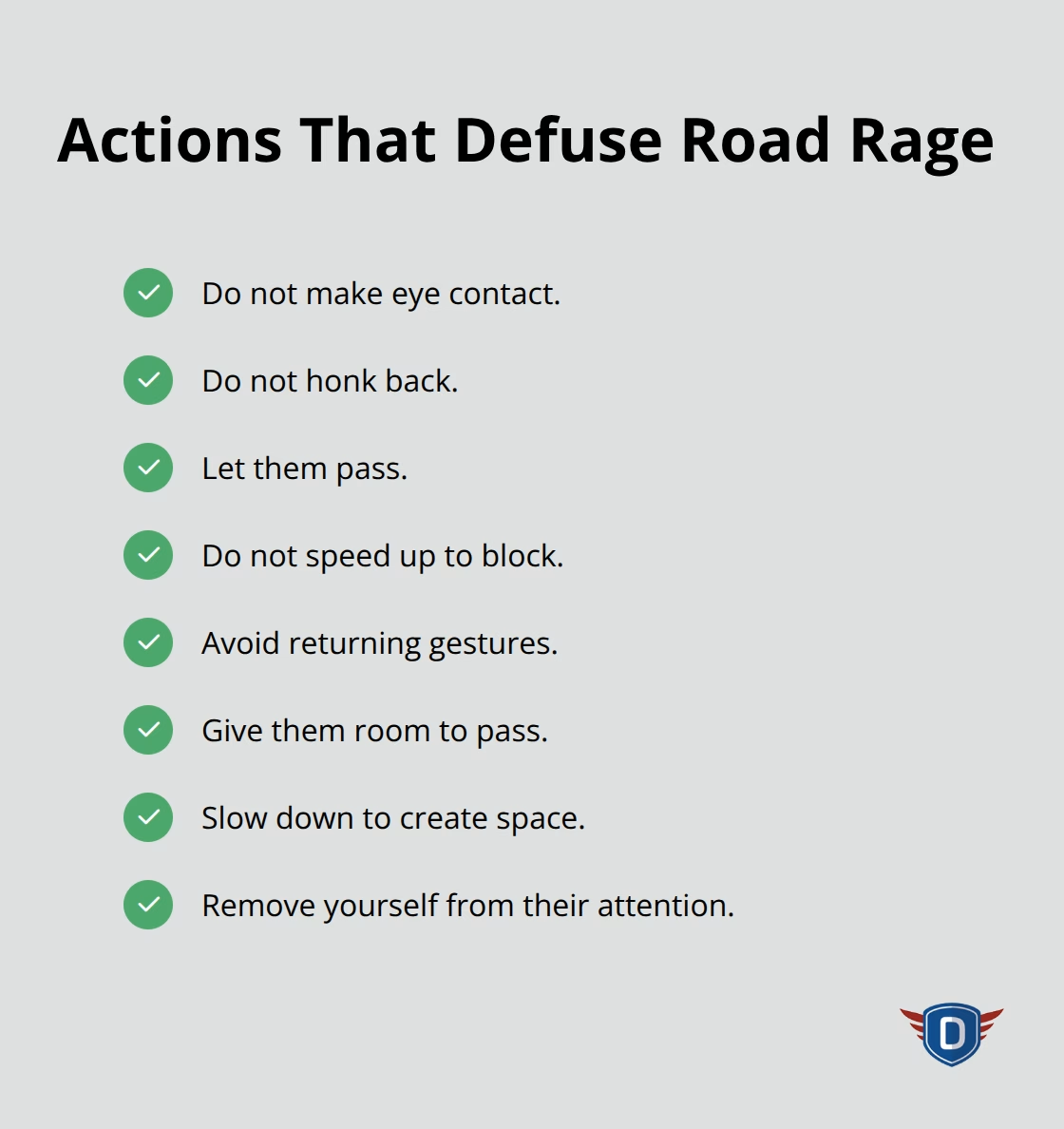
If they cut you off, tap your horn briefly if necessary for safety, but avoid long blasts that provoke further aggression. The fastest route to safety is removing yourself from their attention entirely. Give them room to pass, slow down if needed, and let your composure be your protection. Most aggressive drivers are looking for a reaction, and your refusal to provide one defuses the situation faster than any confrontation could.
When Aggression Becomes a Safety Threat
When aggression turns into genuine danger, your safety overrides any other consideration. If a driver follows you, rams your vehicle, or forces you off the road, do not drive home where they now know your location. Drive directly to a police station, hospital, fire station, or any public place with witnesses and security. Stay in your locked vehicle, use your horn to attract attention if someone approaches aggressively, and call 911 immediately. The AAA Foundation emphasizes that your safety comes first, and de-escalation only applies when you can safely create distance.
Reporting Dangerous Drivers
If you witness dangerous driving that puts others at risk, you can report it to local law enforcement with specific details like the vehicle description, license plate, location, and time (though police respond to immediate threats first). Some areas have non-emergency lines for reporting reckless drivers who aren’t currently endangering lives. Do not pursue or follow an aggressive driver to gather information; that puts you in danger and makes you complicit in escalation. Your responsibility ends at creating safety for yourself and your passengers.
Professional Help for Chronic Aggressive Driving
If you drive frequently or have experienced road rage incidents, consider taking a defensive driving course. These courses emphasize responsibility, emotional control, and the difference between road rage and aggressive driving, with expert guidance and proven strategies for drivers with patterns of aggressive behavior behind the wheel.
Final Thoughts
Road rage prevention starts with you, not with other drivers or traffic conditions. The techniques in this guide work because they address the root cause: your emotional response to circumstances you cannot control. Box breathing resets your nervous system in seconds, planning your route and leaving early eliminates the stress that amplifies aggression, and reframing other drivers’ actions as mistakes rather than personal slights transforms how you interpret the road. These habits compound over time, turning reactive anger into controlled responses that keep you and your passengers safe.
The statistics are clear: 96% of drivers engage in aggressive driving, and 11% admit to violent actions behind the wheel. This widespread problem affects nearly everyone, and the difference between drivers who stay calm and those who escalate comes down to preparation and awareness. You cannot control traffic jams, distracted drivers, or delays, but you can control how your body and mind respond to them. Start today with one small habit-box breathing on your next drive, a new playlist, or leaving five minutes earlier.
We at DriverEducators.com offer an 8-hour Aggressive Driver Course designed specifically for drivers who recognize patterns of road rage in their own behavior. The course emphasizes responsibility and behavioral change, helping you understand how attitude and behavior directly affect your safety decisions. These changes seem minor until you realize they’ve transformed how you experience every commute.
![Teen Driver Licensing Requirements in Florida [2026]](https://drivereducators.com/wp-content/uploads/emplibot/florida-license-requirements-hero-1773544196.avif)