Distracted driving kills roughly 3,500 people annually in the United States, according to NHTSA data. A single glance at your phone takes your eyes off the road for five seconds-at 55 mph, that’s like driving the length of a football field blind.
We at DriverEducators.com know that distracted driving safety tips work best when they’re practical and actionable. This guide covers real strategies to keep your focus where it belongs: on the road ahead.
What Makes Distracted Driving So Deadly
The numbers tell a stark story. In 2023, distracted driving killed over 3,200 people across the United States, according to the National Safety Council’s analysis of NHTSA data. That’s roughly nine deaths every single day. These crashes stem from choices drivers make in the seconds before impact, which makes them particularly preventable. The crash risk multiplies dramatically depending on the type of distraction.
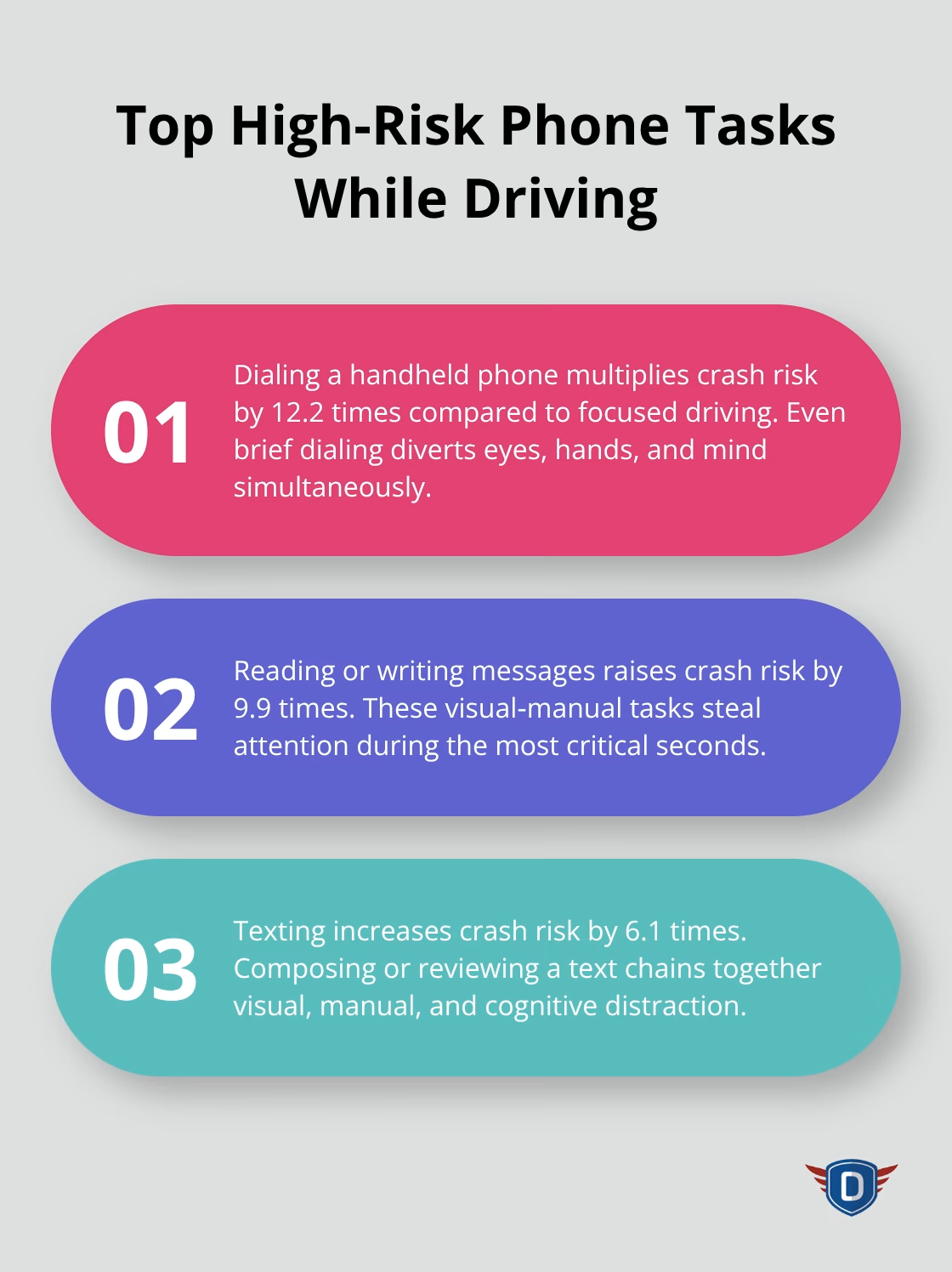
According to the SHRP2 Naturalistic Driving Study, which tracked 3,500 drivers across 35 million miles, dialing a handheld phone increases crash risk by 12.2 times compared to focused driving. Texting raises the risk by 6.1 times. Reading or writing messages jumps it to 9.9 times. Researchers studied over 900 injury and property-damage incidents to understand exactly what drivers were doing seconds before impact.
Three Types of Distraction That Wreck Your Driving
Visual distractions pull your eyes away from the road. Texting is the worst offender because it forces you to look down at a screen. Manual distractions take your hands off the wheel-like reaching for a phone or adjusting a navigation system while driving. Cognitive distractions occupy your mind, even if your eyes stay on the road and your hands stay put. A hands-free call might seem safe, but research shows it causes inattention blindness, meaning drivers miss about 50 percent of critical information happening around them.
Teen drivers face especially high risk from all three types. Data from the Klauer study found that about 59 percent of teen crashes involved distraction in the six seconds before the crash. For teens, dialing a phone increases crash risk by 8.3 times, and reaching for a phone multiplies risk by 7.1 times. Visual-manual tasks that demand both your eyes and hands pose the greatest danger. A 2021 AAA Foundation survey found that 34 percent of drivers read a text or email while driving in the previous month, and 23 percent typed or sent a text.
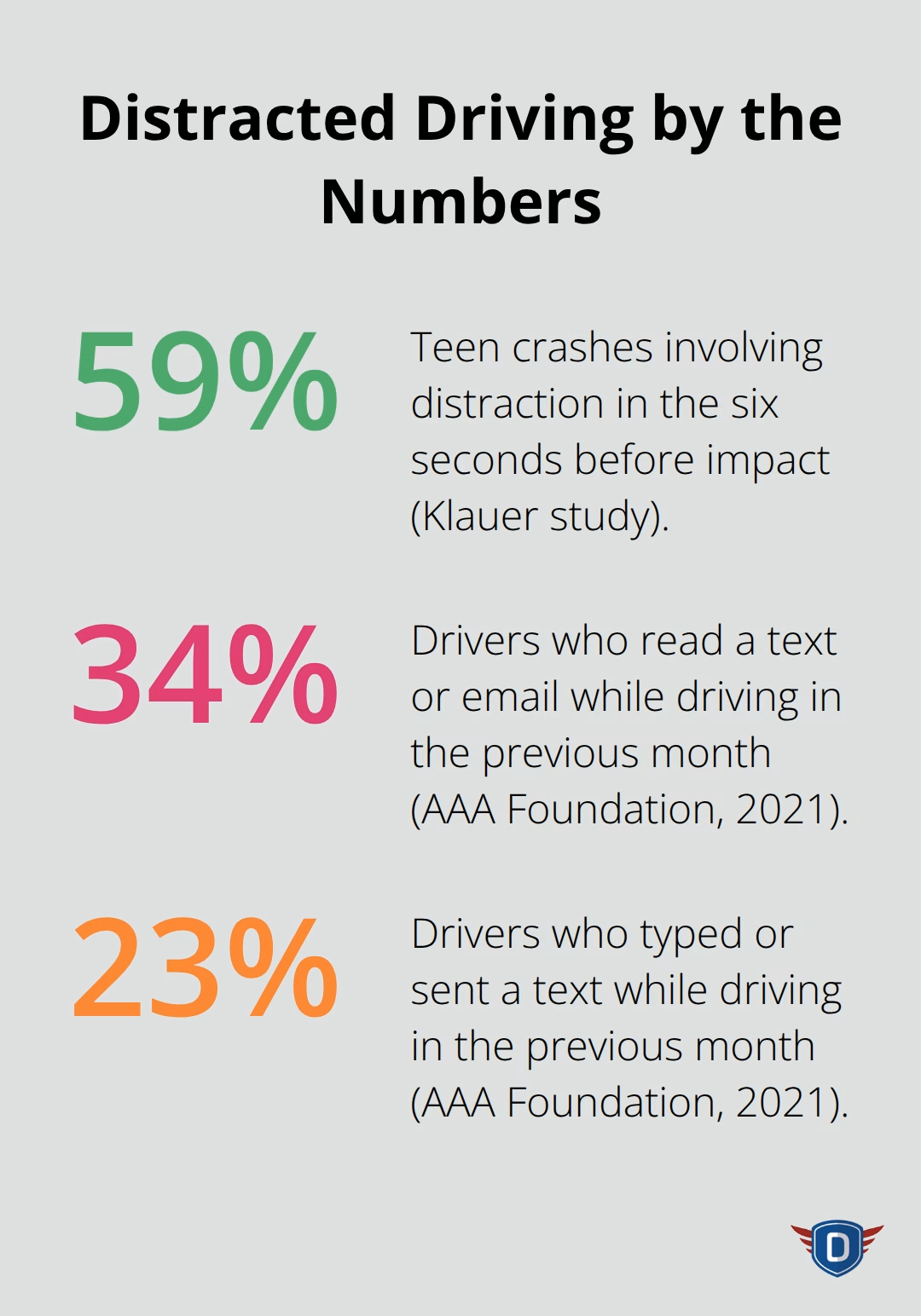
These behaviors aren’t rare lapses-drivers repeat them regularly.
How Your Brain and Body Fail Under Distraction
Reaction time collapses when your attention splits. Safe driving requires you to scan mirrors, check blind spots, anticipate hazards, and respond instantly when something unexpected happens. Distraction eliminates that buffer. At 55 mph, five seconds of inattention covers the length of a football field. In that span, a child could run into the street, a vehicle could brake suddenly, or a cyclist could enter your path.
Your brain cannot process the visual information you need if you’re looking at a phone. The cognitive load of texting or reading also impairs decision-making even after you stop looking at the screen. Your mind stays partially focused on the message while you should be fully committed to the road. Distraction doesn’t just increase risk slightly-it multiplies it by factors of six to twelve depending on the task. No notification, text, or call is worth that multiplication of danger.
What Comes Next
Understanding why distracted driving kills helps you recognize the stakes. The next section covers practical strategies that actually work to keep your attention on the road, starting with phone management techniques that fit into your daily routine.
How to Stop Distracted Driving Before It Starts
Make Your Phone Unreachable
The most effective defense against distracted driving happens before you turn the key. Your phone is the primary threat, and National Safety Council data shows that 3.0 percent of drivers manipulated hand-held electronic devices in 2023, a 36 percent increase from 2014. This trend makes phone management non-negotiable. Turn your phone off entirely or activate Do Not Disturb mode before you leave, then store it in the trunk, glove compartment, or a bag in the back seat where you cannot reach it while driving. Apps like Life360 or Google Family Link block phone functions while the vehicle moves, but these work only if you activate them beforehand. The AAA Foundation found that 34 percent of drivers read texts while driving, so removing temptation entirely beats relying on willpower.
Prepare Everything Before You Drive
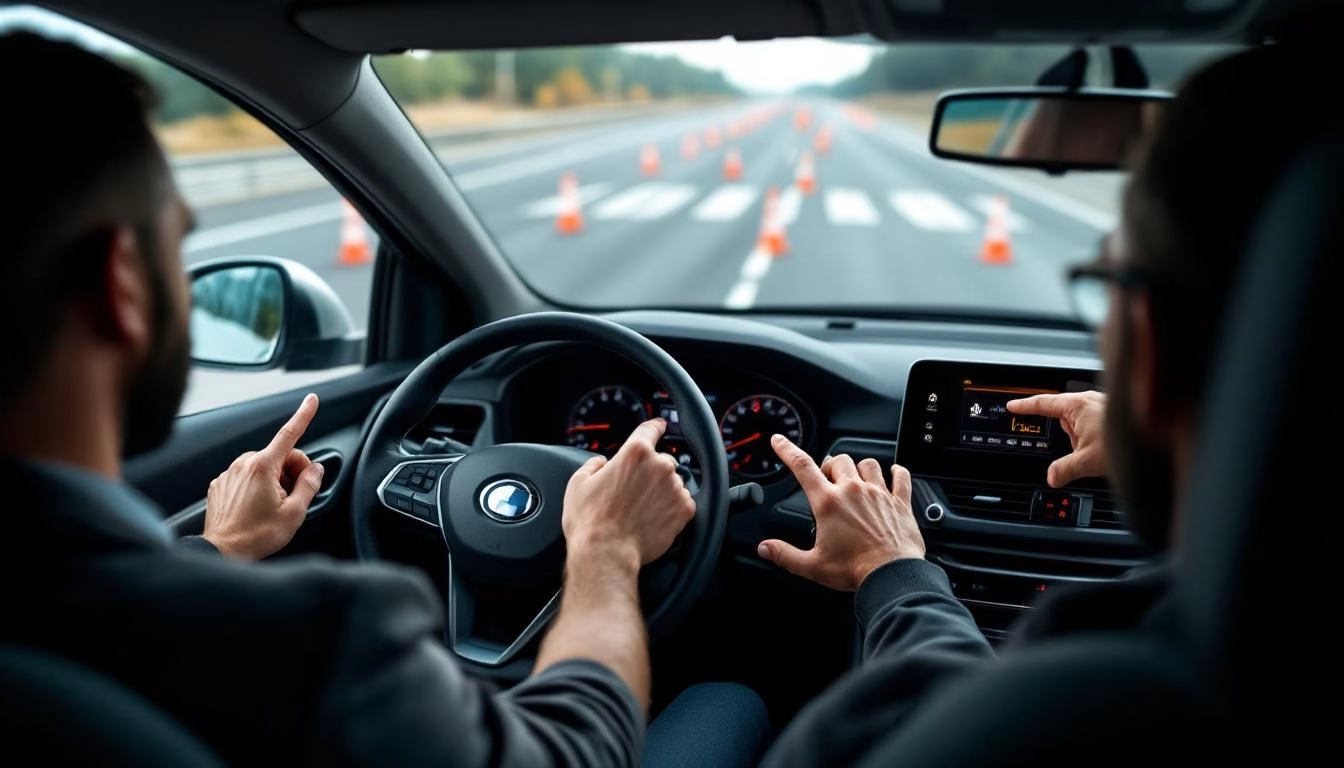
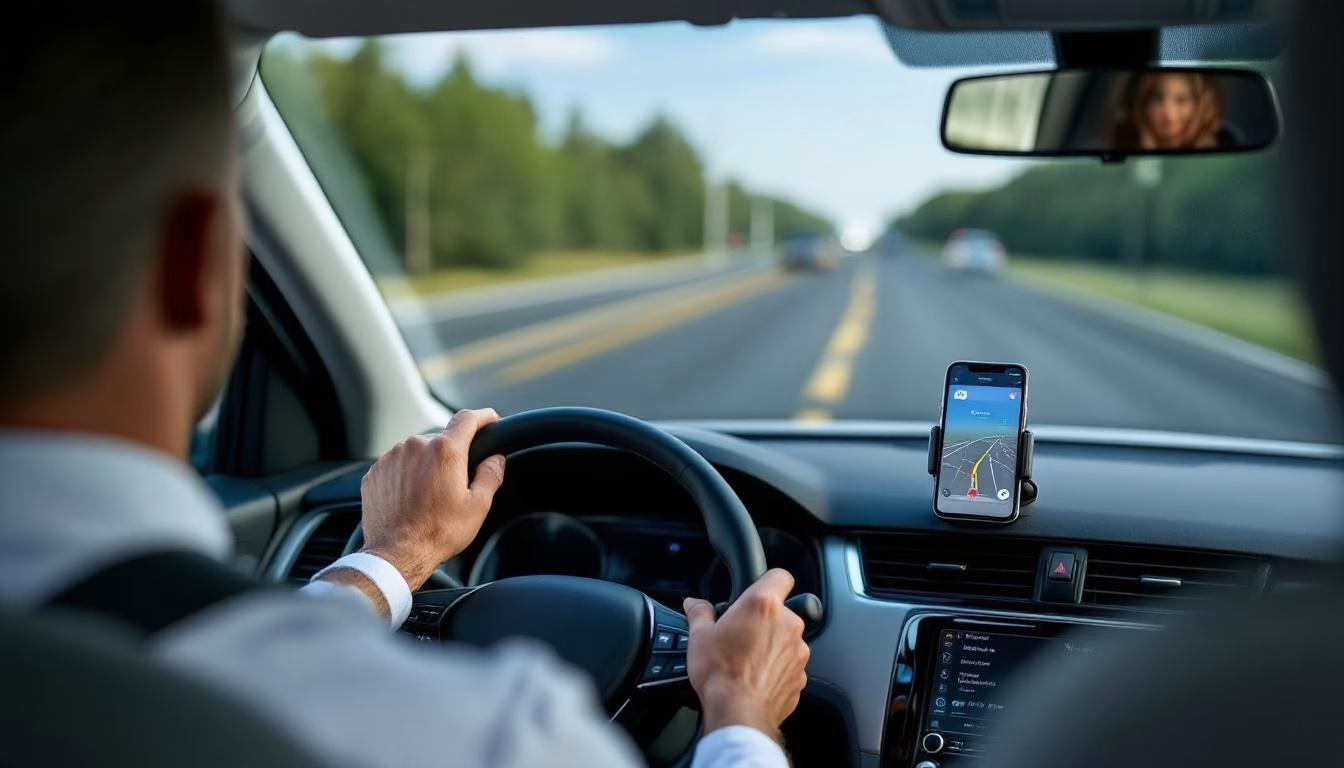
Set up everything your phone controls before departure: input your destination into navigation, queue your music or podcast, and confirm critical communications are handled. This five-minute pre-drive routine eliminates the need to touch your device once you start moving. Adjust your seat, mirrors, and steering wheel before you drive so you never need to fidget with controls mid-trip. Set your climate control to your preferred temperature and close any vents you do not need. If your vehicle has an infotainment system, program radio presets or connect your phone via Bluetooth before departing.
Plan Your Route While Parked
Check traffic conditions and road construction on your phone while parked, not while driving. Route planning matters equally because it prevents mid-trip navigation changes that pull your attention away. Reaching for objects inside the vehicle increases crash risk by 9.1 times, so secure loose items, secure children and pets before you start, and avoid keeping snacks or beverages within arm’s reach.
Assign a Co-Pilot to Handle Distractions
If you have passengers, assign one to handle navigation changes, incoming calls, or any task that would pull your attention from the road. This co-pilot approach keeps your hands on the wheel and your eyes forward. Teen drivers benefit most from this strategy since the Klauer research showed 59 percent of teen crashes involved distraction in the six seconds before impact. One passenger who manages distractions can cut that risk substantially.
What Comes Next
These preparation steps eliminate most phone-related distractions before they start. But your vehicle itself contains built-in systems designed to help you stay focused-and knowing how to use them correctly makes the difference between a safe trip and a dangerous one.
Vehicle Technology That Actually Stops Distracted Driving
Your car’s built-in systems work against distraction if you configure them correctly before driving. Hands-free systems sound safe in theory, but hands-free calling still causes inattention blindness, meaning drivers using cell phones look but fail to see up to 50 percent of the information in their driving environment.
Why Hands-Free Calling Still Distracts You
A hands-free call occupies your cognitive resources even though your hands grip the wheel. The solution is simple: limit hands-free calls to essential communications only, and keep them brief. If the call requires complex conversation or decision-making, pull over. Voice commands for navigation or climate control work better than hands-free calling because they demand less cognitive load, but only if your vehicle’s voice system responds reliably.
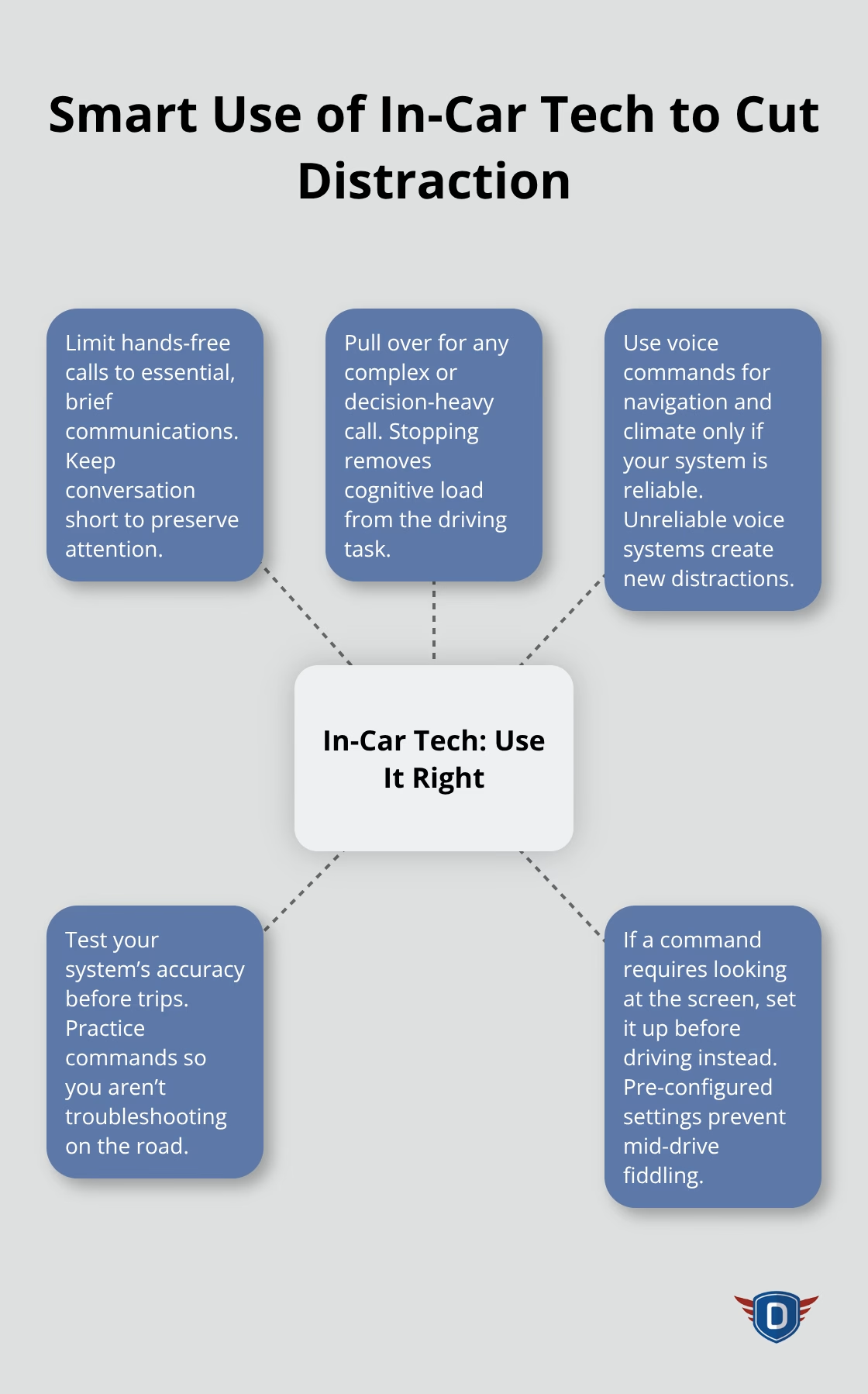
Test your system’s accuracy before relying on it during trips. If your vehicle requires you to look at the screen to confirm a voice command, the system has failed its purpose and you should input settings before driving instead.
Driver Monitoring Systems Provide Real-Time Alerts
Driver monitoring systems represent a newer category of protection that actively alerts you when attention lapses. Some vehicles now include cameras that track your eye gaze and alert you if your eyes leave the road for too long or if you appear drowsy. These systems work because they provide real-time feedback rather than relying on your judgment. External enforcement and alerts reduce phone use measurably, and in-vehicle alerts operate on the same principle.
Built-In Safety Features Act as Backup Systems
Built-in safety features like lane-keeping assist and forward collision warning also compensate for brief attention lapses by catching hazards you might miss. However, these features are not substitutes for focus-they are backups when focus fails. Treating them as backups rather than permission to multitask keeps you honest about what safe driving demands. Technology supplements human attention but cannot replace it. Your responsibility behind the wheel never transfers to the vehicle, regardless of how advanced the systems are.
Final Thoughts
Distracted driving safety tips work only when you apply them consistently throughout your driving life. Phone management, vehicle preparation, and passenger involvement eliminate most threats before you start driving, while technology like hands-free systems and driver monitoring provide backup protection when your attention lapses. The 3,275 deaths in 2023 from distracted driving represent preventable tragedies that you can avoid through deliberate choices behind the wheel.
Your decisions behind the wheel protect not only yourself but also passengers, pedestrians, and other drivers who share the road with you. Each distraction you eliminate reduces your crash risk by factors of six to twelve depending on the task, which means your habits compound over years and decades of driving. At DriverEducators.com, our Florida-approved traffic school programs teach defensive driving techniques and crash avoidance strategies that help you understand how attitude and behavior affect decision-making behind the wheel.
The road ahead demands your full attention, and the distracted driving safety tips covered in this guide give you concrete ways to maintain it. Apply these strategies starting today, and you reduce your crash risk substantially while building habits that protect your life and the lives of others on the road.