Most drivers think they know the rules of the road. The truth is, intermediate driver improvement courses reveal dangerous gaps in how we actually drive.
At DriverEducators.com, we’ve seen firsthand how the 8-hour intermediate driver improvement program transforms drivers who thought they were already safe. This course isn’t about basics-it’s about the defensive techniques and real-world decision-making that prevent accidents.
What You Actually Learn in Florida’s 8-Hour Intermediate Driver Improvement Course
The Three Core Skills That Separate Safe Drivers From Accident-Prone Ones
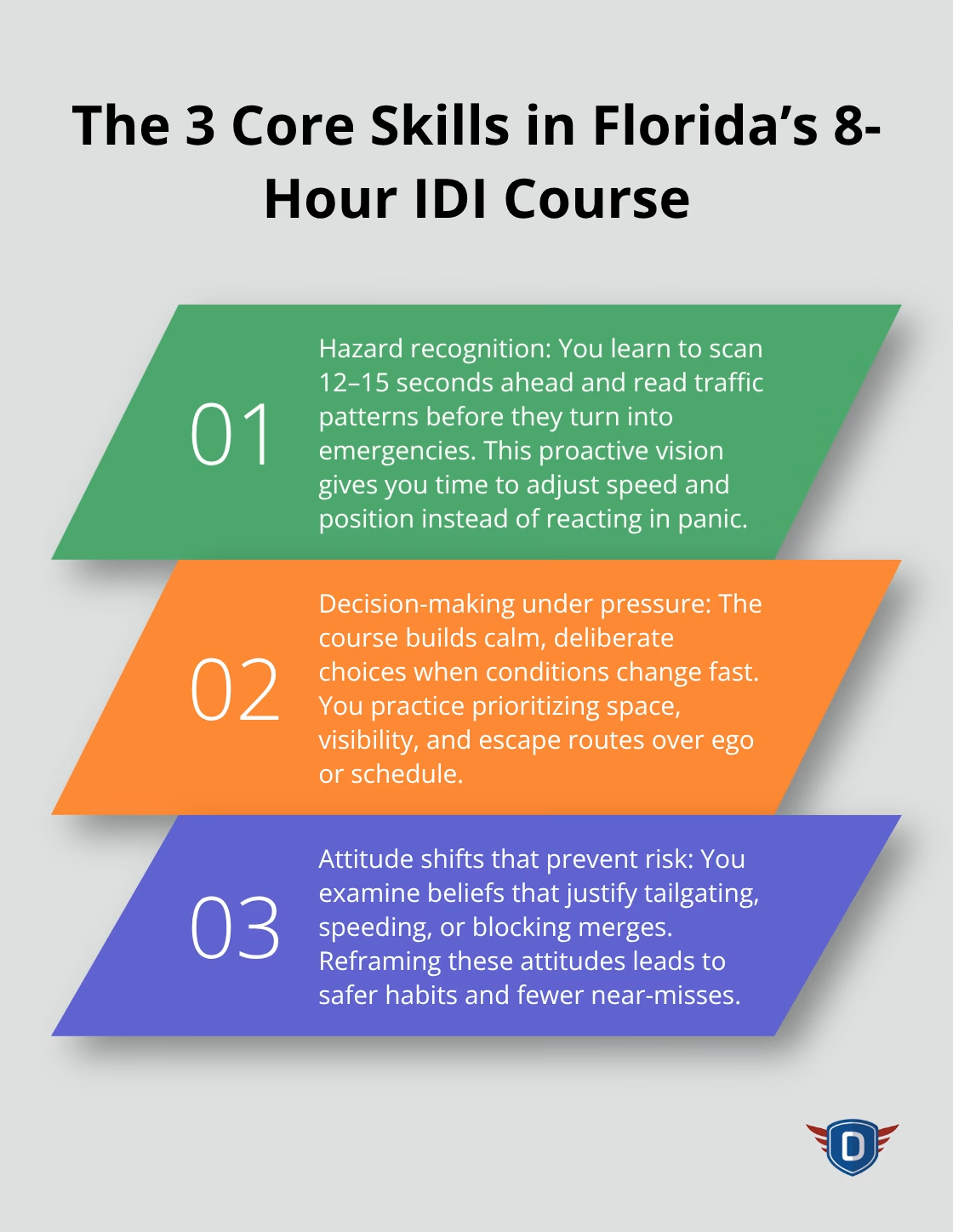
Florida’s intermediate driver improvement course exists because basic driver’s license training misses critical skills that separate safe drivers from accident-prone ones. The eight-hour program focuses on three core competencies: hazard recognition, decision-making under pressure, and attitude shifts that prevent risky behavior. Structured intermediate training reshapes how drivers think about risk and improves safety skills across all road user groups.
What the Curriculum Actually Covers
The course covers Florida traffic law updates, defensive driving mechanics like maintaining proper following distances at various speeds, and how to recognize hazards 12 to 15 seconds ahead of your vehicle-a skill that gives you time to react rather than panic. You’ll also explore how aggressive driving, distracted driving, and impaired driving decisions play out in real crashes, using scenarios that mirror the accidents you actually see on Florida roads. A well-structured driver training program can significantly reduce accidents, lower costs, and improve road safety through decisional skills that emphasize ethical decision-making and risk awareness.
Who Takes the Course and Why
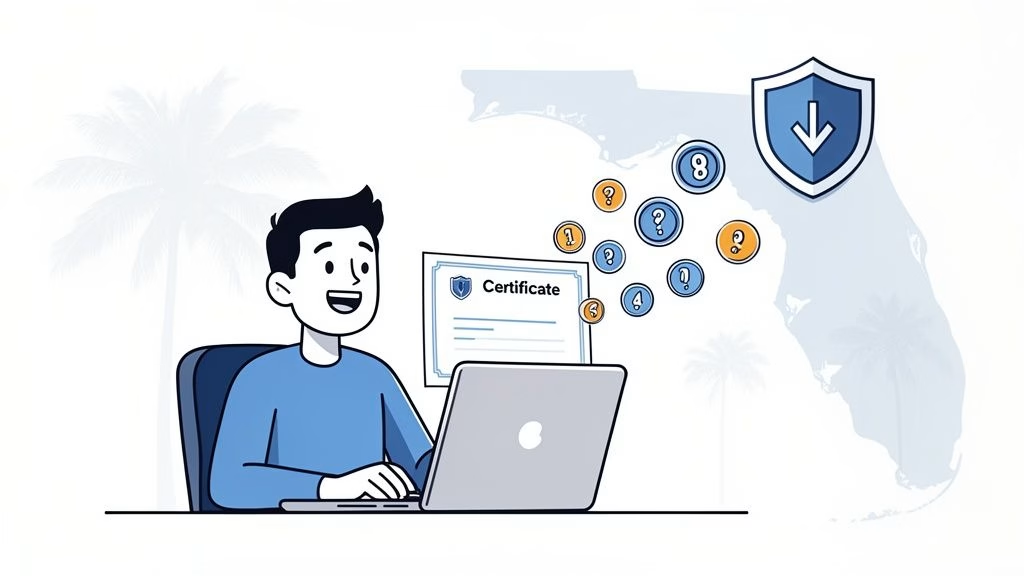
The program is required for drivers ordered by courts to complete it, typically after multiple violations or at-fault accidents, but many drivers choose it voluntarily because they recognize gaps in their skills. The curriculum meets strict Florida Department of Highway Safety and Motor Vehicles standards and is fully online and self-paced, letting you complete it without scheduling around a classroom.
How the Course Changes Your Thinking About Risk
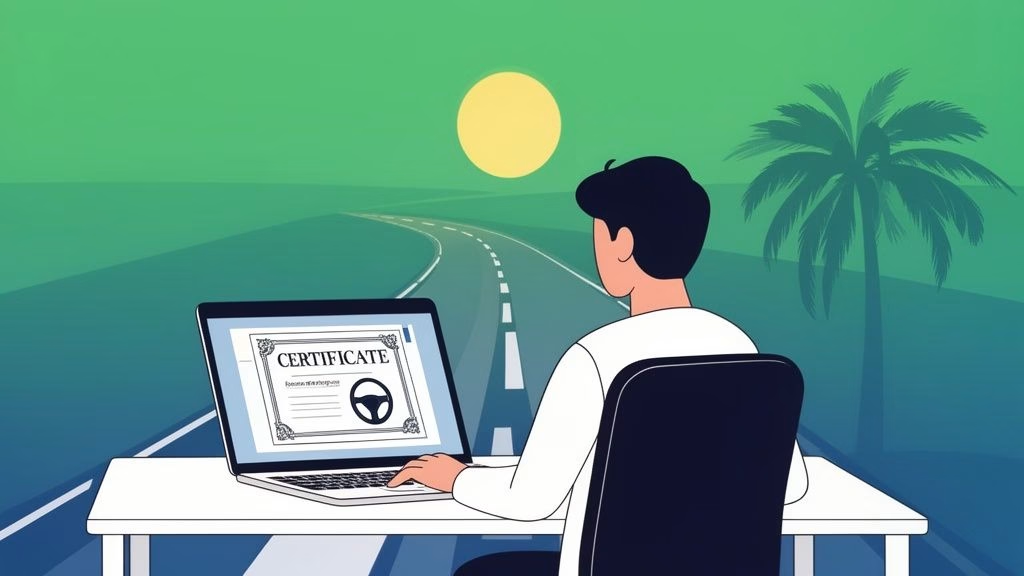
The course teaches you to manage your attitude toward risk and decision-making, not just memorize rules. Upon completion, your certificate goes directly to the FLHSMV, satisfying court orders, and many insurance companies offer discounts for finishing an approved intermediate course. The eight hours aren’t padding; they’re designed to move you past the basics into the judgment and awareness that actually prevents accidents on Florida’s congested roads. Understanding how your decisions shape your safety on the road sets the stage for the defensive techniques that make the real difference in avoiding collisions.
Defensive Driving Techniques That Make a Real Difference
Spotting Hazards Before They Force Your Hand
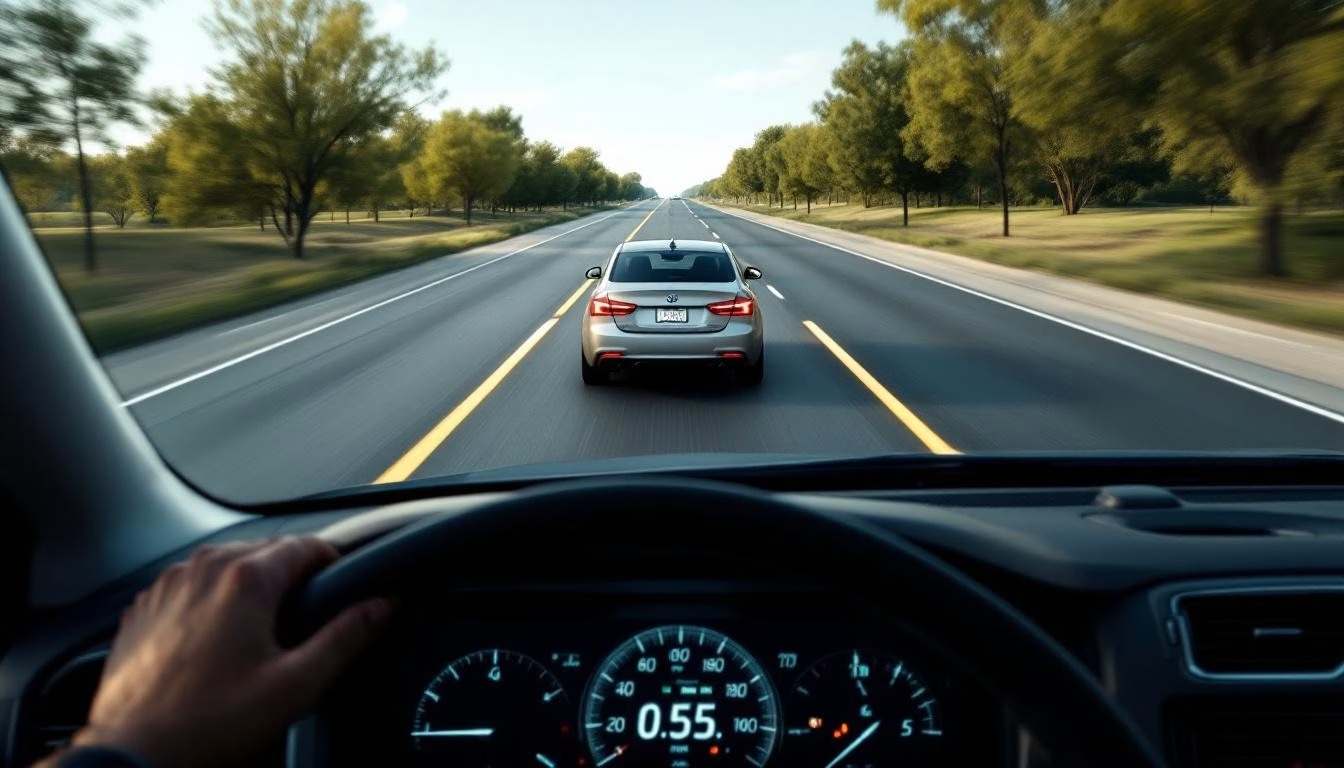
The gap between knowing traffic rules and actually preventing crashes comes down to three defensive skills: spotting hazards early, controlling speed and distance, and staying calm around aggressive drivers. Research from a 2024 IATSS study on 664 drivers showed that higher safety skills correlate with less tolerance for rule violations and reckless behavior, meaning drivers who master these techniques fundamentally change how they approach every trip. Most drivers focus only on what’s directly in front of them, but the U.S. Department of Transportation recommends scanning 12 to 15 seconds ahead-roughly a quarter-mile at highway speeds-so you see threats before they force panic decisions. This forward vision is non-negotiable; it’s the difference between reacting and preventing.
When you spot a merging truck, a pedestrian stepping toward a crosswalk, or brake lights clustering ahead, you’ve already won half the battle by having time to adjust speed or position rather than slamming brakes. Your eyes must work constantly, sweeping mirrors and blind spots instead of fixating on the road center line. This active scanning habit transforms how you experience traffic; threats appear as opportunities to maneuver rather than emergencies that demand panic.
Following Distance: The Space That Saves Lives
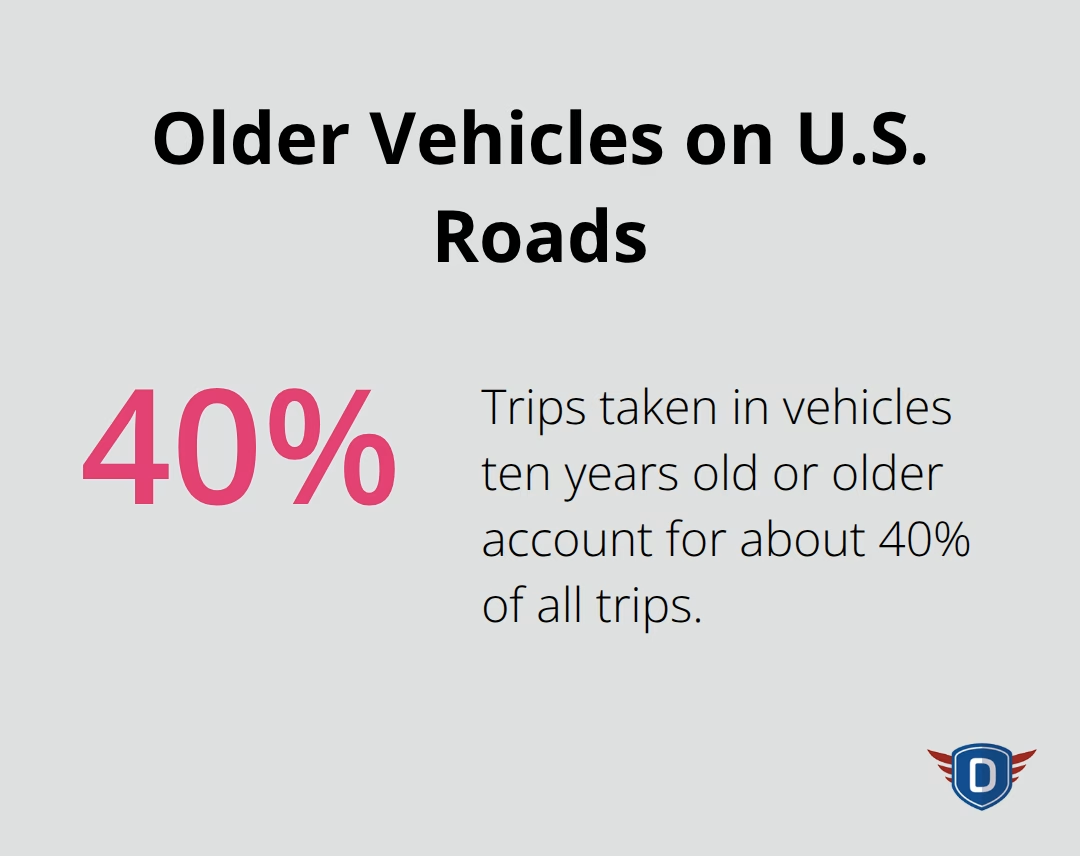
Following distance matters far more than most drivers realize. For speeds below 40 mph, you should leave at least one second for every 10 feet of vehicle length, but add one second for every 10 mph above that, so you maintain six seconds at 60 mph. Older vehicles without modern braking systems need even more space; if you drive a car ten years old or older (which describes about 40 percent of all trips according to the AAA Foundation for Traffic Safety), extend that gap further because your stopping distance is longer.
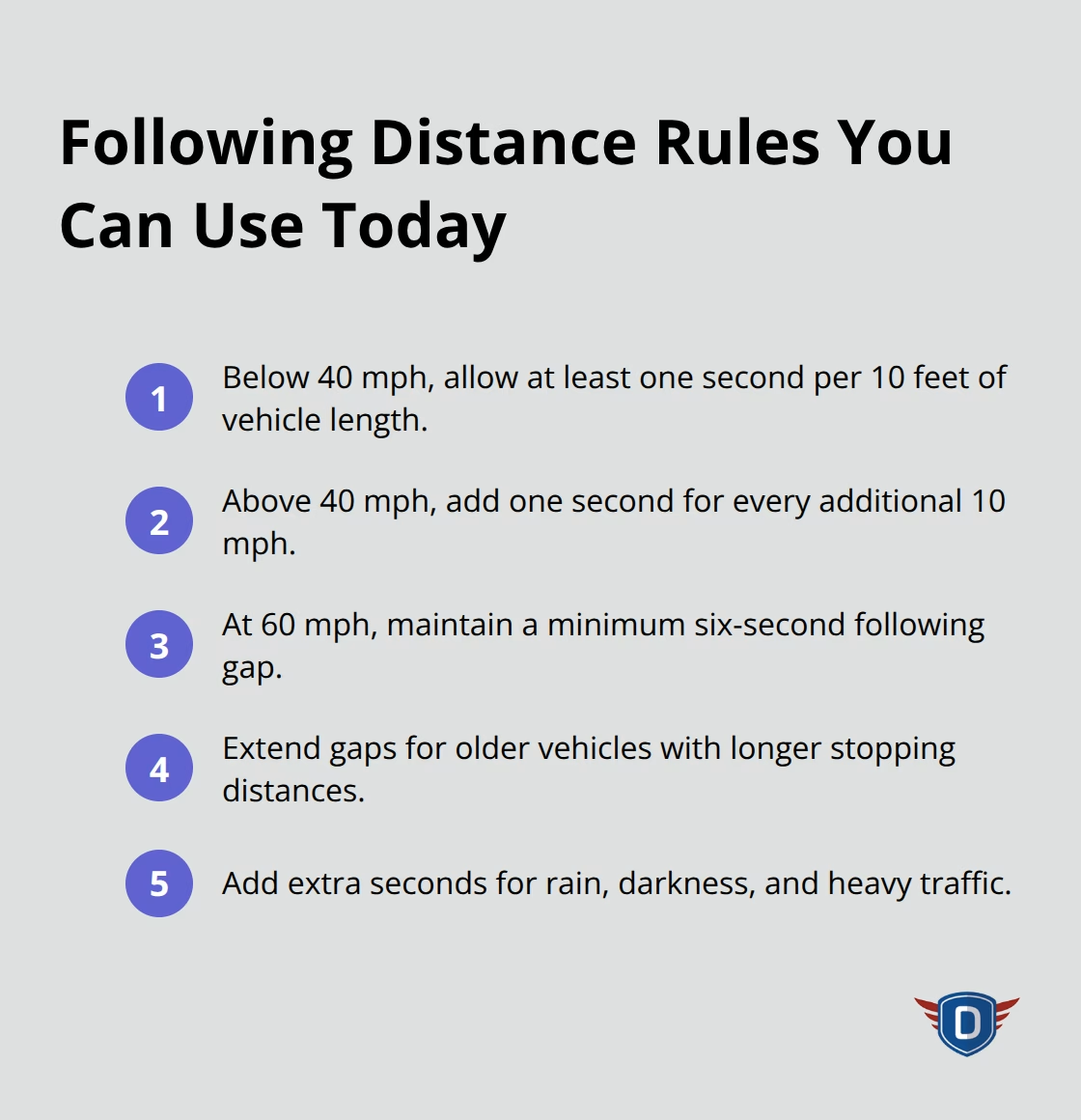
This spacing discipline removes the pressure to react instantly. You gain time to think, adjust, and avoid the collision that tailgating drivers invite. This spacing rule isn’t conservative-it’s the minimum threshold for safety in routine conditions. Poor weather, darkness, and heavy traffic all demand you add seconds to that calculation.
Managing Aggressive Drivers Without Escalating Conflict
Aggressive drivers and road rage situations demand a completely different strategy: your job is not to match their intensity but to create space and remove yourself from their path. Don’t make eye contact, don’t gesture back, and absolutely don’t accelerate to block them. Let them pass, even if it feels like losing. A single accident costs over $1.4 million in direct and indirect expenses, and no confrontation is worth that price.
Your refusal to engage is your strongest defense. When you stay calm and create distance, you control the outcome instead of letting anger dictate your decisions. This mental shift-from defending your ego to protecting your safety-separates drivers who avoid collisions from those who invite them.
Speed Control as the Foundation of All Other Skills
Speed control ties everything together; driving at posted limits in good weather is baseline, but intermediate drivers adjust for actual conditions-rain, darkness, heavy traffic, and construction zones all demand slower speeds. The federal government is mandating automatic emergency braking on all new vehicles by September 2029, which will save hundreds of lives annually, but that technology only supplements your judgment, not replaces it. Your scanning habit, your spacing discipline, and your refusal to escalate conflict are the real safety systems that technology cannot provide.
Adjusting your speed before conditions force you to brake hard gives you the margin that prevents skids, rear-end collisions, and loss of control. This proactive approach to speed-rather than reactive braking-marks the shift from basic driving to intermediate mastery. How you apply these three skills in real traffic situations determines whether you arrive safely or become another accident statistic, which is exactly what the next section explores through scenarios you’ll face on Florida roads.
How Your Decisions Shape Every Accident You Avoid
The Attitude-Safety Connection That Data Reveals
The crashes that happen on Florida roads aren’t random. Attitudes toward rule violations and reckless driving predict accident risk in ways that data reveals clearly. A 2024 study of 664 drivers found that drivers with strong safety skills reported much less tolerance for breaking traffic laws, while those with weak safety judgment were far more permissive about violations and dangerous behavior. This connection matters because it reveals the truth intermediate driver improvement courses teach: your attitude about risk determines your actions behind the wheel, and your actions determine whether you go home safe or end up in a collision.
Most drivers believe accidents happen to them, but the data shows accidents happen because of decisions made seconds before impact. When you merge into heavy traffic on I-95 near Tampa, your split-second choice to force your way in rather than wait for a gap isn’t just aggressive-it’s a decision rooted in how you view your right to the road. When you follow a truck at 50 mph with only two seconds of space because you’re angry about traffic, that’s not impatience; that’s a decision based on your attitude about risk.
How Real Crashes Trace Back to Real Decisions
A rear-end collision at 45 mph happens because someone decided tailgating was acceptable. A merge collision happens because someone decided their schedule mattered more than checking a blind spot. A road rage escalation happens because someone decided matching an aggressive driver’s intensity was the right move. Once you see this pattern, you can’t unsee it. The intermediate driver improvement course forces you to examine these attitudes directly. You’ll analyze real crashes and trace them backward to the decision that caused them, not the weather or the other driver.
Understanding right of way rules at intersections is essential to avoiding these preventable collisions. When drivers know exactly who has priority in complex traffic situations, they make clearer decisions and react with confidence rather than hesitation.
Naming the Choices You Make Every Day
Applying these lessons to your daily commute starts with naming the decisions you make. Before you accelerate to block a lane change, pause and ask yourself whether that decision matches your attitude about safety or your ego. Before you follow a car with insufficient following distance, admit you’re making a choice based on impatience, not road conditions. Before you check your phone at a red light, acknowledge you’re accepting a small risk for a small convenience.
Your morning drive to work, your afternoon pickup route, your evening commute-these aren’t neutral stretches of time where accidents just happen. They’re sequences of micro-decisions about speed, distance, attention, and aggression. The drivers in that 2024 study with the highest safety skills made different choices in these moments. They adjusted speed before weather forced them to brake hard. They left extra space because they anticipated the car ahead might stop suddenly. They put their phones away before backing out of the driveway. They let aggressive drivers pass because they valued arriving alive over arriving first.
Why Intermediate Drivers Win on Every Trip
This isn’t about being timid; intermediate drivers are faster and more efficient because they’re not reacting to emergencies they created. Your commute is where you either reinforce the safe habits the course teaches or drift back into the attitudes that cause accidents. The choice is yours every single trip.
Final Thoughts
The crashes that happen on Florida roads trace back to decisions made seconds before impact. Hazard recognition, following distance, and attitude shape every trip you take, and mastering these skills prevents accidents before they occur. Your morning commute, your afternoon drive, your evening route-these moments test whether you reinforce safe habits or drift back into the attitudes that cause collisions costing over $1.4 million per incident.
Completing an intermediate driver improvement course protects your driving record and your wallet in measurable ways. Your certificate satisfies court orders, removes legal requirements from your driving privileges, and qualifies you for insurance discounts that often recover the course cost within months. Drivers with strong safety skills report far less tolerance for rule violations, and that shift in attitude translates directly into fewer accidents and lower repair costs.
We at DriverEducators.com offer comprehensive intermediate driver improvement courses designed to move you past the basics into the judgment and awareness that actually prevents accidents. Our Florida-approved program runs fully online and self-paced, letting you complete it without disrupting your schedule, and your certificate goes directly to the FLHSMV upon completion.