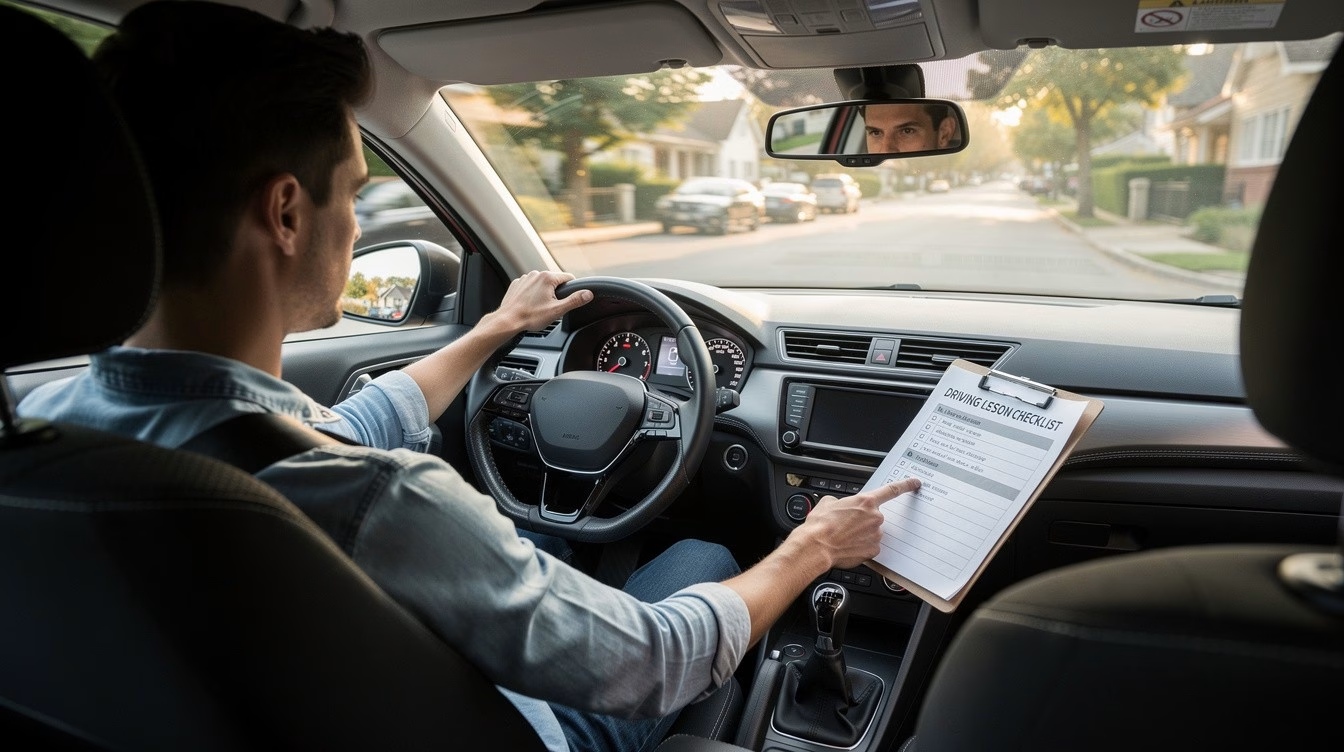
Your first driving lesson can feel overwhelming if you don’t know what to expect. We at DriverEducators.com want to walk you through exactly what happens from the moment you arrive until you leave.
This guide covers everything you’ll encounter during your initial session, from pre-lesson vehicle checks to real-world driving practice. You’ll also learn how to handle the nerves that naturally come with getting behind the wheel for the first time.
What Happens Before Your First Driving Lesson
The Pre-Lesson Vehicle Inspection
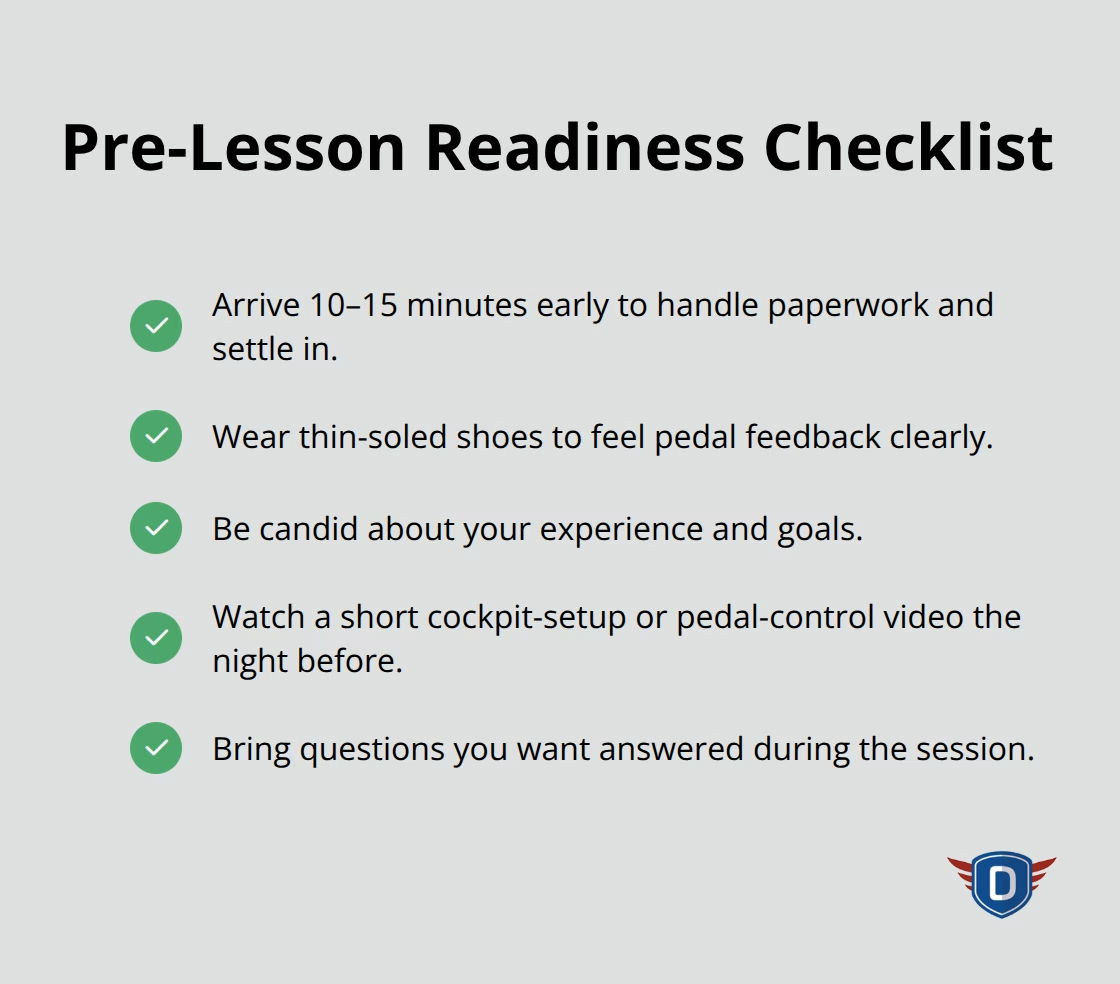
Your instructor will greet you 10–15 minutes before the scheduled start time, which gives both of you space to handle paperwork and get comfortable. The first thing your instructor does is walk around the vehicle and check the mirrors, wipers, lights, and tire condition. This vehicle safety inspection before driving takes about five minutes and shows you exactly what matters before you drive. Your instructor will explain each check so you understand why these steps prevent accidents. Many new drivers skip this habit entirely, which is why instructors emphasize it from day one.
Discussing Your Experience and Goals
Next comes a conversation about your experience and what you want to achieve. Be honest here. If you’re nervous, say so. If you’ve never sat in a driver’s seat before, your instructor needs to know. If you’ve driven in a parking lot with a parent or friend, mention it. This conversation shapes the entire lesson. An instructor working with someone who has zero experience will move slower and spend more time on basic pedal control than someone who has sat behind the wheel a few times. Your goals matter too. Some learners want to pass a road test in six weeks. Others want to build confidence over several months. Instructors adjust their focus based on what you tell them.
Preparing Your Body and Footwear
Wear shoes with thin soles during this conversation and your lesson-they help you feel the pedals more clearly. Bulky footwear dulls your feedback from the brake and accelerator, which slows your learning. Your instructor will notice your footwear and may comment on it, so plan ahead.
Learning the Dashboard and Controls
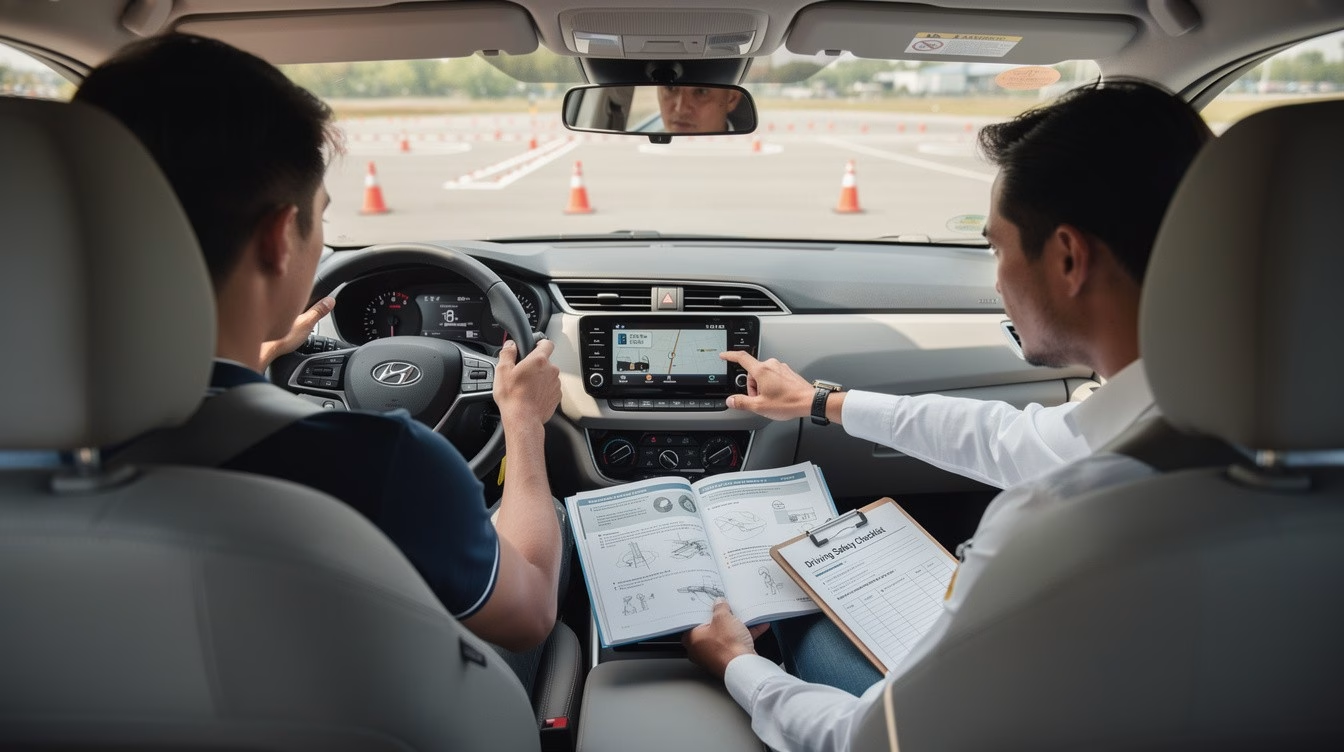
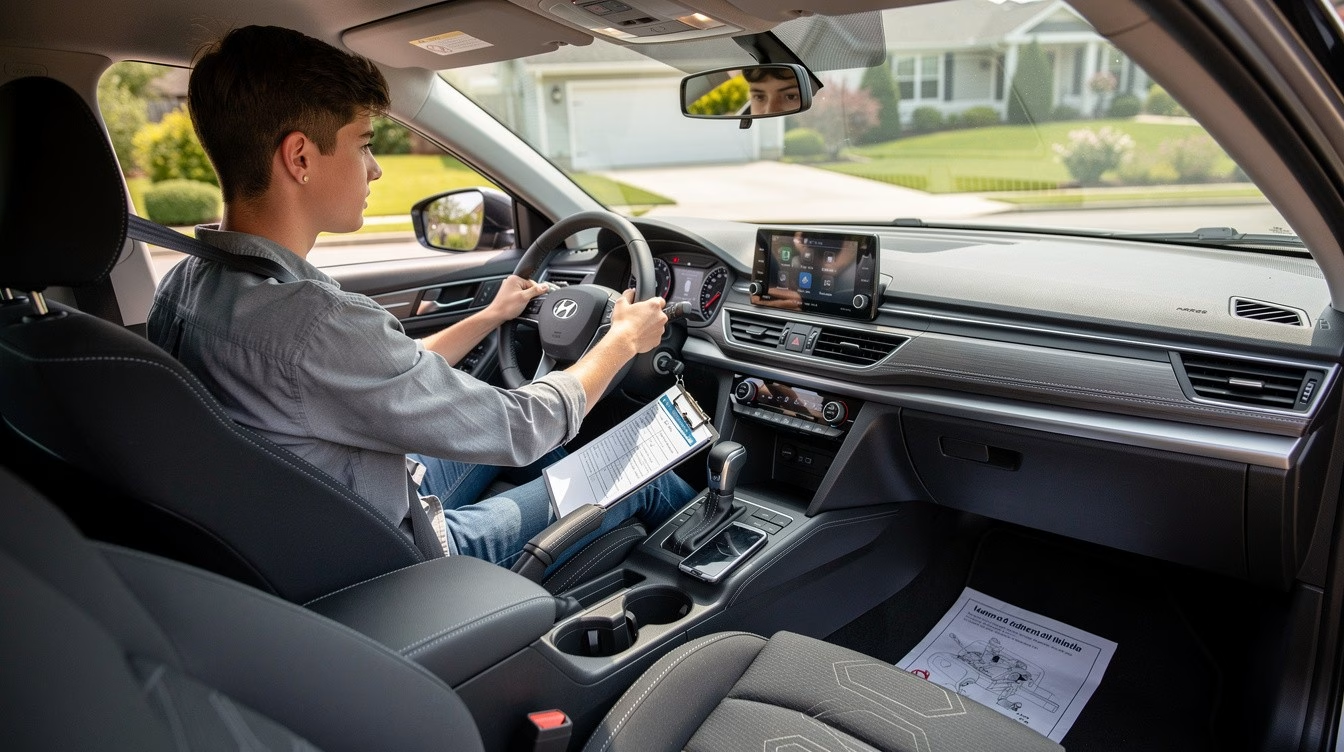
Your instructor will review the dashboard and controls next. You’ll learn where the ignition sits, how to adjust the seat and mirrors, what the gauges show, and how the steering wheel tilts. This takes 8–12 minutes depending on the vehicle. Your instructor explains each control one time, then you practice the motions yourself while sitting still. This cockpit drill practice for new drivers reduces errors once you’re actually driving. Some learners watch YouTube videos on cockpit setup the night before their first lesson, which reinforces what the instructor teaches and cuts down confusion during the session itself. Once you understand the layout and feel confident with the controls, your instructor will start the engine and move toward the road.
Getting Behind the Wheel
Starting the Engine and Positioning Yourself
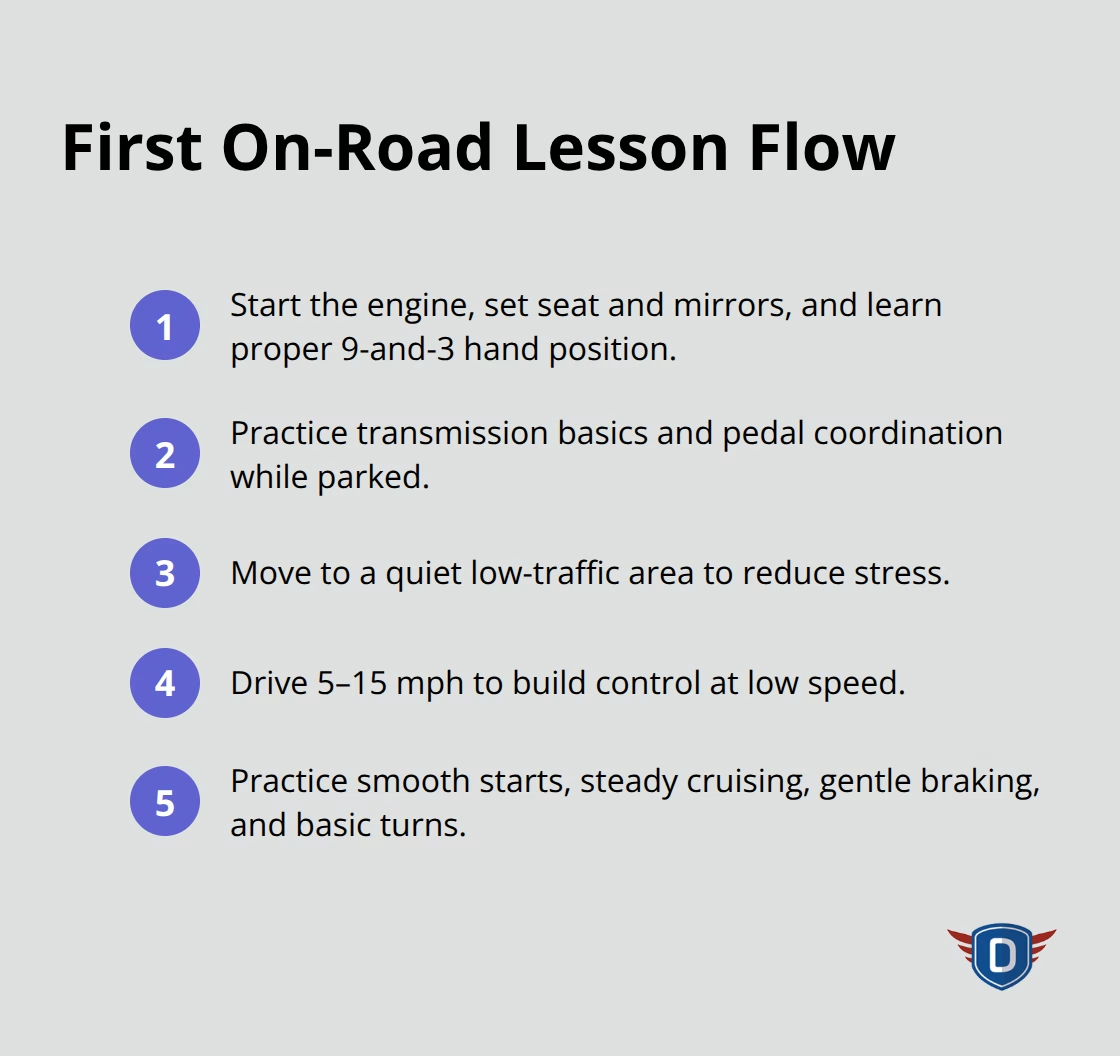
Your instructor will move you to the driver’s seat and walk you through how to start the engine, adjust your position, and grip the steering wheel properly. Hand position matters more than most new drivers realize-instructors teach the 9 and 3 o’clock grip because it gives you maximum control and lets you turn the wheel smoothly without crossing your hands. Your instructor will start the car, explain how the transmission works in your specific vehicle (automatic or manual), and show you where the brake and accelerator sit relative to your foot.
Understanding Your Vehicle’s Transmission
If you’re driving a manual, your instructor will provide a detailed explanation of clutch engagement and how to coordinate the clutch, brake, accelerator, and gear shift. If you’re driving an automatic, you’ll focus on smooth acceleration and understanding gear selection. Your instructor will let you practice these motions while parked before moving onto actual road driving.
Moving to Low-Traffic Roads
Once your instructor feels confident you understand the basics, you’ll head to a quiet residential street or industrial area with minimal traffic-this is standard practice because it removes the stress of heavy traffic while you’re still learning fundamental vehicle control. You’ll start at speeds between 5 and 15 miles per hour, which feels painfully slow but is intentional. Low speed gives you time to process what’s happening and make corrections without panic.
Executing Basic Driving Tasks
Your instructor will guide you through simple tasks: pulling away smoothly from a stop, maintaining a steady speed, braking gently to a halt, and executing basic turns. Stalling the engine, jerking during acceleration, or overshooting a turn are completely normal at this stage-your instructor expects these mistakes and uses them as teaching moments rather than failures. Throughout this practice, your instructor provides real-time feedback on what you did well and what needs adjustment (if you’re gripping the wheel too tightly, they’ll point it out; if you’re looking down at the pedals instead of ahead at the road, they’ll correct you immediately). This feedback loop accelerates your learning, so pay close attention and ask questions if you don’t understand an explanation.
What Comes Next in Your Learning Journey
As you complete these foundational tasks, your instructor will assess your readiness to tackle more complex scenarios. The nerves you feel now will shift as you gain familiarity with the vehicle’s response and your own ability to control it.
What Really Scares New Drivers (And How to Handle It)
Understanding Your Real Fears
Nervousness before your first lesson is normal, but most new drivers misunderstand what they actually fear. You’re not terrified of crashing-you’re afraid of looking incompetent or losing control of something unfamiliar. Your instructor has seen hundreds of first-time drivers make the exact same mistakes, and they expect you to stall, jerk the car, or overshoot a turn. Driving anxiety and exposure to the vehicle reduce fear faster than reassurance alone. Your nervousness will drop noticeably after your second or third session because your brain stops treating the car as a threat once you complete basic tasks multiple times.
How Your Brain Adapts to Driving
The pedals won’t surprise you anymore after a few sessions. The steering wheel won’t feel alien.
Speed and distance perception improve with supervised driving practice. An unexpected honk from another driver or a sudden red light won’t derail you after you experience it once or twice under your instructor’s guidance. Unexpected situations on quiet roads are actually ideal for learning because they happen at low speeds where mistakes have minimal consequences.
Your instructor will deliberately introduce mild surprises (a parked car you need to navigate around, a pedestrian crossing ahead, a sharp turn) so you build problem-solving skills in a controlled environment rather than panic the first time something unusual happens on a busy street.
Speaking Up When You Feel Overwhelmed
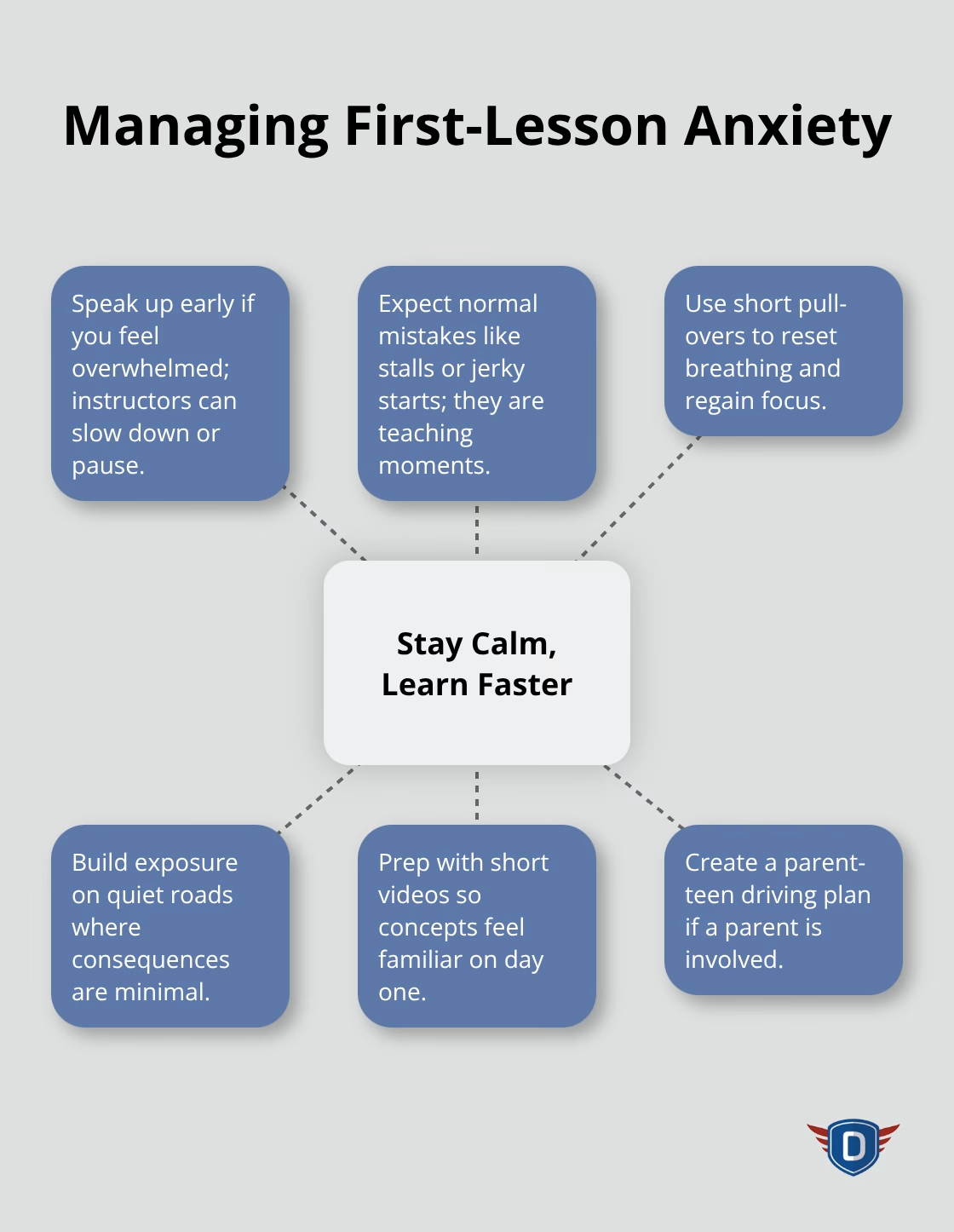
The single best way to manage these concerns is to communicate with your instructor throughout the lesson. If you feel overwhelmed, tell them immediately. If your hands are shaking or your breathing is tight, pulling over for two minutes to regain calm is completely acceptable and shows maturity, not weakness. Instructors respect learners who speak up because it helps them adjust the pace and difficulty.
If you’re unhappy with your instructor’s style or the car itself, shop around and switch-you’re paying for this service, and learning with someone you trust and a vehicle you’re comfortable in accelerates progress significantly. A parent-teen driving plan can also help establish clear expectations and reduce anxiety if a parent is involved in your learning process.
Preparing Your Mind Before the Lesson
Some learners supplement their lessons with YouTube videos on basic pedal control or cockpit setup the night before their session, which reduces the volume of new information hitting them during the actual lesson. This preparation strategy works because your brain processes familiar concepts faster than entirely new ones. Many new drivers finish their first session feeling relieved and more confident than they expected, even if nerves linger. That shift from fear to capability happens faster than you think.
Final Thoughts
Your first driving lesson marks the start of a skill you’ll use for decades. The nervousness you felt before arriving will fade quickly once you complete basic tasks under your instructor’s guidance. Most new drivers finish their first session surprised by how much they accomplished and eager to return for the next one. When you expect driving lessons to follow a structured format, you prepare your mind for what actually happens in the car.
Schedule your next lesson within one to two weeks while the skills from your first session remain fresh. Spacing lessons too far apart forces your brain to relearn basics, which wastes time and money. If you’re working toward a specific goal like passing a road test or building confidence for highway driving, communicate that clearly to your instructor so they can structure your upcoming sessions strategically.
We at DriverEducators.com offer comprehensive driver education programs tailored to your experience level and goals. Whether you need basic instruction, test preparation, or refresher training, explore our available programs and start your next lesson with confidence knowing you have professional support every step of the way.