Bad driving habits drain your wallet faster than you’d expect. Between insurance hikes, court fines, and repair bills, unsafe driving costs money you don’t have to spend.
At DriverEducators.com, we’ve seen how driver education traffic safety programs transform the way people drive. The right training cuts accidents, protects your finances, and keeps you safer on the road.
What Poor Driving Habits Actually Cost You
The True Price of a Speeding Ticket
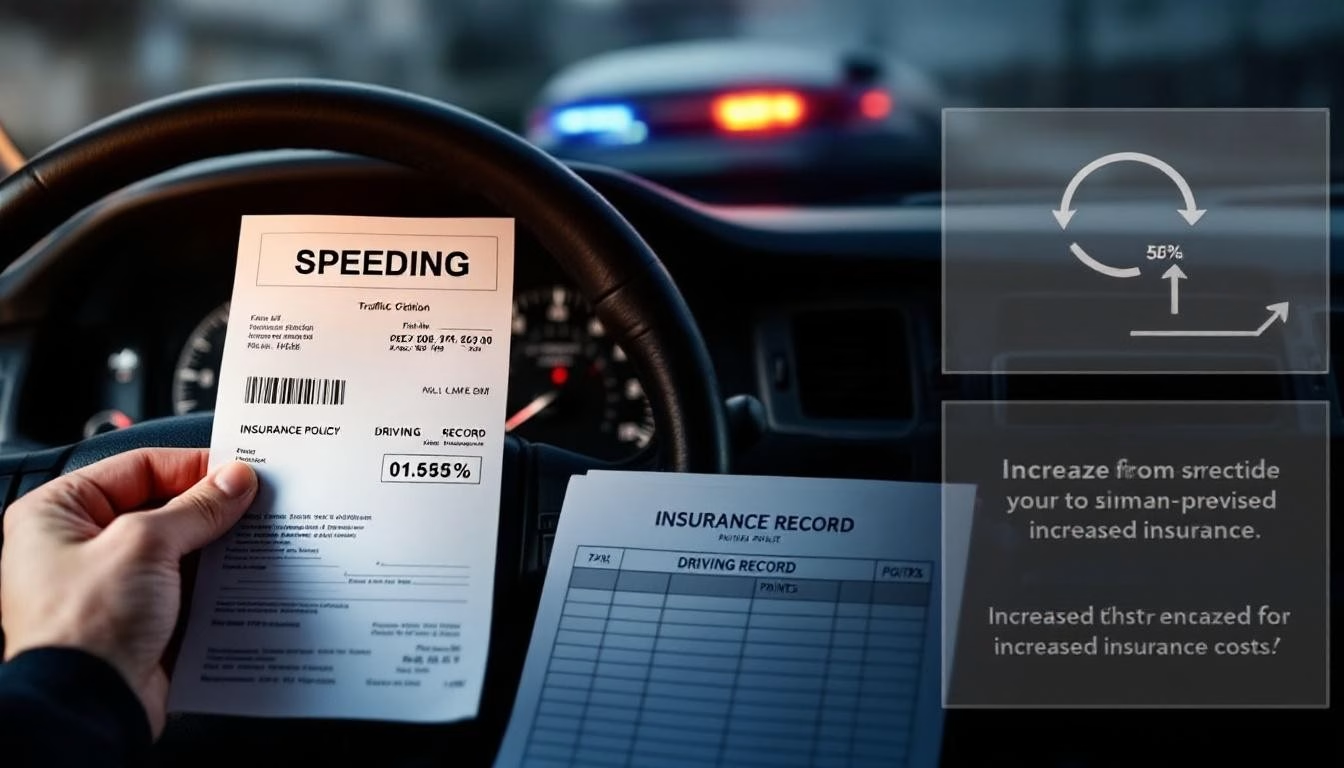
A single speeding ticket in Florida costs $130 to $180 depending on how far over the limit you drove. Court costs add another $70 to $120, pushing your total out-of-pocket expense to $200 to $300 before your insurance company even reviews your record. The real financial damage arrives when the violation hits your driving record. Insurance companies treat moving violations as a sign of increased risk and respond by raising your premiums. A speeding violation increases your annual insurance rate. For someone paying $1,500 per year, that translates to potential increases in premiums annually for the next three to five years.
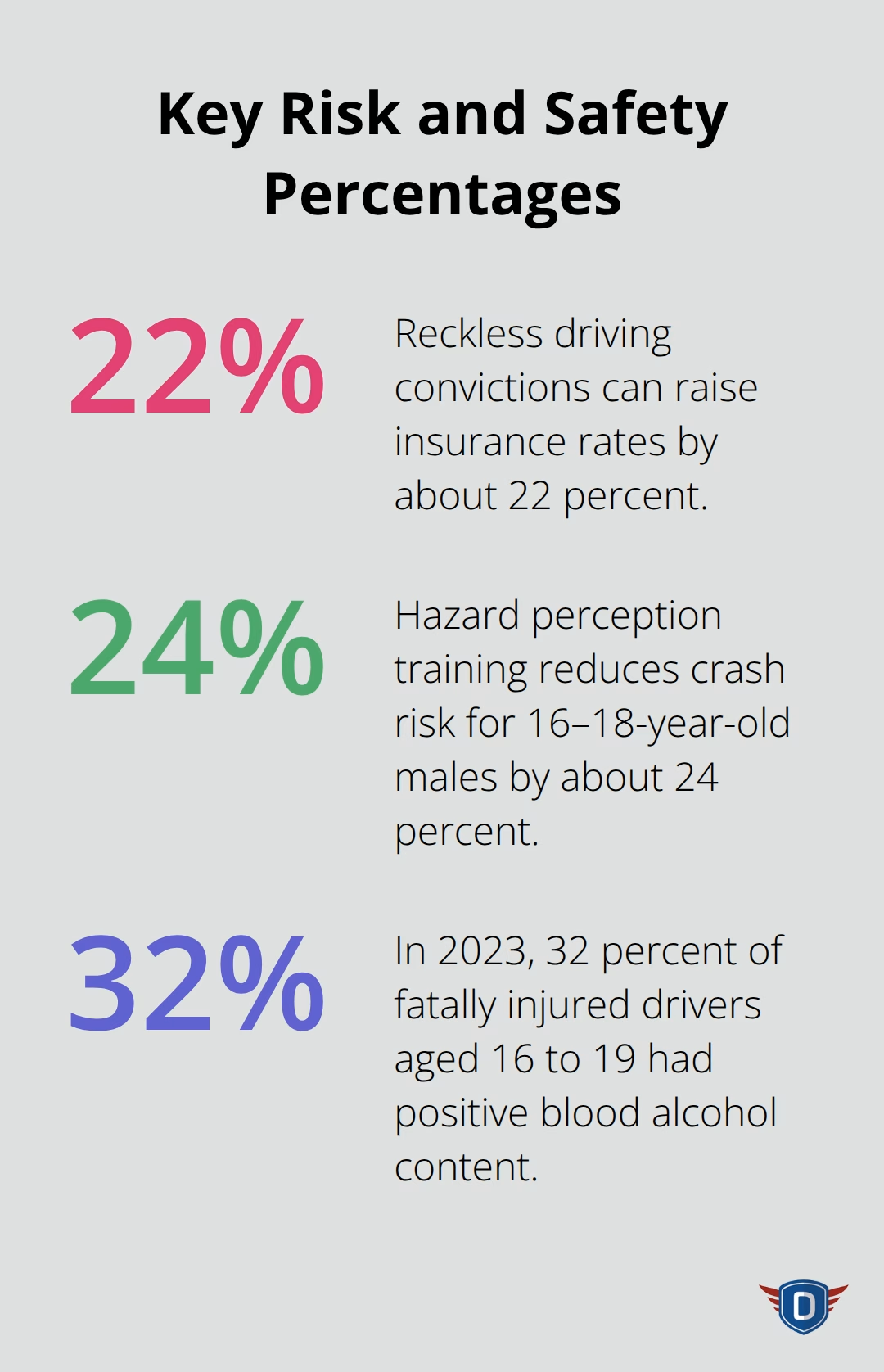
A reckless driving conviction hits harder-expect a 22 percent increase in your rates, sometimes more. Over five years, that compounds to thousands of dollars in extra premiums you would not have paid with a clean record.
Vehicle Damage and Repair Expenses
Vehicle damage from accidents caused by poor driving habits-speeding, tailgating, distracted driving, or aggressive maneuvers-leads to repair costs that insurance deductibles do not always cover completely. A fender bender costs $500 to $2,000 to repair, but if you caused the accident, your insurance may deny coverage on certain damages or your deductible absorbs the initial expense. Vehicles with taller front ends begin to cause serious injuries at lower speeds, according to new pedestrian injury risk curves calculated by the IIHS. Your deductible (typically $500 to $1,000) comes out of your pocket first, and your insurer may raise your rates after a claim, even if you paid the deductible.
Court Fines and Legal Consequences
Court-ordered fines add another layer of expense beyond the ticket itself. If your violation results in a court appearance, you face attorney fees if you choose legal representation, plus court fines that range from $100 to $1,000 depending on the offense. Reckless driving, DUI, or aggressive driving charges carry much steeper penalties-sometimes $500 to $5,000 or more. The cumulative effect is staggering: a driver with one serious violation spends $3,000 to $5,000 or more over a five-year period when combining fines, increased insurance premiums, and potential repairs.
How Driver Education Protects Your Finances
Completing a Florida-approved traffic school course helps you avoid points, reduce or eliminate fines in some cases, and qualify for insurance discounts that offset the course cost within months. These programs teach you the defensive driving techniques and situational awareness skills that prevent violations in the first place. The next section explores the core safe driving techniques that every driver should master to stay out of trouble and keep more money in your pocket.
Core Safe Driving Techniques Every Driver Should Master
Expect the Unexpected on Every Drive
Defensive driving starts with understanding that the road is unpredictable and other drivers will make mistakes. The IIHS reports that teen crash risk peaks in the first months after licensure, when inexperience collides with overconfidence. This applies to drivers of all ages-the moment you assume someone will obey a traffic signal or maintain their lane, you’ve stopped paying attention. When approaching a green light, wait an extra second before accelerating to confirm no one is running the red. When merging, assume the driver beside you hasn’t checked their mirror. This mindset shift prevents thousands of crashes annually.
Master Following Distance and Speed Control
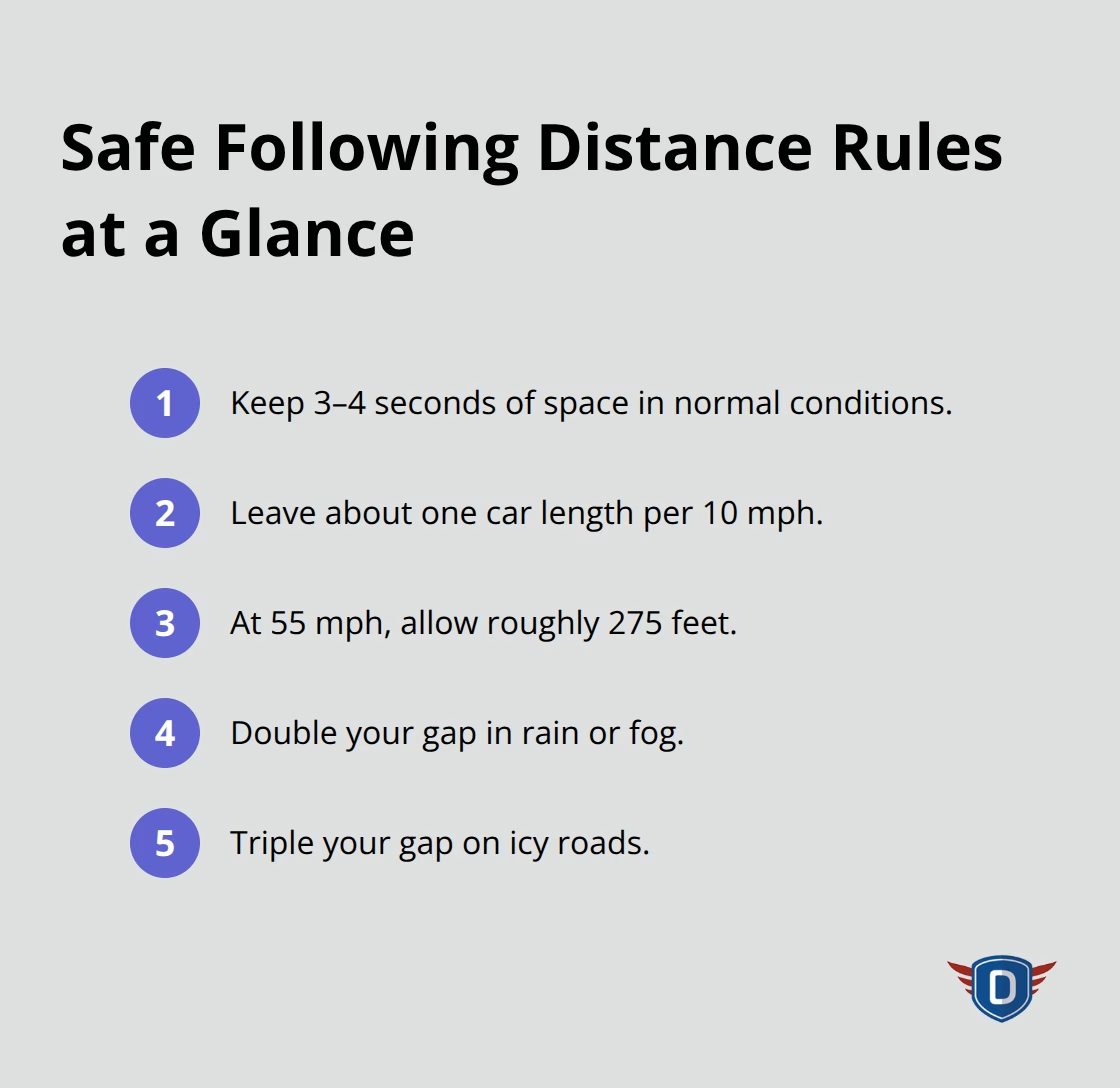
Following distance is where theory meets reality. The standard advice is three to four seconds between your vehicle and the one ahead, which translates to about one car length per 10 mph of speed. At 55 mph, that means roughly 275 feet-longer than a football field. Most drivers tailgate because they underestimate stopping distance. In rain or fog, double that distance. On icy roads, triple it.
Speed management goes hand-in-hand with following distance. Speeding accounts for just over a quarter of teen fatal crashes, and the problem extends far beyond teenagers. Driving five miles per hour faster than conditions allow gives you less time to react and increases crash severity when impact occurs. Adjust speed for weather, visibility, time of day, and road type. Wet roads reduce traction dramatically-slow down before entering wet conditions, not during them.
Eliminate Distractions and Impairment
Distracted driving and impaired driving represent the two most preventable crash causes on roads today. Texting while driving at 55 mph means your eyes are off the road for the length of a football field, according to NHTSA data. Distractions extend beyond phones-eating, adjusting the radio, or talking to passengers all pull your attention away. Complete your route setup before driving: program your GPS, adjust your seat and mirrors, and silence notifications before you leave. During the drive, your phone stays in your pocket or bag, not your hand.
Impaired driving includes alcohol, prescription medications, illegal drugs, and fatigue. In 2023, 32 percent of fatally injured drivers aged 16 to 19 had positive blood alcohol content, according to NHTSA. Even low BAC levels impair judgment and reaction time. Plan your ride home before you go out-designate a sober driver, use a rideshare service, or stay overnight. Drowsy driving deserves equal attention. If you’re drifting between lanes or your head is nodding, you’re dangerous. Take a 15-minute nap or switch drivers. Long trips demand breaks every two hours.
Transform Passive Driving Into Active Engagement
These techniques transform driving from a passive activity into active engagement with the road. Your wallet and your life depend on it. The next section shows how structured driver education programs teach these skills systematically and help you avoid the violations and accidents that drain your finances.
How Driver Education Programs Reduce Crashes and Fines
Structured Learning Transforms Defensive Driving Into Habit
Structured driver education works because it systematizes the defensive driving techniques you learned in the previous section. A formal program doesn’t just tell you to maintain three to four seconds of following distance-it shows you how to measure it, practice it in different conditions, and internalize it as automatic behavior. Research from the IIHS demonstrates that hazard perception training reduces crash risk for 16–18-year-old males by about 24 percent, proving that focused instruction on spotting dangers before they escalate saves lives. Your brain converts these techniques into reflexes through repetition and feedback, which means you react correctly without conscious thought when real danger appears on the road.
Voluntary Programs Deliver Stronger Results Than Court Orders
Voluntary programs produce even stronger results than court-ordered ones because drivers who choose education are motivated to change. Court-ordered programs still work, but they require participants to move through the material regardless of readiness. The practical advantage of voluntary enrollment is that you absorb the material more deeply because you’re not just checking a box for a judge. Drivers who select their own course invest attention and effort that translates into lasting behavioral change. This motivation matters because safe driving habits stick only when you truly commit to them.
Florida-Approved Traffic School Teaches Real-World Skills
Florida-approved traffic school courses teach defensive techniques in a structured environment where you learn Florida traffic laws, crash avoidance strategies, and how attitude affects decision-making. The curriculum blends clear explanations, engaging visuals, and real-life scenarios to make learning simple and effective. Students explore safe following distances, right-of-way rules, and the dangers of aggressive or distracted driving. Special focus goes to impaired driving prevention and understanding how behavior affects decision-making behind the wheel. Upon completion, certificates are issued electronically and reported directly to the Florida Department of Highway Safety and Motor Vehicles, which means your record gets updated immediately.
Insurance Discounts Pay for Your Course Within Months
The financial payoff arrives quickly. Completing a traffic school course qualifies you for insurance discounts that often exceed the course cost within months. If your insurer offers a 5 to 10 percent discount on your annual premium (typical for drivers who complete approved programs) and you’re paying $1,500 annually, you save $75 to $150 per year.
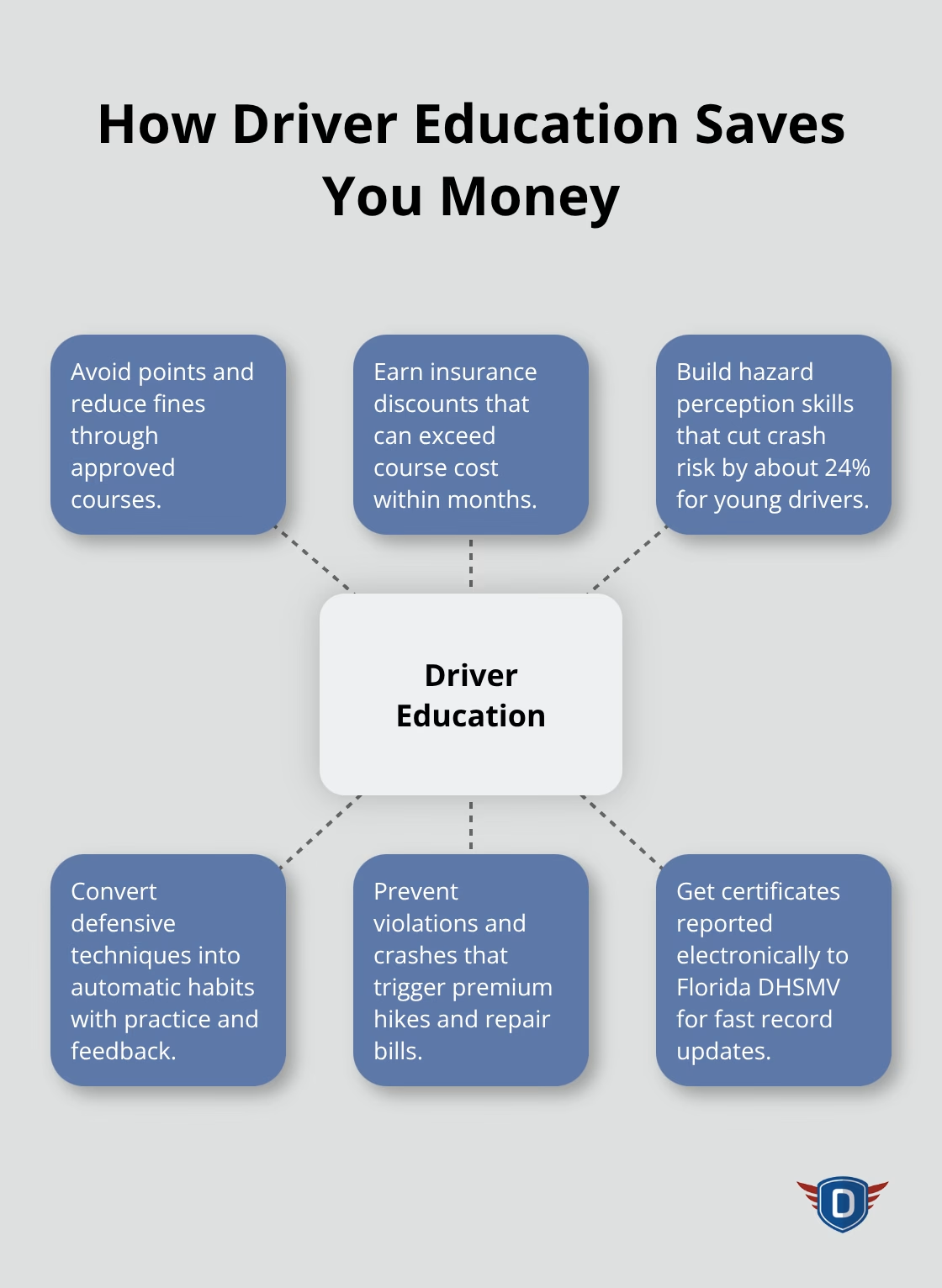
Over three years, that’s $225 to $450 in savings, which covers the course cost and protects your wallet from the premium increases that follow violations. Courts in Florida often dismiss or reduce points when you complete traffic school within a specified timeframe, which prevents the insurance company from ever seeing the violation in the first place.
Safe Habits Prevent Accidents Before They Happen
The defensive driving skills you build during the course-recognizing when other drivers are about to make mistakes, adjusting your speed before conditions demand it, keeping your full attention on the road-become habits that stick with you for years. These habits prevent the accidents and violations that drain your finances. A driver who spots a hazard two seconds earlier than an untrained driver has time to brake, swerve, or adjust course. That two-second advantage often means the difference between a close call and a crash.
Final Thoughts
The financial and personal stakes of poor driving habits are real. A single speeding ticket costs $200 to $300 upfront, but the insurance premium increases that follow drain thousands from your wallet over five years. Vehicle repairs, court fines, and legal fees compound the damage, yet every dollar you invest in driver education traffic safety training pays for itself within months through insurance discounts and accident prevention.
Safe driving habits protect both your finances and your life. When you master defensive driving techniques, recognize hazards before they escalate, and maintain proper following distances, you eliminate the violations and crashes that cost money you don’t have to spend. Research shows hazard perception training reduces crash risk by 24 percent for younger drivers, and these benefits extend to drivers of all ages because your brain converts defensive techniques into automatic reflexes through repetition and feedback.
Start protecting your wallet and your life today by investing in driver education programs designed to help you build lifelong safe driving habits. Our Florida-approved courses teach defensive driving techniques, crash avoidance strategies, and the attitude shifts that transform how you drive, with certificates issued electronically and reported directly to the Florida Department of Highway Safety and Motor Vehicles.