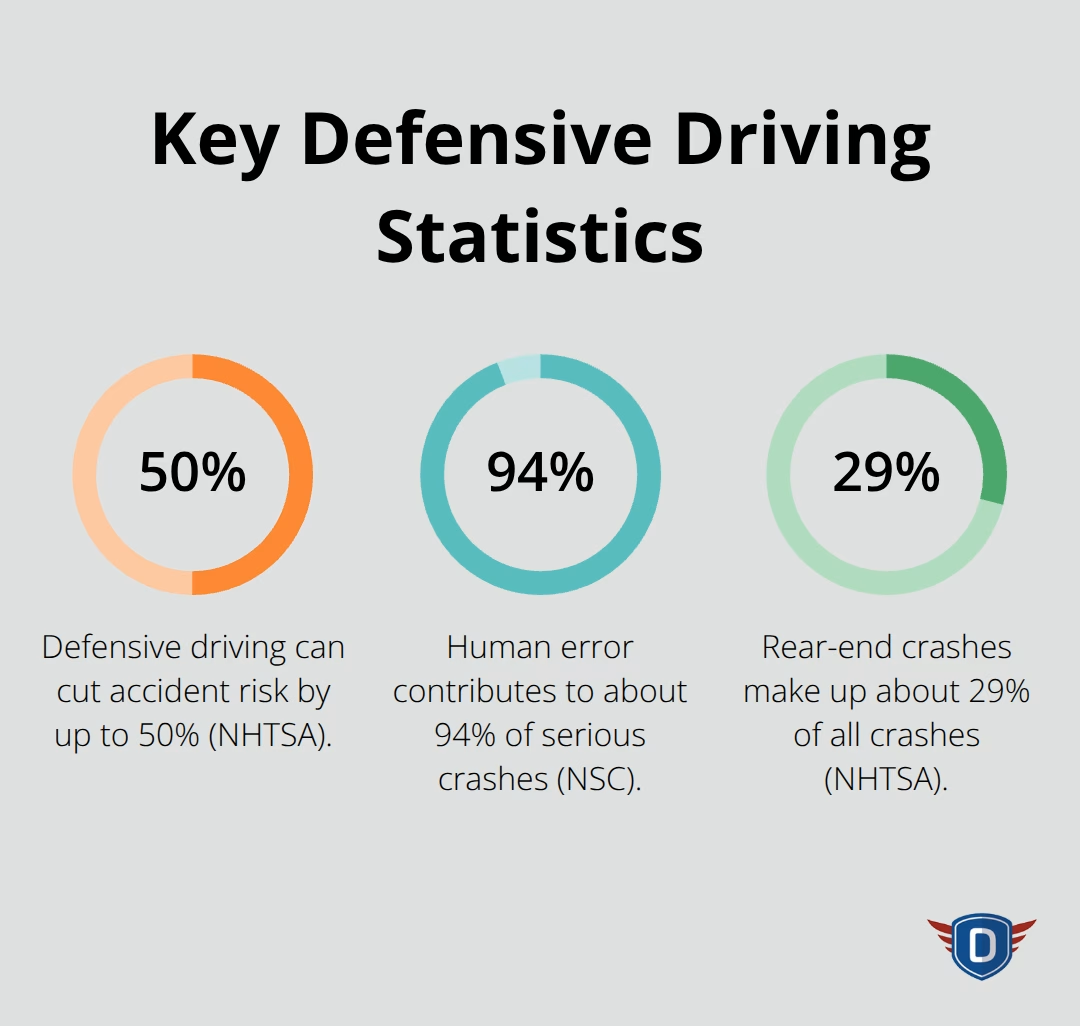
Most drivers think they’re safe behind the wheel. The reality is that defensive driving techniques explained can cut your accident risk by up to 50%, according to the National Highway Traffic Safety Administration.
At DriverEducators.com, we’ve built this guide to show you exactly how to stay alert, anticipate danger, and respond correctly when things go wrong on the road.
Fundamental Defensive Driving Principles
The Three Foundations That Stop Crashes
Awareness, anticipation, and control form the backbone of defensive driving. Without all three working together, you’re relying on luck rather than skill. The National Safety Council reports that about 94% of serious crashes stem from human error, which means most accidents are preventable if you know what to do.
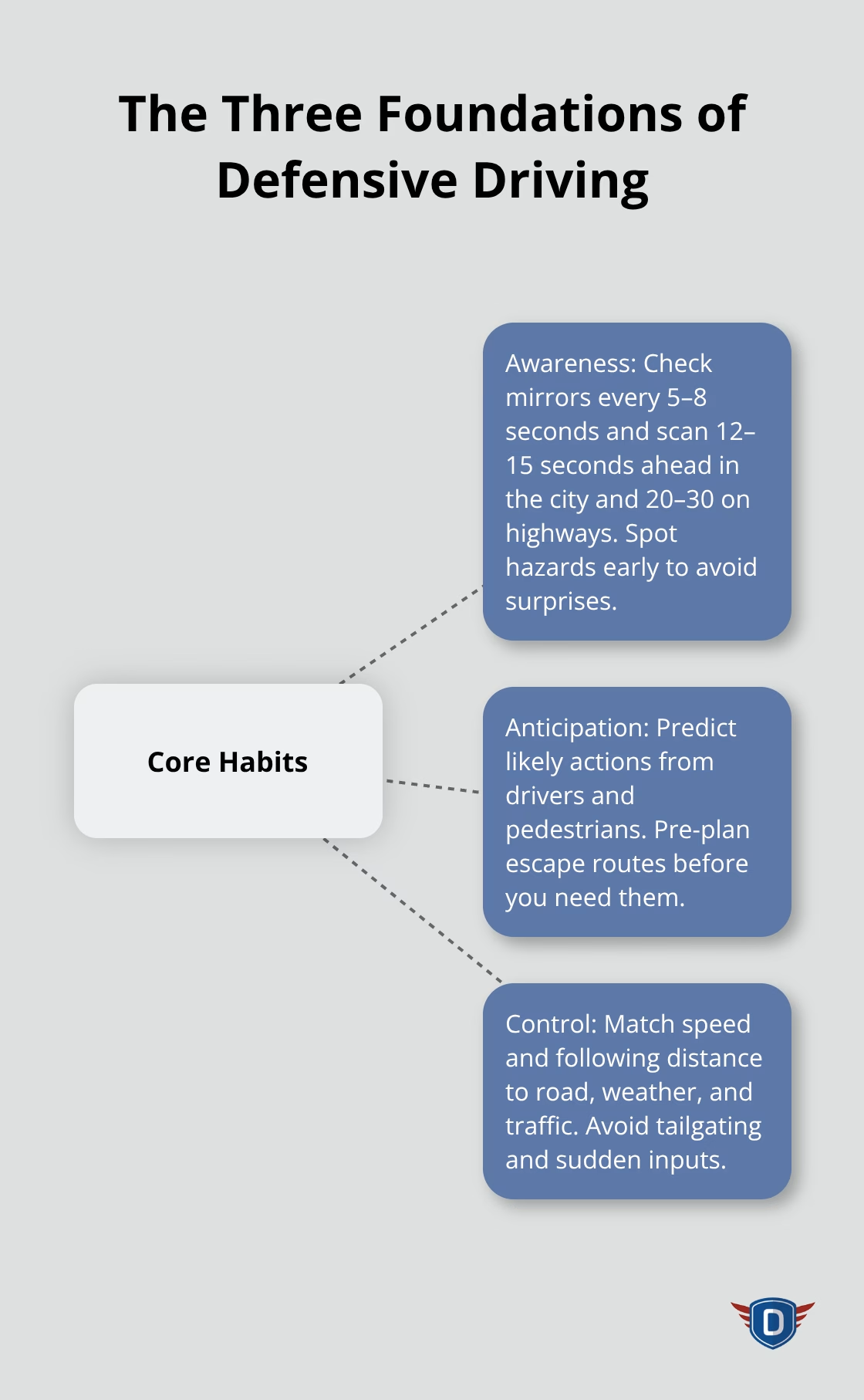
Awareness means you check your mirrors every 5-8 seconds and scan 12-15 seconds ahead on city streets and 20-30 seconds ahead on highways to spot hazards early. This isn’t paranoia-it’s the difference between seeing a problem develop and being blindsided by it. Anticipation means you think like other drivers, predict what pedestrians might do, and prepare escape routes before you need them. Control means you adjust your speed and following distance to match road, weather, and traffic conditions rather than blindly following posted limits or the car ahead of you.
Why Your Following Distance Matters More Than You Think
Most drivers follow too closely. The 3-second rule works like this: you pick a fixed point ahead and count the seconds it takes your vehicle to reach that point after the lead vehicle passes it. If you reach it in three seconds or less, you’re too close. In rain or heavy traffic, you extend this to 4-5 seconds.
Rear-end crashes account for about 29% of all crashes according to NHTSA data, and proper following distance directly reduces this risk. At 55 mph, a three-second gap equals roughly 242 feet. At 70 mph, it’s 308 feet. These distances give you time to react and stop without slamming your brakes, which also prevents the driver behind you from rear-ending you. You never tailgate, even if traffic is slow. Maintaining space is not passive-it’s smart.
Speed Adjustment and Hazard Recognition
Speed management isn’t about obeying posted limits; it’s about adjusting your speed to actual conditions. Aggressive driving lowers highway fuel economy by 15-30% and stop-and-go fuel economy by 10-40%, according to the U.S. Department of Energy. That means smoother, slower driving saves money while reducing crash risk.
In heavy traffic, you reduce speed and increase following distance. In rain or fog, you slow down further. On curves or in areas with limited visibility, you adjust before you enter the hazard, not during it. You brake early and smoothly to give yourself ample stopping distance and to alert following drivers sooner. Speed creates a false sense of control; in reality, it steals your reaction time and extends your stopping distance dramatically.
Moving From Theory to Real-World Execution
These three foundations-awareness, anticipation, and control-work only when you apply them consistently. The techniques that follow show you exactly how to execute these principles on the road, from scanning patterns to emergency responses.
How to Scan and Position Yourself for Safety
Effective Scanning Patterns That Prevent Blindsides
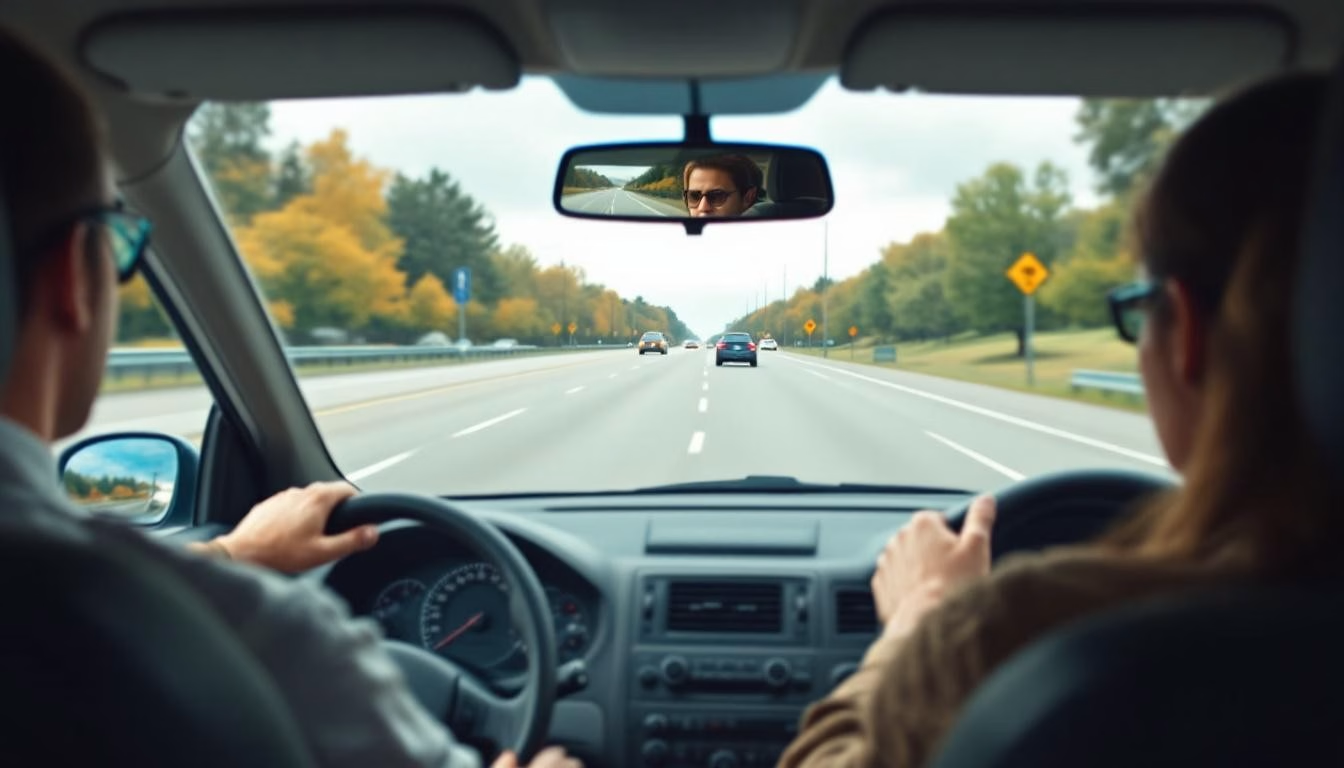
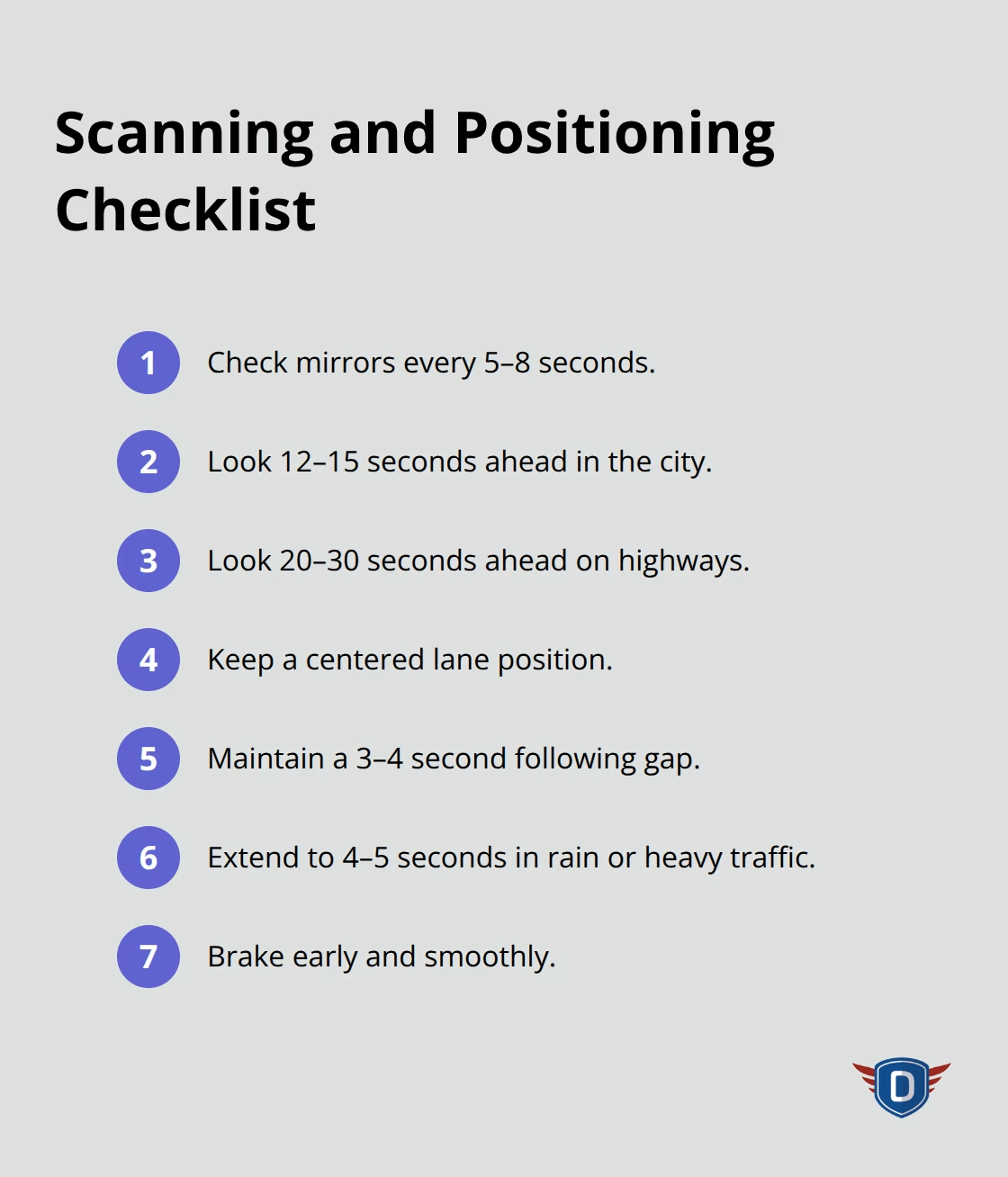
The difference between a near-miss and a crash often comes down to what you see and where you are on the road. Effective scanning means you check your mirrors between five and ten second intervals and look 12-15 seconds ahead on city streets and 20-30 seconds ahead on highways. This extended view window lets you spot hazards while you still have options. Most drivers focus only on the car directly ahead, which is why they get blindsided by lane changes, sudden stops, or pedestrians entering the roadway.
Mirror Adjustment and Blind Spot Checks
Adjust your left and right mirrors to minimize blind spots, but understand that mirrors alone aren’t enough. Before any lane change, turn your head to physically check your blind spot because mirrors create dead zones no matter how well you position them. On highways, this head check takes one second and prevents most merge collisions. You eliminate the false confidence that mirrors provide by making the head turn a non-negotiable habit.
Strategic Vehicle Positioning in Your Lane
Position your vehicle in the lane strategically rather than drifting between center and edge. Staying centered gives you maximum escape room in both directions if a hazard develops. In heavy traffic, keep at least one car length of space on either side so you can move left or right without clipping another vehicle. When you approach intersections, position yourself slightly left of center in your lane so you can see around vehicles ahead. This positioning costs nothing and gives you critical seconds of advance warning about red lights, stopped traffic, or pedestrians.
How Positioning Enables Emergency Responses
Emergency situations demand immediate, controlled responses, and your positioning directly affects your ability to execute them. If a vehicle suddenly brakes ahead, you already have your 3-4 second gap, so you brake smoothly and early rather than slamming the pedal. Smooth braking alerts drivers behind you and maintains vehicle control. If a car swerves into your lane, your centered position lets you move safely to either side without crossing into another vehicle’s path.
At 55 mph, you need roughly 242 feet to stop from the moment you see a hazard. Poor positioning eliminates your escape routes and forces you to brake harder or swerve more aggressively, which increases the risk of losing control. You must practice these techniques during normal driving so they become automatic. You won’t have time to think during an actual emergency, but your muscle memory will take over if you’ve trained it correctly. The goal isn’t to react faster than humanly possible; it’s to position yourself so you need fewer reactions in the first place. What you do next-how you respond when hazards actually appear-determines whether your positioning saves your life or merely delays the problem.
Real-World Applications of Defensive Driving
Heavy Traffic Demands Compressed Safety Margins
Heavy traffic forces you to compress your safety margins, which is exactly when most drivers abandon their defensive habits. In congestion, you maintain your 3-4 second following distance even when other vehicles cut in front of you. If someone merges into your gap, you ease off the accelerator and let them in rather than closing the distance. You don’t accelerate to prevent merges. Traffic moves slower anyway, so the time you lose is minimal, and you avoid the cascade of braking that creates bottlenecks.
At 25 mph in stop-and-go traffic, you position your vehicle so you can see the road ahead of the car in front of you. This gives you advance warning when traffic stops, so you brake early and smoothly instead of slamming the pedal.
Adverse Weather Reduces Your Stopping Power
Rain and fog eliminate your visibility advantage, so you reduce speed further and increase following distance to 5-6 seconds. At 55 mph in rain, you need roughly 300 feet to stop, not the 242 feet in dry conditions. Wet roads reduce tire grip by 50% or more, meaning your braking power drops significantly. You test your brakes gently in light rain to judge how much grip you have, then adjust your speed downward.
Ice requires even more caution: you move at 10-15 mph below the posted limit and avoid hard braking or sharp steering inputs. These adjustments cost you time, but they keep you in control when conditions threaten to take it away.
Aggressive Drivers Create Unpredictable Hazards
Aggressive drivers create unpredictable hazards because their behavior is irrational. When someone tailgates you, honks, or makes aggressive gestures, your instinct is to defend yourself or slow down further. Do neither. Instead, move to the right lane and let them pass without making eye contact or returning any gesture.
A single honk or hand gesture can escalate someone into road rage, and once that happens, you’re no longer dealing with a driver focused on safety. You’re dealing with someone in an emotional state who makes dangerous decisions. After they pass, maintain your distance and avoid any retaliation. If an aggressive driver cuts you off, brake smoothly and early. Your goal is to create space and disengage, not to teach them a lesson.
Stress Management Prevents Dangerous Decisions
Stress management before you drive matters more than you think. Breathing exercises, planning your route in advance, and leaving 10-15 minutes earlier than necessary reduce the pressure that leads to aggressive decisions. Expectant parents, drivers managing health concerns, and anyone facing personal stress are more vulnerable to road rage. Knowing this about yourself means you can plan accordingly: take a longer route with less traffic, leave earlier, or postpone the trip if you’re too stressed to drive safely.
Your positioning in the lane and your awareness of escape routes matter most when things go wrong. If a vehicle swerves toward you, your centered lane position lets you move left or right without colliding with another vehicle. If someone brakes suddenly ahead, your 3-4 second gap gives you time to brake smoothly rather than panic-stopping. These techniques work only when you practice them during normal driving, so they become automatic. You won’t have time to think during an actual emergency, but your trained responses will activate if you’ve built them into your routine. The goal isn’t to react faster than humanly possible; it’s to anticipate hazards and position yourself so dangerous situations never develop in the first place.
Final Thoughts
Defensive driving techniques explained throughout this guide rest on three habits that you must practice until they become automatic: awareness, anticipation, and control. You scan the road ahead, position your vehicle strategically, and respond calmly when hazards appear. These skills demand consistent practice, not special talent or years of experience.
The data supports this approach powerfully. About 94% of serious crashes stem from human error, which means most accidents you can prevent through better decisions. Drivers who apply defensive techniques reduce their crash risk significantly while also improving fuel efficiency by 10-40% through smoother acceleration and braking. Insurance companies recognize this benefit and offer discounts of 5-20% for drivers who complete defensive driving courses, so your safer habits pay you back directly.
Start applying these techniques on your next drive: check your mirrors every 5-8 seconds, maintain a 3-4 second following distance, and adjust your speed to match actual road conditions. For structured training that accelerates your progress, explore our defensive driving courses at DriverEducators.com-Florida-approved programs available online at your own pace that cover hazard recognition, handling aggressive drivers, and real-world scenarios that prepare you for actual conditions.