Florida’s roads demand more than basic driving skills. With over 3,500 fatal crashes annually in the state, a defensive driving strategy for Florida isn’t optional-it’s essential.
We at DriverEducators.com know that aggressive drivers, unpredictable weather, and heavy traffic create hazards that standard driving won’t handle. This guide shows you the tactics that work.
What Makes Florida Roads So Dangerous
Weather and Environmental Hazards
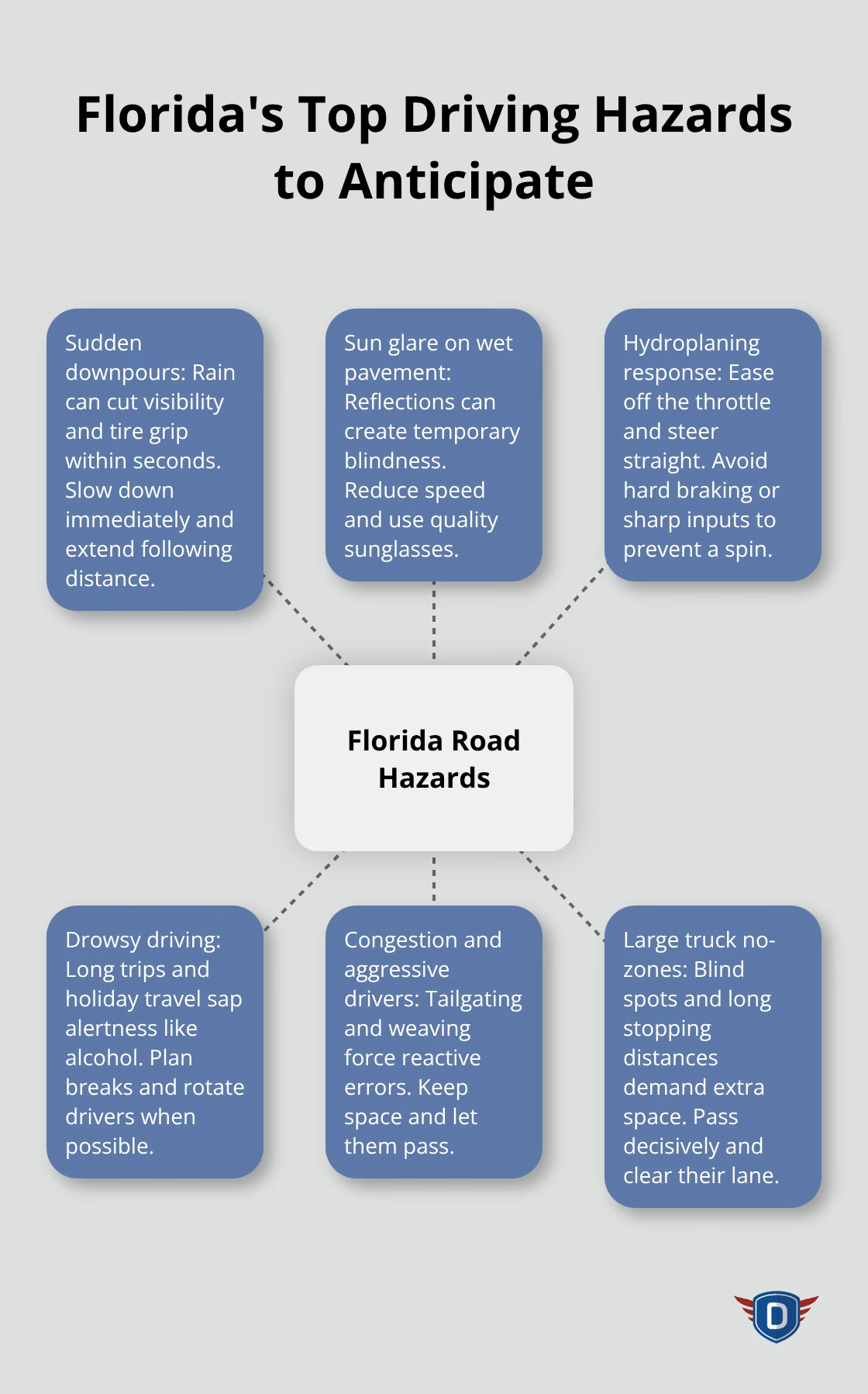
Florida’s traffic environment differs fundamentally from most states, and that difference directly impacts accident rates and severity. The state’s weather shifts rapidly-sudden downpours reduce visibility and road grip within seconds, while intense sun glare on wet pavement creates hydroplaning conditions that catch drivers off guard. If you hydroplane, ease off the throttle while steering straight to prevent the panic response that causes loss of control. Drowsy driving, particularly during long summer road trips or holiday travel, impairs judgment as severely as alcohol and ranks among the highest crash contributors.
Tourism and Traffic Congestion
During peak seasons, Florida highways swell with unfamiliar drivers navigating unfamiliar roads at unpredictable speeds. Aggressive drivers exploit congestion by tailgating and weaving, forcing other motorists into reactive rather than proactive driving. The state’s Move Over Law exists precisely because stopped emergency vehicles face elevated danger on busy highways. Florida law requires drivers to maintain a careful and prudent speed that adapts to traffic and weather conditions, yet many drivers ignore this requirement, treating speed limits as minimums rather than maximums.
Following Distance and Collision Patterns
Rear-end collisions dominate Florida crash statistics, and the three-second rule means that you should remain at least three seconds behind the vehicle ahead. Most drivers fail to maintain adequate spacing, especially in heavy traffic where the temptation to close gaps becomes overwhelming. Weather adaptation separates safe drivers from accident-prone ones. Extending your following distance to four, five, or six seconds in rain or low visibility isn’t optional-it’s the difference between controlled stops and collision.
Violations, Distractions, and Special Road Users
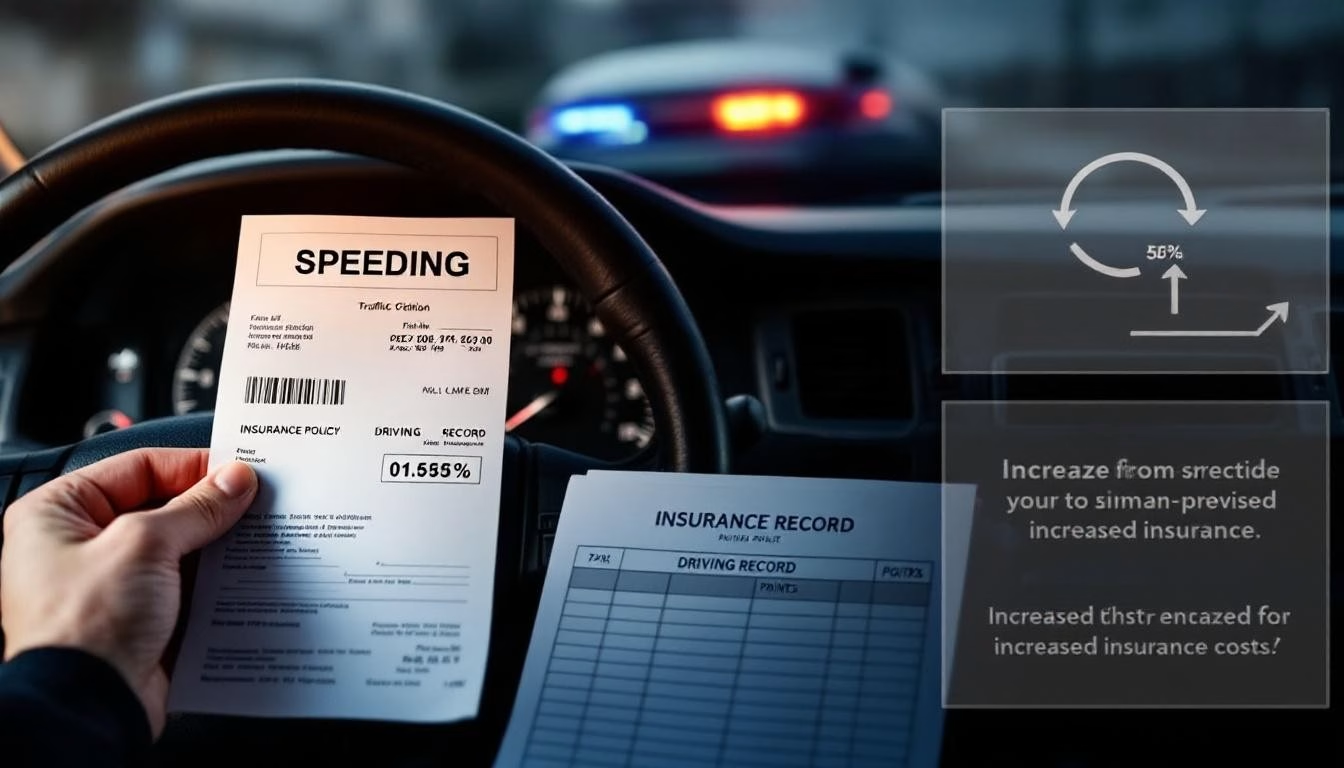
A single moving violation triggers points on your license, increases insurance premiums by hundreds of dollars annually, and creates a driving record that affects employment opportunities. Hit-and-run incidents, even those involving minor property damage, escalate consequences dramatically under Florida’s enforcement focus. Distracted driving (primarily smartphone use) ranks among the highest crash contributors, with teen drivers showing disproportionately high crash rates. Impaired driving remains persistent despite decades of awareness campaigns. Bicyclists in Florida hold the same legal status as vehicles, yet drivers frequently misjudge passing distances or ignore their presence entirely, creating preventable conflicts.
Large Vehicles and Blind Spot Awareness
Large trucks demand special attention due to their massive no-zones and significantly longer stopping distances. Passing decisively and maintaining clear distance prevents you from being trapped in blind spots where truck drivers cannot see you. These documented patterns appear consistently in Florida’s crash data and enforcement statistics, making defensive strategy not a preference but a necessity for anyone sharing Florida’s roads. Understanding these hazards sets the foundation for the core defensive techniques that transform reactive drivers into proactive ones.
The Three Techniques That Stop Accidents Before They Happen
Separation, Scanning, and Mental Discipline
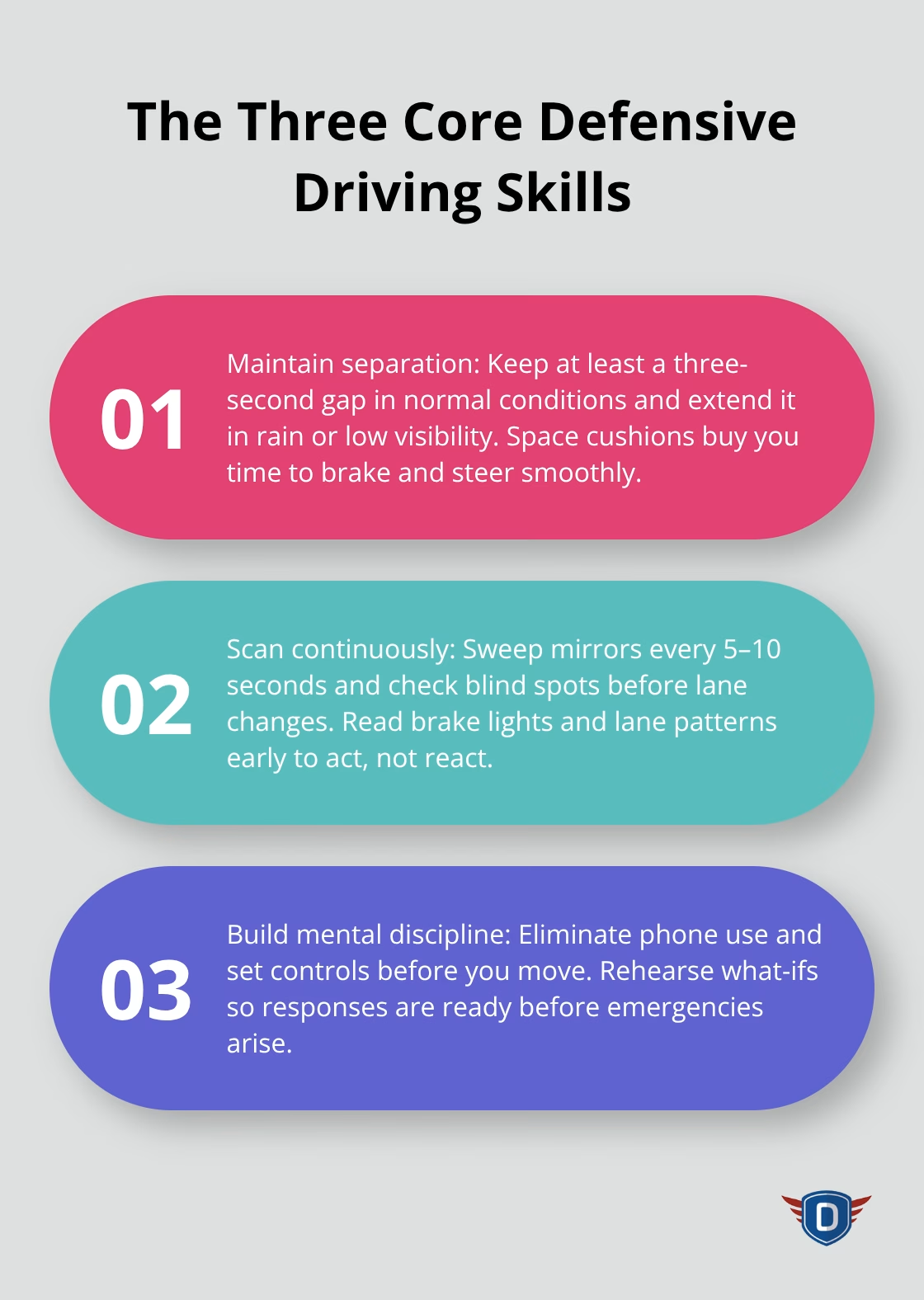
The gap between safe drivers and accident-prone drivers narrows to three measurable skills: maintaining separation from other vehicles, reading traffic patterns before they shift, and eliminating the mental lapses that cause collisions. These aren’t theoretical concepts-they’re actionable practices that produce measurable results.
Studies on defensive driving show a reduction in rear-end collisions when drivers maintain the three-second following distance, and continuous scanning and situational awareness reduce blind-spot incidents. Florida’s crash data confirms these patterns repeatedly: most preventable accidents stem from drivers who failed at one or more of these three fundamentals.
The Three-Second Rule and Speed Adaptation
The three-second rule works because it accounts for reaction time and braking distance under normal conditions. Count the seconds between when the vehicle ahead passes a fixed point and when your vehicle reaches that same point-if you count fewer than three seconds, you’re too close. In rain, extend this to four or five seconds; in heavy rain or fog, six seconds provides the safety margin that prevents panic stops from becoming collisions. Speed management means you drive to conditions, not to the posted limit. Reduce speed by 5–10 mph in wet conditions, and match the flow of surrounding traffic when safe-driving significantly slower or faster than surrounding vehicles creates unpredictability that other drivers cannot anticipate. Large trucks require extra distance because their stopping distances exceed passenger vehicles dramatically; never linger alongside them, and pass decisively to clear their blind spots entirely.
Road Scanning and Anticipation
Road scanning means your eyes move systematically across mirrors, blind spots, and the road ahead rather than fixing on a single point. Check your mirrors every 5–10 seconds, perform a continuous sweep of your surroundings, and execute a shoulder check before every lane change (the Mirror-Signal-Mirror-Shoulder-Check-Maneuver sequence prevents the blind-spot incidents that catch drivers completely off guard). Anticipate other drivers’ actions by watching for brake lights ahead, observing lane-change patterns, and noticing when vehicles slow unexpectedly; these visual cues give you seconds to adjust rather than react in panic. Mental rehearsal works: ask yourself what-if questions during normal driving-what if that pedestrian steps into the crosswalk, what if the car ahead brakes hard, what if weather suddenly worsens-so your brain has already processed responses before emergencies occur.
Eliminating Distractions for Continuous Awareness
Distraction elimination is non-negotiable because even brief lapses in attention create collision risk. Put your phone completely out of reach, not just on silent. Eating, adjusting climate controls, or searching for navigation input should happen before you drive or during complete stops. Teen drivers show the highest crash rates partly because inexperience combines with attention failures; any passenger distraction multiplies crash risk substantially. Your goal is 360-degree awareness maintained continuously, not occasional attention. This mental discipline separates drivers who arrive safely from those who arrive with police reports and escalated insurance costs.
These three techniques form the foundation for navigating Florida’s most challenging driving scenarios-heavy traffic, aggressive drivers, and unpredictable weather conditions that test your ability to stay ahead of danger rather than react to it.
Turning Defensive Techniques Into Real Driving Decisions
Managing Aggressive Drivers and Traffic Compression
Heavy traffic on Florida highways forces you to make split-second decisions that separate safe arrivals from accident reports. Aggressive drivers tailgate, weave between lanes, and create unpredictability that reactive drivers cannot handle, but your three foundational techniques transform chaos into manageable scenarios. When traffic compresses and aggressive drivers surround you, maintain your three-second cushion regardless of the pressure to close gaps-this single discipline prevents the cascade collisions that trap multiple vehicles. Never match an aggressive driver’s speed or lane changes; instead, stay in the right lane, reduce your speed by 5–10 mph below the flow if necessary, and let dangerous drivers pass ahead where you can monitor them rather than react blindly. Aggressive drivers gambling on tight spacing and high speed create their own consequences; your job involves avoiding their collisions, not competing with their recklessness. Watch for the visual cues that signal aggressive driving-rapid lane changes without signals, sudden acceleration, or close tailgating-and increase your following distance further when you detect these patterns.
Adapting to Florida’s Unpredictable Weather
Weather transforms these scenarios from manageable to genuinely hazardous, and Florida’s rapid weather shifts demand immediate adaptation. When rain begins, your instinct to maintain highway speed becomes dangerous; reduce speed immediately and extend your following distance to five or six seconds because wet pavement reduces tire grip catastrophically. Hydroplaning happens without warning when your tires lose contact with the road surface, and the correct response contradicts panic instinct-ease off the throttle and steer straight rather than braking hard or jerking the wheel, which causes the vehicle to spin. Sun glare reflecting off wet pavement creates temporary blindness that catches drivers completely off guard, so wear quality sunglasses and reduce speed when you encounter these conditions. Fog and heavy rain reduce visibility to distances shorter than your vehicle’s stopping distance at highway speed, meaning you cannot brake hard enough to avoid obstacles you cannot see; this demands speed reduction and extended following distances that feel excessive in normal driving.
Building Awareness in High-Risk Zones
High-risk scenarios demand that you build situational awareness before danger emerges rather than reacting after it appears. School zones, busy intersections, and construction areas require constant mental rehearsal-anticipate that children might step into the street without looking, that vehicles might run red lights, that construction workers might move unpredictably into traffic lanes. Scan your mirrors every 5–10 seconds and perform continuous shoulder checks before any lane change; the Mirror-Signal-Mirror-Shoulder-Check-Maneuver sequence prevents blind-spot collisions entirely when executed consistently. Large trucks create no-zones on all sides where drivers cannot see you, and lingering alongside them guarantees collision risk if they change lanes; pass decisively and completely clear their rear before returning to their lane. Intersections present extreme hazard because drivers frequently run lights or turn without checking for crossing traffic and pedestrians, so approach every intersection assuming the worst-slow your approach, scan left and right for movement, and make eye contact with pedestrians before proceeding through green lights.
Navigating Nighttime and Tourist Season Challenges
Nighttime driving amplifies risk because visibility decreases while speed often increases; turn on your headlights when wipers are in use and reduce speed accordingly because darkness hides obstacles and pedestrians. Tourist season and holiday travel periods bring unfamiliar drivers to Florida roads who lack knowledge of local patterns, so expect unpredictable lane changes, sudden exits, and confused navigation decisions. Document your route before driving to eliminate the distraction of navigation input while moving, and position yourself to avoid last-minute lane changes that force other drivers into reactive maneuvers. This continuous awareness habit means your brain processes threats before they require emergency responses, transforming high-risk scenarios into controlled driving situations where your defensive techniques prevent accidents rather than merely reduce their severity.
Final Thoughts
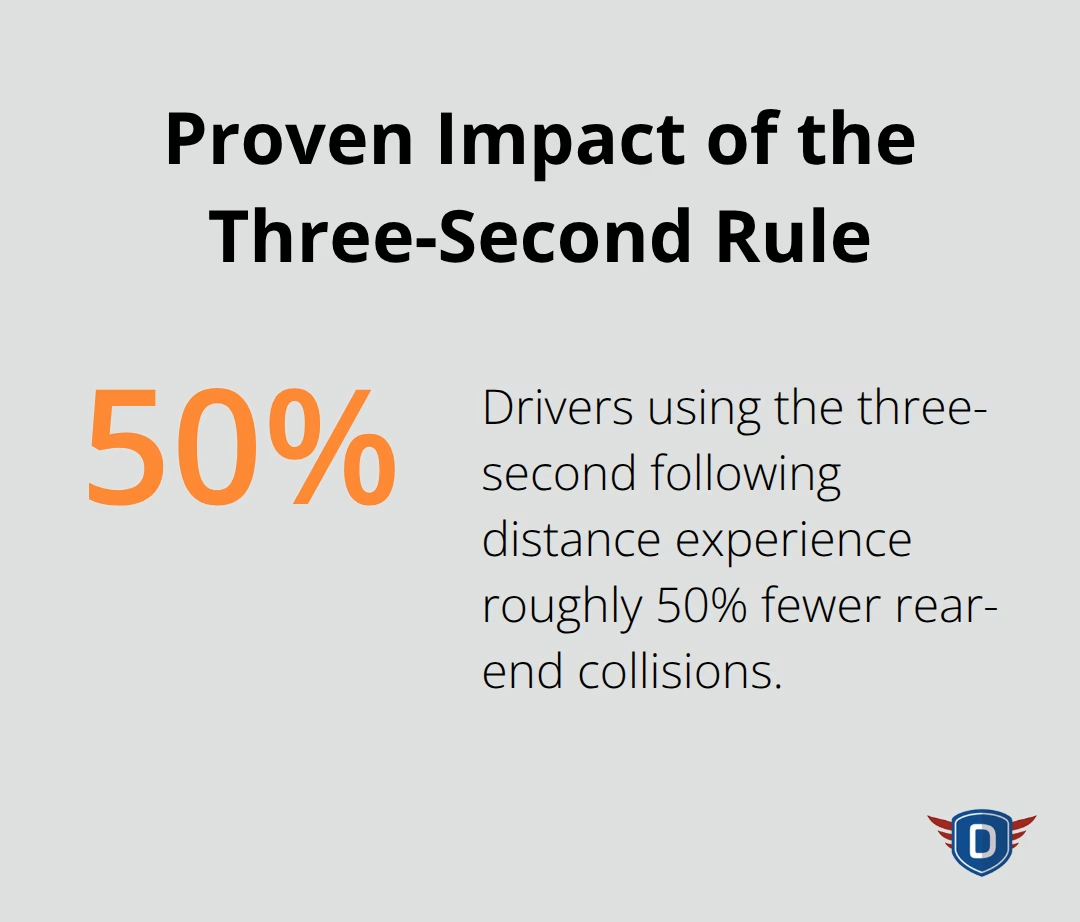
Defensive driving strategy for Florida works because it replaces reactive panic with proactive decision-making. The three techniques you’ve learned-maintaining separation, scanning continuously, and eliminating distractions-directly reduce accident rates and severity. Studies confirm that drivers using the three-second following distance experience roughly 50% fewer rear-end collisions, while consistent scanning and situational awareness reduce blind-spot incidents by 35–40%.
Insurance companies recognize defensive driving’s impact, and drivers who complete Florida-approved courses often qualify for premium discounts that offset course costs within months. You gain the confidence that comes from knowing you’ve prepared for Florida’s specific hazards-sudden weather shifts, aggressive drivers, heavy tourist traffic, and unpredictable road conditions that catch unprepared drivers completely off guard. Taking a structured Florida-approved course accelerates your progress beyond self-teaching.
At DriverEducators.com, our Basic Driver Improvement courses blend clear explanations with real-life scenarios that prepare you for actual driving decisions. Courses are fully online and self-paced, meaning you control when and where you learn while meeting all FLHSMV requirements. The commitment to safer roads begins with your decision to drive defensively every single time you’re behind the wheel.