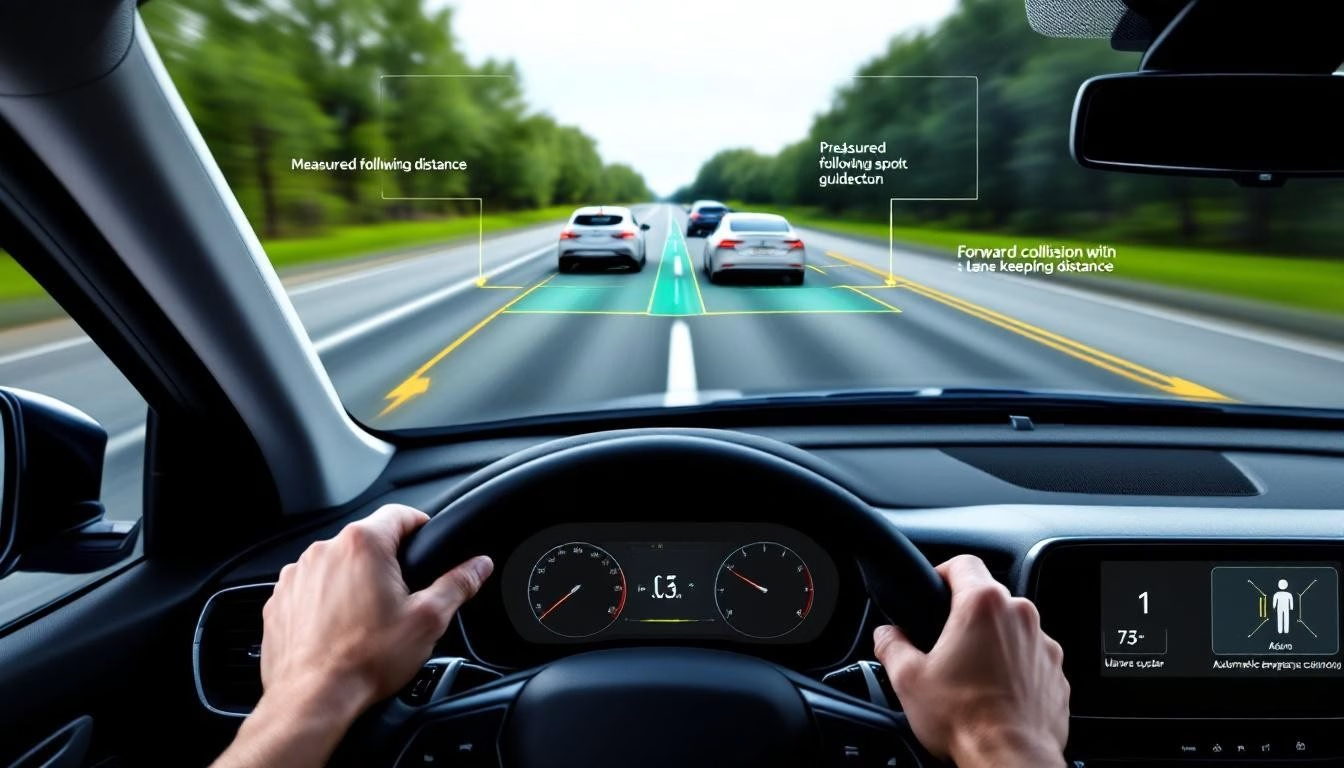
Most crashes happen because drivers make preventable mistakes. At DriverEducators.com, we’ve seen how small changes in behavior stop accidents before they start.
This guide covers crash avoidance strategies that work in real driving situations. You’ll learn what causes crashes, how to avoid them, and which tools actually help.
Why Most Crashes Happen
Distracted Driving: The Leading Preventable Cause
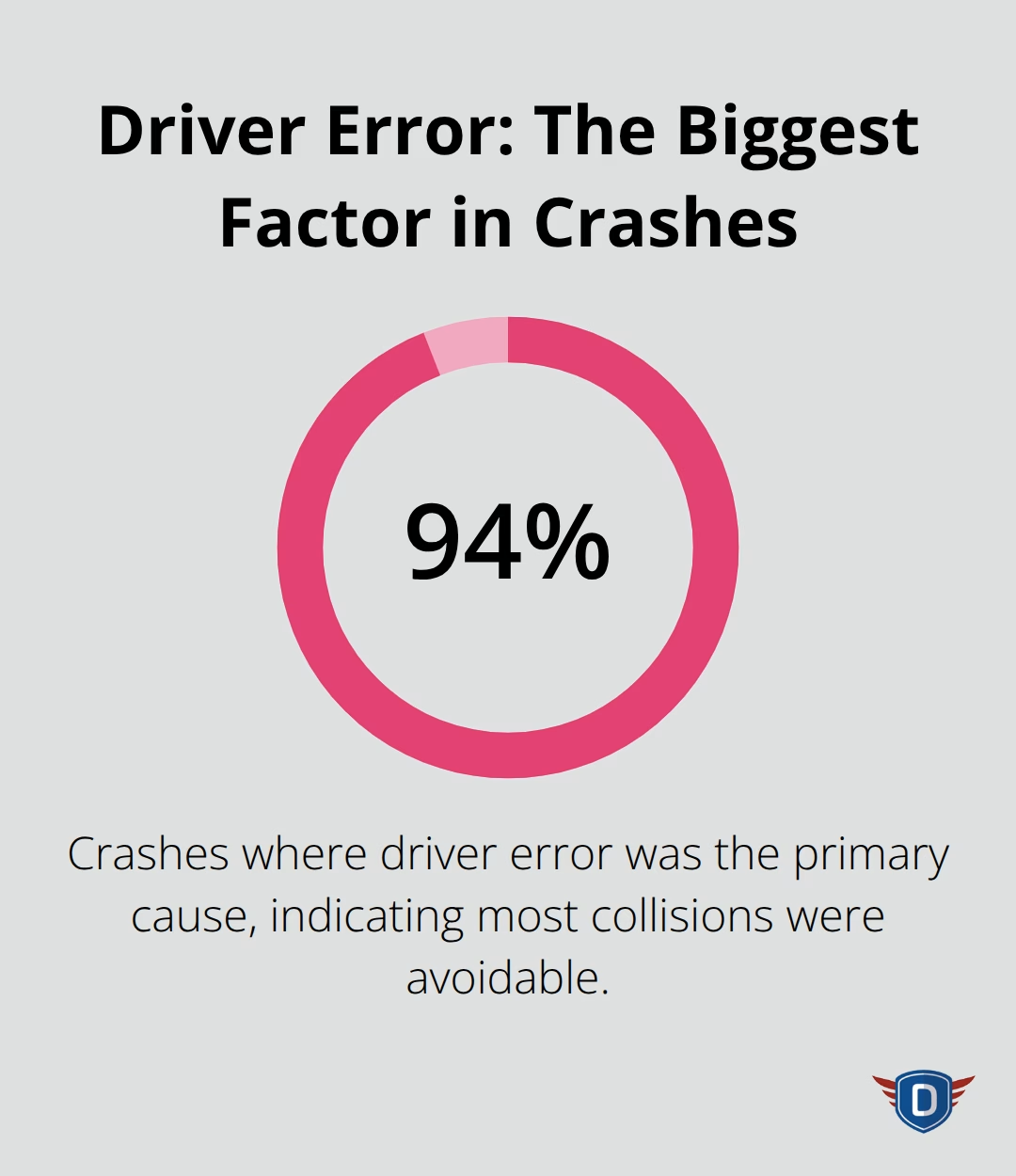
Distracted driving ranks as the leading cause of preventable crashes, and the statistics are sobering. The AAA Foundation found that electronic devices were the leading behavior, reducing attention and scene awareness, directly increasing crash risk. In 2014, NHTSA data showed that 94% of crashes involved driver error as the primary cause, meaning the vast majority of collisions were avoidable. Phone use isn’t the only distraction-grooming, eating, and adjusting controls pull focus from the road at critical moments.
The problem intensifies on highways where a single second of inattention at 60 mph means traveling 88 feet blind. No message or task is worth that risk.
Following Distance That Actually Works
Tailgating remains one of the most dangerous habits on the road, yet drivers consistently underestimate safe following distances. The standard two-second rule applies in normal conditions, but this isn’t enough when you factor in real-world variables. Your actual stopping distance depends on your vehicle’s braking power, road surface, weather, and your reaction time. Wet or icy roads increase stopping distances, which means you need significantly more space. If another driver cuts you off or brakes suddenly, that extra distance becomes your safety margin. Try adjusting your following distance based on conditions rather than treating it as a fixed rule-add a full second in rain, snow, or heavy traffic. Vehicles with Adaptive Cruise Control help maintain consistent spacing, but the technology works best when you understand the spacing it creates and why.
How Weather and Road Conditions Change Your Vehicle’s Behavior
Poor weather doesn’t just reduce visibility; it fundamentally changes how your vehicle responds. Wet roads reduce tire grip, increasing both stopping distance and the risk of skids during turns. Wind affects larger vehicles more severely but impacts all drivers, especially when passing trucks or on open highways. Speed limits are set for ideal conditions, not for rain, fog, or wind. Slowing down in hazardous conditions isn’t cautious-it’s the only rational response to physics. A 10 mph reduction in speed can mean the difference between a recoverable slide and a collision. Night driving compounds weather risks because headlights illuminate only a fraction of what you need to see, and fatigue becomes a secondary factor when conditions worsen. These environmental challenges demand that you shift your approach to speed and spacing before an emergency forces your hand.
How to Build a Spacing Buffer That Actually Works
The Three-Second Rule and Real-World Conditions
The three-second rule sounds simple, but most drivers misunderstand what it protects against. This spacing rule gives you time to react and stop if the vehicle ahead brakes suddenly, but it assumes dry roads and alert attention. In real conditions, three seconds often isn’t enough. If you follow a truck on the highway, the driver sits higher and can see hazards you cannot, which gives them reaction time you lack. If rain fell in the last hour, roads remain slick even when they look dry. Wet asphalt reduces tire grip by 25 to 50 percent depending on the road surface, which means your stopping distance increases dramatically.
Adjusting Your Gap for Hazardous Conditions
A practical approach adds one full second of spacing for each condition that reduces safety: one extra second in rain, another in heavy traffic, and another if you feel fatigued. At 60 mph, this means a five or six-second gap in poor conditions rather than the minimum three. Vehicles with Adaptive Cruise Control can help maintain consistent spacing, but the technology only works if you understand the actual stopping distances involved. If a vehicle cuts into your buffer, resist the urge to match their speed or tailgate back.
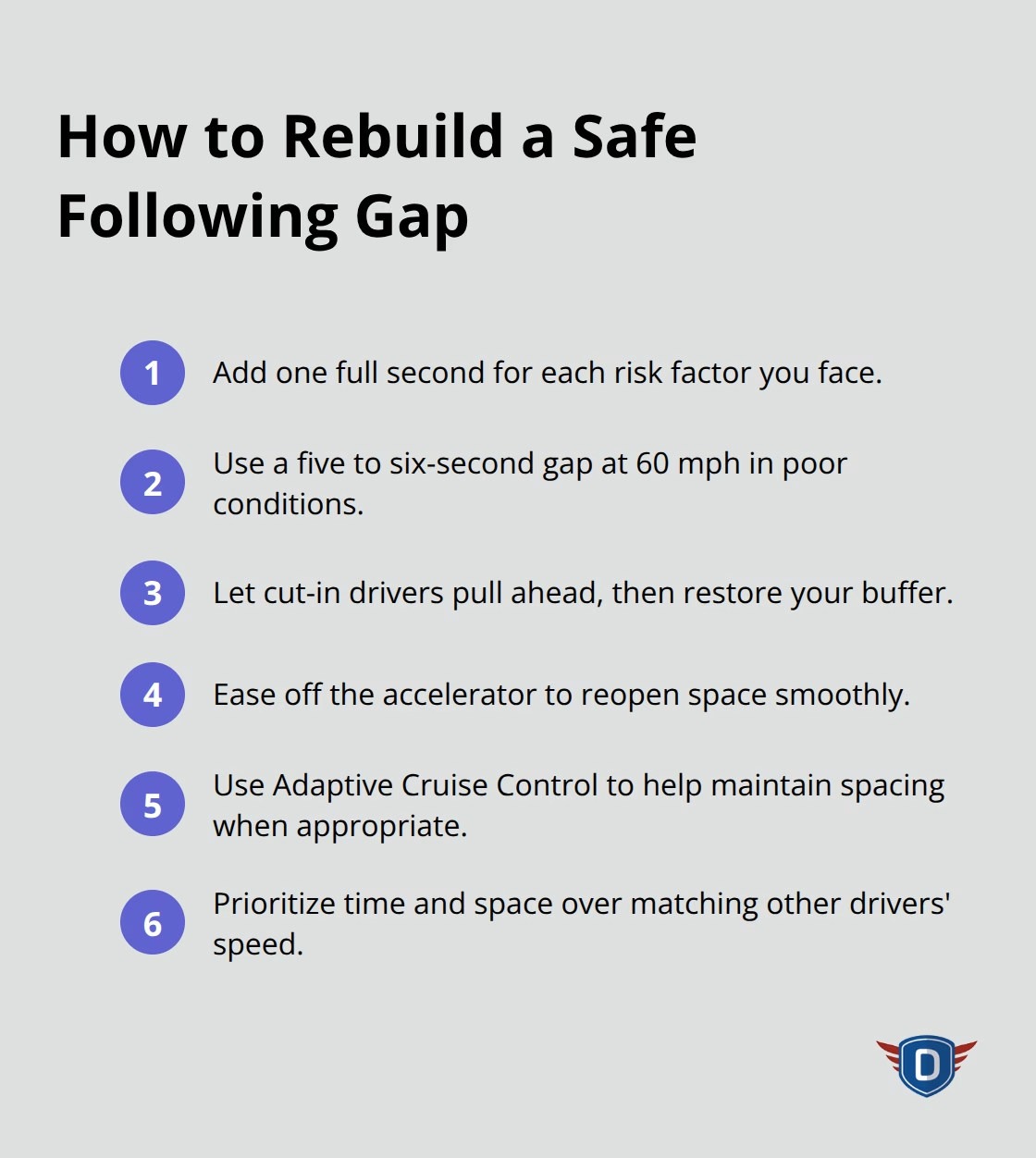
Instead, ease off the accelerator and let them pull ahead, then restore your spacing. This costs you seconds in travel time but eliminates the collision risk that tailgating creates.
Scanning Ahead to Anticipate Hazards
Scanning ahead 10 to 15 seconds before you reach a hazard gives you time to adjust speed or change lanes instead of reacting in panic. Look for brake lights flashing three or four vehicles ahead, which signals a slowdown before you see it directly. Watch for debris, potholes, or animals on the shoulder. Monitor the positioning of vehicles in adjacent lanes because sudden lane changes often precede collisions. Reduce speed before you enter curves, fog, or construction zones rather than braking hard once you are in them.
Speed Adjustments for Weather and Visibility
Wind and rain require speed cuts of 5 to 15 mph below the posted limit depending on severity. At night, reduce speed with visibility limited to about 500 feet, which isn’t enough stopping distance at high velocity. If your vehicle has poor headlights or you drive an unfamiliar road, slower speeds are the only rational response. The goal is smooth, predictable driving that gives other vehicles time to predict your movements and gives you time to avoid theirs.
Moving From Awareness to Action
These spacing and scanning techniques work only when you apply them consistently, not just in emergencies. The drivers who avoid crashes build these habits into every trip, regardless of conditions or traffic. Your next step involves learning how to react when a hazard appears despite your preparation-because even the best spacing and scanning cannot prevent every dangerous situation.
Building Crash Avoidance Into Daily Driving
Habits That Prevent Crashes
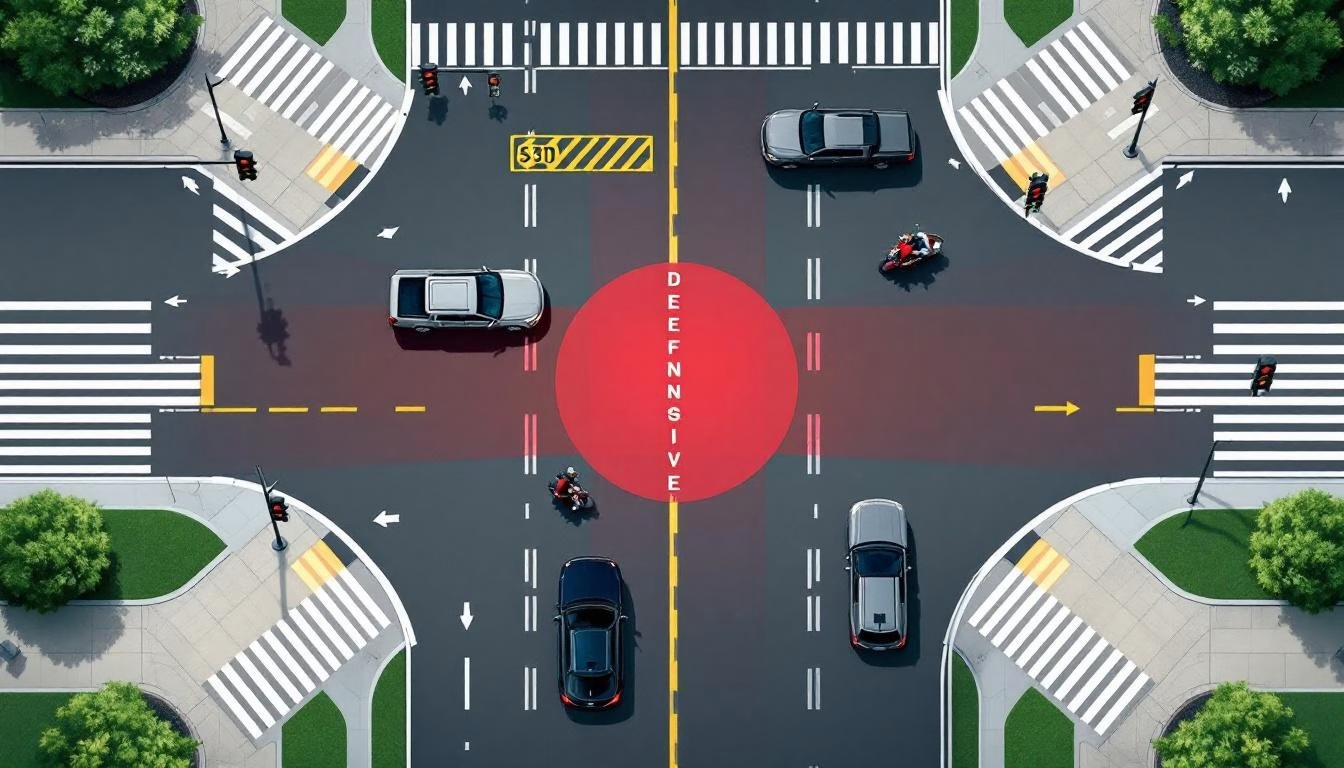
The difference between drivers who crash and those who don’t comes down to habits formed through repetition, not instinct or luck. Defensive driving isn’t a special technique reserved for emergencies-it’s a consistent approach to every mile you drive. Safe drivers make the same decisions repeatedly until those decisions become automatic. Start with one habit: before you move into traffic, scan left, right, and your mirrors in a fixed sequence every single time. This takes three seconds and prevents you from merging into occupied space. Next, establish a pre-drive vehicle check that takes 60 seconds-verify your mirrors are adjusted, your seat supports proper pedal reach, your lights work, and your tires look normal. A flat tire or dead taillight doesn’t cause crashes directly, but it removes safety margins when an emergency occurs.
Phone Use and Attention on the Road
At 65 mph, you travel 95 feet per second, which means a two-second lapse in attention covers nearly 200 feet. Most drivers believe they can handle phone notifications while driving; NHTSA data confirms this is false. The moment your eyes leave the road, your threat detection collapses. Avoiding distracted driving means pulling off the road completely if you must use your phone. Electronic devices pull your focus at the exact moments when you need it most, and no message justifies that risk.
Managing Aggressive Drivers
Aggressive drivers often trigger chain-reaction crashes by cutting off other vehicles or braking abruptly. When someone tailgates you, do not brake suddenly or match their aggression. Instead, maintain steady speed and let them pass safely. Your goal is to remove yourself from their decision-making, not to punish them for unsafe behavior. Practice these habits on low-traffic roads first, then apply them consistently on highways and in congested areas until they require no conscious thought.
Responding to Emergency Situations
Emergency situations demand immediate action, but your response quality depends entirely on how prepared you are beforehand. If your vehicle begins to skid on wet pavement, your instinct is often to brake hard-this is wrong. Release the accelerator and steer gently in the direction you want the front of the vehicle to go, and avoid sudden inputs. This works only if you’ve mentally rehearsed it, not if you’re deciding in panic. Automatic Emergency Braking systems now detect imminent collisions and apply brakes independently, but they work best when you maintain safe following distances. If a vehicle suddenly pulls into your path, your first response should be to brake firmly rather than swerve, because swerving risks colliding with vehicles in adjacent lanes.
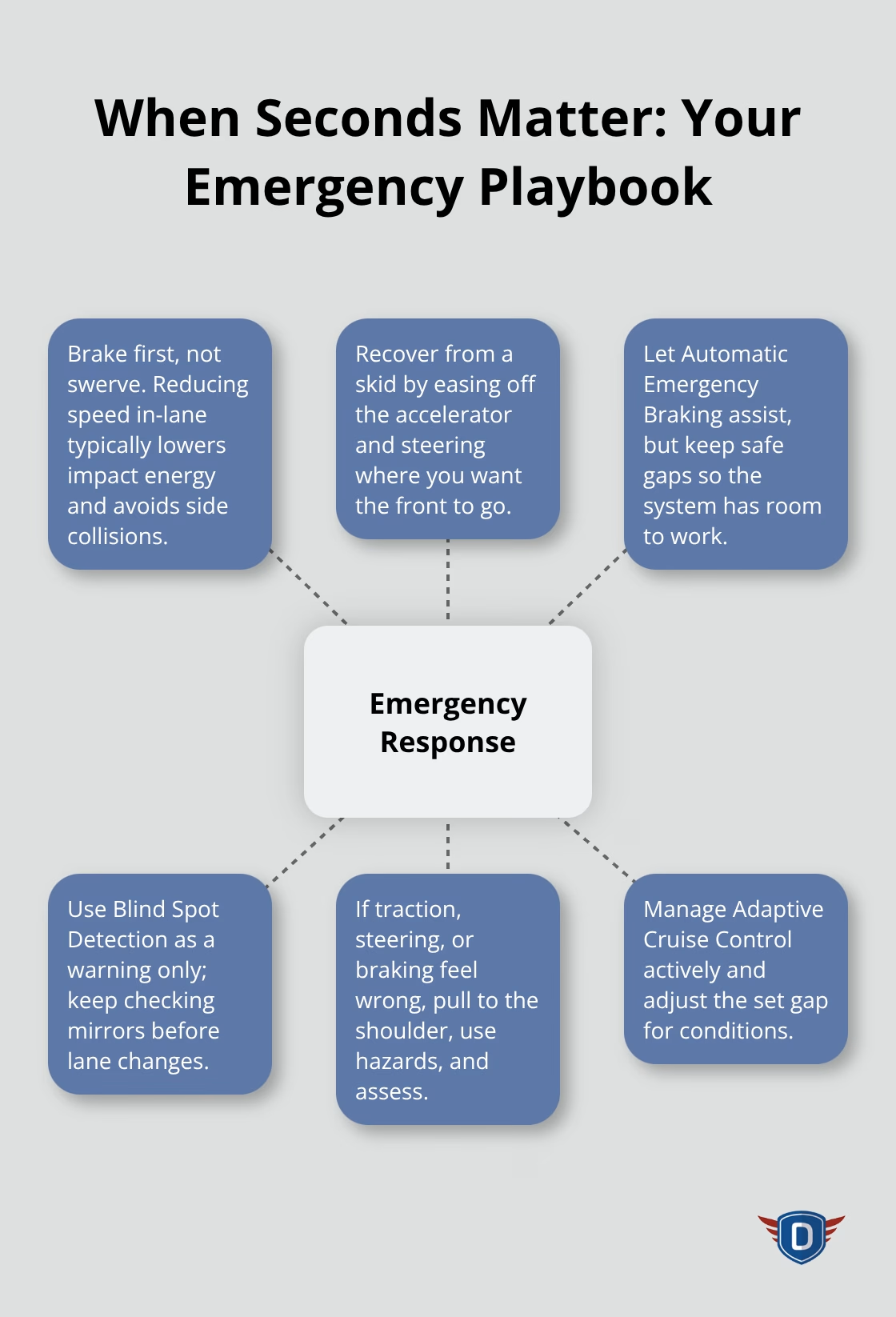
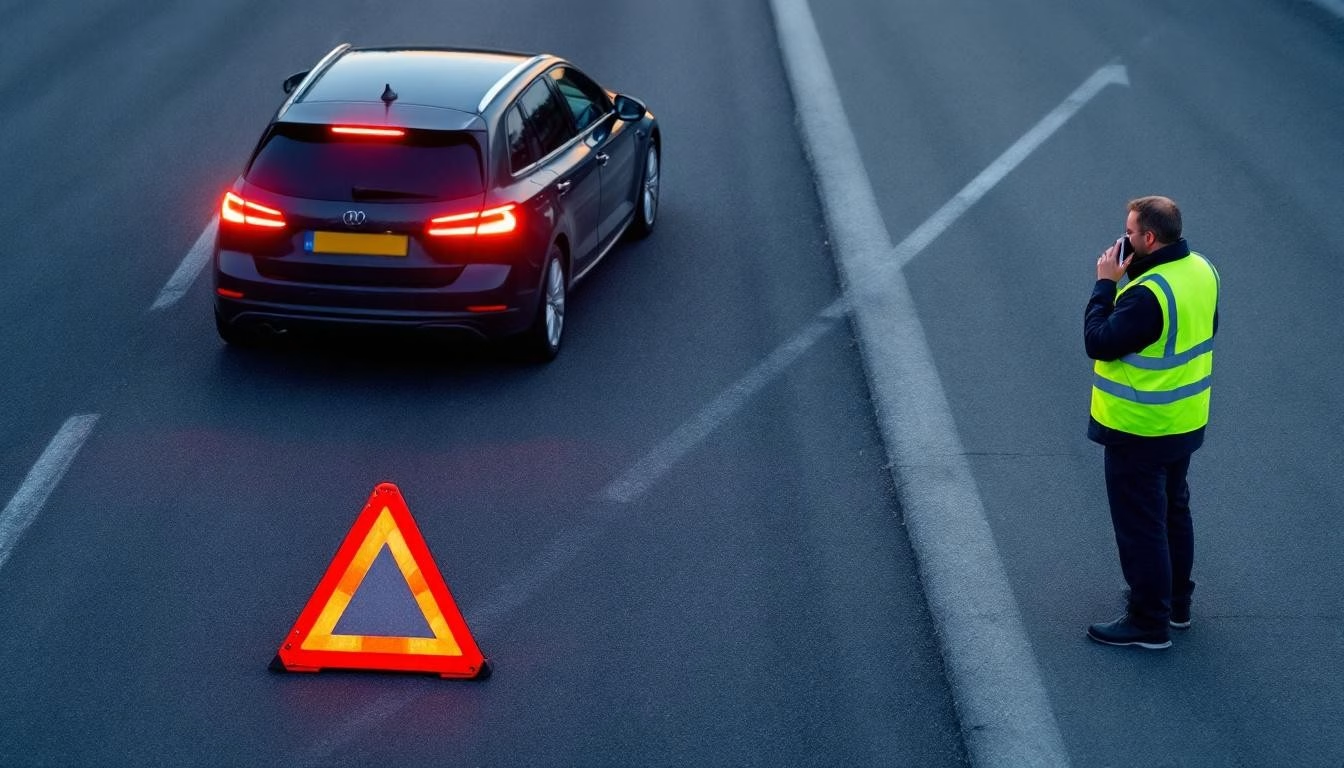
Blind Spot Detection warns you of vehicles in adjacent lanes, but the system fails if you don’t check your mirrors before changing lanes anyway. Technology assists your decisions; it doesn’t replace them. Many crashes occur because drivers freeze rather than act. If you feel your vehicle losing traction, your steering feels loose, or brake response seems weak, do not continue driving. Pull to the shoulder, turn on hazard lights, and assess the problem. A 15-minute delay costs less than a collision. Modern vehicles equipped with Adaptive Cruise Control can maintain safe spacing on highways, but only if you set the gap appropriately for conditions and stay alert to vehicles cutting in front of you. The system cannot predict that a vehicle three cars ahead will brake suddenly or that weather will worsen. Your role is to monitor the road and override the system when conditions demand manual control.
Final Thoughts
Crash avoidance strategies work because they address the root cause of most collisions: preventable driver error. The techniques covered in this guide aren’t theoretical or complicated-they’re practical habits that reduce risk every single day. Start with one change this week by adding an extra second to your following distance or committing to scan ahead before you enter curves. Within a month, these behaviors become automatic, and your crash risk drops measurably.
The long-term payoff extends beyond avoiding collisions. Drivers who practice consistent crash avoidance spend less on insurance, experience less stress on the road, and arrive at their destinations safely. Your family notices the difference, your passengers feel more secure, and over a lifetime of driving, these habits prevent injuries, deaths, and the financial devastation that follows a serious crash. Road safety isn’t something that happens to you-it’s something you create through consistent choices.
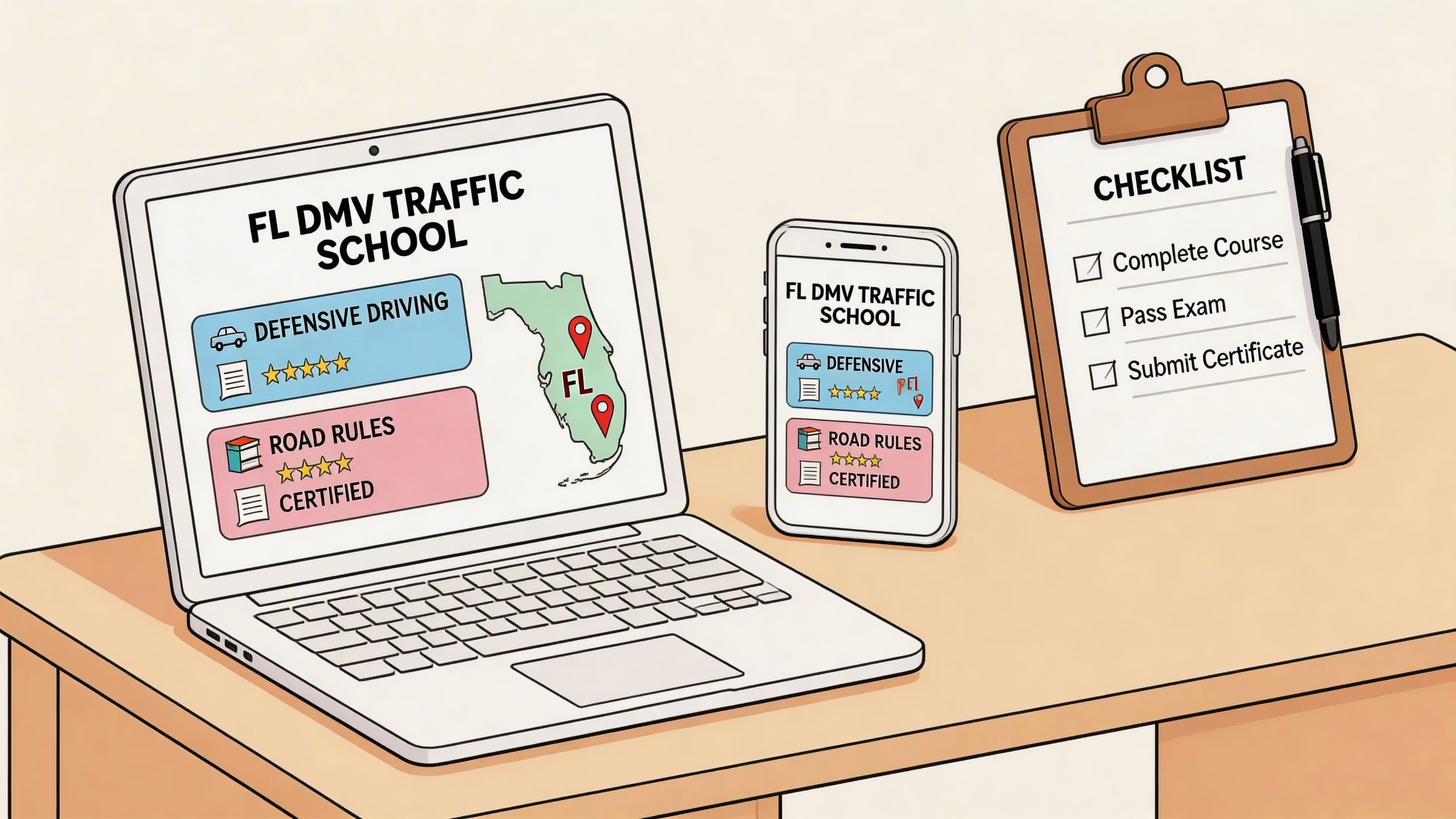
At DriverEducators.com, we help drivers build these habits through structured, practical instruction that teaches defensive driving techniques, safe following distances, and crash avoidance principles in real-world scenarios. Whether you work to improve your driving record or simply want to become a safer driver, our Florida-approved traffic school courses provide the knowledge and confidence you need. Your next trip is the perfect time to start.