
A single ticket can do more than cost money. It can raise your insurance premium, put your license at risk, and create problems if your state uses a point system that builds penalties over time. That is why many drivers look for the best ways to avoid driving points before a minor mistake turns into a bigger compliance issue.
The good news is that avoiding points is usually less about one perfect trick and more about making better decisions before, during, and after a traffic stop. Some strategies reduce your chances of being cited in the first place. Others help you respond correctly if you already received a ticket. The right approach depends on your state, your driving record, and what the citation says.
The best ways to avoid driving points start before a stop
Most points are avoidable because most tickets follow a pattern. Drivers rush when they are late, follow too closely when traffic gets tight, or use a phone for just a second and get caught at the wrong time. If you want the most reliable protection, start with habits that lower your risk every day.
Speed management is first. Many drivers think of speeding as only a problem on highways, but tickets also happen on local roads where speed limits change quickly around schools, work zones, and business districts. Keeping a wider margin between your actual speed and the posted limit gives you room for hills, traffic flow changes, and simple inattention.
Following distance matters just as much. Tailgating often leads to sudden braking, aggressive lane changes, and citations after minor crashes. Leaving more space buys time to react and makes your driving look more controlled to law enforcement.
Phone use is another major issue. In many states, wireless communications laws are strict, and officers are watching for drivers who drift, brake late, or look down at intersections. If your phone is part of your route, music, or workday, set it before the car moves and keep your hands off it.
Know which violations commonly add points
Not every ticket affects your record the same way. A parking ticket usually does not trigger license points, but moving violations often do. Speeding, careless driving, running a red light, improper lane changes, failure to yield, and distracted driving are common examples.
This matters because the best ways to avoid driving points depend on the type of violation. A low-level speeding citation may have different options than reckless driving or a crash-related offense. If the allegation is more serious, the stakes are higher and the response should be more careful.
It also matters because state rules vary. Some states assign points directly. Others track violations differently but still use them to suspend licenses, classify repeat offenders, or affect eligibility for certain remedies. If you assume your ticket is minor without checking, you may miss a deadline or option that could protect your record.
Read the ticket carefully and act fast
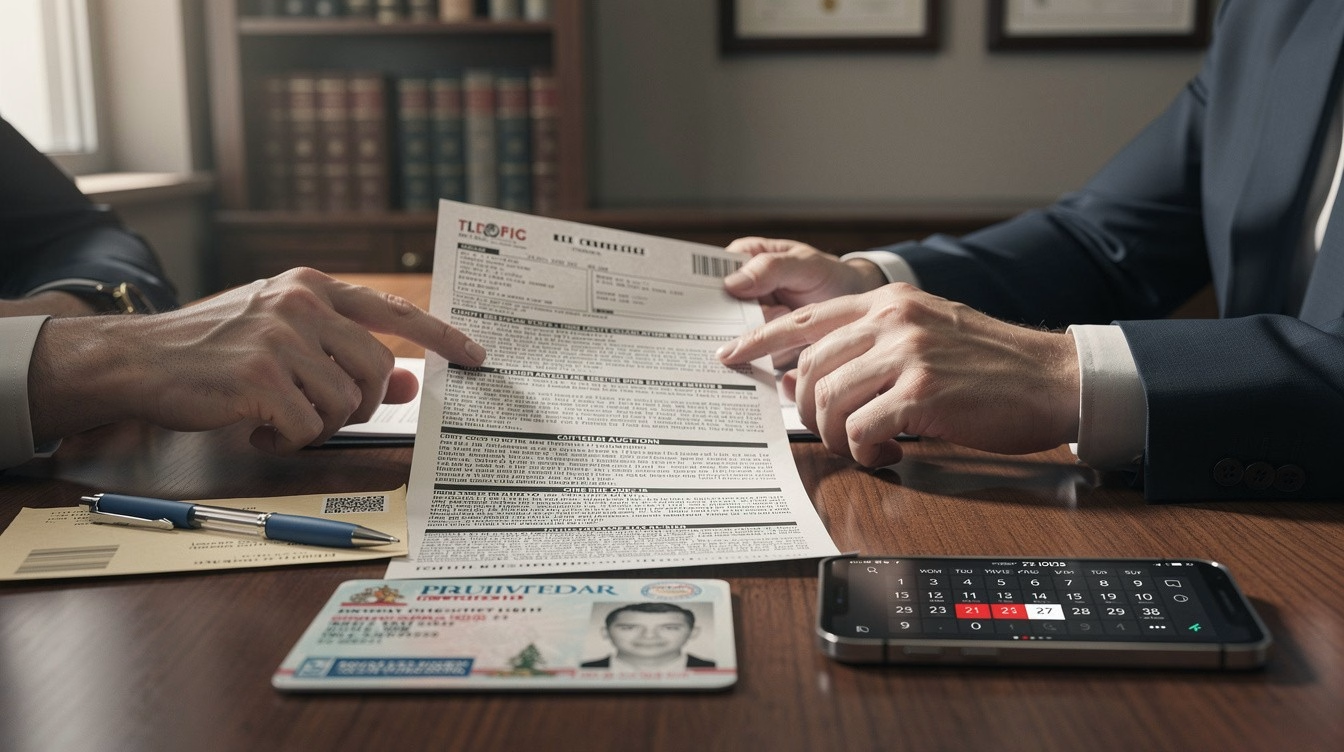
One of the biggest mistakes drivers make is waiting. Deadlines control what happens next. A ticket may include a response date, court date, payment instructions, or information about traffic school eligibility. Missing that date can remove options and sometimes lead to additional penalties.
Read every line on the citation. Confirm the exact charge, the county or court handling the matter, and whether an appearance is required. Then verify the rules for your state or court. Some jurisdictions let eligible drivers complete an approved course to avoid points or reduce the impact of a violation. Others require a plea decision first.
Acting fast also gives you time to gather details. Check your memory of the stop, road conditions, signs, and any paperwork the officer gave you. If something on the citation appears incorrect, do not assume it will automatically be dismissed, but do treat accuracy as important.
Traffic school can be one of the best ways to avoid driving points
For many drivers, an approved traffic course is one of the most practical options available. In the right situation, it may help satisfy a court requirement, support ticket dismissal, reduce points, or meet a state-approved driver improvement requirement. The exact outcome depends on state law and the terms set by the court or agency.
The key word is approved. Not every course meets every requirement. If you need a course for point reduction, citation compliance, license reinstatement support, or insurance-related purposes, make sure the program is accepted for your specific state and case type.
This is where convenience matters too. A self-paced online course can make compliance easier for busy drivers who need to finish training without taking time off work or attending a classroom session. DriverEducators.com focuses on approved online education built for those real-world needs, including drivers handling tickets, court orders, and driver improvement requirements.
Still, traffic school is not automatic. Some states limit how often you can use it. Some violations are excluded. And sometimes the court has to approve the option before you enroll. That is why checking eligibility first is worth the extra few minutes.
If you were cited, choose your response carefully
Paying a ticket is often the fastest option, but it is not always the best one. In many cases, payment is treated as an admission of the violation. That can trigger points, insurance consequences, or both. Convenience now can cost more later.
Contest the ticket if you have a valid basis and understand the process. Request a hearing if your jurisdiction allows it and if the facts support your position. This does not guarantee dismissal, but it can give you a chance to present your side or seek a reduced outcome.
In some situations, especially for more serious charges or repeat violations, legal advice may be worth considering. That is not because every ticket needs an attorney. It is because the cost of points, suspension risk, or commercial driver consequences can be higher than many drivers expect.
Keep your record clean between citations
A clean record gives you options. Courts and agencies are often more flexible with drivers who do not have a pattern of violations. If you already have points, another ticket can push you into a higher-risk category quickly.
That means defensive driving is not just about safety. It is also about preserving flexibility if something happens later. A single avoidable ticket may be manageable. A second or third one in a short period can limit course eligibility, increase penalties, and raise insurance rates more sharply.
If you drive for work, the standard should be even higher. Delivery drivers, rideshare drivers, fleet operators, and CDL holders can face employment consequences from moving violations even before a state suspension becomes an issue.
Use technology carefully, not blindly
Driver-assistance tools can help, but they are not a substitute for attention. Speed alerts, navigation warnings, and hands-free systems may reduce risk if used correctly. They can also create false confidence.
For example, a speed alert is useful if you treat it as a reminder. It is less useful if you rely on it so heavily that you stop checking signs. The same goes for lane assistance, adaptive cruise control, and collision warnings. These features support safer habits, but they do not erase your responsibility for the vehicle.
A simple setup works best. Mount the phone legally if your state allows it, program the route before moving, and reduce in-car distractions. The goal is fewer decisions behind the wheel, not more gadgets competing for your attention.
FAQ
What are driving points?
Driving points are penalties added to your driving record after certain traffic violations. States use them, or similar tracking systems, to measure repeat unsafe driving.
Can I avoid points by paying the ticket?
Usually no. Paying often counts as admitting the violation. That can lead to points if the offense qualifies.
Is traffic school guaranteed to remove points?
No. It depends on your state, the court, and the violation. You must confirm eligibility before enrolling.
Do all states use a point system?
No. Some states use different record or violation tracking methods. Even without formal points, tickets can still affect your license and insurance.
Will one ticket suspend my license?
Usually not, but it can happen with serious offenses. Suspension risk is higher for repeat violations, major charges, or probationary drivers.
Can online driver improvement courses help?
Yes, if the course is approved for your situation. Online options are often the most convenient way to meet court or state requirements.
The safest strategy is the least stressful one: drive in a way that keeps you out of the citation process entirely, and if a ticket does happen, respond early, verify your options, and protect your record with the right approved steps.