Road safety apps transform how drivers navigate today’s challenging roads. These digital tools provide real-time alerts, monitor driving behavior, and offer instant emergency response features.
At DriverEducators.com, we’ve tested dozens of safety applications to identify the most effective options. The right app can reduce accident risk by up to 23% according to recent insurance industry data.

Which Apps Actually Prevent Road Accidents
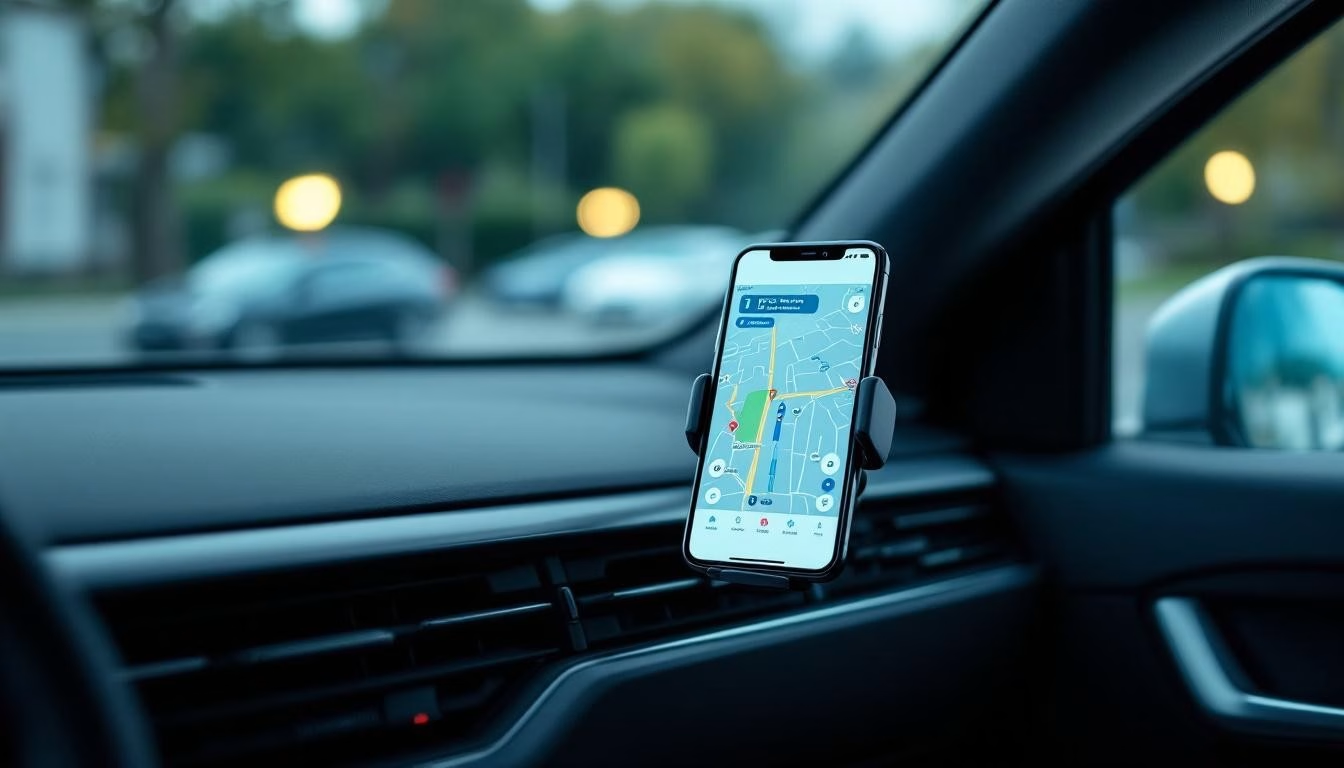
Waze stands as the most effective navigation app for safety, providing real-time alerts about construction zones and traffic incidents that help reduce crash risk according to highway safety data. The app’s community-driven system identifies dangerous road conditions, police presence, and traffic incidents before drivers encounter them. Google Maps offers similar safety features but lacks Waze’s detailed hazard alerts. Sygic GPS Navigation works offline, making it ideal for rural areas where cell coverage fails completely.
Speed Monitors That Actually Work
OnMyWay delivers the strongest speed control system, automatically disabling phone functions when vehicles exceed 10 mph. The app has demonstrated crash prevention capabilities since launch while offering cash rewards for safe drivers. TrueMotion Family reduces distracted events by 75% through real-time speed tracking and violation alerts. These apps outperform basic speedometer warnings because they combine active monitoring with immediate consequences for unsafe behavior.
Apps That Block Phone Distractions
LifeSaver automatically locks phone features when drivers start their vehicles, creating safety scores that parents can monitor remotely. The app prevents all phone manipulation (unlike competitors that allow emergency overrides). EyezUP provides similar functionality but focuses specifically on teen drivers with stricter controls. DriveMode converts phones into hands-free devices, enabling voice commands for navigation while blocking text notifications completely.
Reward-Based Safety Systems
SAFE 2 SAVE transforms safe habits into a game by rewarding distraction-free minutes with points redeemable at local businesses. This positive reinforcement approach creates lasting behavior change rather than simple punishment for violations. The app tracks phone usage patterns and provides detailed analytics on improvement areas, making safety measurable and achievable for all driver types.
These prevention-focused apps address the root causes of accidents, but drivers also need tools that monitor and analyze their overall performance patterns.
Essential Features to Look for in Safety Apps
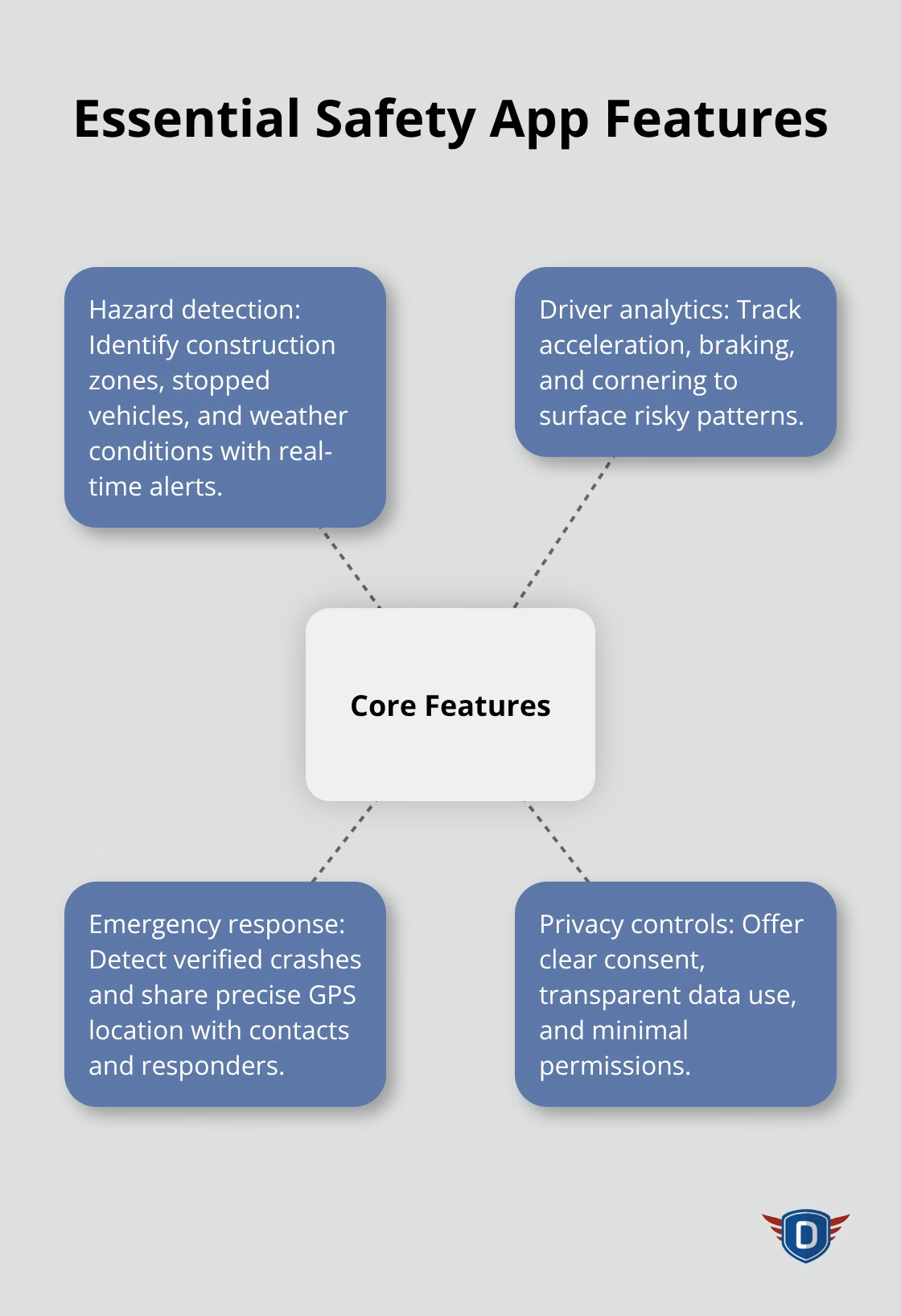
Real-time hazard detection separates effective safety apps from basic navigation tools. Apps must identify construction zones, stopped vehicles, and weather conditions to provide meaningful protection. Waze leads this category by processing user reports, while Google Maps relies primarily on traffic sensor data that misses many road hazards. Drivers who use real-time alert systems experience fewer rear-end collisions compared to those who use standard GPS navigation.
Driver Analytics That Change Behavior
Comprehensive behavior tracking requires apps to monitor acceleration patterns, brake intensity, and corner speeds through smartphone accelerometers and GPS data. TrueMotion Family provides detailed analytics by measuring driving metrics per trip, including phone usage duration and speed limit violations. ZenRoad calculates risk scores based on trip data points and offers specific improvement suggestions for each driver. Apps that only track basic metrics like total miles or average speed fail to identify dangerous habits that cause accidents.
Emergency Response Systems That Save Lives
Automatic crash detection technology must differentiate between actual collisions and sudden stops to avoid false alarms that waste emergency resources. LifeSaver uses advanced impact algorithms that analyze G-force patterns and vehicle deceleration rates to trigger emergency contacts of verified crashes. Emergency response features become worthless if they cannot pinpoint exact accident locations, so GPS accuracy remains essential for effective first responder dispatch.
Data Privacy and Security Standards
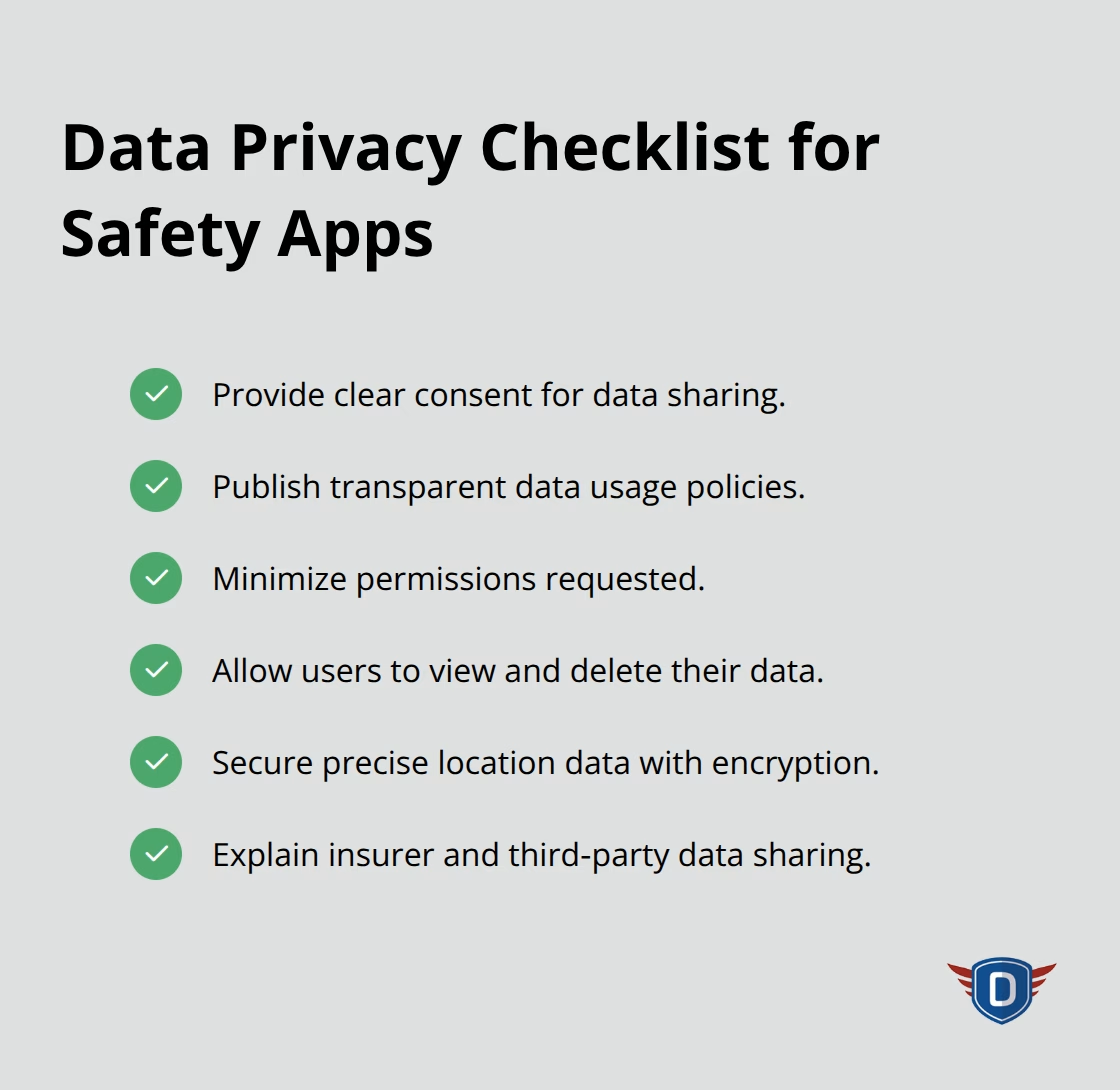
Safety apps collect sensitive location data, driving patterns, and personal information that requires robust protection measures. Apps should provide clear consent processes for data sharing and transparent policies about information usage (as seen in DriveWell Go and ZenRoad). Users must understand exactly what data companies collect and how they share this information with insurance providers or third parties.
These technical features form the foundation of effective safety apps, but the real value comes from how these tools actually improve driver performance and create lasting behavioral changes through accident prevention strategies.
How Safety Apps Transform Driver Behavior
Safety apps change driver behavior through precise measurement systems that track acceleration patterns, braking force, and cornering speeds with smartphone sensors. TrueMotion Family analyzes driving data per trip, including phone usage duration and speed violations, then delivers specific feedback within minutes of each drive. Research shows that people using the TrueMotion app drove 75 percent safer than those not using it. DriveWell Go processes billions of trip records to identify dangerous patterns like hard acceleration or late braking. The app provides drivers with exact improvement targets rather than vague safety suggestions. This data-driven approach works because drivers receive immediate, measurable feedback on specific behaviors that cause accidents.
Real-Time Coaching Systems That Work
Modern safety apps deliver instant voice alerts when drivers exceed speed limits or use phones inappropriately. This creates immediate behavior modification rather than delayed feedback. ZenRoad calculates risk scores during trips and provides audio warnings for dangerous maneuvers like rapid lane changes or following too closely. SAFE 2 SAVE transforms safe driving into competitive challenges. The app awards points for distraction-free minutes, which drivers can redeem at local businesses for tangible rewards. This gamification approach generates lasting behavior change because drivers develop positive associations with safe habits rather than simply avoiding punishment for violations.
Educational Integration That Prevents Accidents
Effective safety apps combine behavior tracking with targeted educational content that addresses specific driver weaknesses identified through data analysis. Apps like EverDrive provide customized safety tips based on individual patterns (such as braking techniques for drivers who show frequent hard stops or following distance guidance for tailgating violations). The most successful apps integrate educational modules directly into post-trip reports. This makes safety training relevant and actionable rather than generic. Drivers who receive personalized education based on their actual data show improved safety scores compared to those who use basic tracking apps without educational components.
Long-Term Habit Formation Through Technology
Safety apps create lasting behavioral changes through consistent monitoring and positive reinforcement systems that reward safe practices over time. OnMyWay users report maintaining safer habits even after stopping app usage because the technology helped establish new driving routines. Apps track progress over weeks and months, showing drivers measurable improvements in their safety scores (which motivates continued safe behavior). The most effective apps combine immediate feedback with long-term progress tracking to create permanent changes in driver behavior patterns. Professional truck drivers who master defensive techniques reduce their accident risk by 40% while protecting other road users.
Final Thoughts
Road safety apps deliver measurable accident prevention when drivers select the right combination of features for their specific needs. Navigation apps like Waze provide real-time hazard alerts, while distraction blockers like LifeSaver and OnMyWay prevent phone-related crashes through automatic controls. Behavior tracking apps such as TrueMotion Family and ZenRoad create improvements through data-driven feedback and reward systems.
Technology alone cannot replace fundamental safe driving skills and defensive techniques. The most effective approach combines app-based monitoring with proper driver education that builds core competencies. Road safety apps work best when drivers understand traffic laws, hazard recognition, and vehicle control principles that form the foundation of safe driving.
New drivers benefit most from comprehensive tracking apps that provide detailed feedback on acceleration, braking, and phone usage patterns. Experienced drivers should focus on specialized tools that address specific weaknesses like speed monitoring or emergency response features (parents managing teen drivers need apps with robust monitoring capabilities and clear reporting systems). We at DriverEducators.com recommend pairing road safety apps with professional driver education that teaches essential skills these digital tools cannot replace.