Every year, defensive driving prevents thousands of collisions and saves lives on American roads. Yet many drivers still rely on reactive habits instead of proactive techniques that actually work.
We at DriverEducators.com know that the benefits of defensive driving go far beyond accident prevention-they lower insurance premiums, reduce fuel costs, and protect you legally when collisions happen. This guide shows you exactly how to drive defensively and why it matters.
What Defensive Driving Actually Means
Defensive driving means you anticipate hazards on the road and respond with safe decisions before problems develop. It differs fundamentally from simply following traffic laws. A driver who obeys speed limits and stops at red lights might still cause a crash if they fail to watch for the drunk driver weaving between lanes or the pedestrian about to step into the street. The National Safety Council reports that motor vehicle crashes occur every 5 seconds in the United States, with 44,680 deaths recorded in 2024. Most of these crashes happen because drivers react after danger appears instead of preparing for it beforehand.
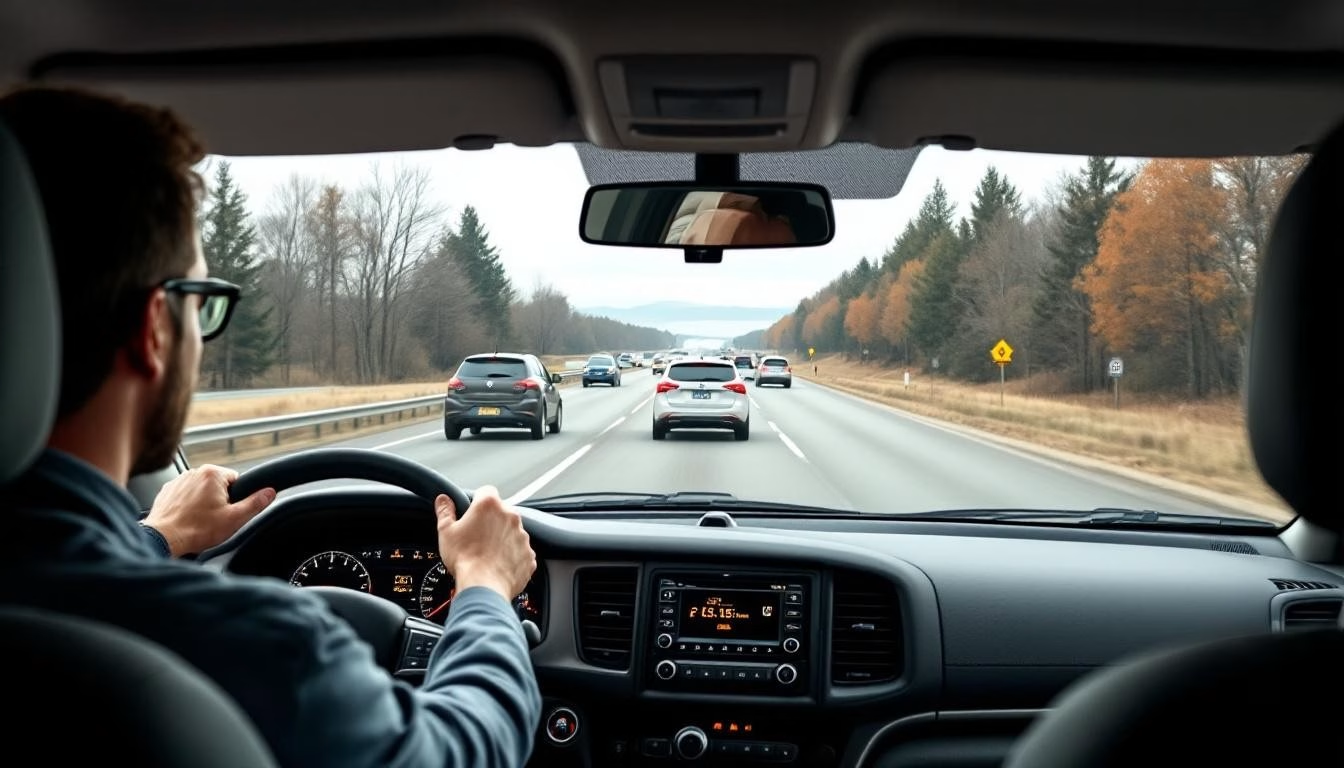
Defensive driving flips this approach entirely. You constantly scan the road ahead, check mirrors every 10 to 15 seconds, monitor blind spots, and predict what other drivers will do before they do it. The Occupational Safety and Health Administration notes that aggressive driving and distracted driving cause the majority of serious collisions. Defensive drivers eliminate both by staying focused and calm, adjusting their speed to match conditions, and maintaining enough space between vehicles to stop safely.
The Attitude That Changes Everything
Your mindset behind the wheel determines whether you truly drive defensively or just go through the motions. Defensive drivers operate under one core principle: assume other drivers will make mistakes. This isn’t pessimism-it’s realism. A driver who assumes everyone else will follow the rules gets caught off-guard when someone runs a red light or drifts into their lane. A defensive driver who expects these errors stays alert and positioned to avoid them.
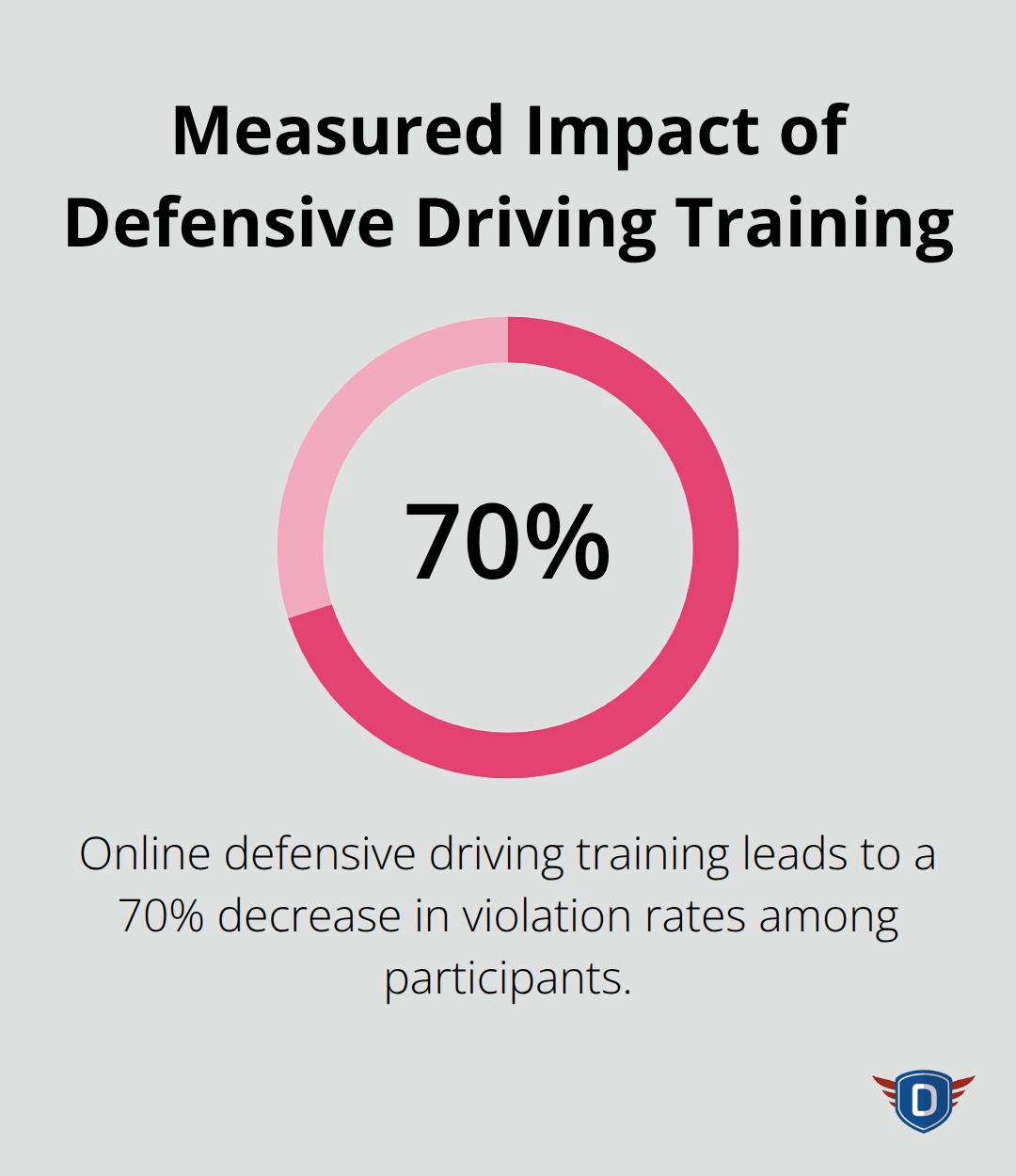
This attitude also extends to managing your own emotions on the road. Road rage and aggressive driving cost drivers money and lives. When you stay calm, you make rational decisions instead of reactive ones. A defensive driver who encounters a rude motorist takes a breath, gives extra space, and continues safely to their destination rather than escalating the situation. The National Safety Council found that online defensive driving training leads to a 70% decrease in violation rates among participants, demonstrating that this mindset shift produces measurable results.
How Weather Demands Attitude Adjustments
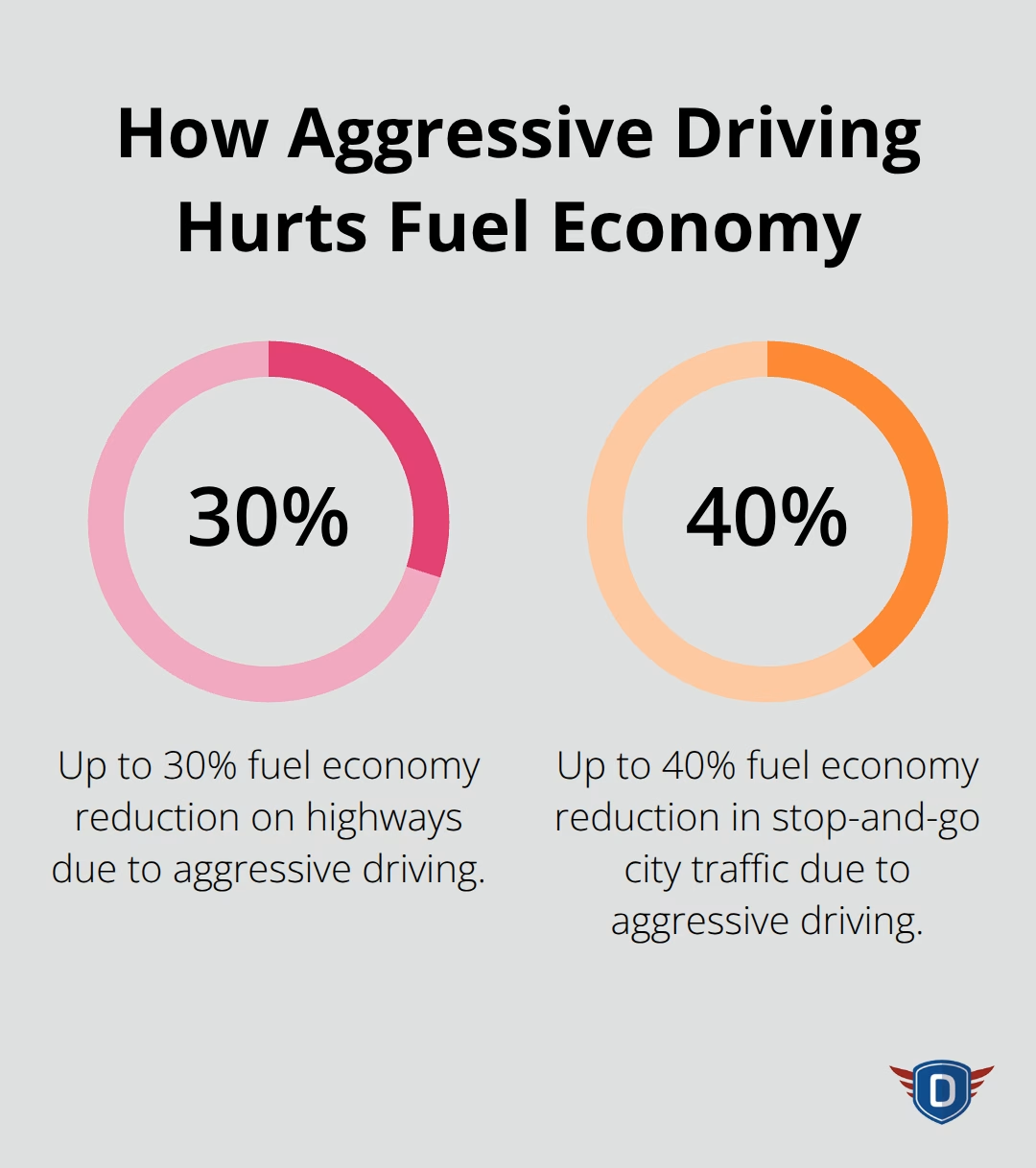
Weather conditions require you to shift your defensive approach. The EPA notes that aggressive driving can reduce fuel efficiency by 15 to 30% on highways and 10 to 40% in stop-and-go traffic. Defensive drivers smooth their acceleration and braking, which protects their vehicle and wallet simultaneously. Rain, snow, and fog all demand slower speeds and wider following distances-adjustments that only happen when you adopt a defensive mindset rather than rushing to your destination.
This foundation of attitude and awareness sets the stage for the specific techniques that make defensive driving work in real situations.
What Defensive Driving Really Saves You
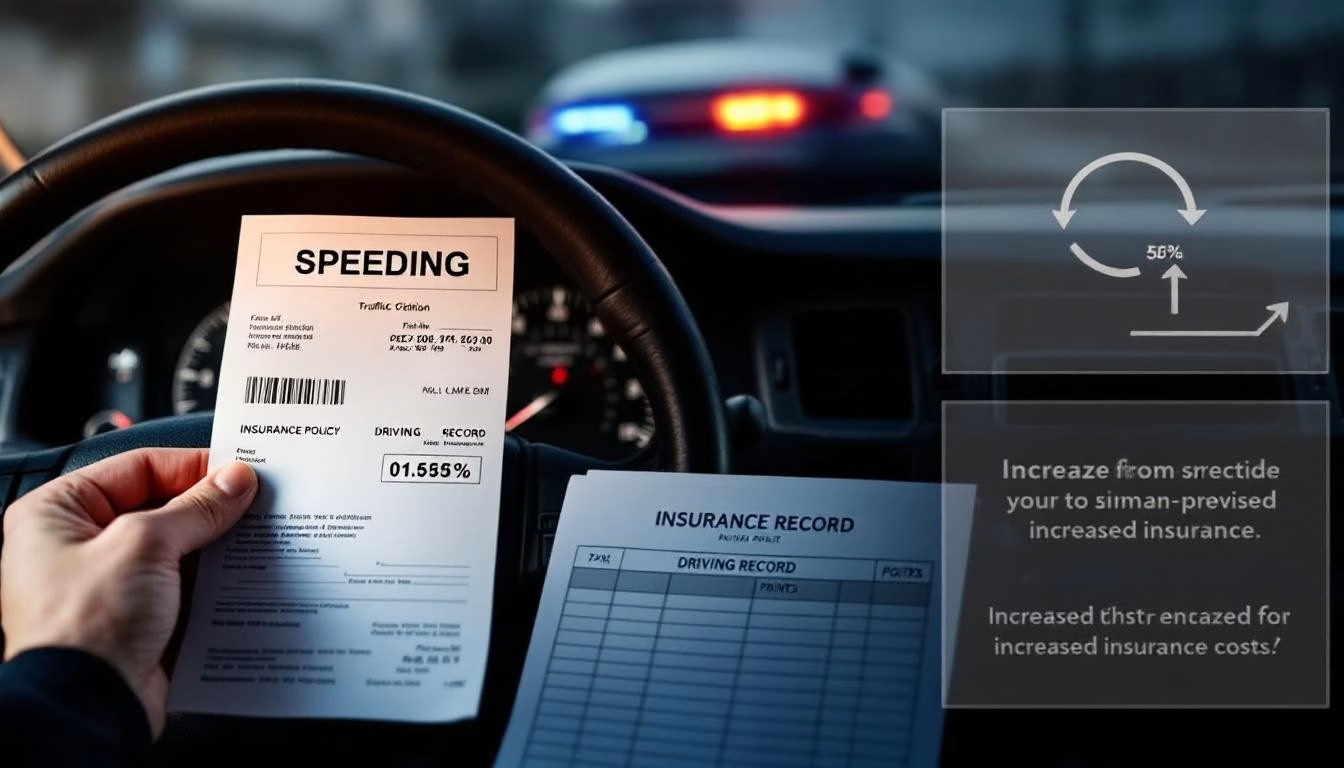
Defensive driving delivers measurable financial and safety returns that extend far beyond avoiding a single accident. Insurance companies recognize this reality by offering discounts of 5 to 20 percent off premiums for drivers who complete a state-approved defensive driving course, with many discounts lasting three to five years. A driver paying $1,200 annually for auto insurance could save $60 to $240 per year through a single course-savings that compound across multiple policy renewal periods. The National Highway Traffic Safety Administration emphasizes that defensive drivers are significantly less likely to be involved in crashes, which directly translates to lower claims frequency and reduced insurance payouts that carriers pass back to safer drivers.
How Defensive Driving Protects Your Fuel Budget
Beyond premiums, defensive driving protects your wallet through fuel efficiency. The EPA found that aggressive driving reduces fuel economy by 15 to 30 percent on highways and 10 to 40 percent in stop-and-go city traffic. A driver commuting 30 miles daily in stop-and-go conditions might spend an extra $1,500 to $2,000 annually on fuel simply through aggressive acceleration and hard braking.
Defensive drivers who accelerate smoothly and brake gradually maintain consistent speeds that preserve fuel efficiency while simultaneously reducing wear on brake pads, transmission fluid, and engine components. Lower maintenance costs follow naturally from this smoother driving pattern.
The Life-Saving Impact of Defensive Techniques
The injury and fatality reductions from defensive driving represent the most significant benefit. Motor vehicle crashes killed 44,680 Americans in 2024 according to the National Safety Council, and the Occupational Safety and Health Administration reports that a single crash costs employers approximately $16,500 on average-rising to roughly $74,000 when injuries occur and exceeding $500,000 when fatalities result. Defensive drivers who maintain a three-second following distance and scan the road every 10 to 15 seconds catch hazards before they become collisions. In rain or fog, extending that following distance to four or five seconds prevents rear-end crashes that occur when visibility drops.
Legal Protection Through Defensive Practices
Liability protection emerges naturally when you drive defensively. Insurance companies and courts recognize that defensive drivers who follow traffic laws, maintain safe speeds, and document their careful driving practices face significantly lower liability exposure in collisions caused by other drivers. A defensive driver who maintains proper following distance and has witnesses to their safe behavior holds stronger legal standing when hit from behind by a reckless driver. These documented safe habits (consistent speeds, proper spacing, alert scanning) create a clear record that courts and insurers value when determining fault and liability.
Moving From Awareness to Action
The defensive mindset transforms you from a victim of road conditions into an active participant controlling your own safety-and your financial future. Understanding these benefits motivates the shift toward specific techniques that work in real driving situations, which we explore in the next section.
How to Actually Drive Defensively
Master the Three-Second Rule
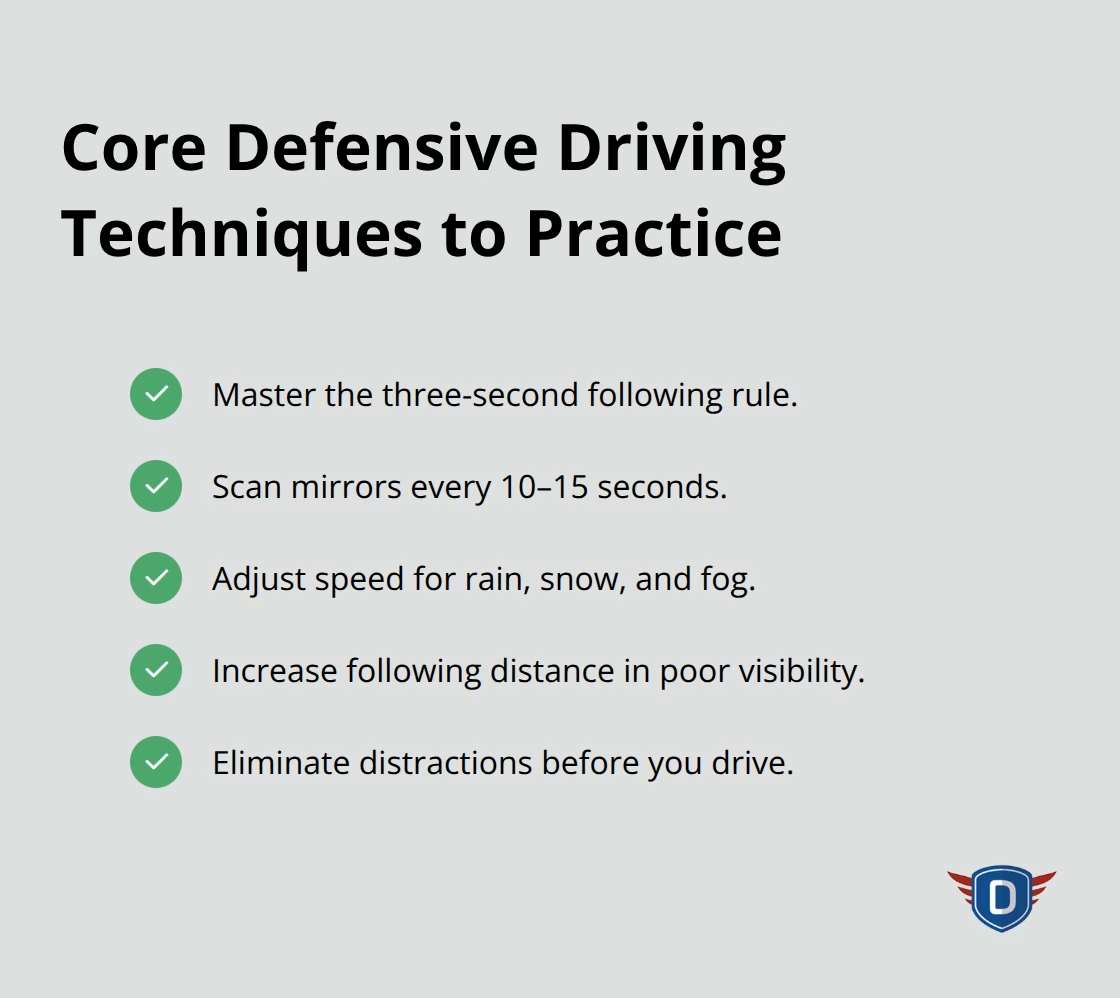
The three-second rule forms the foundation of safe following distance, and it works by selecting a fixed point ahead-a road sign, tree, or pavement marking-then counting the seconds from when the vehicle in front passes that point until your vehicle reaches it. If you count fewer than three seconds, you’re too close and need to back off. In rain or fog, extend this to four or five seconds because wet roads increase stopping distance depending on conditions. The National Safety Council emphasizes this technique because rear-end collisions represent one of the most preventable crash types, yet they remain common because drivers misjudge their following distance. Test yourself on your commute this week by actually counting-most drivers discover they’re following much closer than they thought, which means they’re carrying unnecessary crash risk every single day.
Scan Your Environment Constantly
Constant road scanning means looking far ahead, not just at the bumper in front of you, and checking your mirrors every 10 to 15 seconds without fail. This rotation catches hazards before they become emergencies: the car two vehicles ahead braking hard, the pedestrian stepping off the curb, the cyclist weaving through traffic, the pothole that could blow a tire. Your eyes should travel in a pattern-far ahead, left mirror, right mirror, blind spot, back to the road ahead-creating a cycle that takes about five seconds. Most crashes happen because drivers fixate on the immediate threat rather than scanning their entire environment, which means they miss the escape route or the warning sign that could have prevented the collision entirely. Aggressive drivers and distracted drivers both fail at this fundamental task, and defensive drivers succeed through consistent practice rather than optional effort.
Adjust Speed for Weather Conditions
Weather changes demand speed adjustments that many drivers resist, but the data is unambiguous: the Occupational Safety and Health Administration reports that weather-related fatalities occur during certain periods, and these deaths cluster among drivers who maintain highway speeds on wet or icy roads. Reduce your speed by approximately 30 percent in rain and even more in snow or ice, because your tires lose grip and your stopping distance extends dramatically. Fog demands low-beam headlights and following the road’s edge for guidance since high beams reflect off fog and reduce visibility further. These adjustments take seconds to implement but prevent the crashes that cost lives and money.
Eliminate Distractions Completely
Treat your phone like a loaded weapon-something that stays out of reach while driving because even a glance costs you about five seconds of attention, during which your vehicle travels the length of a football field at highway speed. Eating, adjusting the radio, or talking to passengers all fragment your focus, and defensive drivers eliminate these competing demands by handling them before starting the engine or after stopping completely. The difference between defensive drivers and everyone else isn’t talent or luck-it’s discipline applied consistently to these specific techniques until they require no conscious thought.
Final Thoughts
Defensive driving habits compound over time, protecting your wallet, your health, and everyone sharing the road with you. The benefits of defensive driving accumulate quietly: lower insurance premiums that save you thousands across your driving lifetime, fuel savings that add up with every smooth acceleration, and most importantly, the crashes that never happen because you spotted the hazard coming and positioned yourself to avoid it. The National Safety Council’s data showing a 70% decrease in violation rates among defensive driving course participants proves that this approach works when you apply it consistently.
Defensive driving protects others as much as it protects you. When you maintain proper following distance, you give the driver behind you a fighting chance to stop safely. When you scan constantly, you spot the distracted pedestrian before they step into traffic. When you manage your emotions on the road, you prevent the aggressive maneuver that could injure someone else’s family.
Starting today means picking one technique and practicing it until it becomes automatic. Master the three-second rule this week, then add constant mirror checks the following week, and focus on weather adjustments after that. We at DriverEducators.com offer comprehensive driver education programs designed to help you develop these habits through structured instruction and real-world scenarios.