Getting behind the wheel for the first time brings excitement and responsibility. New drivers face countless decisions every second on the road.
At DriverEducators.com, we know that mastering basic rules for driving builds the foundation for lifelong safe driving habits. These fundamental skills protect you and everyone sharing the road with you.
Understanding Traffic Laws and Road Signs
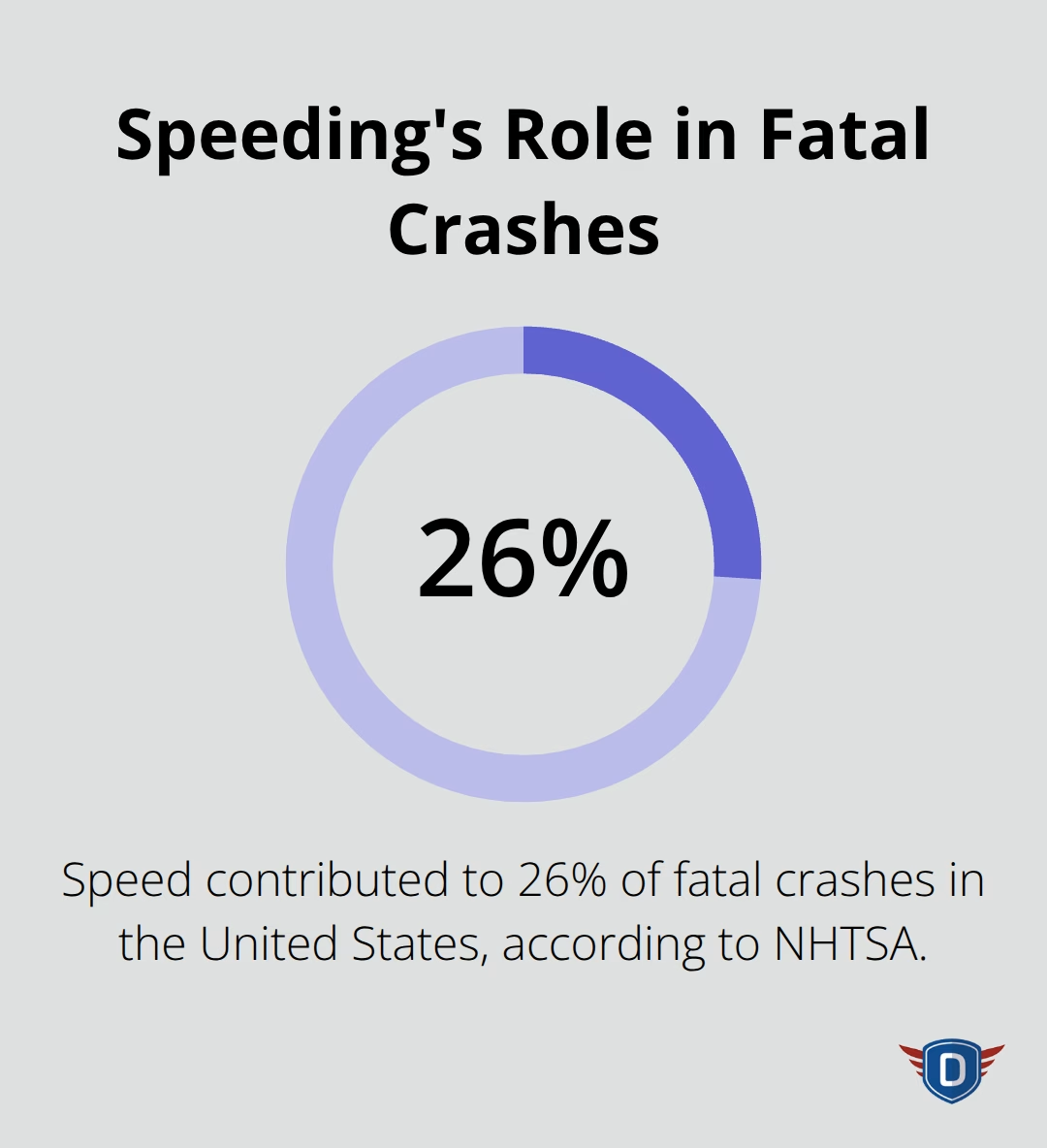
Traffic laws form the backbone of road safety, and new drivers must understand them completely before they take control of any vehicle. Speed limits exist for specific reasons – residential areas typically maintain 25 mph limits to protect pedestrians and children, while highways allow 65-75 mph depending on your state. The National Highway Traffic Safety Administration reports that speed contributed to 26% of fatal crashes, which makes speed compliance non-negotiable for new drivers.
Speed Control and Signal Response
Traffic signals operate on predictable patterns that smart drivers learn to read. Yellow lights last 3-6 seconds depending on intersection size and speed limits. This timing gives you enough space to stop safely when the light changes. Never attempt to beat a red light – the few seconds you save aren’t worth the collision risk or traffic ticket that can cost $150-500 in most states.
Right of Way at Intersections
Right of way rules prevent confusion and accidents at intersections. The driver who arrives first at a four-way stop proceeds first. When two vehicles arrive simultaneously, the driver on the right goes first. At uncontrolled intersections, yield to traffic on your right. These rules apply universally across all 50 states (making them essential knowledge for any driver). Hesitation kills – once you understand who has right of way, act decisively.
Road Markings and Lane Usage
Solid white lines prohibit lane changes, while broken white lines allow them when safe. Yellow lines separate traffic that moves in opposite directions – never cross a solid yellow line to pass. Double yellow lines mean no passage in either direction. Highway left lanes serve for passage only in most states, with some that impose fines up to $1,000 for improper left lane usage. Stay right except to pass, and always signal lane changes 3-4 seconds before you move to give other drivers adequate reaction time.
These traffic law fundamentals create the framework for safe road navigation, but they work best when you combine them with proper safety practices that protect you from common road hazards.
Essential Safety Practices Behind the Wheel
Safety practices separate experienced drivers from accident statistics. The Federal Highway Administration found that rear-end collisions account for a significant portion of traffic crashes, which makes proper distance your most important safety tool. Use the three-second rule as your baseline – pick a fixed object ahead, count three seconds after the vehicle in front passes it, then you should reach that same point. Add one second for every 10 mph over 40 mph, wet roads, or poor visibility. This space gives you 1.5 seconds to recognize danger and 1.5 seconds to react (which matches average human response times).
Mirror Checks and Blind Spot Management
Check your mirrors every 5-8 seconds while you drive – not just before lane changes. Adjust your side mirrors so you barely see your car’s edge, which eliminates most blind spots. The National Highway Traffic Safety Administration focuses on crash avoidance research including vehicle-based systems like radar, active braking, and pedestrian detection. Turn your head to check blind spots before every lane change, even with properly adjusted mirrors. Modern vehicles have blind spots that extend 10-12 feet behind your doors (large enough to hide motorcycles or small cars completely).
Defensive Techniques Against Real Hazards
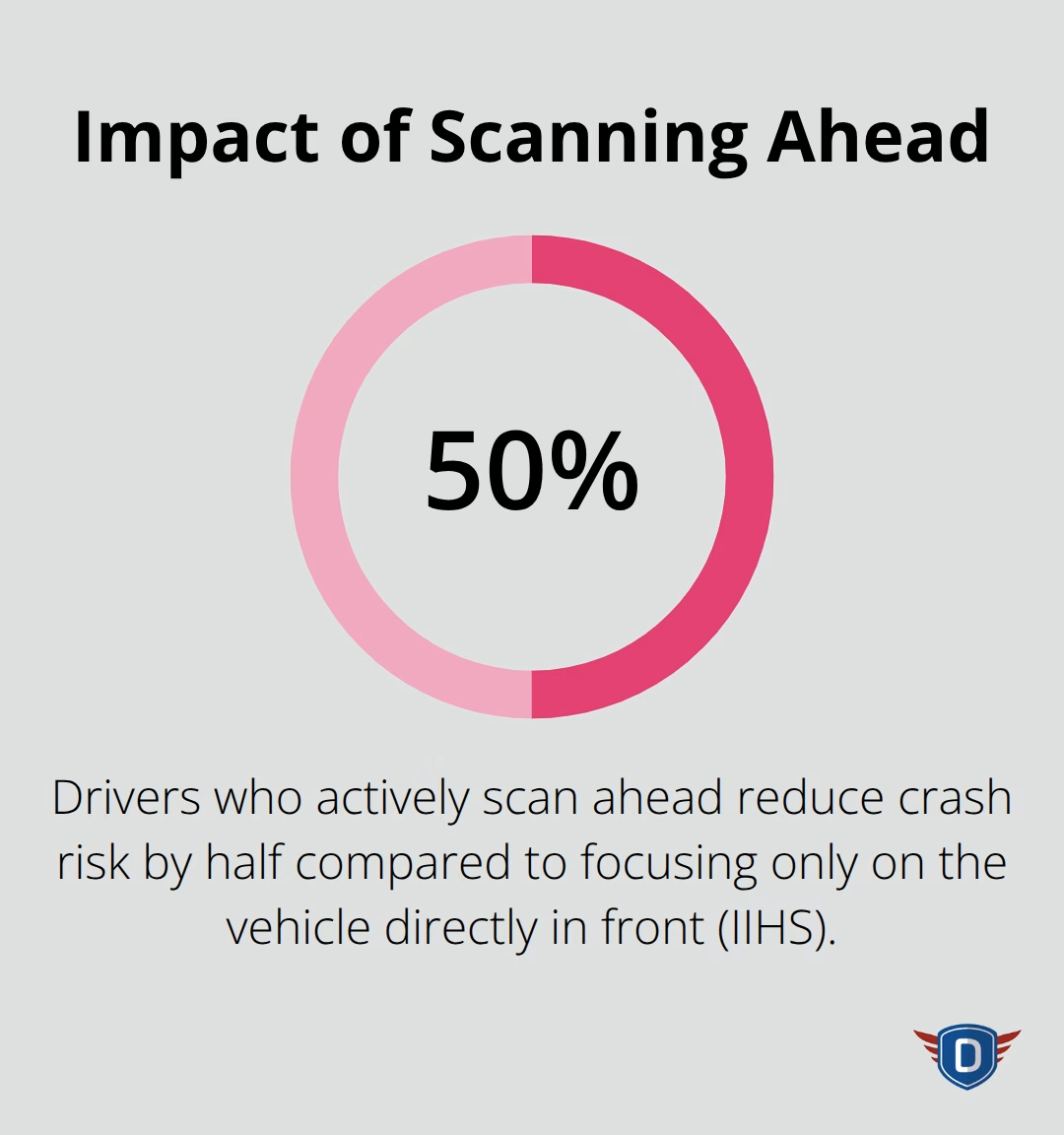
Scan 12-15 seconds ahead on highways and 4-6 seconds ahead in city traffic. Watch for brake lights, turn signals, and erratic movement patterns that signal trouble before it reaches you. Position your vehicle in the safest lane position – typically the left third of your lane on multi-lane roads, which gives you escape routes on both sides. Keep your hands at 9 and 3 o’clock for maximum control during emergency maneuvers. The Insurance Institute for Highway Safety found that drivers who actively scan ahead reduce crash risk by 50% compared to those who focus only on the vehicle directly in front.
These safety practices work hand-in-hand with proper vehicle control techniques that help you handle your car with confidence in any situation.
Vehicle Control and Handling Fundamentals
Vehicle control separates confident drivers from nervous ones who struggle with basic maneuvers. Smooth steering requires small, precise movements – never grip the wheel tightly or make sudden jerks that destabilize your car. Position your hands at 9 and 3 o’clock for maximum control and airbag safety.
Steering and Braking Techniques
Apply brakes progressively rather than slamming them – gradual pressure prevents wheel lockup and maintains steering control. Modern anti-lock braking systems prevent wheels from locking up during braking, maintaining tractive contact with the road surface and allowing the driver to retain steering control. Practice threshold braking in safe environments to understand your vehicle’s limits before you need these skills in traffic.
Parking and Maneuvering in Tight Spaces
Parallel parking demands specific techniques that eliminate guesswork. Pull alongside the front car with your mirrors aligned, reverse until your car reaches a 45-degree angle, then straighten the wheel and back into the space. Most parking spaces measure 22-26 feet long, giving standard vehicles adequate clearance when parked correctly. Practice these movements in empty lots before attempting street parking.
For perpendicular parking, use your side mirrors to align with parking space lines – when you can see the entire space in your passenger mirror, you have proper positioning to reverse straight back. Turn your steering wheel completely in tight spaces to reduce your turning radius significantly in most vehicles.
Managing Vehicle Controls and Dashboard Indicators
Dashboard warning lights communicate critical information that prevents breakdowns and accidents. The check engine light indicates emissions problems that can damage your engine if ignored. Oil pressure lights mean immediate danger – pull over and shut off your engine quickly to prevent permanent damage.
Temperature gauges should stay in the middle range – overheating engines can seize and require costly repairs. Battery lights signal charging system failure that can leave you stranded. The National Highway Traffic Safety Administration notes that tire pressure monitoring systems help identify pressure issues, making regular pressure checks essential for safe operation.
Final Thoughts
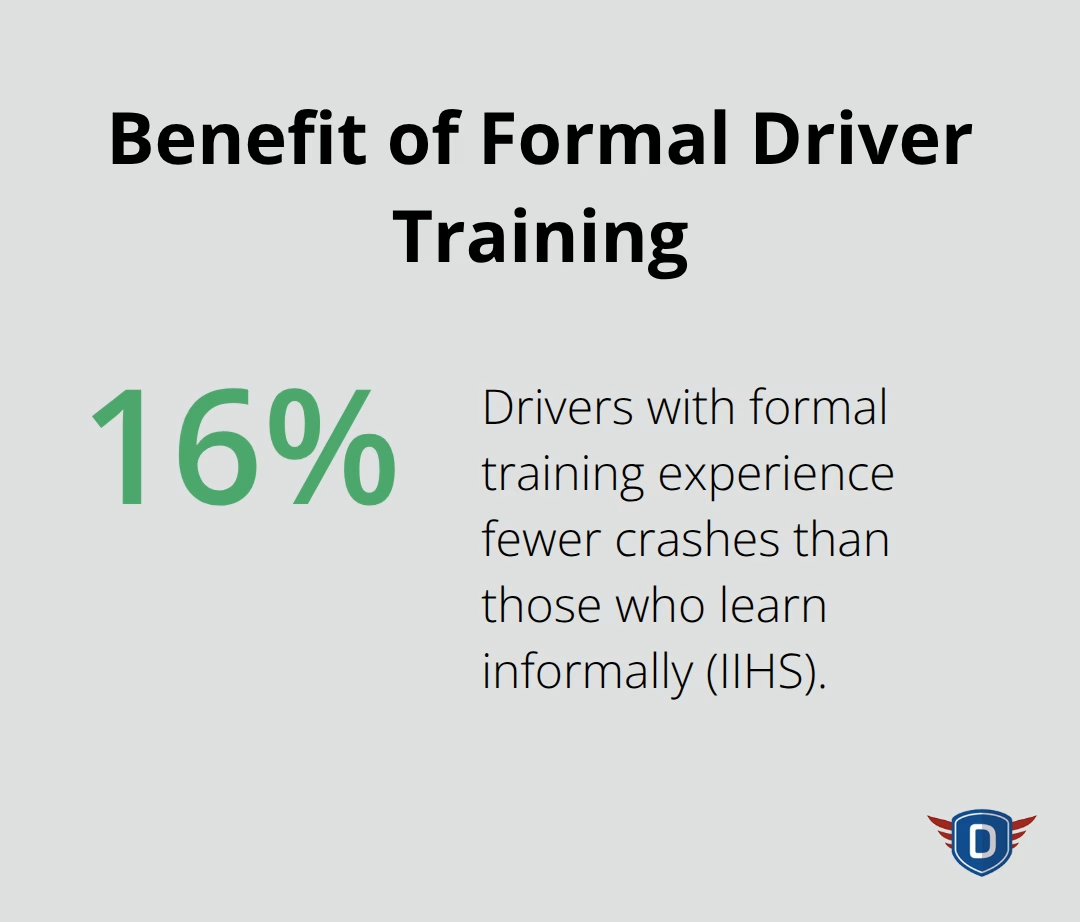
New drivers who practice these basic rules for driving consistently develop muscle memory that activates automatically during stressful situations. The Insurance Institute for Highway Safety found that drivers with formal training have 16% fewer crashes than those who learn informally. Professional instruction accelerates skill development through structured methods that address common mistakes before they become permanent habits.
Certified instructors identify specific areas where new drivers struggle and provide targeted feedback that self-taught drivers miss. We at DriverEducators.com create supportive environments that help students master necessary skills while they build confidence behind the wheel. Advanced driver assistance systems, updated traffic patterns, and new regulations require continuous education throughout your career (making professional guidance valuable long after you receive your license).
The foundation you build as a new driver determines your safety record for decades. Invest in proper training now to develop skills that protect you and other road users throughout your life. Professional driver education programs provide comprehensive training that goes beyond basic requirements.