Driving anxiety affects millions of people, preventing them from getting behind the wheel or enjoying the road. At DriverEducators.com, we’ve worked with countless nervous drivers who thought their fear was permanent-until they found the right support and strategies.
Anxiety-free driving lessons aren’t about ignoring your concerns. They’re about building real skills and confidence through personalized instruction that meets you where you are.
What Triggers Driving Anxiety
Traffic Creates the Perfect Storm
Traffic overwhelms anxious drivers more than any other factor. Heavy congestion, aggressive drivers, and unpredictable road situations create a perfect storm for panic. The Driving Behavior Survey indexes anxious driving behavior, which is frequently observed among individuals with motor vehicle accident-related PTSD.
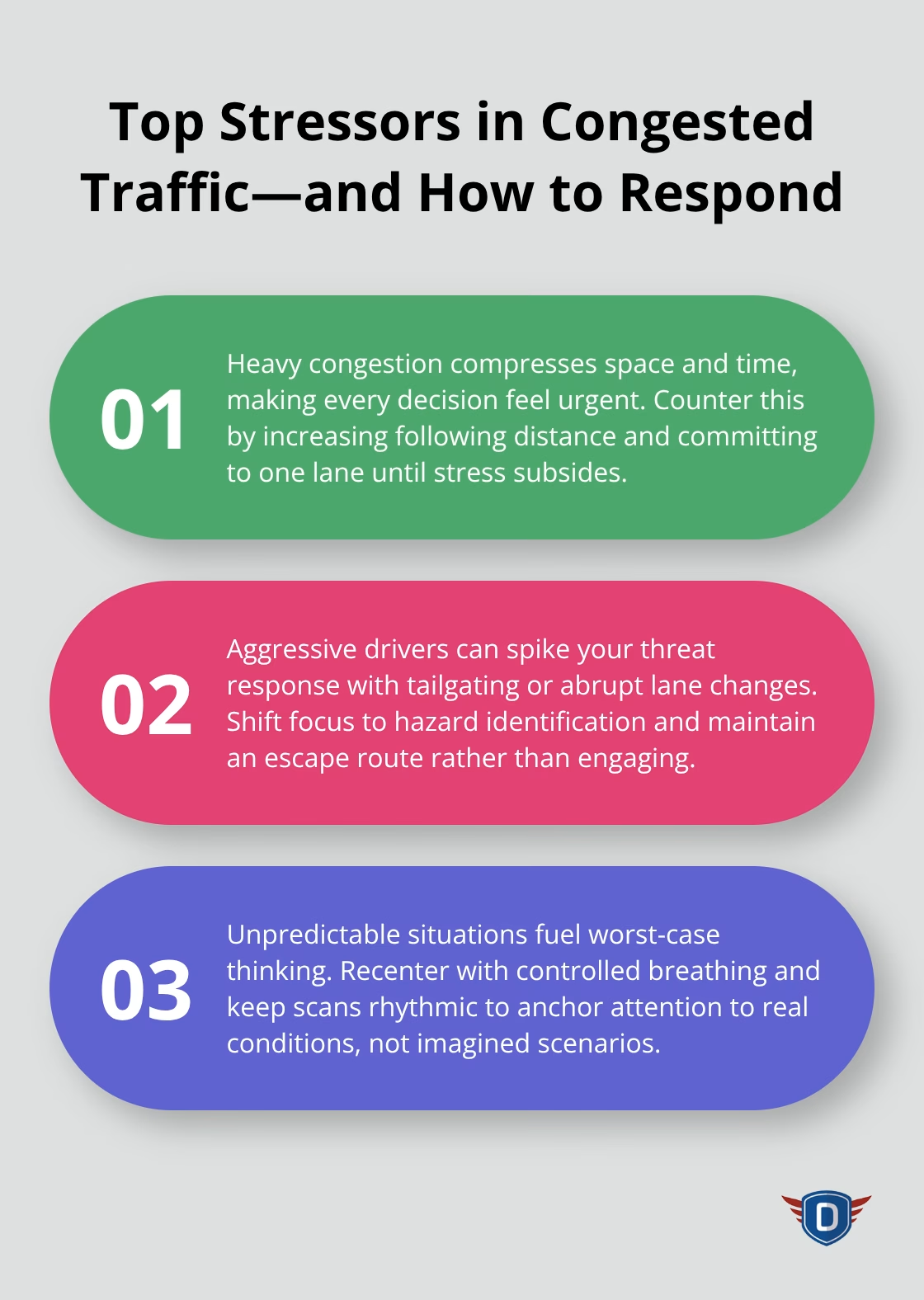
Performance deficits correlate most strongly with perceived driving skill, meaning anxious drivers often underestimate their actual abilities. When you’re stuck in Houston traffic or navigating a busy urban intersection, your nervous system treats the situation as a genuine threat even though statistically you’re safer in a car than walking down the street. This disconnect between actual risk and perceived danger keeps many people from driving despite having the fundamental skills.
How Past Accidents Shape Your Brain’s Response
Past accidents or near-misses create lasting neural pathways that your brain treats as warnings. One accident, even a minor fender-bender, can trigger months or years of anxiety because your brain associates driving with danger. The research shows that accident history alone doesn’t necessarily predict higher anxiety scores, but previous moving violations correlate with elevated hostility and anger while driving. This means your anxiety might manifest as either paralysis or aggression depending on your personality type.
Why Highways Feel More Threatening
Highways and high-speed roads amplify this fear because they eliminate the illusion of control that slower speeds provide. Merging onto a highway feels fundamentally different from navigating a residential street, and your body responds accordingly with increased heart rate and tunnel vision. The physical sensations intensify, and your mind races through worst-case scenarios that rarely occur in reality.
The Path Forward Through Gradual Exposure
Starting with quiet residential streets and gradually progressing to busier roads during off-peak hours works because it allows your brain to update its threat assessment through repeated exposure without overwhelming your nervous system. Each successful drive on a familiar route teaches your brain that the feared outcome doesn’t happen. This progressive approach builds genuine confidence rather than temporary relief. Your next step involves learning the specific strategies that transform this gradual exposure into lasting change.
How to Start Driving Again Without Overwhelming Yourself
Build Confidence Through Structured Progression
The most effective strategy for overcoming driving anxiety involves starting small and staying consistent. Rather than jumping into highway driving or heavy traffic, anxious drivers need a structured progression that allows their nervous system to recalibrate. Start on quiet residential streets during low-traffic hours, typically between 10 a.m. and 3 p.m. on weekdays when roads are emptiest. Drive the same route multiple times until it feels routine, then expand to slightly busier streets.
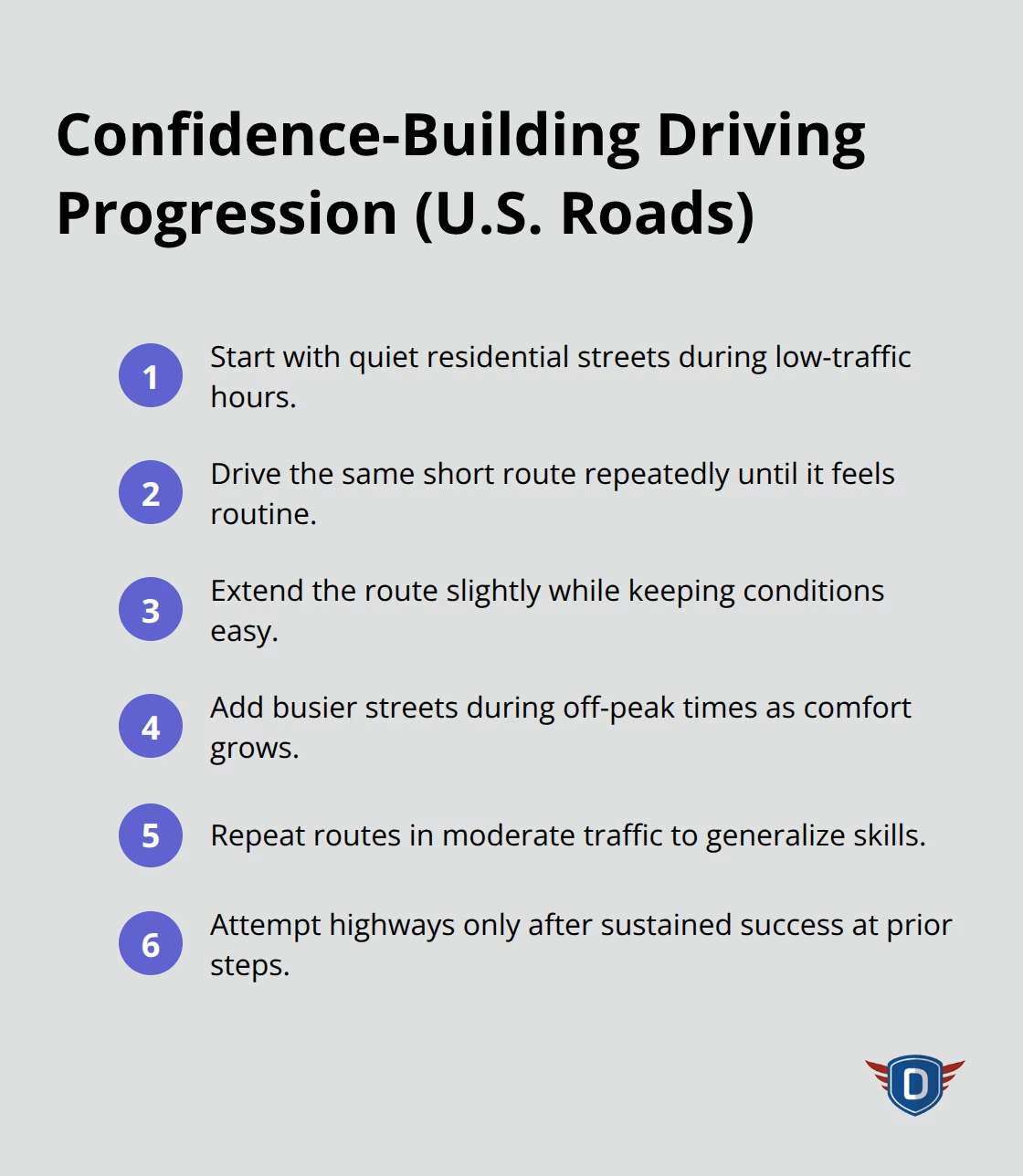
This repetition matters because your brain needs concrete evidence that driving in these conditions is safe. Research on exposure therapy shows that repeated, successful experiences in feared situations reduce anxiety more effectively than avoidance or occasional attempts. After mastering neighborhood roads, progress to busier streets during off-peak hours, then tackle the same routes during moderate traffic. Only after building genuine competence should you attempt highways or peak-hour driving. Each step should feel manageable, not terrifying.
Master Breathing Techniques Before You Drive
When anxiety spikes, your sympathetic nervous system triggers a stress response that narrows your vision, increases heart rate, and clouds judgment. Counter this with box breathing before you drive: inhale for four counts, hold for four, exhale for four, hold for four. Repeat this cycle five times. This simple technique activates your parasympathetic nervous system and calms your body before you turn the key.
During driving, maintain a two-second following distance behind other vehicles and scan your mirrors every five to eight seconds. This forces your attention outward rather than inward on anxious thoughts. The physical act of scanning keeps your mind engaged with real road conditions instead of catastrophic scenarios.
Use Defensive Driving to Reclaim Control
Defensive driving techniques reduce the actual risk on the road, which builds legitimate confidence rather than false reassurance. Focus on hazard identification rather than catastrophic thinking. Notice what other drivers are doing, anticipate lane changes, and position your vehicle to maintain escape routes. This active engagement makes you feel less helpless and more in control.
The combination of controlled breathing and deliberate defensive skills creates a feedback loop where better driving performance reduces anxiety, which improves performance further. Your nervous system learns that you can handle these situations because you actively manage them rather than white-knuckling through them. As your skills sharpen and your confidence grows, you’ll find yourself ready to tackle more challenging driving scenarios-which is exactly where personalized instruction becomes invaluable.
Why Certified Instructors Make the Difference
Instructors Who Understand Anxiety Behind the Wheel
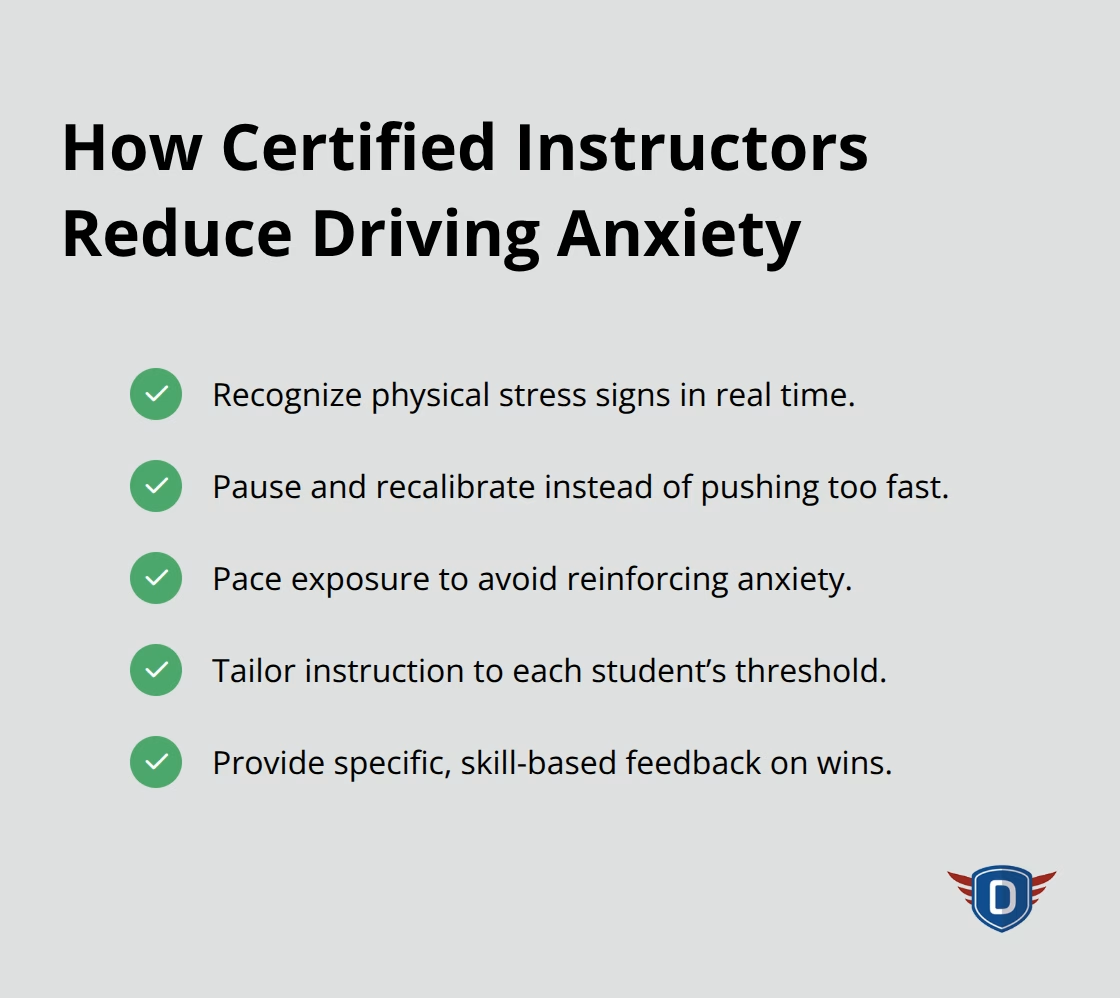
Anxious drivers need more than generic driving instruction. They need instructors who recognize how fear manifests in real time and adjust their teaching accordingly. Certified instructors who work with nervous drivers regularly spot the physical signs: white knuckles on the steering wheel, shallow breathing, and the moment your mind starts racing through worst-case scenarios. Rather than pushing you forward, they pause and help you recalibrate. Research on exposure therapy shows that pacing is critical-move too fast and you reinforce anxiety; move at the right speed and your nervous system learns that you can handle each situation. Instructors trained in anxiety-aware instruction identify exactly where that threshold sits for each student.
Building Competence and Nervous System Confidence Simultaneously
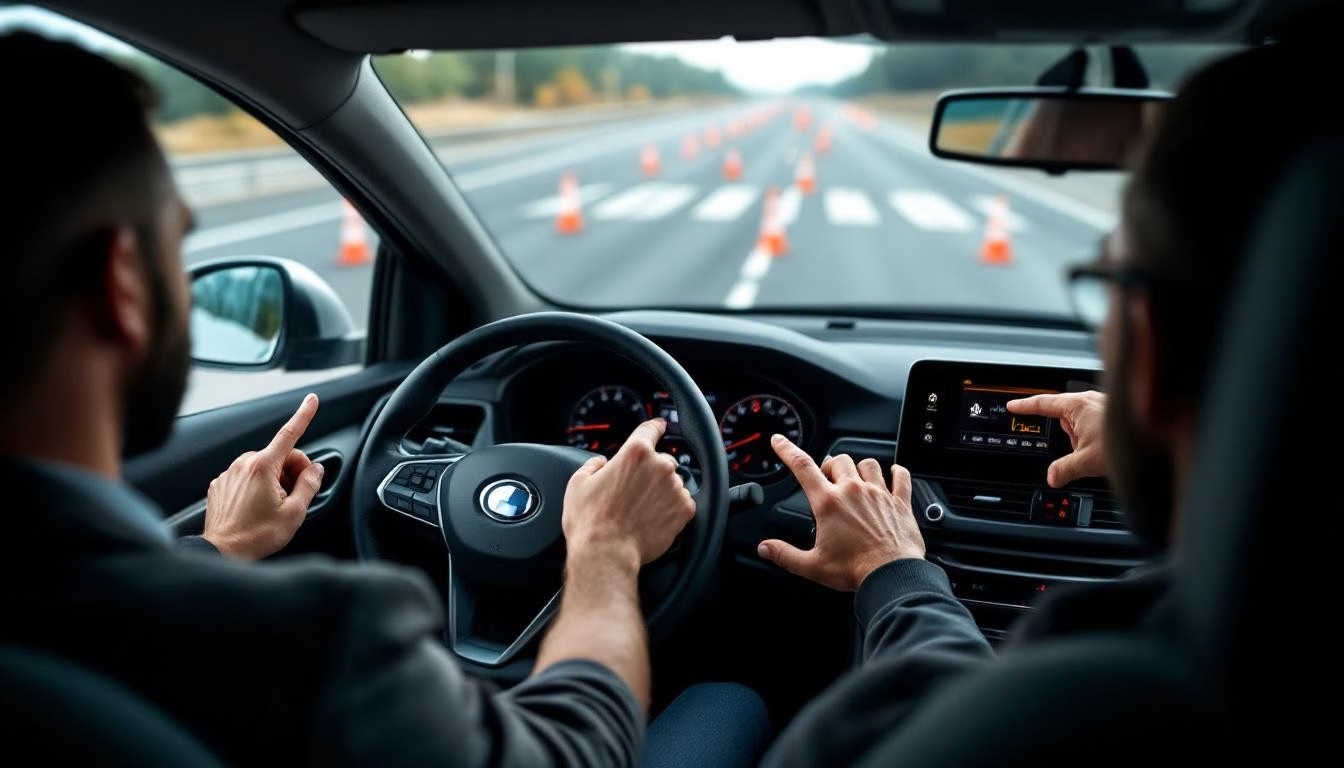
Your instructor teaches defensive driving techniques while simultaneously monitoring your stress response. This dual focus means you’re not just improving your skills but also training your body to stay calm under pressure. When you practice merging on a quiet highway with an instructor who understands both driving mechanics and anxiety management, you build two things at once: actual competence and the nervous system’s ability to trust that competence. The instructor schedules practice during times when roads are least congested, which removes unnecessary pressure while you’re building foundational skills. They celebrate specific wins rather than offering generic praise-they’ll say you nailed that lane change or executed that maneuver well, which trains your brain to recognize genuine progress.
Real-World Practice That Removes the Shock Factor
Real-life scenarios form the backbone of instruction because practicing in actual traffic conditions (even light traffic) teaches your body what to expect. Your instructor guides you through these scenarios with clear explanations before each maneuver, then lets you execute while providing feedback. This combination of preparation, real-world practice, and immediate correction prevents the anxiety-avoidance cycle that keeps nervous drivers stuck. Each completed drive becomes evidence that contradicts your brain’s threat narrative, and that evidence accumulates into legitimate confidence rather than false reassurance.
Final Thoughts
Overcoming driving anxiety requires three interconnected elements: structured practice on progressively challenging routes, physical techniques that calm your nervous system, and skilled instruction that guides you through real-world scenarios. The breathing exercises and defensive driving strategies you’ve learned work because they address both your mind and body simultaneously. Each successful drive builds evidence that contradicts your brain’s threat narrative, gradually rewiring how you respond to traffic, highways, and other drivers. This evidence accumulates into legitimate confidence rather than false reassurance.
The long-term payoff extends far beyond transportation. Drivers who work through anxiety gain genuine independence, reduce reliance on others for rides, and reclaim freedom they thought was lost. This confidence transfers to other areas of life because you’ve proven to yourself that you can face fear and succeed. The nervous system changes that happen during anxiety-free driving lessons create lasting shifts in how you approach challenges generally.
Your next step is straightforward: reach out to DriverEducators.com and describe your specific driving concerns. Our certified instructors will design a progression that starts where you are and builds toward the independence you want. The road ahead is shorter than you think when you have the right support.